The Mekong Delta is a land of sincere, rustic, and simple people. Perhaps it is the open-minded and harmonious nature of the local people that has brought a richly diverse and well-balanced culinary identity to this region. Exploring Mekong Delta cuisine has always been an appealing topic that attracts great interest from many people.
When traveling far, one misses the poor homeland,
Missing bún nước lèo, missing Ba Xuyên fish sauce.
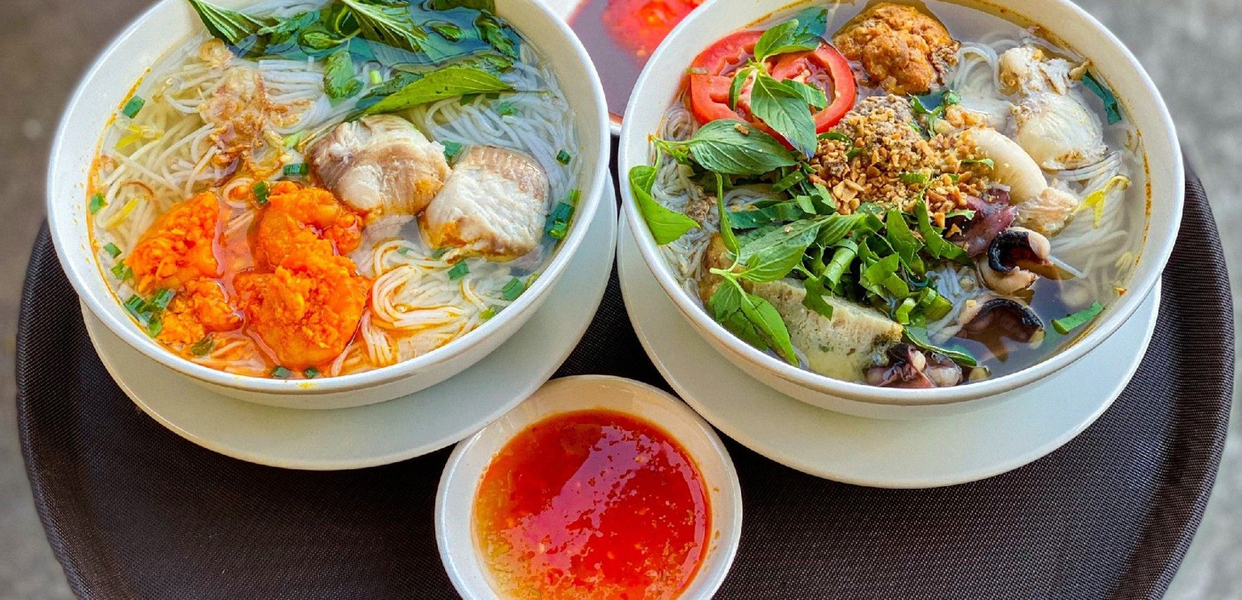
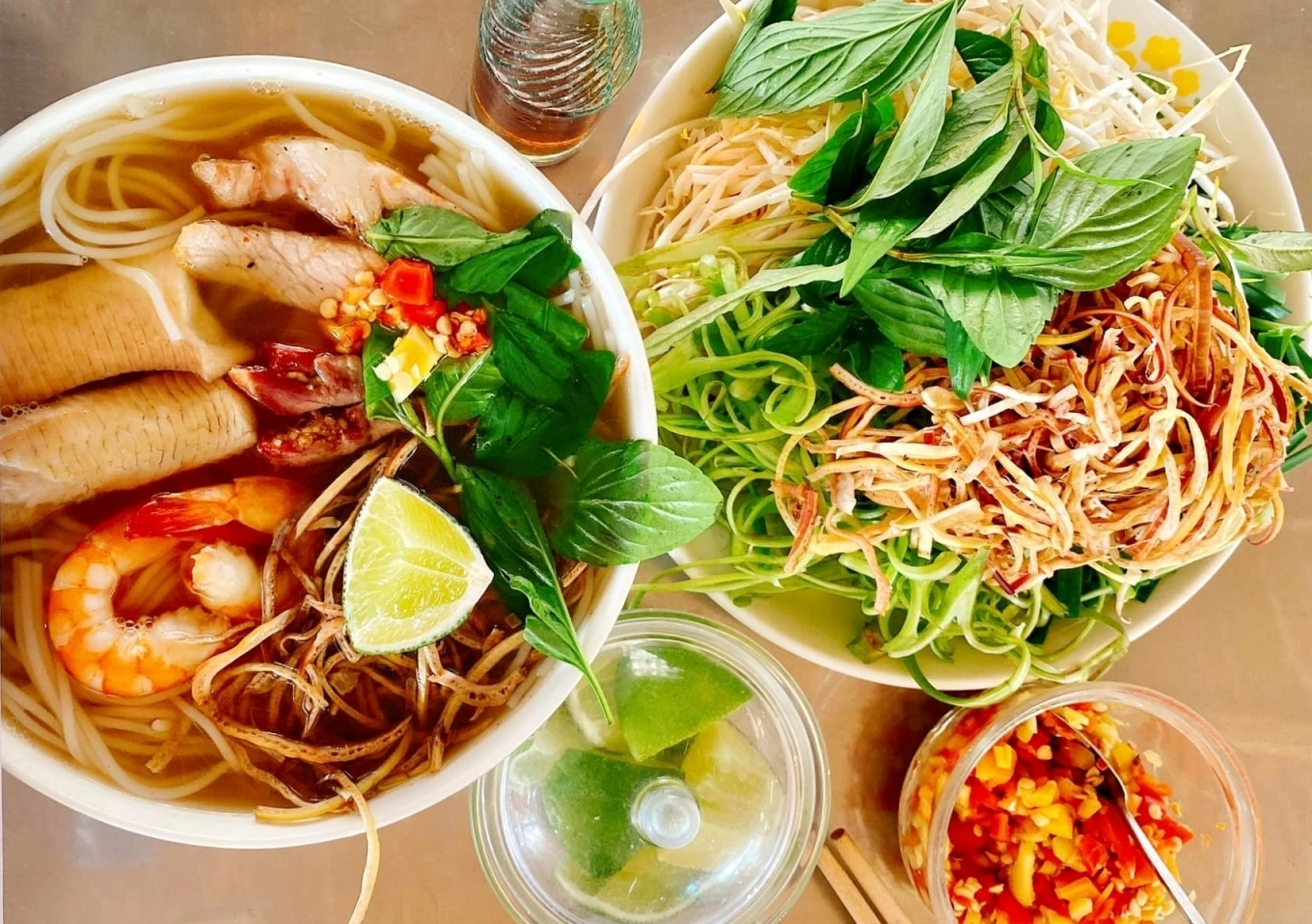
Bún nước lèo was originally a humble dish of the local Khmer people. Over time, its flavor has become a culinary cultural identity of the region and a specialty of Sóc Trăng, carrying a distinctive taste that harmoniously blends the cultures of the three ethnic communities: Kinh, Hoa, and Khmer.
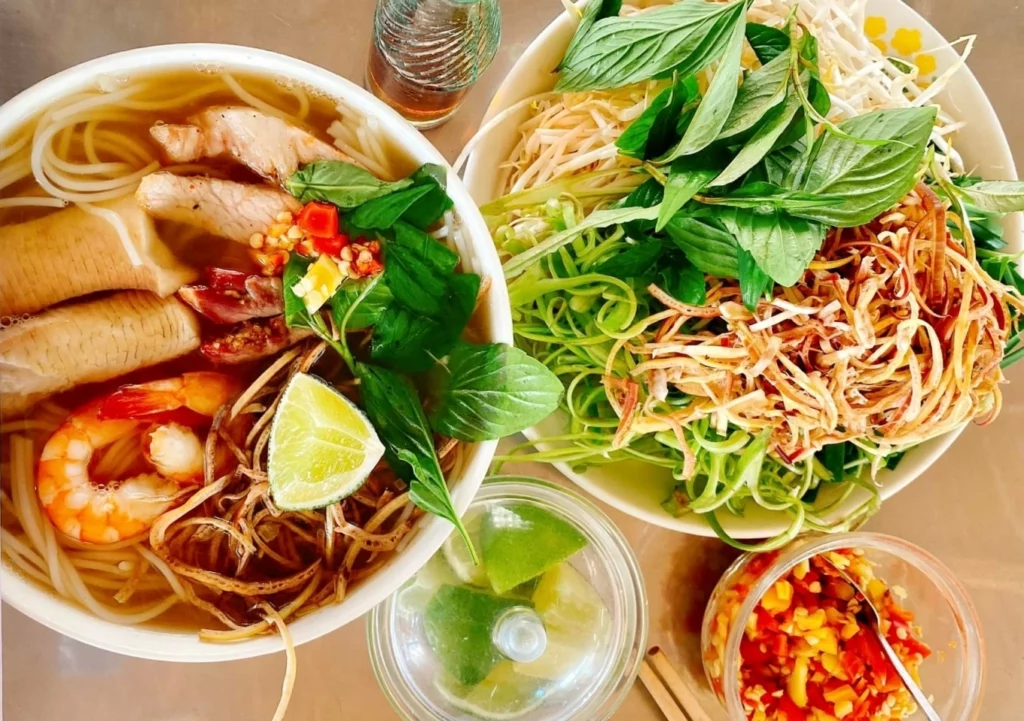
Bún nước lèo of Sóc Trăng differs in several ways from similar dishes in neighboring localities. A lavish bowl may include snakehead fish, silver shrimp, roasted pork, and more, while a simpler version requires only a decent-sized snakehead fish to create a flavorful broth.
However, two ingredients are indispensable: *ngải bún* (fingerroot) and *mắm bò hóc* (Khmer fermented fish paste). In the past, *ngải bún* grew wild, but it is now commonly cultivated in home gardens for use as a spice. It helps neutralize the strong odor of fermented fish paste. *Mắm bò hóc* is made by the Khmer people from freshwater fish mixed with salt and cooked rice.
To make a delicious pot of broth, one must use a wild snakehead fish weighing at least 0.5 kg. A fish with roe is even more appealing, as the broth will develop a beautiful golden layer of fish eggs. The fish is cleaned and cut into two parts—the head attached to the innards being the most flavorful portion.
Silver shrimp or white shrimp are boiled and peeled. Adding slices of roasted pork, fish cakes made from featherback fish, or vinh carp makes the bowl even more appetizing. Fresh coconut water can be used to cook the broth for added sweetness, and *mắm bò hóc* is added once the broth is boiling.
*Ngải bún* is lightly grilled over charcoal, and crushed lemongrass roots are added to continue simmering. Skim thoroughly until the broth becomes clear, then add the cleaned fish.
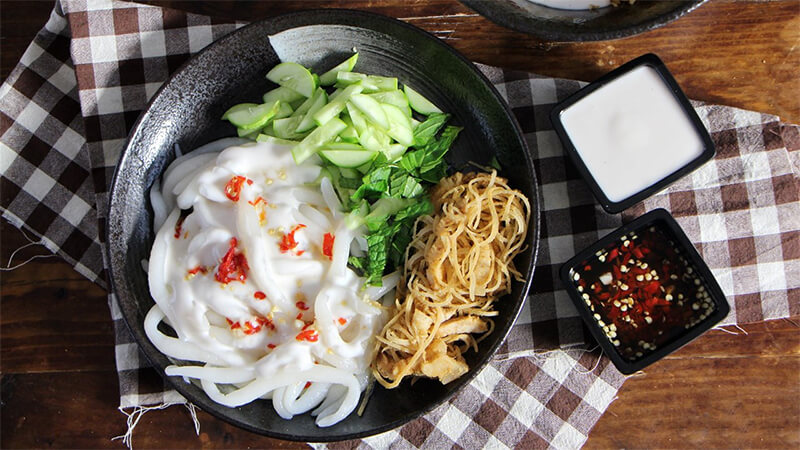
Bún nước lèo is served with shredded water spinach, fresh bean sprouts, finely sliced banana blossom, young banana stems, and herbs such as basil and Vietnamese mint. Ripe red horn chilies are thinly sliced, and a splash of Lai Sơn fish sauce or Phú Quốc fish sauce completes the authentic flavor. This dish beautifully represents the cultural exchange and culinary creativity among the ethnic communities of the region.
Today, this dish has gone beyond Vietnam’s borders and its flavor has spread to become a recognized Asian specialty.
Nowadays, bún nước lèo Sóc Trăng is no longer just a humble local dish. Its flavor has reached international audiences, contributing to the promotion of Vietnamese cuisine, culture, and people to friends around the world.
After a selection process (from 2012 to 2023), 10 nominations were officially recognized by the Asia Book of Records under the Asian Culinary and Specialty Criteria, raising the total number of Vietnamese culinary and specialty gifts holding Asian records to 60 items, including 38 specialty dishes and 22 natural specialties and regional gift products.
In the fourth announcement period (2023–2024), Sóc Trăng Province was honored with bún nước lèo being recognized as an Asian Record according to the Asian culinary value criteria, based on the nomination by the Vietnam Book of Records (VietKings). This recognition contributes to promoting Vietnamese cuisine in general and local specialties in particular to both domestic and international visitors through the global network of record organizations.
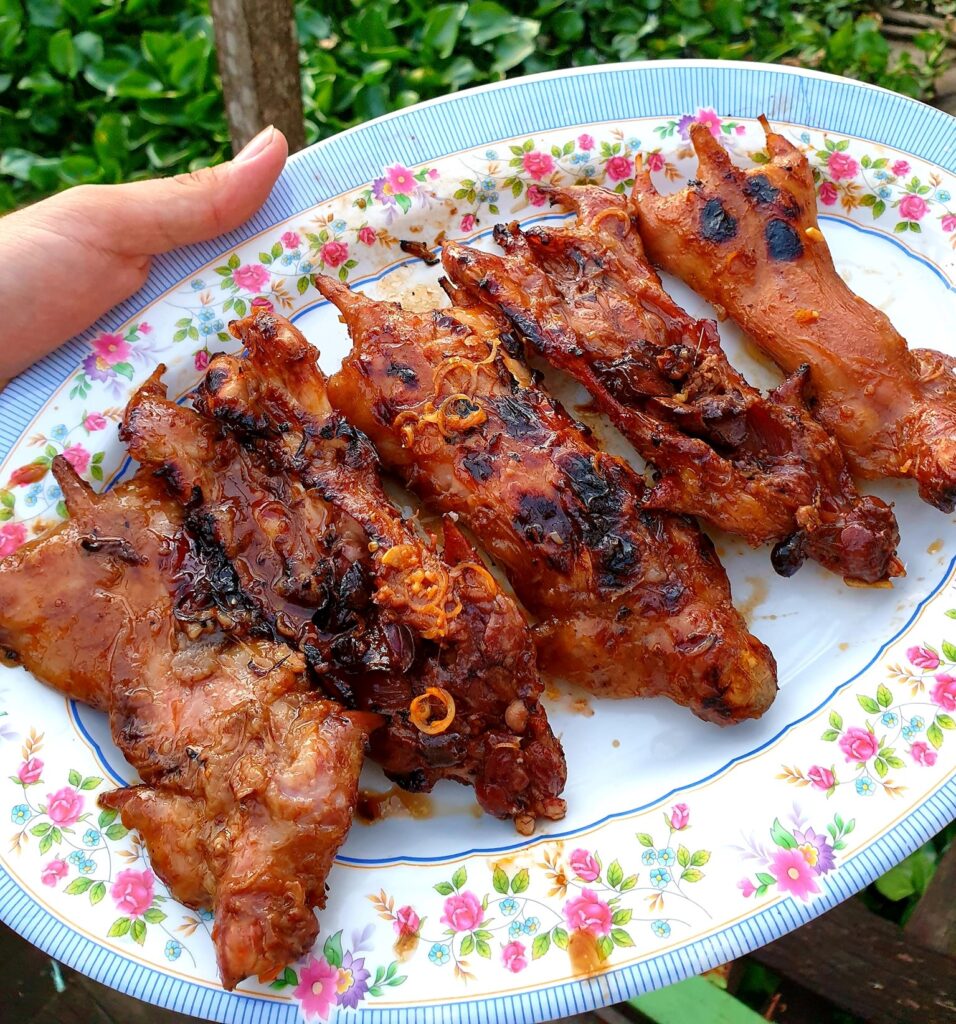
Go to the Mekong Delta to eat grilled field rat with salt and chili.
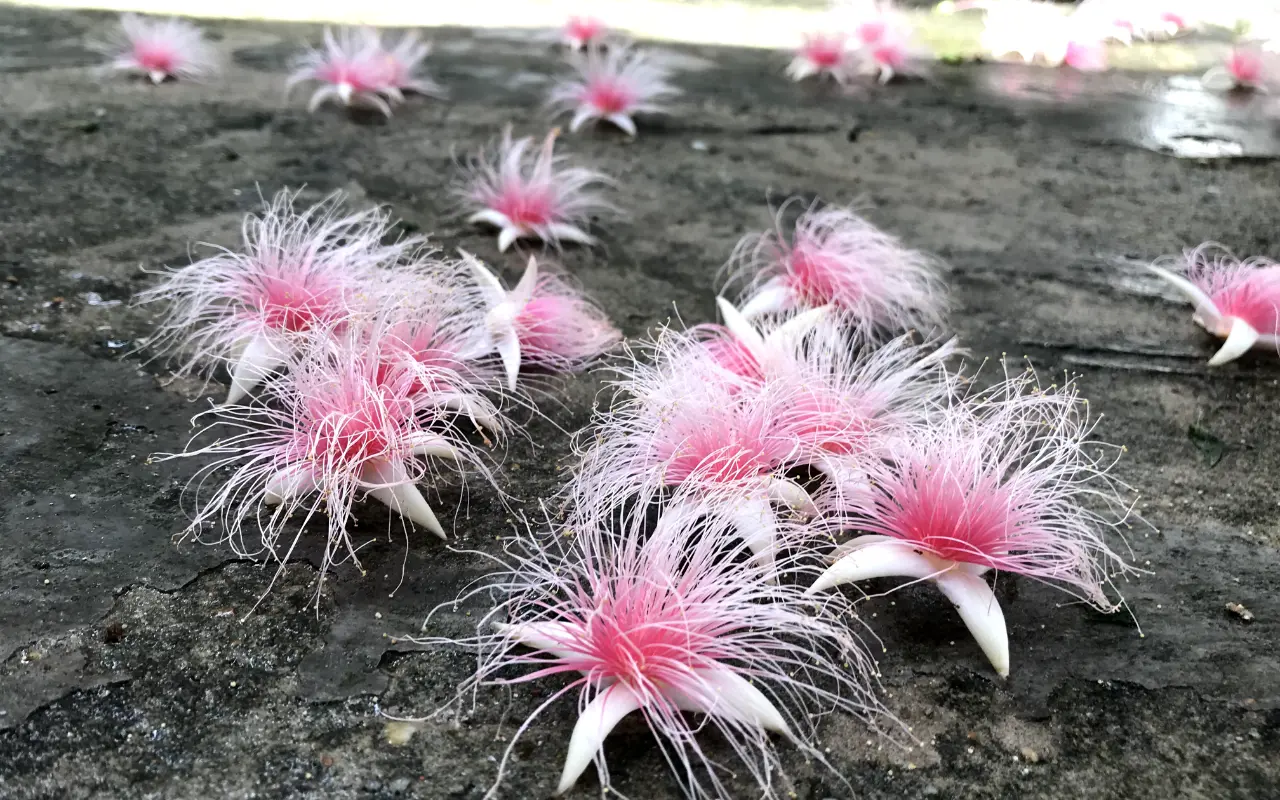
The Barringtonia tree – from the countryside to the city.
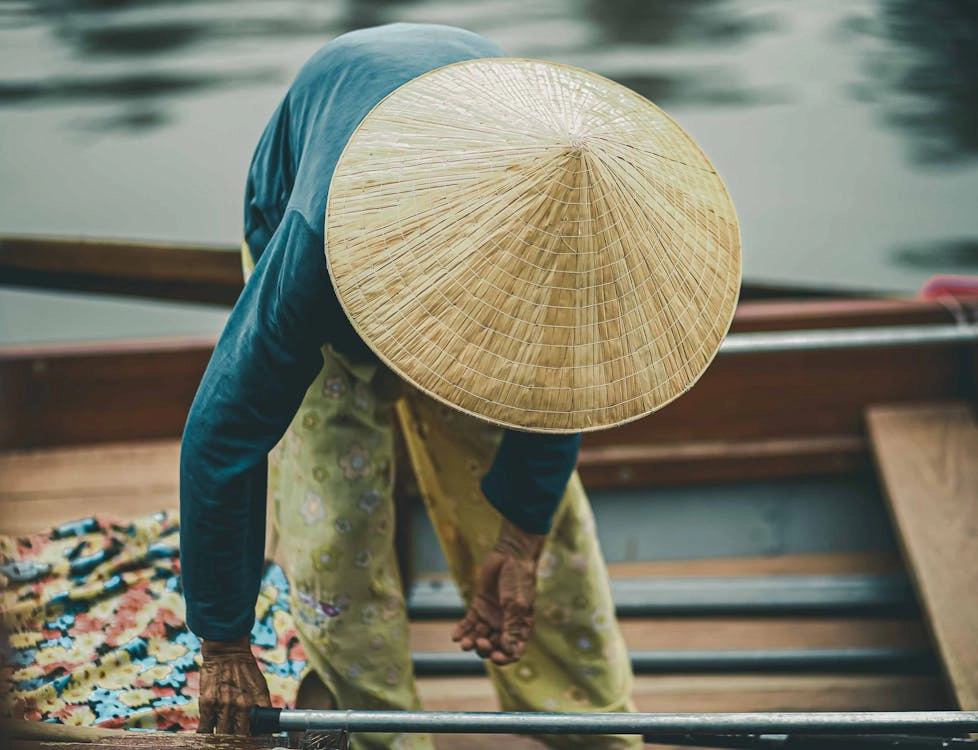
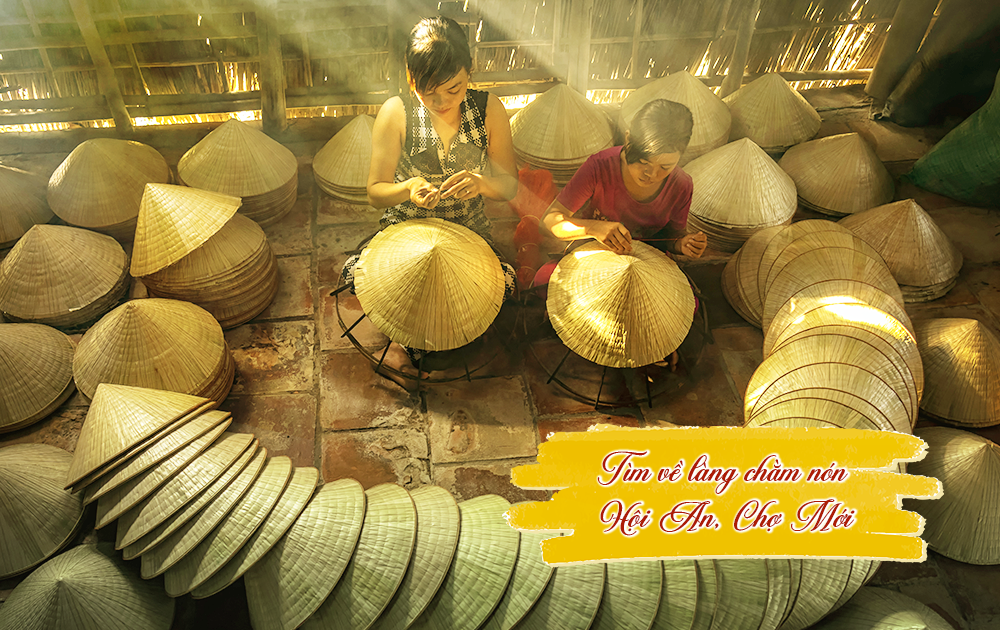
The conical hat, a celebration of the beauty of Vietnamese women.
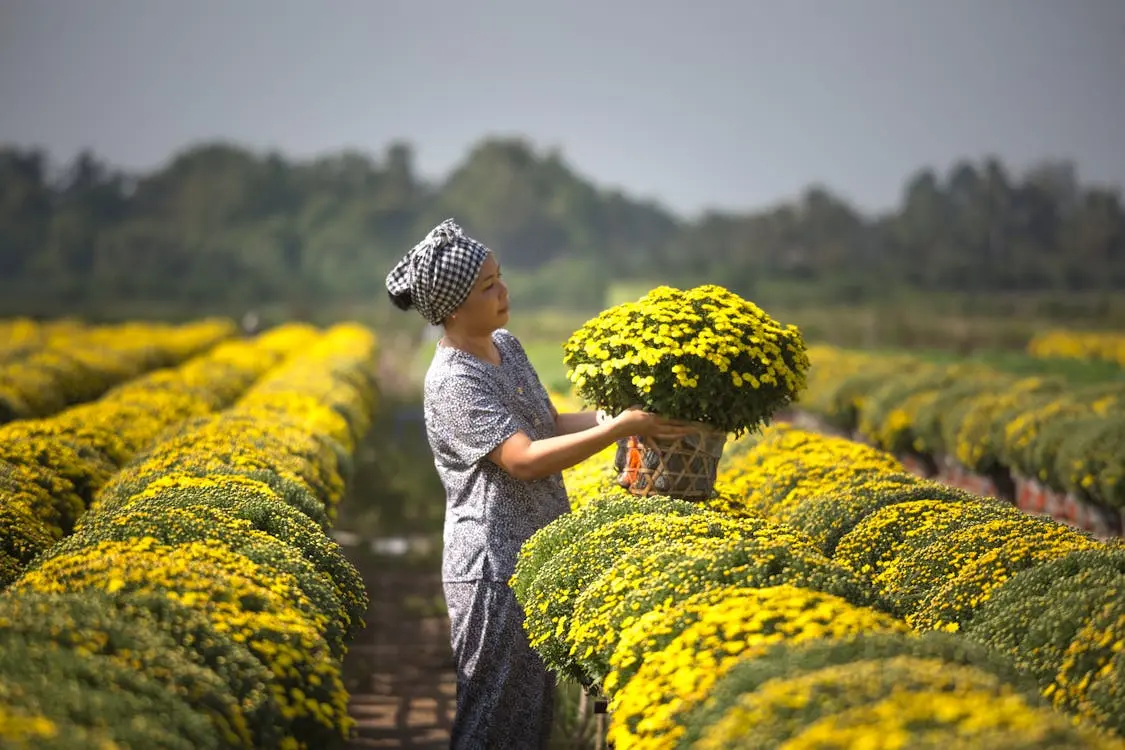
Sa Dec Ornamental Flower Village
CULTURE
How to make lye water rice dumplings
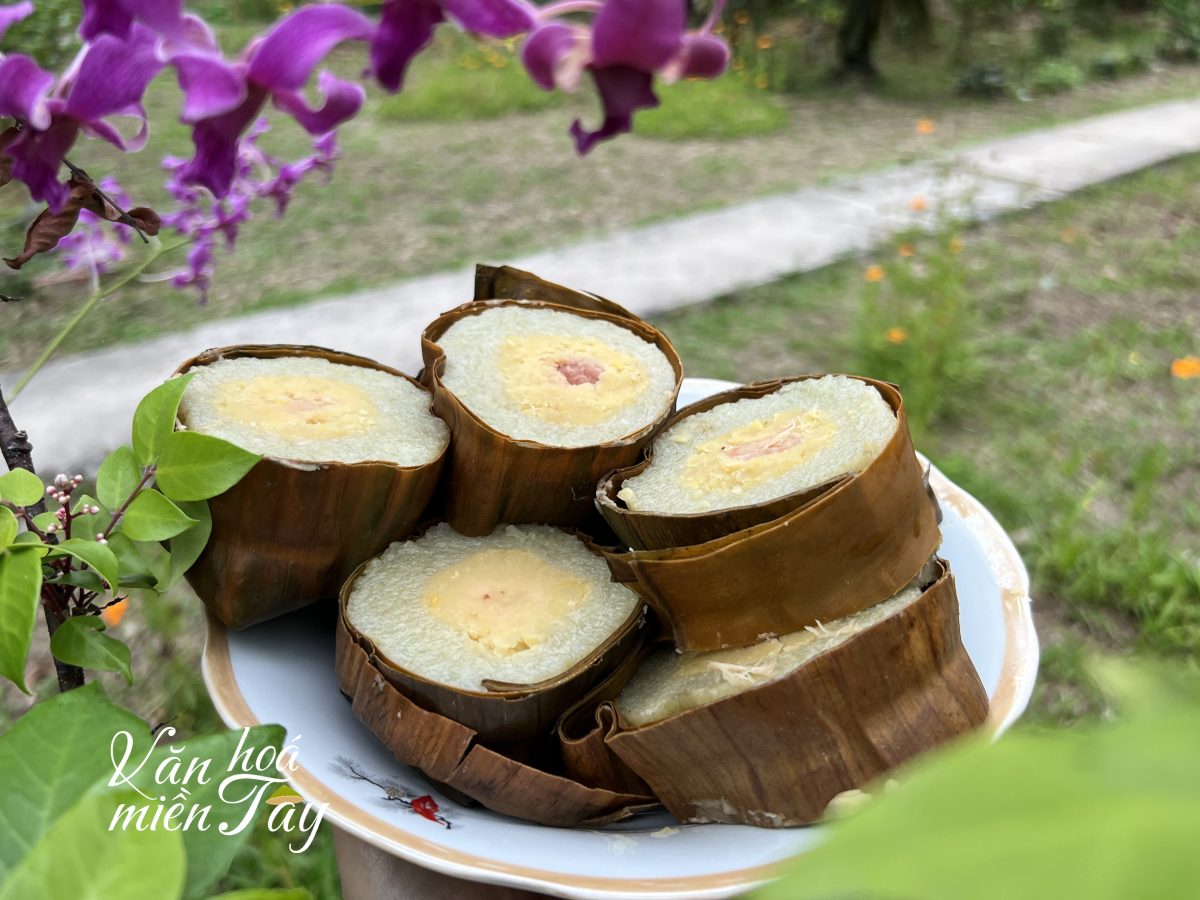
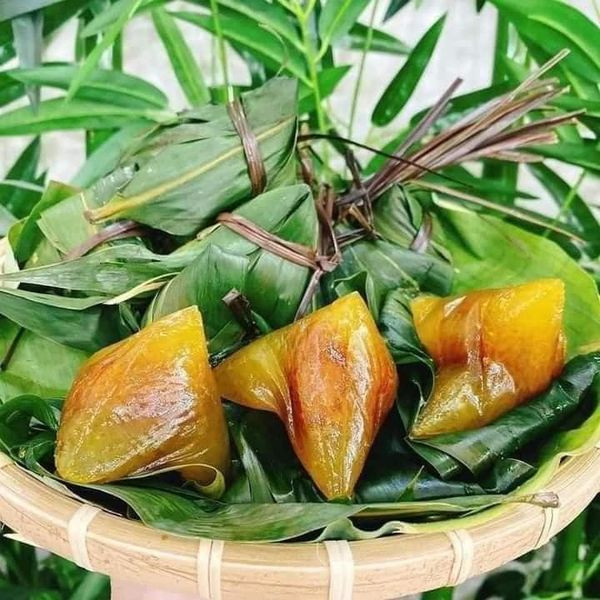
Bánh ú nước tro is a traditional dish eaten during the Tết Đoan Ngọ (Mid-Year Festival) of the Southern Vietnamese people. Nowadays, Bánh ú nước tro also appears during other festivals and memorial ceremonies.
Bánh ú nước tro is a traditional dish of the Southern people during the Tết Đoan Ngọ festival.
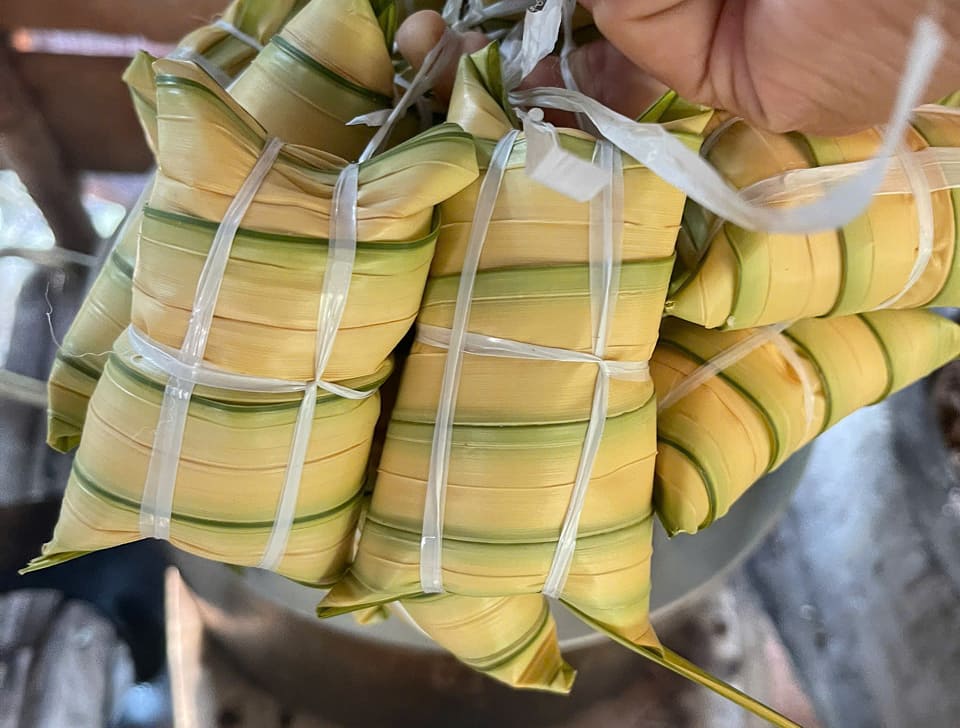
Bánh ú nước tro has a pyramid shape, about the size of an adult’s fist. It is wrapped in bamboo leaves, with glutinous rice on the outside and mung bean filling inside. Although the ingredients seem simple, making Bánh ú nước tro requires many meticulous and elaborate steps.
In the past, to make ash water for the cake, people burned sticky rice straw to obtain ash, mixed it with water, let it settle, and then took the clear liquid. Nowadays, ash water is readily available at markets, making the process much more convenient. In addition, when preparing the rice, it is important to note that if the rice is not transparent enough, the cake will not look appealing, while too much transparency can result in a slightly bitter aftertaste. This depends largely on the maker’s experience.
How to make Bánh ú nước tro:
– Rinse the glutinous rice several times until completely clean. Soak the rice in a basin of cold water mixed with a little salt for about 5–6 hours, then rinse again thoroughly.
– Put the rice into a clean basin, add filtered water mixed with ash water (one spoon of ash water per 1 liter of water). The water level should fully cover the rice. Soak for 20–22 hours. During soaking, you can occasionally test the rice by placing a few grains between your fingers and gently squeezing; if the grains break slightly, the rice has absorbed enough ash water.
– After that, rinse the rice several times with cold water until clean, mix in a little salt, and drain well.
– Peel the mung beans and soak them in warm water for about 1–2 hours. Then cook the beans with a small amount of water until they become soft.
– While the beans are still hot on the stove, add sugar and stir quickly with a wooden spoon until smooth. Transfer the mung bean mixture to a pan and cook over low heat until slightly dry. Adjust the sweetness to taste, turn off the heat, let it cool, and roll into small round balls.
How to make Bánh ú nước tro
– Wash the bamboo leaves thoroughly. Boil a pot of water and blanch the leaves briefly until they become soft, making them easier to wrap.
– When wrapping the cakes, roll one end of the leaf into a funnel shape, add a layer of rice, then the filling, followed by another layer of rice. Wrap tightly into a triangular shape and secure with banana fiber string. After wrapping, place the cakes into a pot and boil them. Once cooked, remove the cakes and soak them in cold water to cool. Then tie them into bundles and hang them on a rack so the leaves dry quickly.
When unwrapped, the cake has a dark golden color, smooth and non-sticky to the leaves. Taking a bite, you can feel the soft and chewy texture of the rice, with a mildly sweet and pleasant mung bean filling inside. Bánh ú nước tro is light and easy to eat, not greasy, and has a cooling effect, making it especially popular during hot days.
The small bamboo leaves and delicate strings embrace the tiny, translucent, lovely cakes… all the skill and finesse are embodied in them. Interestingly, the smaller the cake, the more it reflects the dexterity of the person who wraps it.
The tradition of becoming a monk to achieve enlightenment among the Khmer people of Southern Vietnam.
The custom of entering monkhood in order to become a proper person is still common among the Khmer people in the Southwestern region of Vietnam. According to their belief, becoming a monk is not to become a Buddha but to become a better human being, preparing for a good life in the future. It is also a valuable opportunity to learn literacy, moral principles, and cultivate virtue.
In the past, if a young man did not go through a period of monastic life in a pagoda, he would be considered unfilial by both society and his family, and it would be very difficult for him to get married. Khmer girls of marriageable age often chose men who had undergone monastic training in a pagoda and later returned to secular life. According to them, such men had fulfilled their duty and learned how to be proper human beings, especially being literate and respected by the community.
The custom of entering monkhood to become a proper person is usually held on the first day of the Chol Chnam Thmay New Year. On this day, families who wish to send their sons to the pagoda (several months earlier, the young man must have stayed at the pagoda to memorize basic Buddhist chants) organize a ceremony called Bank-Bom-Buon, during which the novice bids farewell to relatives and friends and receives wishes for good health. During the ceremony, his head is shaved, his trousers are replaced with a sarong, and his shirt is replaced with a white cloth draped over the left shoulder to the right, called Pênexo, symbolizing his renunciation of worldly life. At that time, he is called a “Nec” (dragon).
After that, the novice holds the saffron robe, steps into the middle row of monks, and recites the request for ordination. When the venerable monk accepts, the nec changes from the sarong and white cloth into the saffron robe. This is followed by the ceremony of receiving the Ten Precepts of Buddhism:
No killing
No stealing
No sexual misconduct
No drinking alcohol
No lying
No eating outside regular meals
No watching singing or dancing performances
No wearing jewelry or ornaments
No using high seats or luxurious beds
No handling gold or silver
Finally, monks and Buddhists chant sutras to bestow blessings upon the newly ordained monk and all sentient beings, bringing the ceremony to a close.
According to traditional Khmer beliefs in the Southwestern region, entering monkhood is also a way to accumulate merit for one’s parents, family, and oneself. However, today, due to schooling or difficult family circumstances with labor shortages, many Khmer young men do not enter monkhood, and monastic rules are no longer as strict as they once were. Source: Dai Doan Ket
The festival honoring the Goddess of Sam Mountain.
Every year on the 24th day of the 4th lunar month, pilgrims from all over flock to Sam Mountain to attend the Ba Chua Xu Festival, creating a bustling and festive atmosphere. Notably, in 2010, the 10th anniversary of the festival was marked by its elevation to a National Level Festival.
Sam Mountain is located in Chau Doc Town, An Giang Province. The Sam Mountain tourist area is a collection of national-level cultural relics such as Tay An Ancient Pagoda, Thoai Ngoc Hau Tomb, and especially the Ba Chua Xu Temple situated at the foot of the mountain. Ba Chua Xu Temple is one of the famous landmarks of Sam Mountain and a destination for travelers from all directions; it is also a place where people come to pray for the most sacred and beautiful things in life.
Annually, from the 24th to the 27th of the 4th lunar month, local people celebrate the Goddess’s festival with solemn rituals. On the night of the 23rd leading into the 24th, the festival opens with the “Lady Bathing” (tắm Bà) ritual. A lace-trimmed cloth curtain embroidered with colorful flowers and letters is drawn across the altar, obscuring the statue area. A selected group of 4-5 women uses fragrant water to clean the statue’s body, then changes her crown and clothes. Once the ritual is finished, the curtain is pulled aside for people to enter and worship, with everyone trying to get as close to the altar as possible to ask for “lộc” (blessed gifts), which might be a few flowers or fruits from the altar.
There are many folk legends regarding the origin of the Ba Chua Xu Temple, but one is most widely accepted. Between 1820 and 1825, the Chau Doc–An Giang region was still a wild, sparsely populated land, frequently harassed and looted by Siamese troops. On one occasion, the enemy chased villagers to the top of Sam Mountain. There, they encountered the statue of the Lady. Seeing it as a precious treasure, they greedily attempted to steal it. However, while carrying the statue down the mountainside, they dropped it, breaking one of its arms. After that, they continued trying to move it, but it became so heavy they could not lift it, eventually abandoning it on the slope.
Later, the Lady often appeared in people’s dreams, identifying herself as the Goddess of the Realm (Bà Chúa Xứ). She instructed the villagers to carry her down the mountain and build a temple, promising to bless them with favorable weather, bumper harvests, protection from invaders, and freedom from epidemics. The villagers gathered to bring the statue back for worship. Strangely, despite dozens of strong young men’s efforts, they could not lift the statue. When Mr. Nguyen Van Thoai (Thoai Ngoc Hau) arrived to govern the region and establish settlements, the villagers reported the discovery of the statue to him.
Mr. Thoai gathered strong men to bring the statue down, but they still could not budge it. Suddenly, a young girl went into a trance, claiming to be the “Holy Mother of the Realm” and requested that 9 virgins, bathed and dressed in fine clothes, come to invite her down. Mr. Thoai followed the instructions, and miraculously, the statue became light enough to carry. When they reached the foot of the mountain, the statue suddenly became heavy again, and the girls could no longer move it. People guessed that the Lady had chosen this spot to reside, so they built a temple there. This is the Ba Chua Xu Temple of Sam Mountain today, and the day she was brought down is chosen as the annual festival day (24th-27th of the 4th lunar month). Since then, folk belief has revered her as a miraculous blessing from heaven and earth.
The temple was first erected in 1870, originally a simple structure of bamboo and leaves. By 1972, it was rebuilt in an Oriental architectural style, featuring a characteristic green color within a massive, splendid, and unique complex. Inside, the statue is placed in the center of the main hall, wearing a crown and a robe embroidered with sparkling phoenix patterns. This unique temple and extraordinary statue have led many researchers to study them. Over time, it was determined that the stone used to carve the statue is a type of shale.
According to archaeologists, the statue is an embodiment of the god Shiva, a unique work of art carved in the 6th century. It is made from a sedimentary volcanic rock called shale. This type of rock is formed in deltas and ocean pits with a fine-grained structure; each layer represents a cycle of deposition that occurs when the sea is calm.
For a long time, it has been believed that Ba Chua Xu always protects the people. Anyone who comes to pray for something finds their wishes fulfilled. The sacredness of Ba Chua Xu of Sam Mountain has spread far and wide, attracting more and more pilgrims to offer worship, especially during her festival days.
According to vnmission
Ooc Om Bok Festival of Southern Vietnam
The Ok Om Bok Festival, also known as Phochia Praschanh som paes khee, is the Moon Worship Festival. This celebration takes place in almost every province where Khmer communities live in the Mekong Delta, but it is grandest and most well-known in Sóc Trăng City (Sóc Trăng Province). In recent years, the festival has also been organized in Trà Vinh Town (Trà Vinh), Rạch Giá City (Kiên Giang), and Ô Môn District (Cần Thơ City).
Besides the traditional ghe ngo boat races, the Ok Om Bok Festival Week features many rich activities such as: Agricultural Fair; Mass Art Performance and Khmer Costume Showcase; Street Food Festival; Dù Kê and Rô Băm Theater Excerpt Festival of the Khmer people; Water Lantern Release Competition; Kà Hâu boat performances…
Among the countless festivals of the Khmer people throughout the year, three are the most important: Chol Chnam Thmay, Dolta, and Ok Om Bok. But Ok Om Bok is celebrated with the greatest excitement and vibrancy.
The Ok Om Bok Festival in various places usually begins with the ghe ngo boat race (“Um Tuk Ngua”). The ghe ngo is about 24 meters long and 1.2 meters wide, hollowed from a single sao tree trunk, shaped like the sacred Naga serpent—the guardian spirit of the Khmer people. Each boat holds around 40 rowers. The bow and stern curve upward gracefully. The hull is decorated with vibrant patterns, and even the paddles are meticulously adorned. The Khmer regard the ghe ngo as a sacred object, used only for major ceremonies like Ok Om Bok. The head monk and community members carefully select strong young people as “Ch’rò-wa” (rowers), and appoint a respected elder as “Chih-khbal” (helmsman) along with “Yông-lith” (assistant helmsman). Sitting in two long rows inside the boat, young Khmer men and women in beautiful uniforms paddle in perfect rhythm to the whistle or gong of the leader.
Under the blazing sun or in pouring rain, the rhythmic sound of gongs and whistles beats like a heartbeat, blending with the deep splashes of paddles cutting through the frothy water, propelling the boat forward amid thunderous cheers from tens of thousands of spectators. Today, the ghe ngo race is seen as a shared festival of the three ethnic groups—Kinh, Khmer, and Hoa—bringing everyone together to enjoy beauty, strength, heroism, and the skillful artistry of the rowers competing on the river. It embodies the spirit of sport, unity, and joy. The race lasts until late afternoon, and though there are winners and losers, all the rowers leave happy and proud in a spirit of solidarity.
In the late afternoon, people in Sóc Trăng head to Hồ Nước Ngọt (Freshwater Lake), while in Trà Vinh, crowds gather at Ao Bà Om to participate in the Moon Worship ceremony. Ao Bà Om is a unique scenic spot in Trà Vinh, famous throughout the South for more than a century.
A well-known folk song in Trà Vinh praises two famous local attractions and is still sung today:
Biển Ba Động nước xanh cát trắng
Ao Bà Om thắng cảnh miền Tây
Xin mời du khách về đây
Viếng qua thì biết chốn này thần tiên!
(Translation: Ba Động Sea with blue water and white sand Ao Bà Om – the beauty of the West Come visit, dear guests, come here One visit and you’ll know this place is paradise!)
Ao Bà Om is located in Khóm 3, Phường 8, about 5 km from the center of Trà Vinh Town along National Highway 53 toward the southwest. In the past, the roads leading to the lake were muddy paths in the rainy season and sandy trails in the dry season, winding through Khmer hamlets hidden under the shade of green trees. Over the years, the access road has been widened, paved smoothly, with two-way traffic and beautiful flower-lined medians. Ao Bà Om is rectangular in shape, often called “Ao Vuông” (Square Pond), covering about 10 hectares. Its clear, calm water is covered with lotus and water lilies, their leaves swaying gently and pure white flowers rising gracefully. Four sandy mounds surround the lake, dotted with ancient sao and dầu trees providing cool shade. Most captivating are the giant roots of some ancient trees protruding above the ground—some taller than a person—with bizarre yet unique shapes found nowhere else. In places, two old trees grow close together, their branches intertwining to create a “connection” and unity—a rare and wonderful sight. Many compare Ao Bà Om to Đà Lạt of the Mekong Delta because the towering sao and dầu trees around the lake constantly rustle like spring music, creating a cool, refreshing atmosphere. On August 25, 1992, Ao Bà Om was recognized by the Ministry of Culture and Information as a Historical-Cultural Site.
On festival night, the four dirt roads encircling Ao Bà Om, the slopes, and the paths around the lake are packed with people. Some sit in groups, others stroll leisurely, enjoying local rustic dishes or buying souvenirs sold everywhere. As night falls, “barefoot artists” bring the crowds to life with lively Lâm Thôn dances, Rô Băm and Dù Kê singing, À-day love songs, snail-shell chess matches, martial arts displays, tug-of-war, stilt-walking, ethnic costume performances, and tasting early-season flattened rice (cốm dẹp)… The sounds of xa-dăm drums, horns, gongs, and cymbals fill the air, making you forget all worries and cares, immersing you in the vibrant, joyful, and lively festival. You lose track of who you are, joining the mesmerizing Lâm Thôn dance steps or the romantic À-day courtship songs between young men and women…
The joyful Ok Om Bok night continues with songs blending into the music of various instruments and dances, creating a romantic “white night” that captivates everyone and leaves an unforgettable memory!
According to Báo Hậu Giang
How to make lye water rice dumplings
Bánh ú nước tro is a traditional dish eaten during the Tết Đoan Ngọ (Mid-Year Festival) of the Southern Vietnamese people. Nowadays, Bánh ú nước tro also appears during other festivals and memorial ceremonies.
Bánh ú nước tro is a traditional dish of the Southern people during the Tết Đoan Ngọ festival.
Bánh ú nước tro has a pyramid shape, about the size of an adult’s fist. It is wrapped in bamboo leaves, with glutinous rice on the outside and mung bean filling inside. Although the ingredients seem simple, making Bánh ú nước tro requires many meticulous and elaborate steps.
In the past, to make ash water for the cake, people burned sticky rice straw to obtain ash, mixed it with water, let it settle, and then took the clear liquid. Nowadays, ash water is readily available at markets, making the process much more convenient. In addition, when preparing the rice, it is important to note that if the rice is not transparent enough, the cake will not look appealing, while too much transparency can result in a slightly bitter aftertaste. This depends largely on the maker’s experience.
How to make Bánh ú nước tro:
– Rinse the glutinous rice several times until completely clean. Soak the rice in a basin of cold water mixed with a little salt for about 5–6 hours, then rinse again thoroughly.
– Put the rice into a clean basin, add filtered water mixed with ash water (one spoon of ash water per 1 liter of water). The water level should fully cover the rice. Soak for 20–22 hours. During soaking, you can occasionally test the rice by placing a few grains between your fingers and gently squeezing; if the grains break slightly, the rice has absorbed enough ash water.
– After that, rinse the rice several times with cold water until clean, mix in a little salt, and drain well.
– Peel the mung beans and soak them in warm water for about 1–2 hours. Then cook the beans with a small amount of water until they become soft.
– While the beans are still hot on the stove, add sugar and stir quickly with a wooden spoon until smooth. Transfer the mung bean mixture to a pan and cook over low heat until slightly dry. Adjust the sweetness to taste, turn off the heat, let it cool, and roll into small round balls.
How to make Bánh ú nước tro
– Wash the bamboo leaves thoroughly. Boil a pot of water and blanch the leaves briefly until they become soft, making them easier to wrap.
– When wrapping the cakes, roll one end of the leaf into a funnel shape, add a layer of rice, then the filling, followed by another layer of rice. Wrap tightly into a triangular shape and secure with banana fiber string. After wrapping, place the cakes into a pot and boil them. Once cooked, remove the cakes and soak them in cold water to cool. Then tie them into bundles and hang them on a rack so the leaves dry quickly.
When unwrapped, the cake has a dark golden color, smooth and non-sticky to the leaves. Taking a bite, you can feel the soft and chewy texture of the rice, with a mildly sweet and pleasant mung bean filling inside. Bánh ú nước tro is light and easy to eat, not greasy, and has a cooling effect, making it especially popular during hot days.
The small bamboo leaves and delicate strings embrace the tiny, translucent, lovely cakes… all the skill and finesse are embodied in them. Interestingly, the smaller the cake, the more it reflects the dexterity of the person who wraps it.
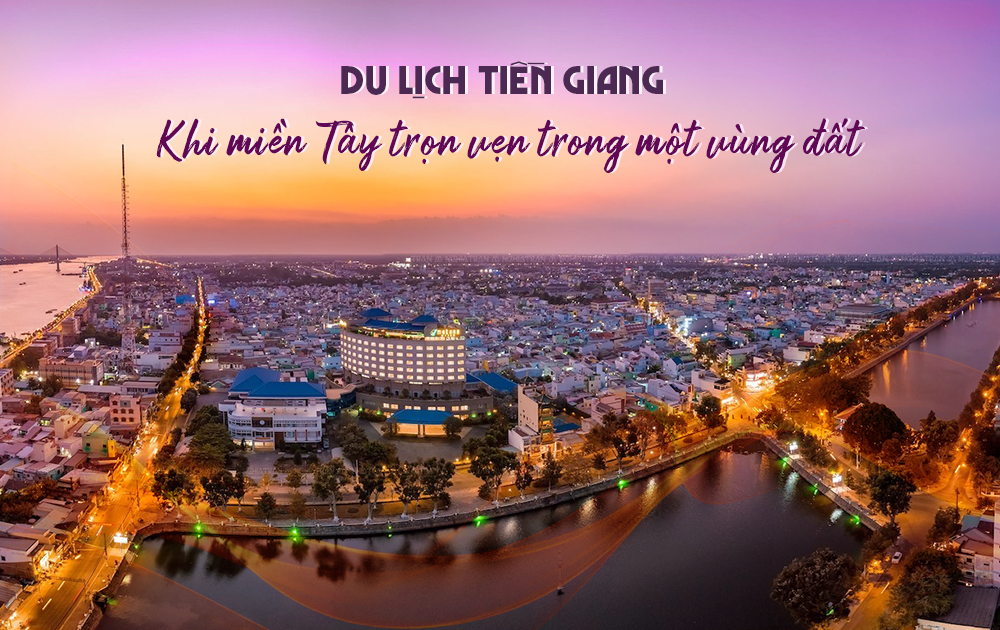
Tien Giang Tourism: Discover the complete Mekong Delta in one region.
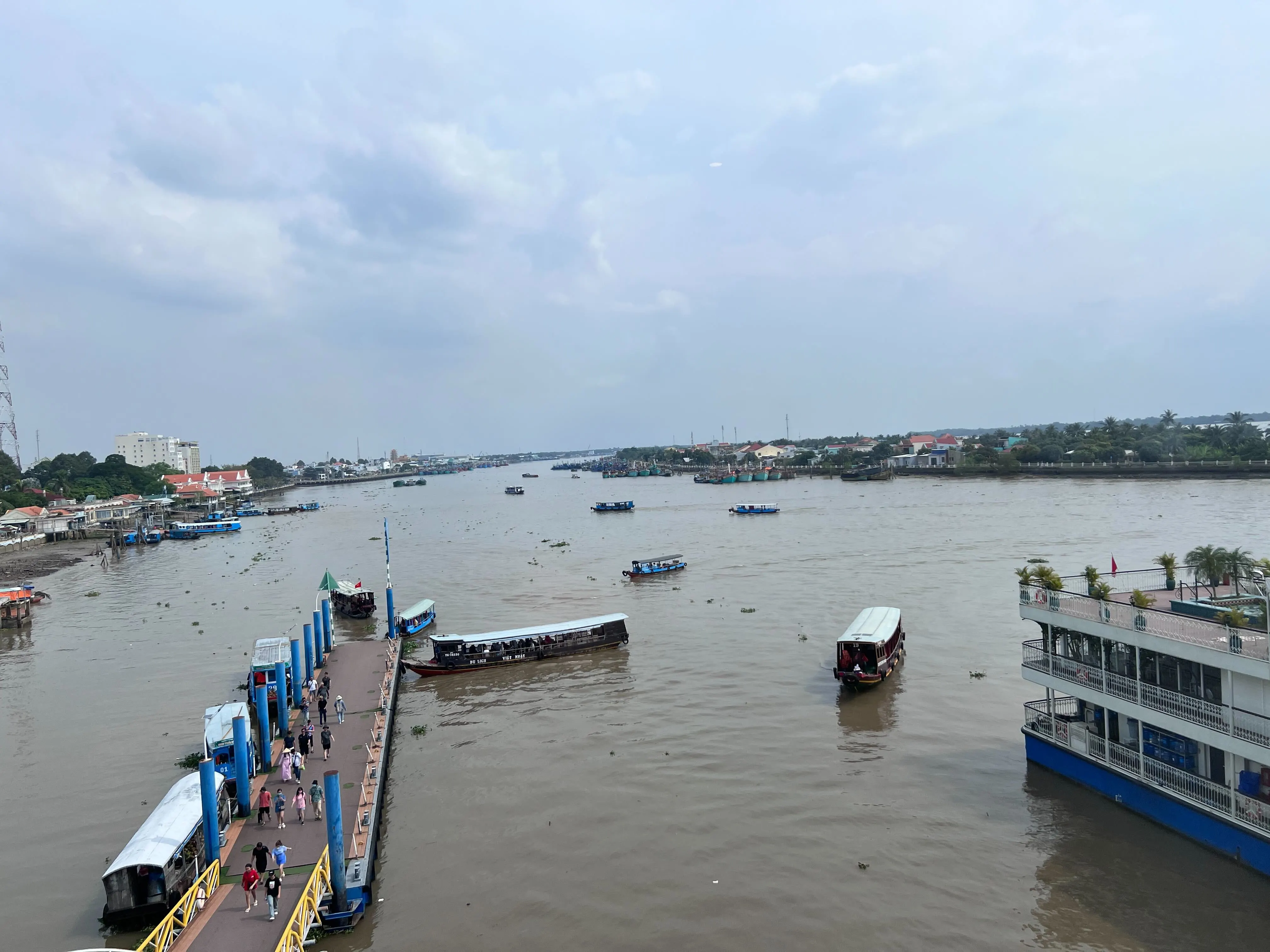
Nestled along the tranquil Tien River, Tien Giang is a fertile land blessed by nature with rich alluvial soil, abundant orchards, and a vibrant, authentic Mekong Delta lifestyle. More than just a peaceful countryside, it’s also a dynamic economic and cultural gateway to the Mekong Delta. Every journey through Tien Giang offers a simple, genuine experience steeped in the spirit of the river and its people.
Location and natural characteristics of Tien Giang
Tien Giang is located at the gateway to the Mekong Delta, directly bordering Ho Chi Minh City, Long An, Ben Tre, Dong Thap, and the East Sea. It is one of the provinces with a particularly advantageous geographical location, facilitating both trade and serving as a “bridge” between the southern economic center and the provinces of the Mekong Delta.
The Tien River divides the land, creating a complex network of canals and waterways that continuously deposit alluvial soil, enriching the fertile agricultural areas. In particular, with over 30km of coastline stretching along Go Cong Dong district, Tien Giang also possesses abundant aquatic resources and significant potential for developing a marine economy.
The province’s terrain is relatively flat, with an average elevation of only 0.6 to 1.2 meters above sea level, making it very suitable for agricultural production. The climate here is characterized by a tropical monsoon, with two distinct seasons: the rainy season and the dry season, but generally mild and stable. Each year, Tien Giang receives a large amount of rainfall and plenty of sunshine, which is very suitable for growing fruit trees, rice, and aquaculture.
This harmonious blend of river, land, and climate has created a fertile region where people have been involved in agriculture for generations. This also gives Tien Giang tourism an added advantage, as visitors can not only admire the scenery but also participate in the local agricultural life.
Life and people in the fertile land
If the Tien River carries alluvial soil that nourishes the fertile land, then it is the people of Tien Giang who are the “keepers of the soul” that makes this land even more vibrant and sustainable. Life here revolves around the rainy season, the fruit season, and the festival season, all creating a rhythm of life in harmony with nature, unhurried but full of vitality.
The people of Tien Giang are renowned for their simplicity, kindness, and diligence. They are accustomed to a way of life rooted in the land and close to the river. From early morning, the rural markets are bustling with buying and selling – mostly home-grown agricultural products and fish and shrimp caught by themselves. In the afternoons, one can easily find adults leisurely sitting at small tea stalls, and children playing on the riverside fields, a scene of peaceful and rustic charm.
Whether living in rural or suburban areas, communities in Tien Giang still preserve traditional values. The spirit of community is always present, evident in family anniversaries, house-building activities, or simply the habit of sharing vegetables and fish. Without being overly ostentatious, this warmth creates a distinctive cultural characteristic of this riverine region. This is precisely why many people seek out Tien Giang as a relaxing vacation destination.
In particular, people in Tien Giang have a strong spirit of innovation. Many young people, after studying in the city, have returned to their hometowns to start businesses in high-tech agriculture, ecotourism, or develop OCOP products from local specialties. This is a positive sign showing that the region is not only rich in resources but also abundant in human resources.
The culture and cuisine are distinctly Western Vietnam.
Tien Giang, like many other provinces in the Mekong Delta, is a place where culture is closely intertwined with life on the river – from customs and daily activities to culinary styles and folk festivals. Here, many cultures intersect: Kinh, Chinese, Khmer… creating a diverse yet harmonious tapestry of life.
Traditional festivals are a distinctive feature of the spiritual life of the people of Tien Giang. Prominent among them are the Via Ba Chua Xu Festival, the Nghinh Ong Festival, and the various temple and shrine ceremonies scattered throughout the villages. These festivals are not only spiritual occasions but also opportunities for people to gather, connect with the community, and enjoy themselves, singing, performing traditional plays, and listening to traditional folk music – an art form deeply ingrained in the lives of people in the Mekong Delta.
It would be a great oversight to mention Tien Giang without mentioning its cuisine. This fertile land is famous for its delicious fruits: Cai Lay durian, Lo Ren Vinh Kim star apple, Hoa Loc mango, Tan Phuoc jackfruit… which are not only consumed domestically but also exported to many countries.
Besides that, Tien Giang tourism also captivates visitors with its unforgettable, rustic yet flavorful dishes: fragrant My Tho noodle soup with sweet bone broth, grilled snakehead fish, banh va (a type of rice cake), grilled sticky rice with banana, or dishes prepared right on the boats at the floating markets. Each dish is not only a flavor but also a part of the culture, carrying the lifestyle, habits, and creativity of the local people in utilizing local produce.
Tien Giang cuisine is unpretentious and simple, but it is precisely this simplicity that makes it memorable, as it is connected to the rural landscape, and the sincerity and hospitality that are characteristic of the Mekong Delta region.
Must-see tourist attractions in Tien Giang
Besides its abundant natural beauty and authentic rural lifestyle, Tien Giang also boasts many attractive destinations that anyone visiting should stop by at least once.
Cai Be Floating Market is one of the distinctive riverine cultural symbols of this region. Although no longer as bustling as it once was, the floating market still retains its characteristic way of life with buying and selling on boats and ships, local specialties, and the familiar calls of vendors every early morning. It’s also an ideal place for tourists to experience the authentic rhythm of life in the Mekong Delta, a unique experience on any trip to Tien Giang.
If you love the countryside, you can visit Tan Phong islet, located in the middle of the Tien River, where there are lush, green fruit orchards all year round. Experiencing a ride in a traditional sampan boat, enjoying fresh fruit, listening to folk music, and having a meal in a rustic setting will all provide an unforgettable sense of relaxation.
Tien Giang also boasts notable spiritual destinations such as Vinh Trang Pagoda – an ancient temple with a blend of Asian and European architecture, considered one of the most beautiful temples in the Mekong Delta. Or the Royal Mausoleum, a place of worship for the Nguyen dynasty kings and the famous general Truong Dinh – an important historical landmark associated with the Go Cong region.
For those interested in history and architecture, the Hai District Governor’s House or the Nguyen Thanh Hoa Schoolhouse will be interesting stops, helping to understand more about the culture and society of the Southwestern region of Vietnam in the past.
Each destination in Tien Giang is not simply a landmark, but also a place that tells stories – about the people, history, and unique rhythm of life in a land that is “sweet” in both the literal and figurative sense. All of this contributes to the unique appeal of Tien Giang tourism on the map of the Mekong Delta.
A dynamic and promising region.
No longer just a tranquil countryside, Tien Giang today is rapidly developing into an attractive tourist destination, drawing investors, visitors, and those wishing to explore the rich culture of the Mekong Delta.
Located in the Southern key economic region, with convenient transportation connections such as National Highway 1A, the Trung Luong – My Thuan Expressway, and its proximity to Ho Chi Minh City, Tien Giang is undergoing significant transformation. Industrial zones and clusters are being systematically planned; high-tech agriculture and ecotourism are being promoted; and urban infrastructure in My Tho and Go Cong is increasingly thriving.
With its advantages of rivers, fertile land, and abundant human resources, Tien Giang is a promising land for high-value agriculture, processing industries, logistics, and experiential tourism in the Mekong Delta. Simultaneously, preserving its local cultural identity creates a unique competitive advantage not found everywhere.
Today, tourism in Tien Giang is not only a journey back to nature and childhood memories, but also an opportunity to find inspiration and witness the positive changes of a Mekong Delta region that is transforming day by day – while still retaining its inherent sincerity and generosity.
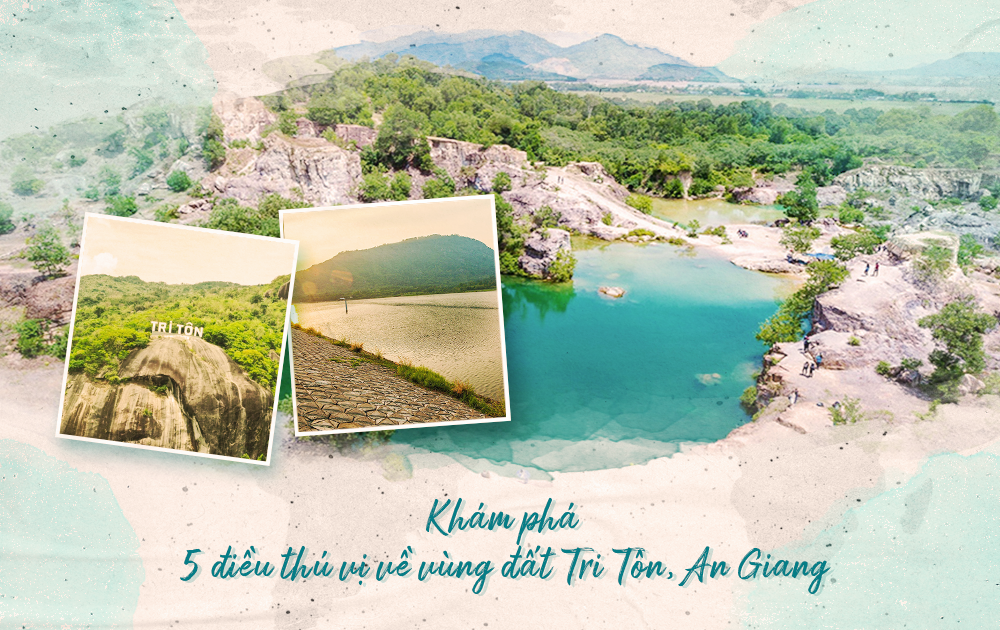
Discover 5 interesting facts about Tri Ton, An Giang province.
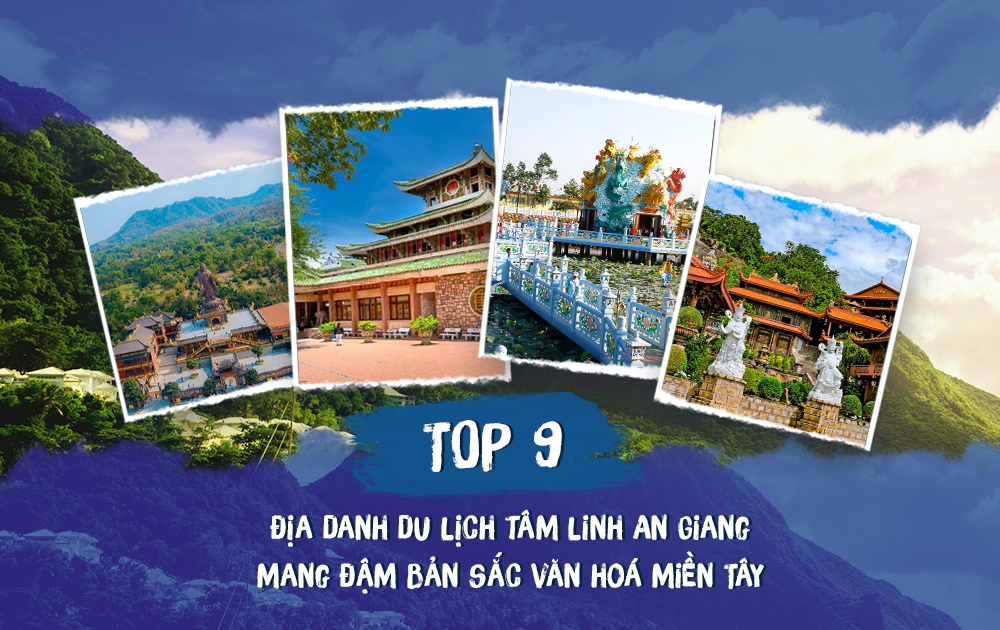
Top 9 Spiritual Tourism Destinations in An Giang Rich in Mekong Delta Cultural Identity
Can Tho ranks among the cities with the most beautiful canals in the world.
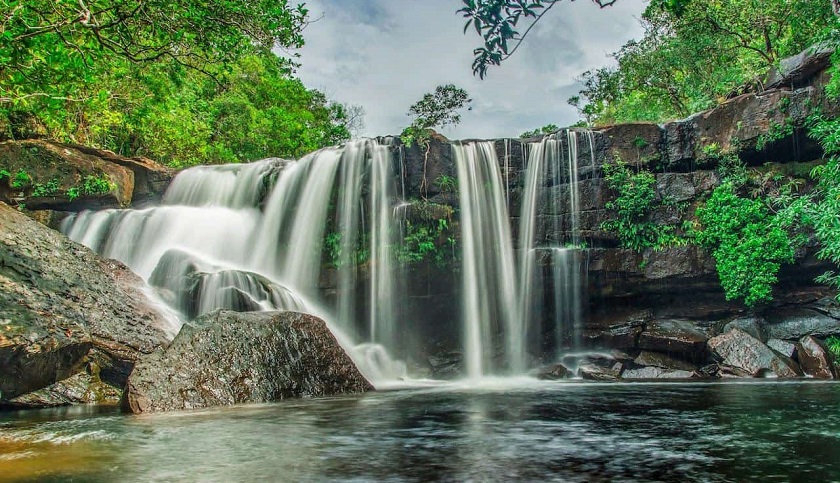
Visiting Tranh Stream in Phu Quoc
Soc Trang Travel Guide
Visiting Ta Pa Hill in Tri Ton
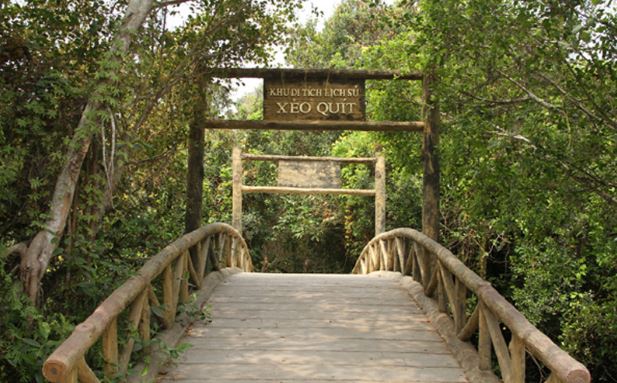
Xeo Quyt Tourist Area, Dong Thap
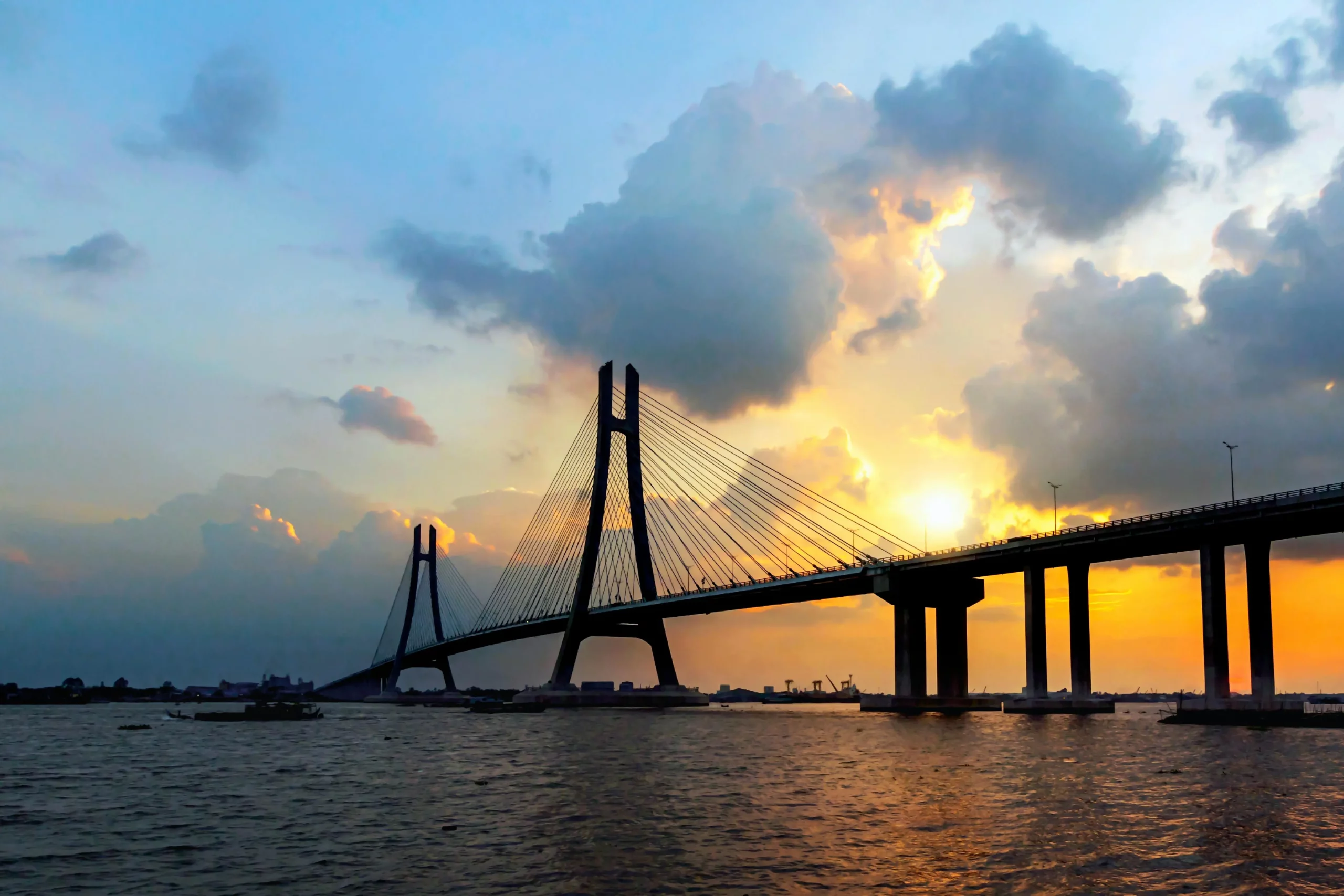
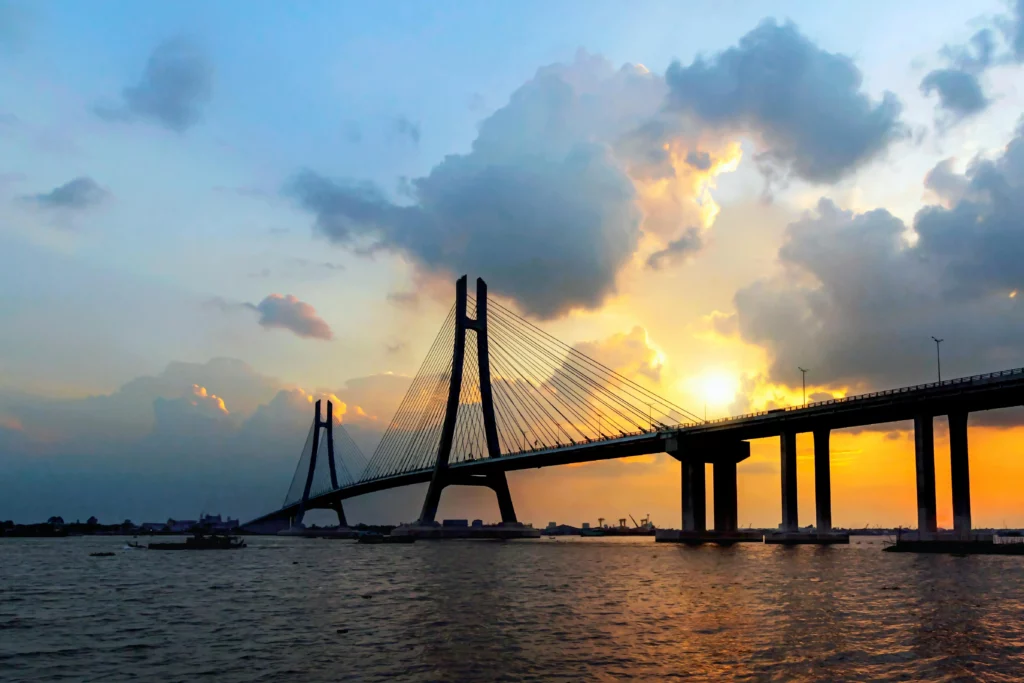
Familiar bridges around Vinh Long City
Traditional Craft Villages
Traditional craft villages in An Giang – Preserving the soul of the countryside through conical hats in Hoi An commune, Cho Moi district.
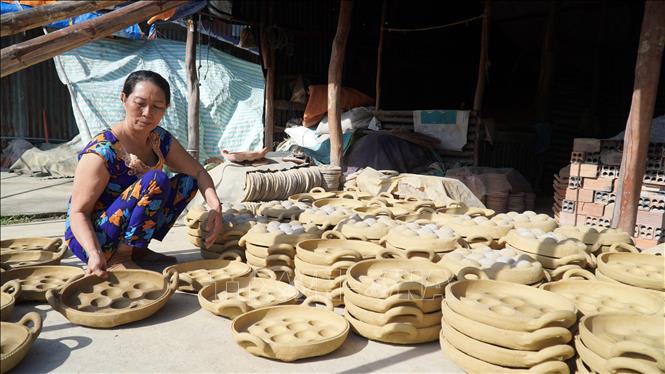
The traditional pottery-making village of Hon Dat district, Kien Giang province.
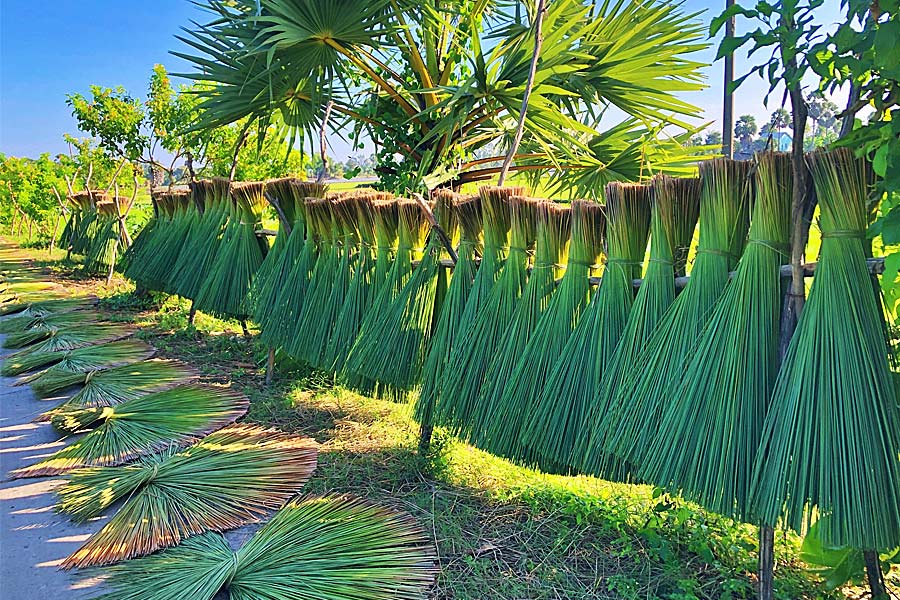
Phu My sedge weaving village
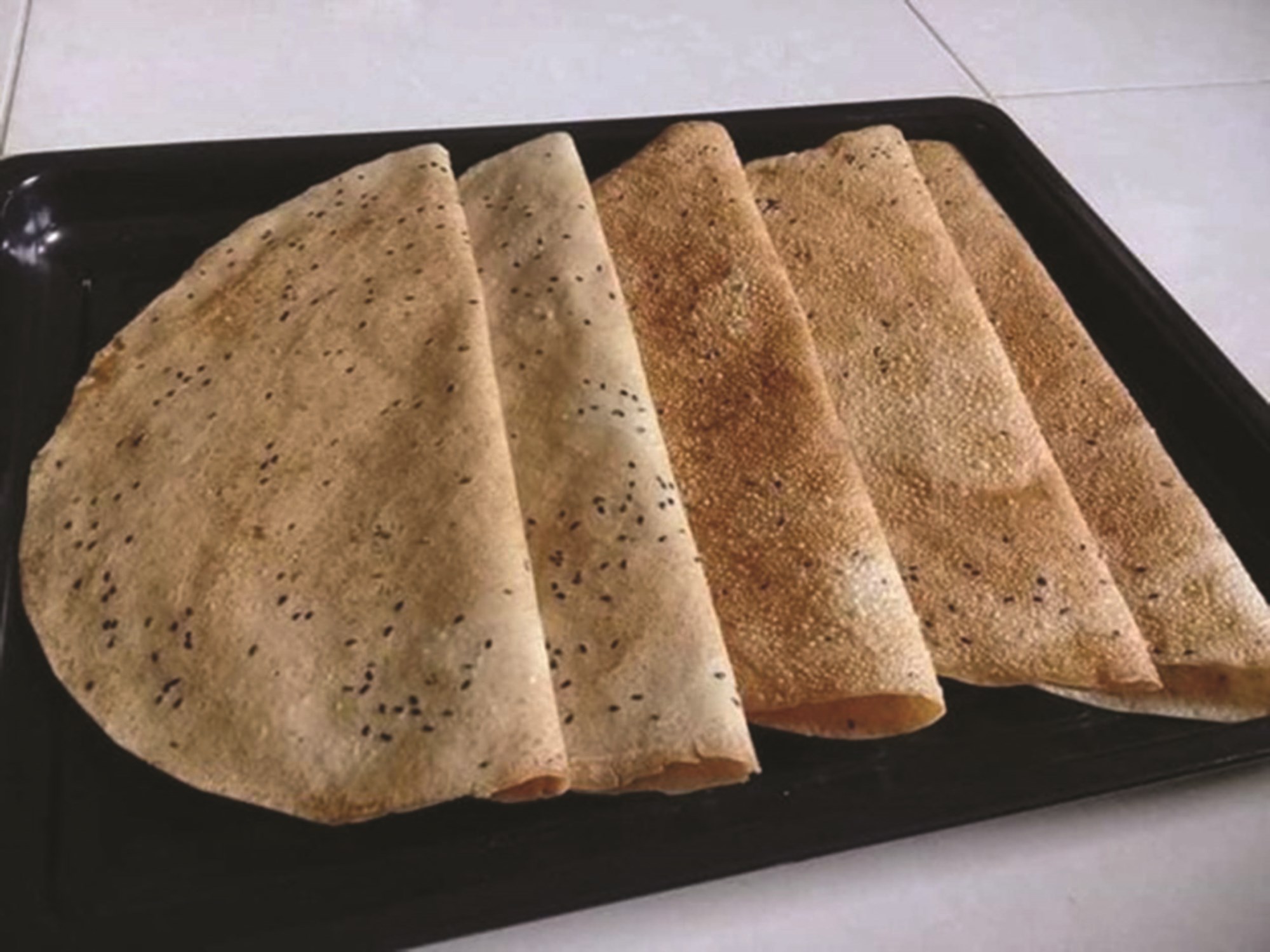
My Long rice paper making village, Son Doc puffed rice cake making village.
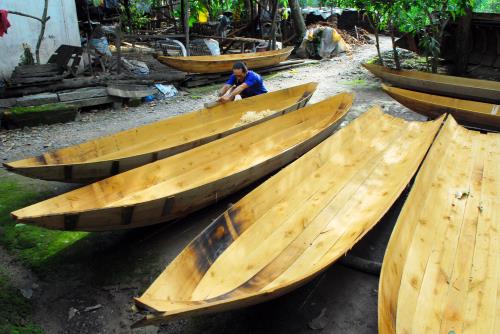
Ba Dai boat-building village, Dong Thap
Traditional craft villages in An Giang – Preserving the soul of the countryside through conical hats in Hoi An commune, Cho Moi district.
The traditional pottery-making village of Hon Dat district, Kien Giang province.
Phu My sedge weaving village
My Long rice paper making village, Son Doc puffed rice cake making village.
Ba Dai boat-building village, Dong Thap
Cuisine
Coconut leaf cake – a childhood memory transformed into a specialty.
[vanhoamientay.com] Coconut leaf cake – a piece of sticky rice, rich and fragrant with coconut milk, nestled in a coconut leaf rolled up like a spring – has become deeply ingrained in the childhood memories of children in the Southwestern region of Vietnam. Over the years, this childhood treat has become a regional specialty.
“Please buy some coconut leaf cakes.” This cake is made with really delicious seasonal sticky rice. He bought them to treat his relatives. “Your hot, freshly baked cakes are sweeter and tastier than sugar.”
Coconut leaf, the leaf that encapsulates childhood memories.
The names of the cakes in my hometown in the Mekong Delta are very easy to remember; whatever characteristic the cake has or what ingredients it’s made from, that’s what gives it its name, like banana cake or coconut leaf cake. Inside the coconut leaf, rolled up like a spring, is a piece of fragrant sticky rice along with rich, sweet coconut milk. The ingredients for this cake are not too complicated, including sticky rice, mung beans, grated coconut, and bananas for the filling.
It’s unclear when exactly, but along with bánh tét, bánh ít, and bánh ú , bánh lá dừa has become a signature cake embodying the flavors of this fertile alluvial land. Not overly elaborate, bánh lá dừa satisfies diners with its wonderful blend of ingredients.
Coconut leaf cakes are found in most provinces of the Mekong Delta, but to be considered the capital of this cake with its coconut leaf crust, Ben Tre must be called the land of coconuts. When you have the chance to visit the Mekong Delta, you will have the opportunity to enjoy coconut leaf cakes that combine the nutty flavor of beans, the sweetness of bananas, and a subtle aroma of coconut leaves, all blended with the richness of coconut milk and sticky rice, creating an unforgettable experience.
As the name suggests, this type of cake is wrapped in young coconut leaves, or young shoots of water coconut that haven’t yet fully developed into fronds. The coconut leaves chosen must be slightly young and soft for the cake to be fragrant and have a beautiful color. Besides choosing the leaves, selecting the glutinous rice is also extremely important; the chosen type is sticky rice with plump, round grains, which are washed thoroughly and soaked overnight to absorb water.
Mung beans are soaked until the husks loosen, then rinsed clean. Dried coconut, not too old, is grated to extract the flesh, which is then squeezed to make a thick, fragrant, and creamy coconut milk. This milk is then mixed with glutinous rice and stirred briefly to allow the flavors to infuse. Many people also add a little black bean to the glutinous rice to enhance the aroma of the cake.
Depending on personal preference, there are many different fillings such as coconut or banana. Typically, people use mashed coconut mixed with mung beans, cooked until tender, then add scallions and a little salt for flavor, and roll into balls to use as filling. Or, more simply, people use bananas cut in half and marinated with a little sugar as a filling, which is also very delicious.
When wrapping the rice cakes, don’t wrap them too tightly, otherwise they won’t cook evenly. If you wrap them too loosely, they’ll absorb too much water, become soggy, and taste unpleasant. Before placing them in the pot, the rice cakes are tied tightly together in bunches.
Each cake is nearly a handspan long and about the size of a cucumber. The banana-flavored cakes are tied with green string, while the bean-filled ones are tied with yellow string for easy identification. People often add a layer of coconut leaves to the bottom of the pot when boiling to prevent the cakes from burning and to infuse the sticky rice with the fragrant aroma of fresh coconut leaves.
Coconut leaf cakes can be served hot or cold, depending on personal preference. When eaten, the cake has a slightly salty taste from the salt, the richness of the coconut, the chewiness of the glutinous rice, the nuttiness of the beans, combined with the unique flavors of each filling and the fragrant aroma of glutinous rice. All these elements blend together, allowing the eater to experience the elegant and rustic taste of the cake.
After cooking, the coconut leaf cakes are removed from the pot and hung to drain. Because they are tightly wrapped, they can be stored for 2-3 days without spoiling. With a relatively low price of only about 5,000 VND per cake, coconut leaf cakes from the Mekong Delta in general and Ben Tre in particular have become a popular, affordable, and delicious local delicacy. When you eat them, you’ll experience the rich, creamy taste of coconut, the fragrant aroma of sticky rice, and the nutty flavor of beans, combined with various fillings to create an unforgettable dish.
Besides being sold commercially, coconut leaf cakes are also made at home. Whenever they craved them, children would follow their parents to cut coconut leaves to make the cake wrappers, then soak the sticky rice and beans, prepare a large pot, put it on the stove, and wait patiently. From these beautiful childhood memories, coconut leaf cakes have become a food of nostalgia for many people from the Mekong Delta.
Wrapping coconut leaf cakes is a simple task, yet it requires skill. Young coconut leaves, after being washed, are gently heated over a fire to soften them, then folded into small funnel or triangle shapes that fit comfortably in the hand.
The person wrapping the cake carefully scoops the batter into the center of the leaf, ensuring there’s just enough so the cake doesn’t overflow during steaming. Then, the edges of the leaf are neatly folded and pressed tightly to keep the cake sealed and looking nice.
The children huddled around the stove, some adding firewood, others fanning the flames, their eyes constantly fixed on the bubbling pot of rice cakes. Occasionally, giggles would erupt as one of them eagerly asked if the cakes were ready yet.
The moment spent tending the fire while waiting for the bread to bake was not just about waiting for a batch of fragrant bread, but also about waiting for the simple, innocent joy of childhood by the hearth in the countryside.
This cake originated in the rustic countryside, where coconuts grow abundantly and are closely intertwined with the lives of the people. Using readily available rice flour and fresh coconut, the villagers created this simple cake for everyday consumption, at local markets, or during family gatherings. It’s unclear exactly when coconut leaf cake first appeared, but it’s known that over generations, this cake has become a familiar part of folk cuisine, carrying the flavors of the countryside and the imprint of simple life.
Childhood memories of the 80s and 90s generations
For us, the children of the 80s and 90s generations, the image of our grandmother or mother sitting by the stove, her hands nimbly wrapping dumplings, is probably still vividly imprinted in our memories. The children sat around the fire fan. The rich, creamy aroma of coconut milk blended with the scent of coconut leaves as the cake baked filled the house, creating a cozy feeling that I only remembered fondly when I grew up.
The gentle sweetness of bananas, the light creaminess of coconut… simple, unpretentious, yet enough to make childhood memories complete.
Growing up, we went through many changes. Modern cakes and pastries are becoming increasingly diverse, visually appealing, and elaborate. However, amidst countless new and exotic flavors, coconut leaf cake still holds a very special place in our memories. It’s not just a dish; it’s a symbol of a slower pace of life, of family bonds, of days of scarcity but filled with love.
Perhaps that’s why, whenever one comes across coconut leaf cakes somewhere, on a small roadside stall – their heart suddenly feels calm. It’s just a simple cake, but it’s enough to transport us back to childhood, to carefree days, where happiness was sometimes just a warm, steaming coconut leaf cake in our hands.
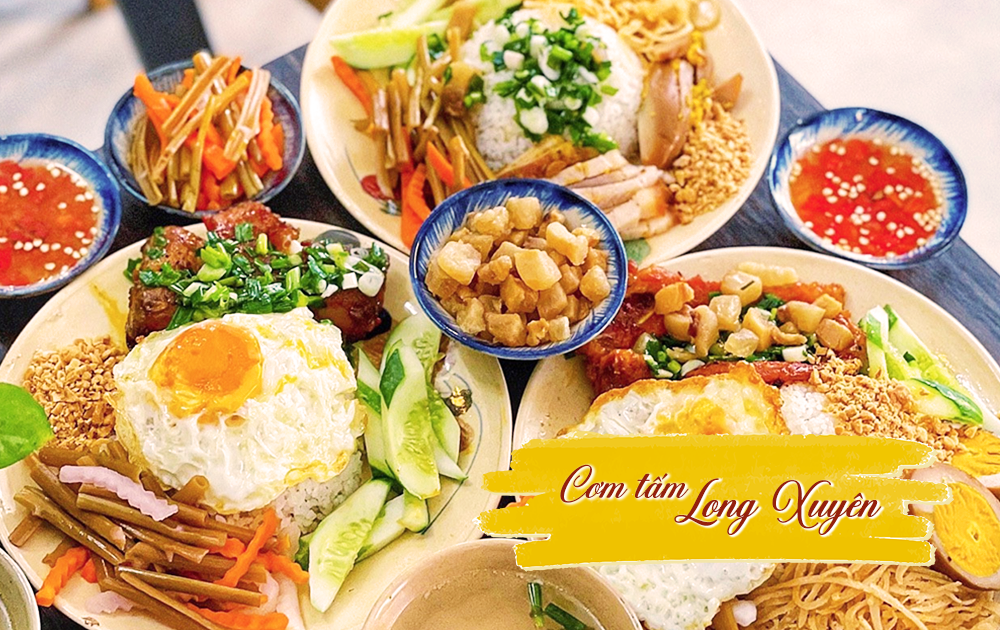
Long Xuyen broken rice: A familiar yet unique dish of An Giang cuisine.
Long Xuyen broken rice is one of the culinary highlights of An Giang, familiar to the people of the Mekong Delta yet intriguing to tourists for its meticulous attention to detail. More than just fragrant broken rice grains, this dish carries the story of rural life in the Mekong Delta across generations. This article will help you explore Long Xuyen broken rice, from its history and the meaning of its name to its preparation and interesting lesser-known details.
The Origins of Long Xuyen Broken Rice
The origins of Long Xuyen broken rice (Source: Internet)
Long Xuyen broken rice was born from the simple life of the riverine people of the Mekong Delta. In the early 20th century, as rice cultivation flourished in An Giang, farmers utilized broken rice grains (grains that were no longer whole) to cook their meals. Initially, broken rice was just a rustic, quick meal for manual laborers like masons, brick kiln workers, or poor families. Later, Long Xuyen broken rice became a familiar favorite and an indispensable part of Western Vietnamese cuisine.
Long Xuyen broken rice is not merely rice and a few side dishes. Every grain of rice, every strip of shredded meat, or braised duck egg (khìa) is meticulously prepared to satisfy hunger while offering a rich, harmonious flavor. Over time, this simple laborer’s meal has woven itself into the daily lives of many families and become a signature culinary symbol of Long Xuyen—both strange and familiar to anyone who has ever tasted it.
An interesting point is that Long Xuyen broken rice not only preserves traditional cooking methods but also reflects the daily culture, ingenuity, and creative spirit of the Mekong Delta people. By making the most of available ingredients, they transform the simplest things into a dish full of flavor and story.
Meaning of the Name and the Story Behind the Dish
Finely broken rice grains (Source: Internet)
The name “cơm tấm” originates from the main ingredient, “tấm”—the rice grains that are broken during the milling process, which were once considered “surplus” in rural life. With a resourceful and creative lifestyle, the people of the Mekong Delta did not let these grains go to waste but transformed them into a meal that is filling, delicious, and nutritious. This simple name not only recalls its roots but also embodies the spirit of “resourcefulness and creativity” of the people of Long Xuyen.
Furthermore, Long Xuyen broken rice carries the story of the life and people of the Mekong Delta. Every plate of rice, from the arrangement of shredded pork ribs and braised eggs (khìa) to the pickles and scallion oil, bears the mark of care and skillful hands. Some eateries have passed down their broken rice recipes through many generations, keeping the original formulas from their grandparents as a way of preserving the culture and memories of the river region. It is this combination of simple ingredients and sophisticated preparation that makes Long Xuyen broken rice a “strange yet familiar” dish: familiar in daily life, yet offering a distinct, unmistakable flavor every time it is enjoyed.
Ingredients, Preparation, and the Reason for Shredded Toppings
Long Xuyen broken rice makes its own mark through sophistication in every detail. Unlike Saigon broken rice, this dish is prepared in a distinctive way: ribs, steamed egg meatloaf, and braised eggs (khìa)—even fatty meat—are thinly sliced or shredded into bite-sized pieces. This method not only allows the spices to absorb evenly but also provides a softer, easier-to-enjoy texture.
Each plate of rice is a synthesis of many small but perfect components: finely broken rice grains, tender shredded meat, chewy and crispy pork skin, fragrant scallion oil, and crunchy, delicious pickles. All blend together to create a rich flavor that is not greasy, making diners always feel “lighter” compared to broken rice from other regions.
This is the culinary philosophy of Long Xuyen: even with a rustic dish, meticulous care is needed to honor every sense of the diner.
Shredded braised meat (Source: Internet)
Every Long Xuyen broken rice shop keeps its own secret in marinating ribs, mixing fish sauce, and grilling meatloaf, creating subtle variations on a traditional foundation. This meticulousness in every stage is what makes Long Xuyen broken rice both familiar and surprising—no matter how many times they enjoy it, diners always find something new in a flavor they already know by heart.
Braised eggs – Trứng khìa (Source: Internet)
The Difference Between Long Xuyen Broken Rice and Other Provinces
While Southern broken rice is popular, each region has its own identity. Long Xuyen creates an unmistakable impression thanks to the perfect balance between ingredients, spices, and preparation techniques.
Unlike Saigon broken rice, which leans towards a strong sweet taste, Long Xuyen pursues harmony: moderately grilled ribs, soft shredded braised meat, balanced sweet and salty fish sauce, and fragrant scallion oil. The crisp, fresh pickles ensure the dish remains light even after eating plenty.
The most unique point of Long Xuyen lies in the art of “shredding” – every component is meticulously processed so that the spices penetrate evenly and create a sophisticated sensation on the palate. The simple yet thoughtful presentation carries a homely feel, making Long Xuyen broken rice both approachable and elegant.
Tips for Experiencing Long Xuyen Broken Rice in Saigon
Long Xuyen broken rice in Saigon (Source: Internet)
Although the dish originates from An Giang, you can still enjoy Long Xuyen broken rice right in Saigon. Many eateries and restaurants in the city serve a version that is nearly identical to the original, maintaining the way the ribs are grilled, the toppings are shredded, and the signature rich fish sauce is mixed.
You can still find Long Xuyen broken rice in areas with a high concentration of the Mekong Delta community. Specifically, in District 5, District 6, Tan Phu District, and Binh Tan District—where many traditional family-run eateries still preserve the Western Vietnamese flavor. Some culinary spots around Ben Thanh Market in District 1 also serve this dish, making it convenient for tourists who want to taste Long Xuyen right in the heart of the city. Although not directly in Long Xuyen, the way the ribs are grilled, the toppings are shredded, and the fish sauce is prepared remains true to the spirit of the dish, helping you fully experience the signature flavor of An Giang.
Sour fish soup with wild jasmine flowers – A delicious dish from the garden.
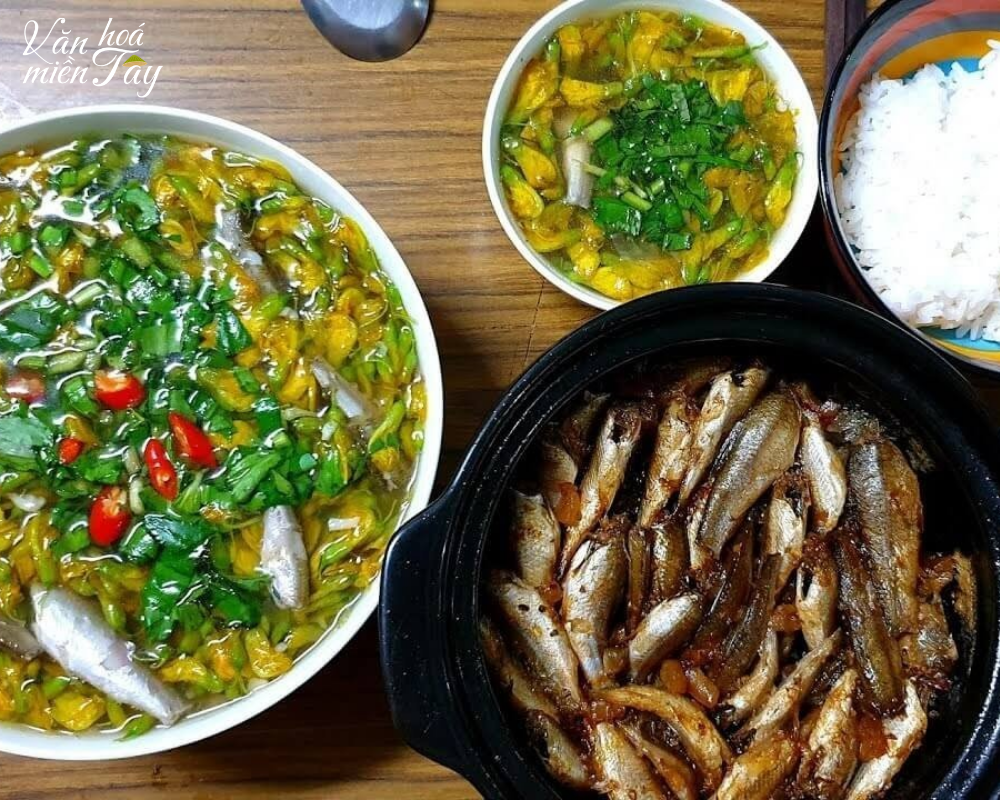
Linh fish sour soup with sesbania flowers is a rustic dish that carries the bold flavors of the Mekong Delta river region. The light acidity from tamarind, the sweetness from fresh linh fish, and the distinctive aroma of sesbania flowers create an incredibly attractive soup.
Ingredients:
500g linh fish (small mud carp)
200g sesbania flowers (bông điên điển)
200g water lily stems (or agathi flowers)
100g young tamarind
50g garlic
Culantro (sawtooth herb), rice paddy herb, chili
Seasonings: Fish sauce, sugar, salt, MSG
Linh Fish Sour Soup – A Specialty of the Flooded Season
Linh fish sour soup with sesbania flowers is a rustic, flavorful dish of the Mekong Delta that typically appears during the flooded season. Fat and tender young linh fish cooked with bright yellow sesbania flowers create a light sourness, natural sweetness, and a very distinct aroma of the river countryside.
A hot bowl of this soup is not only delicious but also evokes the image of a gentle, simple Mekong Delta, where people live in harmony with nature.
When the flooded season arrives, water from upstream overflows the fields, and linh fish follow the currents back. Locals often catch linh fish by casting nets, setting traps, or using scoops along the banks of fields and rivers where the water flows gently.
Young linh fish swim in schools, so with a bit of luck, one can catch a fresh batch. The process of catching them is quiet, gently following the water, yet it contains the pure and simple lifestyle of the river people.
Sesbania flowers grow along the edges of fields and canals in small bright yellow clusters with fragile petals. They usually bloom from approximately the 8th to the 11th month of the lunar calendar. Sesbania flowers have a slightly sweet, nutty taste, and whether cooked in soup or served with braised fermented fish, they retain their very unique fragrance.
By a strange stroke of fate, the dish is created from the very specialties of the high-water season. Without being elaborate or stylish, combining a few available ingredients like culantro and tamarind pods, the dish was born as naturally as the rhythm of life in the Mekong Delta, becoming a nostalgic flavor every time the floodwaters return.
How to cook Linh Fish Sour Soup:
Preparation:
Wash the linh fish thoroughly and let them drain.
Pick the sesbania flowers and wash them clean.
Peel the water lily stems and cut them into segments.
Mash the young tamarind in hot water and strain to get the juice.
Finely mince the garlic.
Wash and finely chop the rice paddy herb and culantro.
Slice the chili.
Cooking steps:
Sauté the minced garlic with 1 tablespoon of cooking oil until fragrant.
Add the linh fish and stir-fry until the meat firms up.
Add the tamarind juice to the pot, then season with 1 tablespoon of fish sauce, 1 teaspoon of salt, and 1 teaspoon of sugar.
Bring the soup to a boil, then add the water lily stems and cook for about 5 minutes.
Add the sesbania flowers and cook for another 2 minutes.
Adjust the seasoning to your taste.
Add the rice paddy herb, culantro, and sliced chili to the pot.
Turn off the heat and enjoy.
Tips for cooking linh fish sour soup:
Choose fresh, live linh fish to make the soup taste better.
You can replace water lily stems with shredded water spinach.
Season the soup to fit your personal palate.
Benefits of linh fish sour soup:
Linh fish sour soup with sesbania flowers is a nutritious dish, providing many vitamins and minerals for the body.
This soup has a cooling and refreshing effect, which helps stimulate digestion.
Sesbania flowers usually bloom from August to November when the floodwaters arrive.
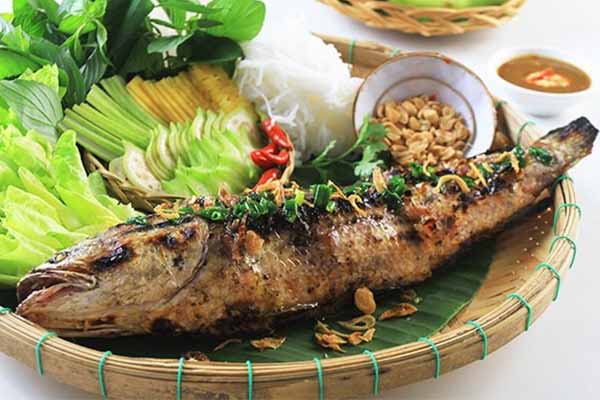
Grilled snakehead fish – a delicious dish from the countryside.
From a rustic dish, grilled snakehead fish has become a specialty dish that people in Southern Vietnam use to entertain guests from afar or during holidays and festivals. Snakehead fish is best at the beginning of the rainy season, when its belly is full of roe; or in January when the fish are mature and fat.
The best time to eat snakehead fish is at the beginning of the rainy season, when its belly is full of roe.
Snakehead fish is a delicious and mild-tasting fish, with few bones and high protein content compared to other freshwater fish. There are two types of snakehead fish: farmed snakehead fish are usually larger, weighing 1-2 kg; however, wild snakehead fish are the most preferred because they are caught naturally in rice paddies and fields, have sweet flesh, and are smaller, weighing from a few hundred grams to half a kilogram.
Grilled snakehead fish originated from the farming days of Southern Vietnamese farmers. After damming the canals and draining the ponds, the fish caught only needed to be washed, grilled over straw until cooked, and then enjoyed together right in the breezy fields.
From that simple dish, grilled snakehead fish quickly became a specialty that tourists visiting Southern Vietnam all want to try at least once. For this dish to be delicious, the snakehead fish must be from a wild environment. Because those fish, although not having much meat, are firm, sweet, and fragrant, not mushy and fishy like farmed snakehead fish.
However, nowadays, wild snakehead fish are very scarce, so people often use farmed fish to prepare this dish. In addition, the traditional method of grilling over straw is less common lately, with grilling over charcoal being more prevalent. Therefore, this has somewhat diminished the delicious flavor of a dish that has been immortalized in poetry and is associated with the childhood memories of many people.
How to prepare grilled snakehead fish
Preparing grilled snakehead fish is not difficult, but it does require skill and experience from the cook.
The fish must be alive and thoroughly cleaned. A fresh bamboo stick is threaded through the fish’s body, and the fish is then stuck headfirst into the ground. Using fresh bamboo prevents it from burning during grilling. Straw is piled up and covered, especially the head, as this is the hardest part to cook through. The griller must carefully monitor the amount of straw so that the fish is perfectly cooked when it has just burned out. If there isn’t enough fire, the fish will be undercooked; conversely, if there is too much, it will be dry and lose its moisture, making it unappetizing.
The grilled fish is arranged on banana leaves, with the burnt scales scraped off to reveal the golden-brown, fragrant, and incredibly appetizing cooked skin.
How to prepare grilled snakehead fish
Vegetables served with grilled snakehead fish.
This dish should be enjoyed with a basket of fresh, crisp raw vegetables. Besides familiar vegetables like lettuce, basil, and mint, depending on the region or season, other vegetables such as toad leaf, fig leaf, wormwood leaf, cinnamon leaf, betel leaf, water hyacinth flower, and water lily flower may be added.
In addition, there are other ingredients such as cucumber, unripe banana, sour starfruit, bean sprouts, fresh rice noodles, rice paper… along with a bowl of sweet and sour fish sauce or a bowl of rich, flavorful fermented fish sauce. And of course, a little bit of rice vermicelli with scallion oil or fresh rice noodles is indispensable.
A thin rice paper sheet is spread on the bottom, topped with vegetables, rice noodles, and a piece of tender white fish – enough to entice you. Depending on your preference, you can choose a sweet and sour dipping sauce or fermented fish sauce.
Vegetables served with grilled snakehead fish.
The rich, slightly spicy flavor of the dipping sauce, the refreshing, aromatic taste of the vegetables, and the tender, sweet-tasting cooked fish meat… all blend together to create an intoxicating sensation for the diner. As a famous dish, grilled snakehead fish is widely sold in the southern provinces of Vietnam. If you ever visit, don’t forget to seek out and enjoy this delicious and rustic dish.
Snakehead fish are at their best at the beginning of the rainy season, when their bellies are full of roe; or in January when the fish are mature and fat. Therefore, they taste absolutely delicious whether grilled over charcoal, straw fire, or any other method.
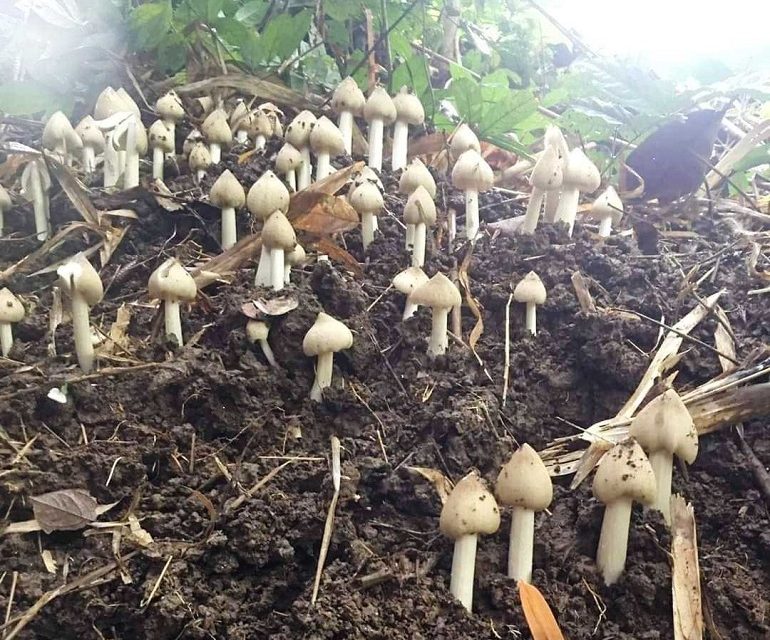
A delicious and unique dish made from termite mushrooms.
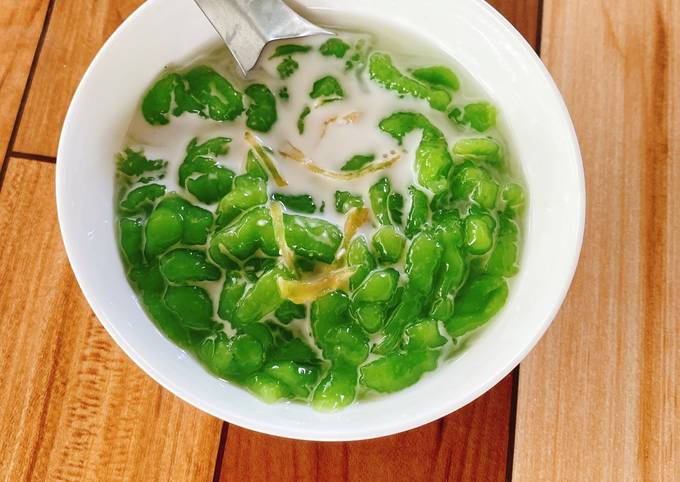
Can Tho-style coconut milk rice noodle dessert
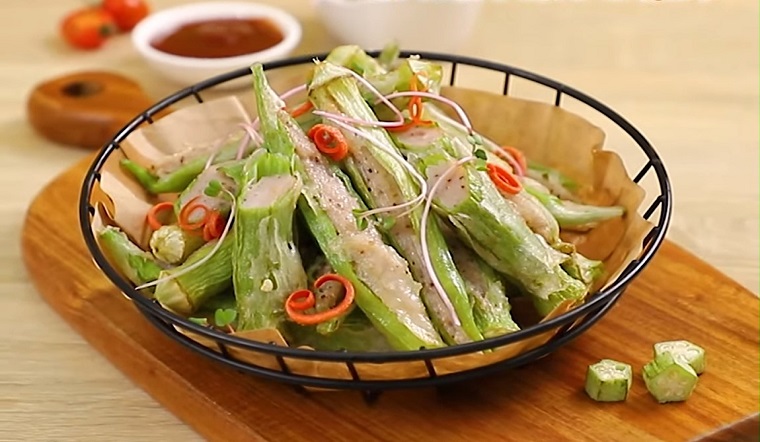
How to make grilled okra stuffed with snakehead fish.
Rich and flavorful fish noodle soup from Kien Giang.
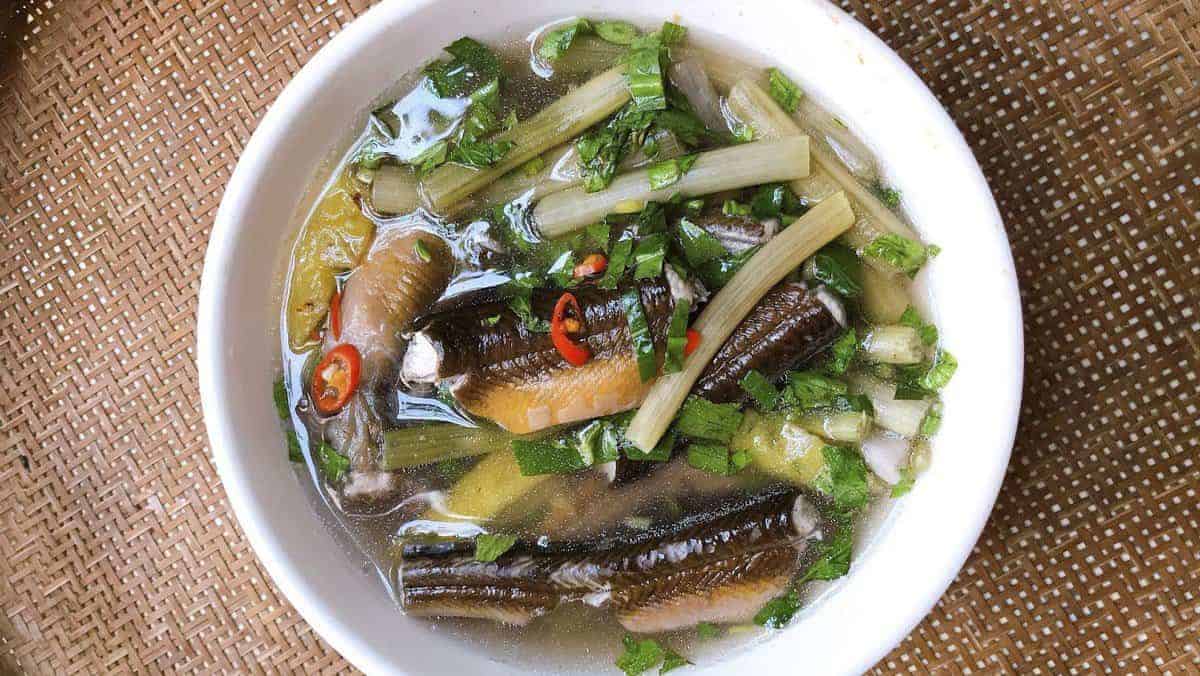
A unique and delicious dish: sour eel soup with ant eggs.
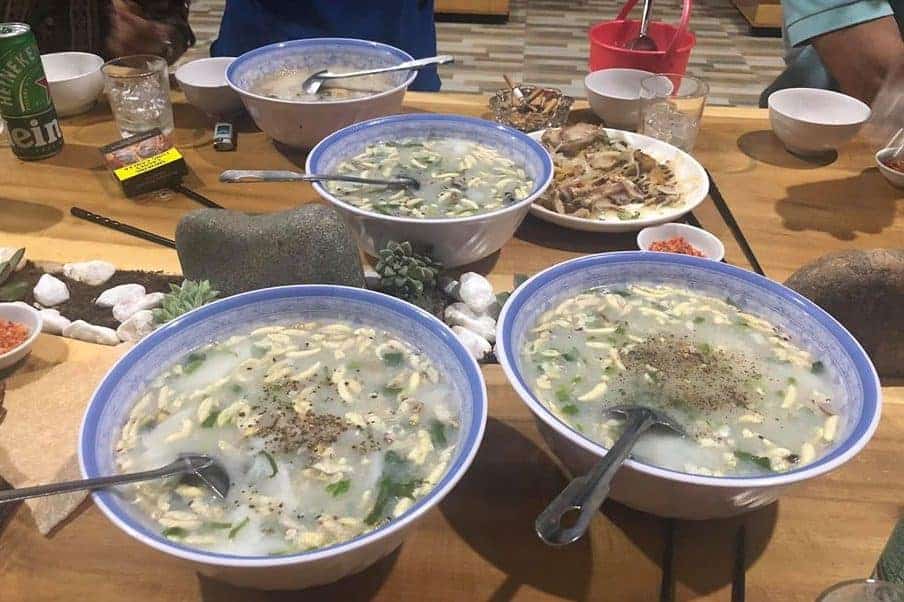
Bee pupa porridge, rich in rustic flavors.
Phu Quoc’s specialty Tram mushrooms
Mekong Delta People
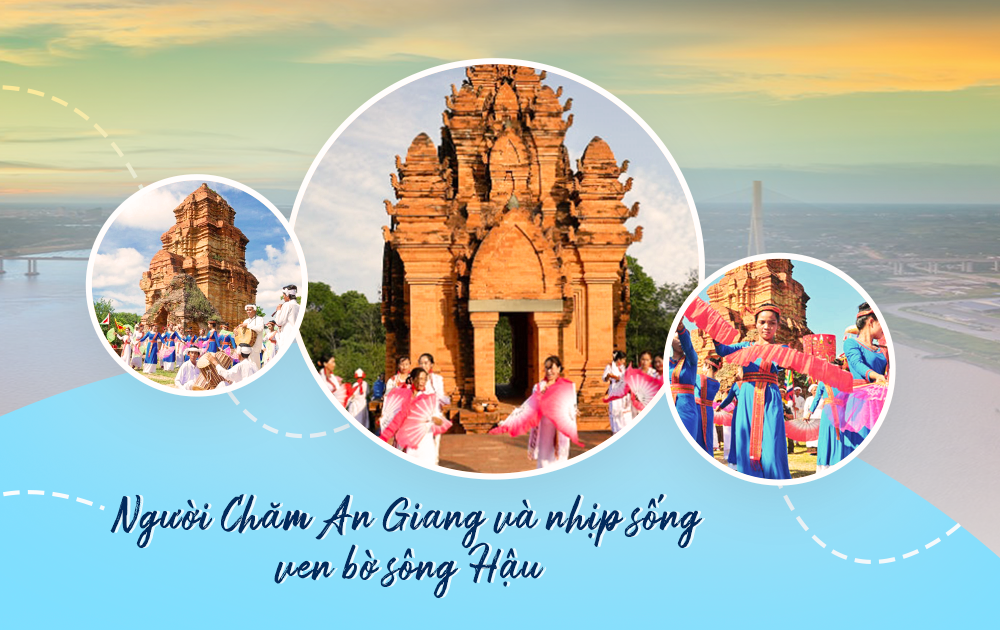
Five Distinctive Characteristics of the Cham People in An Giang along the Hau River
Along the gentle stretch of the Hau River lie nameless small hamlets, where the Cham people of An Giang have quietly lived their lives for generations. Without noise or promotion, they preserve their traditions through what may seem like ordinary things: a stilt house, a prayer session in the mosque, a neatly wrapped Matra scarf on the head. All of these come together to form a quiet cultural current, subtle yet rich in its own distinctive colors.
Distinctive Stilt House Architecture
The distinctive stilt houses of the Cham people
It is no coincidence that the Cham people in An Giang choose to live in stilt houses. In this low-lying region where the annual flood season is a familiar occurrence, stilt houses are both a way of adaptation and a reflection of a deeply rooted lifestyle. Built high above the ground, with simple wooden frames, roofs made of corrugated metal or palm leaves, and floors of wood or bamboo, these houses are sturdy enough for daily life and airy enough to provide relief from the Mekong Delta heat.
The ground floor is usually left open—sometimes used for raising livestock and poultry, sometimes for storing boats and farming tools, or simply as a shaded space to escape the midday sun. The upper floor is the living area, where daily activities take place and guests are received. Everything is arranged neatly and cleanly, with respect for privacy—an important value in the Islamic culture practiced by the Cham people of An Giang.
Cham village on Con Tien islet (An Giang)
Stilt houses are not merely shelters from sun and rain, but also spaces that foster community bonds. Houses are often built close together, with courtyards and verandas connected, and the mosque just a few steps away. In such a setting, daily meals, prayer rituals, and the laughter of children intertwine, creating a way of life that is warm, intimate, and deeply connected.
The Life of the Cham People in An Giang Is Closely Linked to River Life
For the Cham people in An Giang, the Hau River is an integral part of daily rhythm. Small boats glide gently over the silt-laden waters, carrying vegetables to the market, taking children to school, or simply crossing over to a neighbor’s house for a brief chat. The river is a road, a source of livelihood, and the starting point that connects all aspects of community life.
Boat-based livelihoods of the Cham people
Cham women in An Giang typically take on roles such as going to the market, caring for the family, raising livestock, and doing additional home-based work. At certain times in the past, traditional handloom weaving flourished, with nearly every household owning a loom. They wove fabrics with traditional patterns that were sold throughout the Mekong Delta and even exported to Malaysia, Indonesia, and Cambodia. Although weaving is no longer as widespread as before, it still quietly survives in villages such as Phum Soai (Tan Chau) and Da Phuoc (An Phu), preserved as a living tradition woven into each strand of fabric.
Traditional brocade weaving of the Cham people
Meanwhile, men play the role of spiritual leaders—performing rituals at the mosque, studying religious texts, and teaching children Islamic principles. Each person has a distinct role that appears clearly divided, yet in reality these roles are closely interconnected within family and community life. The Cham people of An Giang also follow strict dietary rules: pork is strictly prohibited, and food must be clean and prepared according to Islamic law. On ordinary days, meals are simple and light.
“Tung lo mo” – a traditional Cham specialty
During festivals, religious holidays, or important events, the cuisine becomes much more elaborate. From beef curry, nasi rice, and ca pua to “tung lo mo,” a distinctive beef sausage made through a meticulous process. Traditional cakes such as pay-krah, thon-dot, and ha-phum are prepared by Cham women not only for consumption, but also to preserve the flavors of home and the cultural memory of a community with deep historical roots. From weaving and food customs to family roles and boat-based market trips, all aspects of Cham life in An Giang intertwine to form a resilient, simple, yet richly distinctive river-based culture.
The Cultural Space of the Mosque
Amid the rustic stilt-house hamlets along the river, mosques emerge as sacred focal points that unite the community. Not lavish or ornate, Cham mosques in An Giang typically feature simple, airy architecture with domes, arched doors, and a dominant white color scheme.
Each mosque serves as a spiritual center where prayers, Quranic studies, religious gatherings, and moral teachings take place. During major occasions such as Ramadan or Eid al-Fitr, the mosques become livelier than ever, as people dressed in traditional attire gather to pray, share food, and exchange blessings.
In An Giang, several mosques have become inseparable from the collective memory of the Cham people. Notably, Masjid Mubarak in Chau Phong Commune (Tan Chau) is one of the oldest mosques, built in the early 19th century, where Quranic recitations still resonate amid the quiet delta landscape.
Masjid Mubarak in Chau Phong Commune
Jamiul Azhar Mosque in Da Phuoc (An Phu) serves a larger community and maintains a very disciplined religious life. Meanwhile, in Phum Soai—where traditional weaving is still preserved—Masjid Khairul Ummah functions both as a spiritual anchor and as a place where children learn Arabic, religious values, and how to live with kindness.
Jamiul Azhar Mosque
Beyond being places of worship, mosques also preserve the communal way of life of the Cham people in An Giang. In an increasingly fast-paced world, these mosque spaces maintain a calm rhythm and solemnity—a spiritual refuge after the cycles of daily livelihood.
The Matra Scarf – A Symbol of Cham Women’s Beauty in An Giang
For the Cham people of An Giang, the Matra scarf is more than just a head covering. It is part of cultural identity, symbolizing moral values, modesty, and the self-respect of Cham women within the community.
A symbol of Cham women’s beauty
The Matra scarf is usually wrapped neatly and simply, yet it conveys a graceful modesty. Each wrapping style reflects personal skill and character—never showy, but highlighting the gentle elegance of Cham women. They wear it to the market, to prayers, and during daily chores, as an inseparable part of everyday life.
The Matra scarf in traditional attire
Despite many changes in modern life, the Matra scarf remains an essential cultural element—a quiet form of preservation by women who place dignity and reverence for tradition above all else.
A Unique Rhythm Within Colorful An Giang
Within An Giang, where multiple cultural currents converge, the Cham people mainta
Khmer identity in the heart of An Giang: A living heritage in modern times.
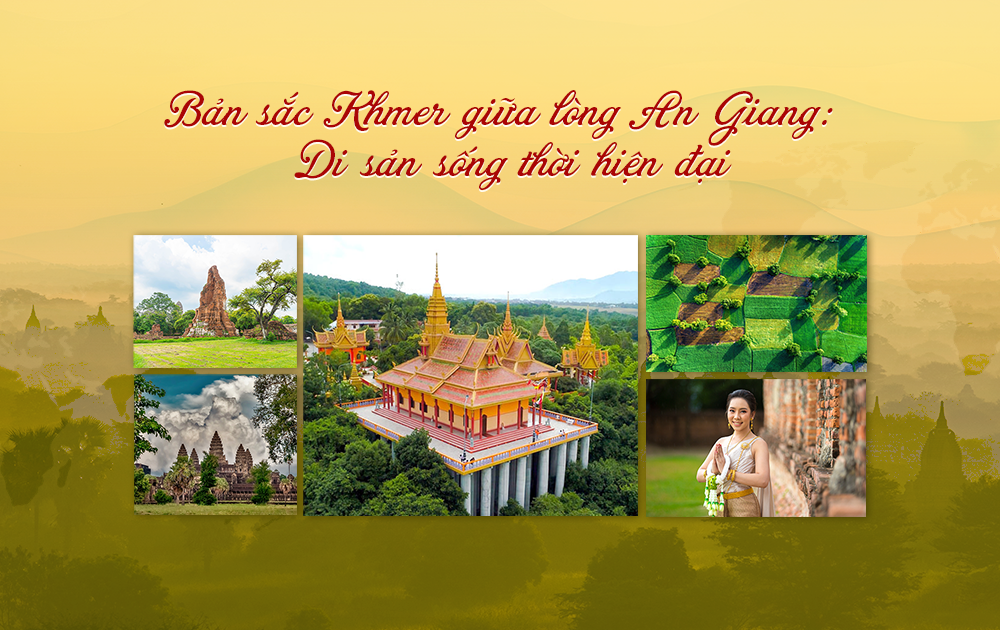
In An Giang, the Khmer people are a familiar presence in daily life. Khmer culture manifests in everything from the vibrant pagoda roofs within the phum soc (hamlets) and the rhythmic festival drums to daily habits like dining, living, and rituals. Amidst a rapidly urbanizing Mekong Delta, that identity is consistently preserved. It is this very essence that makes Khmer culture in An Giang a living heritage in the modern era.
Khmer Pagodas – The Soul of the Community
If you have the chance to pass through the Khmer hamlets in Tinh Bien, Tri Ton, or Chau Thanh, you will easily spot a pagoda rising amidst the sugar palm trees with its curved roof, golden walls, and winding dragons on the gables. For the Khmer, a pagoda is not just a place of worship but also the spiritual heart of the entire community.
The brilliantly beautiful golden roofs of Khmer pagodas
Every milestone in a person’s life—from birth and adulthood to death—is connected to the pagoda. Children are sent here to learn the Khmer script and moral virtues. Adults visit during the full moon or the first day of the lunar month, or simply to visit a monk when they have unspoken thoughts in their hearts.
Khmer pagodas are not as quiet as many might think. During major festivals like Chol Chnam Thmay (New Year), Ok Om Bok (Moon Worship), or Sen Dolta (Ancestor Worship), the temple courtyard bustles with the sound of drums, folk songs, colorful traditional costumes, and the laughter of children running around.
Chol Chnam Thmay (Traditional New Year)
The pagoda space also serves as a meeting place for elders to discuss community affairs, for the youth to practice the Romvong dance, and for artisans to teach woodcarving, relief sculpting, or writing Khmer script on prayer leaves. Things that might seem ancient are passed down daily through familiar living habits.
To outsiders, the pagoda is a tourist destination. But to the Khmer in An Giang, it is the keeper of their soul. Not because it is ancient or grand, but because it lives and breathes alongside the people.
Language, Beliefs, and the Daily Life of the Khmer
Traveling to An Giang, it is not uncommon to hear the Khmer language in a conversation between two vendors at the market, in a kindergarten classroom, or during early morning chanting at a pagoda. Language is not just a means of communication—to the Khmer, it is a way to preserve their roots, a source of pride, and a thread connecting past and present generations.
The majority of Khmer in An Giang follow Theravada Buddhism, so their spiritual life is deeply intertwined with the temple. The pagoda serves as more than just a place of worship; it is a center for culture, education, and community life. Children learn the Khmer alphabet from monks, while adults place their faith in festivals such as Pchum Ben, Chol Chnam Thmay, or Ok Om Bok. Each festival is an occasion for the community to gather, prepare traditional cakes, decorate their hamlets, pray for peace, honor ancestors, and remind each other of goodness.
The unique and vibrant traditional costumes of the Khmer
Beliefs and language seem to blend into every aspect of life. Even on ordinary days, you can see Khmer people greeting each other with respectful folded hands or whispering prayers when entering a temple. Every small action carries the shadow of a culture preserved through many generations. Amidst the modern flow, the Khmer in An Giang still maintain a unique and fascinating rhythm of life.
Khmer Festivals – Occasions for Joy, Remembrance, and Connection
Festivals are always an indispensable part of Khmer cultural life in An Giang. Each occasion carries not only religious significance but also acts as a time for the community to gather, share joy, and maintain ties with ancestors, their homeland, and each other.
Chol Chnam Thmay—the Khmer Traditional New Year, usually falling in April—is the biggest festival of the year. During these days, the hamlets bustle from early morning as families clean their homes, pagodas are decorated, and people eagerly head to temples for rituals. The sound of drums and chanting echoes steadily, mingled with the laughter of children playing with water and building sand mountains—both playing and preserving ancient customs.
Chol Chnam Thmay Festival in An Giang
Sen Dolta, occurring around the 9th lunar month, is a festival to worship ancestors. On this day, Khmer families reunite, prepare offerings, and go to the pagoda together. It is a time for those far away to return and for the living to remember the deceased, serving as a way to preserve traditional morality across generations.
Sen Dolta Festival of the Khmer people
Ok Om Bok—the year-end moon-worshipping festival in the 10th lunar month—is an occasion to thank heaven and earth after the harvest. Many places organize “Ngo” boat races, attracting the whole community to participate and cheer. This is when the festive atmosphere reaches its peak, lively yet deeply communal.
Ok Om Bok Festival
Whether living in rural or urban areas, the Khmer in An Giang still cherish festivals as a vital part of their identity. Festivals are a time for joy but also for remembrance and strengthening community bonds. As each year passes and each festival returns, it serves as a gentle reminder: culture does not reside in textbooks, but lives within daily life.
Keeping the Craft Alive, Preserving Identity
In many Khmer hamlets in An Giang, there are still those who persist with traditional crafts—not primarily for a livelihood, but to preserve a piece of memory. Brocade weaving, traditional cake making, wood carving, and musical instrument crafting… though no longer as common as before, they still exist, silent and resilient.
In Chau Phong Commune (Tan Chau Town), the traditional brocade weaving of the Cham people (within the broader Khmer cultural landscape) has quietly survived for generations. This craft has become a living memory, where the youth learn from the elderly how to preserve every pattern and color tied to their homeland’s culture.
Traditional patterns become cultural symbols, passed down through many generations. With nimble hands and steady shuttle beats, each completed fabric is a story of perseverance, care, and pride.
The quintessence of Khmer brocade
Besides weaving, the making of traditional cakes such as purple sticky rice cake (bánh tét lá cẩm), bánh ít, and ginger-shaped cakes (bánh gừng) is still passed down within families. Elders teach the younger generation not only how to make them but also how to wrap them perfectly and cook them evenly—a way of passing down patience and ancestral beauty.
The craft of making ginger-shaped cakes
Some artisans also maintain the craft of making traditional instruments like drums, gongs, and flutes to serve major festivals like Chol Chnam Thmay or Sen Dolta. These sounds are not only used for dancing and singing but also evoke roots and connect the community.
A maker of traditional Khmer musical instruments
In an era where machines are gradually replacing manual labor, the Khmer in An Giang still choose to keep their crafts as they would keep a part of their identity. They do not just create products; they preserve a cultural life so that future generations can see where they came from.
A Cultural Intersection of Lifestyles
In An Giang, the Khmer do not live in isolation but harmonize with the general pulse of the region. Khmer hamlets lie next to Kinh villages, Cham people weave fabric across the canal, and Hoa (Chinese) people open pharmacies or eateries right next to the market… Everyone shares the space, lives together, goes to the market together, and participates in festivals large and small.
Traveling along the border roads, it is not hard to see overlapping cultural symbols: a golden Khmer pagoda roof in the middle of a field, and right across from it, a Lady of the Realm (Ba Chua Xu) shrine. Children go to school together and return home to play folk games without anyone noticing who belongs to which ethnic group. Each community keeps its own customs but remains open to living well together.
Khmer culture in An Giang is not just a set of values to be displayed or remembered; it is a lifestyle happening every day. From the sound of the temple drum and the weaver’s needle to the bustling festivals in the hamlets, everything is still present, vivid, preserved, and naturally continued. It is this simple way of living and mutual respect in every small detail that has helped An Giang maintain its cultural diversity.
A Living Identity, Not Just a Memory
Amidst the rapid changes of urbanization and modern life, the Khmer people here still maintain their own cultural flow. At the same time, they contribute to enriching the overall cultural face of An Giang. This is not a solitary effort but a resonance between the community and the land that has embraced them for generations.
If you have the chance to visit An Giang, don’t just pass through the famous landmarks. Spend some time stopping at a Khmer hamlet, step into a pagoda, watch the locals weave, and listen to children speaking their mother tongue. You will see that heritage sometimes does not lie in museums but in daily life, in the eyes, and in the smiles of the people who are preserving that identity every day.
Pushing the boat during the flood season in the rice fields.
Đẩy Côn – Giàn Côn is the tool that people in the low-lying Đồng Tháp Mười region of my homeland use to make a living during the flood season. No one knows exactly when this profession began, only that for the past 20 years, locals have treated đẩy côn as a real, full-fledged occupation.
When the flood arrives, the water turns everything white, bringing fertile silt to enrich the soil and an abundance of fish and shrimp. Setting aside fieldwork, the people of my homeland begin a new season of livelihood: the season of đẩy côn to catch field snakehead fish (cá lóc đồng).
If you ever have the chance to visit the lowlands during the flood season and enjoy the fragrant, sweet grilled field snakehead fish roasted over straw, have you ever wondered what tool the farmers use to catch them? You’ll find it incredibly fascinating to learn that for more than 20 years, people have been “hunting” snakehead fish across the flooded fields using đẩy côn…
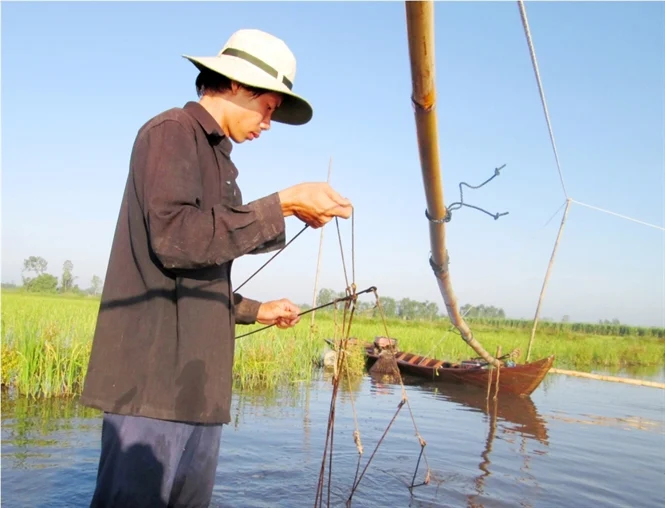
Đẩy côn is an effective fishing method
Đẩy côn is not only a tool that brings high income to the people, but it also helps protect the ecosystem—only catching mature fish and leaving the small ones unharmed, unlike other methods.
In simple terms, a giàn côn (côn frame) is a device that stirs the water. When fish bump into the côn, they startle and dive into the mud. The fishermen then watch for the telltale bubbles rising from the water and use a nơm (conical net) to scoop them up.
The côn is made of iron rods about the thickness of a little finger, each 1.5 meters long. One end of each rod is tied to a nylon string, and they are connected into a row like an “iron fence” with 20–30 cm spacing between rods. Two long, straight bamboo poles serve as the frame arms, arranged in a V-shape at the bow of the boat. Each arm is 12–15 meters long. To keep the frame balanced and adjust its height according to water level, vertical poles about 3–4 meters tall are used to support the arms.
To start đẩy côn, the rods are attached to the arms and adjusted to the right height. The fisherman then stands on the boat and uses a long pole to push it forward. As the boat moves, the côn frame is dragged along, startling the fish into diving and creating visible bubbles on the surface. The fisherman simply uses the nơm to catch them.
Đẩy côn usually starts at 6 a.m. and again around 3 p.m., when the temperature is cooler and fish come up into the fields more actively. According to flood-region locals, among all fishing methods, using côn is relatively simple, requires low investment, yet is highly effective, providing a significant income for many Mekong Delta households. However, not everyone can do it—it demands good physical strength to wade through flooded fields all day, enduring sun and rain. Most importantly, it requires sharp observation skills to spot the fish bubbles—a talent only those lifelong farmers steeped in river life and fish behavior truly possess.
Đẩy côn is an effective fishing method
During the flood season, fish arrive in waves. Đẩy côn is a livelihood that helps flood-plain farmers survive. It catches not only snakehead fish but also catfish (cá trê), climbing perch (cá rô đồng), and others. Living in the wild, they may vary in size, but their meat is fragrant, tender, and has that wonderfully lingering natural sweetness—a simple yet profoundly flavorful rural specialty.
Đẩy côn is more than just a tool or a job—it is truly a profession. The practice of “hunting” snakehead fish with đẩy côn has become increasingly common, especially in provinces like An Giang, Đồng Tháp, Hậu Giang, and Vĩnh Long. When the floodwaters arrive and the fields turn into vast white lakes, the đẩy côn profession in the Mekong Delta floodplains comes alive with activity.
Đẩy côn is a livelihood that helps flood-plain farmers
Thank you to the rising waters that bring such generosity to my homeland in the lowlands, bringing a unique cultural identity found only here, and leaving behind an incredibly beautiful memory for those of us who have left home.
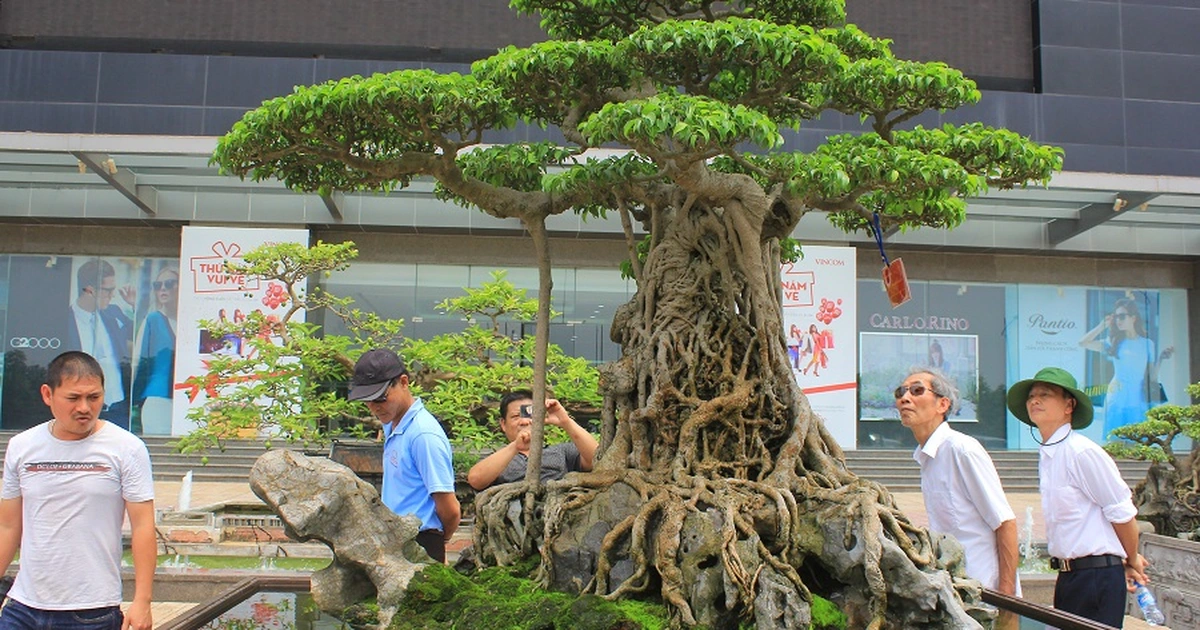
The silversmith who collects ornamental plants earns billions of dong.
From a simple silversmith, Mr. Nguyen Thanh Cong suddenly became a devotee of ornamental plant art. His passion is so profound that friends and artisans alike admire him, considering him one of the most generous and “heavyweight” players in the Western ornamental plant village.
“In this hobby, if you aren’t passionate and don’t truly love it, you wouldn’t spend hundreds of millions to buy a plant. Conversely, if you play without considering the economic aspect, where would the money come from to keep playing?” Mr. Cong shared.
His ornamental garden in An Nhon Commune, Chau Thanh District – Dong Thap, houses many unique and precious plants. “At first, I only kept a few plants in the front yard for beauty and to relax my mind after tiring working hours. Unexpectedly, ornamental plants have a strange attraction; the more I discovered, the more passionate I became,” said Mr. Cong.
As a result, wherever he went, he sought out beautiful plants, especially large ones with curious shapes, to buy for his collection. Gradually, the number of plants in his garden grew… until one day, someone asked to buy a few plants for hundreds of millions of VND, yielding a profit two or three times the original cost. From that point, he came up with the idea of both enjoying the hobby and using it as an economic venture.
For the past 10 years, whenever friends informed him of a good or beautiful plant—especially those with the marks of time—he would seek them out to domesticate and shape them, turning a wild forest tree into a living work of art.
When asked whether he prioritizes the hobby or the business, he unhesitatingly replied: “Both. Because without passion, no one would dare spend hundreds of millions on a plant just for fun. On the other hand, if there is no income coming in, there’s no money to sustain the hobby,” Mr. Cong explained.
Mr. Sau Luu, an experienced artisan in the flower and ornamental plant industry, shared that Mr. Cong once paid to rent a truck to transport an ancient weeping fig (cay sanh) to Hanoi for an exhibition during the 1,000th Anniversary of Thang Long. Additionally, he actively participates in contests for flowers, orchids, and ornamental plants organized locally and elsewhere to exchange knowledge and share experiences with artisans nationwide. At the Dong Thap Ornamental Creature Festival in 2010, he won a gold medal for a miniature landscape (tieu canh) of his own creation.
Currently, Mr. Cong’s garden has nearly 400 bonsai, ancient trees, flowering plants, fruit-bearing ornamentals, and miniature landscapes. It features many exquisite and precious species such as yellow apricot (mai vang), orange jasmine (nguyet que), pine (tung), weeping fig (sanh), and many wild forest trees like star apple, freshwater mangrove (loc vung), and mulberry… each pruned and shaped with its own style. Specifically with bonsai, he pays great attention to the overall look, ensuring the pot and the tree are always proportionate, balanced, and harmonious.
He said that among the current types of plants, he is most fond of orange jasmine and fruit-bearing ornamentals. Besides collecting, he is also a hardworking learner, diligently studying advanced techniques by inviting reputable artisans as technical consultants. Thanks to this, any raw forest tree, no matter how rugged or tangled its branches, can be transformed into an artistic ornamental plant once it enters his garden.
He noted that each tree has its own unique beauty and charm, thus their values differ. The average price of a plant in his garden ranges from tens of millions to hundreds of millions of VND. Some ancient plants, such as the weeping fig exhibited in Hanoi, are valued at 1.5 billion VND, or an ancient orange jasmine priced at 1 billion VND…
“For many years, whatever money I earned, I prioritized for the garden. By last year, I had earned 10 billion VND from selling plants,” Mr. Cong boasted.
According to Mr. Cong, for those who play with ornamental plants and earn billions, the hobby offers more than just economic profit; it brings people closer to nature, opens the soul, and makes one love life more. Furthermore, it has helped him make many friends from Hanoi to Central Vietnam—people with the same interests who share this special passion with him.
According to News Zing
NEWS
What Does An Giang Offer? Decoding the Appeal of the Mekong’s Upstream Gateway
The locksmith profession may seem easy and comfortable, but in reality, it is full of controversies and temptations. Just one moment of misjudgment or being blinded by money, and a locksmith can be exploited by bad actors to assist in wrongdoing. Therefore, besides having a pure heart, a locksmith must also train a sharp eye to distinguish between honest people and criminals.
The locksmith profession may seem easy, but it is actually full of controversies and temptations
As the first locksmith in Cà Mau and still practicing the trade to this day, Mr. Trần Văn Xê (Ba Xê), 67 years old, declares that he can open any type of lock in the world, including the latest bank safe locks or high-end car locks. However, this profession is often exploited by criminals; just a little carelessness can turn one into an accomplice. That’s why locksmiths are very cautious about passing on their skills—even refusing to teach their own children or grandchildren if they are not upright and mature.
Preserving Professional Ethics Above All
At the foot of Cà Mau Bridge (Ward 2, Cà Mau City), there are nearly a dozen locksmith shops lined up next to each other, yet there is no scene of touting or competing for customers. Whichever shop the customer enters, that shop owner serves them. They even exchange information and help each other open particularly difficult new locks. This is because all the locksmith shop owners here are disciples of the master locksmith Ba Xê.
As the economy develops and wealth becomes more valuable, people’s awareness of protecting their property increases. Seizing this trend, manufacturers continually improve lock durability—replacing ball mechanisms with steel tubes or steel plates; changing keys from flat to round or cruciform; using increasingly robust materials and full-coverage designs that are “saw-resistant and cut-resistant.”
However, according to Mr. Ba Xê, the real challenge of the locksmith profession lies in maintaining professional ethics—never wavering in the face of money and never aiding wrongdoers. No matter how durable a lock is, it is still built on the principle of pin arrangements, steel wafers, and key operation. With enough time and study, a skilled locksmith can still open it. Even long car keys (nearly 10 cm) or electronic door locks—he still has ways to “handle” them.
Rolling up his trouser leg to reveal a prosthetic leg, Mr. Ba Xê explains that this is what drew him into the locksmith trade. He began practicing at age 25, right after a tragic accident that cost him one leg, leaving him at a dead end in life. He learned the basics in Cần Thơ in 3 weeks, then went to Saigon for advanced training at the Hậu Ký lock shop for another 2 months. After that, he returned to Cà Mau with Tâm Râu and Mr. Năm Chìa Khoá—the first three locksmiths in Cà Mau.
Mr. Ba Xê proudly says that his group has upheld professional principles until the other two friends retired, and he himself has never once been tempted by money.
Through this profession, Mr. Ba Xê has supported his wife and children for the past 42 years. His disciples—some illiterate, some disabled, some at the end of their rope in life—number in the dozens. He taught them the trade, and they went on to establish themselves, living comfortably without fear of hunger. “I just recently ‘graduated’ one disciple in Tân Thành, Cà Mau City.
His name is Tèo; he lost one leg in a traffic accident. His fate is exactly like mine. On the third day of Tết, he came to visit me very excitedly, saying he had already opened his own shop,” he boasted.
Almost every locksmith has at least once in their life encountered criminals requesting them to open locks or make keys. Depending on the situation, they refuse—but there is an unwritten rule: all the locksmiths we met refuse to make duplicate keys from impressions on clay, beeswax, or drawings on paper…
Photo: Phú Yên Online
Traps Everywhere
Even with great caution and constant admonition to his disciples, recently two of Mr. Ba Xê’s own students could not avoid an occupational mishap. They were repeatedly summoned by the provincial police to reconstruct the scene of a questionable lock-opening case in Ward 4, Cà Mau City.
The incident occurred in June 2013 and caused a great stir about the ethics of teacher and students. Mr. Ba Xê recounted that on that day, he did not man the shop himself but left it to two disciples named Khang and Thái. In the afternoon, someone came and asked them to go open a safe in Ward 4, Cà Mau City.
When they arrived, they saw the safe inside the homeowner’s room, with 5–6 family members present, watching and filming the entire unlocking process—so the two craftsmen had no suspicion at all. After finishing, they were paid 400,000 VND and happily went out drinking together.
More than a month later, the police came to summon both of them for investigation. Only then did the two disciples realize in shock that the safe had been brought over from someone else’s house. They were depressed for months and were scolded by their master for not upholding professional principles. Mr. Ba Xê explained that in such a situation, they should have requested the presence of local authorities as witnesses—to protect both the customer and themselves from future trouble.
“Have you ever been asked by thieves to help open locks?” Without hesitation, Mr. Ba Xê looked straight at us and said: “Of course! They even openly said how much percentage they would give me from the ‘job.’ But I never do anything wrong!”
He recounted that six years ago, four men drove from Kiên Giang province to negotiate with him to open a company safe. They promised to drive him home in a car and give him 100 million VND if successful.
He refused immediately without a second thought, saying even one billion VND wouldn’t make him do it. “Normally, no one pays such a huge amount just to open a legitimate lock. You don’t even need much observation—it’s obviously a shady deal,” Mr. Ba Xê asserted firmly.
Just over two months ago, a plump woman came to his shop and bluntly asked him to help open a safe to steal money from her mother-in-law, promising a big reward. Furious, he trembled with anger and immediately chased her out of his shop.
Mr. Ba Xê said the most regrettable thing in his 42 years as a locksmith was mistakenly accepting one student—the brightest one he ever taught. That was his very first disciple, named Bảo, commonly called Một. Within just a few days of learning, he seemed to master all the master’s secrets.
One fine morning, while teacher and student were having breakfast, the police arrived, handcuffed Một, and took him away. Mr. Ba Xê was stunned to learn that his favorite student was the main culprit in a major theft at the Bảo An Đường herbal medicine shop the previous night. “He opened every door in the pharmacy so his accomplices could loot everything. After treating me to breakfast, he was arrested by the criminal police and sentenced to 7 years in prison. I teach ethics with all my heart—those who follow it prosper; those who betray the profession are finished,” Mr. Ba Xê concluded.
Self-Amputation After Helping the Wrong Person
Mr. Ba Xê and the old masters in Cà Mau’s locksmith trade often remind each other—and their disciples—about the story of Mr. Sáu Khoá in Cần Thơ, who cut off his own finger joint. Before 1975, Mr. Sáu Khoá was a renowned locksmith in the Hậu Giang area. He was asked by a man to open a safe at home and was generously rewarded.
Later, he was sentenced by the court to 6 months of suspended imprisonment for complicity in a husband stealing his wife’s private property. After the verdict, Mr. Sáu Khoá went home and immediately chopped off the joint of his left index finger to remember the lesson for life. He swore that unless both husband and wife were present—or there was a police officer—he would never open an iron safe again.
Trang Mysteriousworld vừa liệt kê danh sách những thành phố có kênh rạch đẹp nhất thế giới, trong đó Cần Thơ được ca ngợi là nơi có kênh đào đẹp với chợ nổi và cảnh giao thương tấp nập.
Cầu Cần Thơ là cây cầu bắc qua sông Hậu, nối liền quận Cái Răng, thành phố Cần Thơ và thị xã Bình Minh, tỉnh Vĩnh Long. – Ảnh: Van Long Bui
Cần Thơ, Việt Nam
Cần Thơ, một trong những thành phố lớn của Việt Nam, là trung tâm của mạng lưới sông rạch ở đồng bằng sông Cửu Long. Tổng chiều dài giao thông đường thuỷ của thành phố đạt hơn 1.000 km.
Ngoài mạng lưới rộng lớn của các kênh rạch, chợ nổi là điểm thu hút du lịch chính của thành phố Cần Thơ, trong đó phải kể đến chợ nổi Cái Răng. Các thuyền buôn dưới sông cung cấp cho bạn các loại hàng hóa. Tham gia tour du lịch trên chợ nổi là cách tuyệt vời để trải nghiệm miền sông nước và khám phá đời sống văn hoá địa phương nơi đây
Venice, Italy
Venice là thành phố duy nhất nằm trên một nhóm 118 hòn đảo được ngăn cách bởi các kênh đào. Nơi đây có khoảng 179 kênh đào và các hòn đảo được kết nối với nhau thông qua hơn 400 cây cầu. Được mệnh danh là “thành phố kênh đào đẹp nhất hành tinh”, Venice hàng ngày đón hơn 50.000 lượt khách tham quan đến chiêm ngưỡng và khám phá.
Phương tiện giao thông chính ở đây là tàu thuyền, được gọi với cái tên là Gondola. Ngày nay, toàn thành phố có hơn 350 Gondola và hầu hết chuyến du lịch không thiếu vắng hình thức vận chuyển này.
Kênh đào Grand Canal có chiều dài 3.800 m được xem là đường thuỷ chính ở Venice. Ngoài việc ngồi thuyền Gondola thong dong trên Grand Canal và các kênh rạch nhỏ khác, bạn cũng có thể thưởng thức vẻ đẹp hấp dẫn của những cung điện và nhiều toà nhà lịch sử khác.
Venice, Italy
Birmingham, Anh
Với hơn 1,9 triệu cư dân sinh sống, Birmingham là thành phố đông dân thứ hai ở Anh. Bên cạnh sự đông đúc, tấp nập của một đô thị sầm uất, Birmingham còn có nhiều kênh đào đẹp kéo dài hơn 160 km.
Kênh đào đầu tiên của thành phố được mở năm 1769 để kết nối Birmingham với thị trấn Wednesbury. Những hành trình du lịch qua những kênh đào của Birmingham tạo cơ hội ngắm cảnh lý tưởng trong lòng thành phố.
Birmingham, Anh
Giethoorn, Hà Lan
Gietoorn là một ngôi làng kênh đào tuyệt đẹp nằm ở tỉnh Overijssel của Hà Lan. Vùng đất này được ngăn cách bởi những kênh rạch và kết nối bởi 180 cây cầu nhỏ. Nơi đây còn được gọi là “Venice của Hà Lan”. Ngôi làng này “nói không” với xe hơi, vì cách duy nhất để tiếp cận là đi bằng thuyền và xe đạp.
Giethoorn, Hà Lan
Tô Châu, Trung Quốc
Thành phố lịch sử Tô Châu được nhiều người ngưỡng mộ bởi vẻ đẹp của những khu vườn và các kênh đào của nó. 15 kênh đào nhỏ ở đây đan chéo nhau, trong đó có kênh đào dài nhất xấp xỉ Grand Canal ở Venice, Italy, được xây dựng giữa năm 581 và 618. Giống như Grand Canal, kênh đào ở Tô Châu cũng len lỏi qua nhiều nơi đẹp trong lòng thành phố.
Tô Châu, Trung Quốc
Alleppey, Kerala, Ấn Độ
Được mệnh danh là “Venice của phương Đông”, thành phố đẹp như tranh vẽ Alleppey, nằm ở bang Kerala, miền nam Ấn Độ, có một mạng lưới rộng lớn các đầm phá, sông và hồ với chiều dài lên đến 1.500 km.
Vùng nước trũng Vembanad là một trong những phần đẹp nhất của bang Kerala, nằm trong lòng thành phố Alleppey. Ngoài ra, hồ Vembanad rộng lớn với diện tích bề mặt hơn 2.000 km vuông. Cả hai cũng bao gồm một mạng lưới kênh đào.
Bạn có thể thuê nhà thuyền, thuyền tốc độ nhanh để tham quan các kênh đào ở thành phố Alleppey. Bạn sẽ cảm nhận và khám phá được nhiều khía cạnh về văn hoá và vẻ đẹp tự nhiên ngoạn mục ở nơi đây.
Alleppey, Kerala, Ấn Độ
Stockholm, Thụy Điển
Stockholm, thủ đô của Thụy Điển được xây dựng trên 14 hòn đảo xinh đẹp ở hồ Malaren. Các quần đảo rộng lớn ở đây kết nối thành phố với biển Baltic về phía đông. Do đó, chèo thuyền là cách trải nghiệm thú vị để tham quan thành phố.
Các vùng nước ở đây rất sạch sẽ, thích hợp cho bơi lội và câu cá. Stockholm cũng là một trong những thành phố xanh của thế giới với hơn 12 công viên rộng lớn và được biết đến với quá trình thanh lọc chất thải tốt.
Stockholm, Thụy Điển
Bruges, Bỉ
Bruges, thành phố lớn thời trung cổ, nổi tiếng với những con kênh đẹp từ nhiều thế kỷ. Các tuyến đường thuỷ ở Bruges còn được gọi là “Venice của phương Bắc”. Tour du lịch kênh đào là cách tốt nhất để khám phá thành phố này.
Những con kênh đào thơ mộng kết nối với các phần chính của Bruges, do đó bạn có thể tiếp cận bằng nhiều dịch vụ thuyền ở thành phố từ địa điểm khác nhau. Thường mỗi chuyến tham quan kéo dài 30 phút và bạn sẽ có cái nhìn ấn tượng về thành phố cổ này từ trên mặt nước.
Bruges, Bỉ
Bangkok, Thái Lan
Hệ thống kênh rạch là một phần không thể thiếu của thành phố Bangkok từ thế kỷ 18. Các tuyến đường thủy đầu tiên được đào để bảo vệ biên giới.Trong suốt thế kỷ 19, hệ thống kênh ở Bangkok mở rộng nhanh chóng cho thủy lợi và giao thông vận tải. Ngày nay, nhiều trong số những kênh rạch được sử dụng cho mục đích thoát nước. Tuy nhiên vẫn còn những hệ thống kênh đóng một vai trò quan trọng trong việc vận chuyển của đất nước.
Các hệ thống kênh rạch ở Bangkok thường được gọi là Klong. Khlong Saen Saeb là kênh đào còn lại chủ yếu ở thành phố Bangkok với chiều dài 18 km, chạy từ phía đông đến phía tây của thành phố. Đi tàu ở Khlong Saen Saeb là cách tốt nhất để tham quan, ngắm cảnh và tìm hiểu về những địa danh lịch sử và các trung tâm mua sắm.
Các chợ nổi là một phần quan trọng của tuyến đường thủy Bangkok. Nhiều tàu thuyền thương mại đầy màu sắc, buôn bán các mặt hàng địa phương ngay tại các kênh rạch, thực sự tạo cho du khách nhiều trải nghiệm thú vị. Damnoen Saduak, Amphawa, Taling Chan, Khlong Lạt Mayom, Bang Nam Pheung là năm chợ nổi chính tại thành phố Bangkok.
Bangkok, Thái Lan
Cape Coral, Florida, Mỹ
Thành phố Cape Coral ở Florida được biết đến với chiều dài bờ sông lên đến 640 km. Nó dài hơn hệ thống kênh của bất kỳ thành phố nào khác trên thế giới. Cape Coral có cả hồ nước ngọt và nước mặn. Các kênh nhân tạo của thành phố được đào trở lại vào năm 1970. Hệ thống này cũng cung cấp đủ nước cho thủy lợi và bảo vệ thành phố khỏi lũ.
Vietnam is not only famous for its abundance of fish species, but its various types of fermented sauces (mắm) also contribute to the distinctive flavors of our national cuisine. Each region has its own signature mắm, such as mắm ruốc, mắm cá, mắm còng, mắm tôm, and more. When traveling through these lands, be sure to give them a try!
Famous types of mắm in Vietnam
Mắm tôm (Fermented shrimp paste):
Among Vietnam’s famous fermented sauces, everyone knows about mắm tôm from the North—a specialty with a deep purple color and an unmistakable pungent aroma. Made primarily from shrimp and salt through natural fermentation, it develops its unique flavor and hue. This paste appears in many rustic dishes: mixed with sugar and lime for dipping with bun (noodles), boiled tofu, pickled eggplant, or used as a key seasoning in bun rieu, bun thang, goat stew, and crab soup. Here are some close-up views of authentic mắm tôm—its rich, purple hue and creamy texture are iconic!
Mắm ba khía (Fermented three-striped crab paste):
Ba khía is a type of crab with large claws, characteristic of the Southern region, living in brackish and saltwater areas, most abundant in U Minh. Named for the three stripes on its back. Mắm ba khía shines in dishes like papaya salad with ba khía, sweet-sour mixed ba khía paste, or mixed with beef. Check out these vibrant shots of mắm ba khía—perfectly fermented and full of Southern Mekong flavor!
Mắm ruốc (Fermented small shrimp paste):
This is a signature of Huế, though each region has its own variation—generally salty with a distinctive aroma. Southern versions are deep purple-brown, while Central ones are lighter.
In the South, finished mắm ruốc is used as a seasoning, eaten directly, or cooked—mắm ruốc stir-fried with pork belly is a favorite for its delicious taste and long shelf life. Here’s mắm ruốc in action—often paired with braised pork for an irresistible dish!
Mắm tôm chua (Sour fermented shrimp paste):
A Central specialty, most famous in Huế and Đà Nẵng. Made from fresh rằn shrimp soaked in rice wine, mixed with salt, galangal, garlic, chili, a bit of fish sauce, and sugar. After sealed fermentation, the shrimp turns bright red and incredibly aromatic. Unlike smooth, salty mắm tôm, this one is tangy, red, with whole shrimp pieces intact. These photos capture the bright, appetizing red color of mắm tôm chua—tangy and irresistible!
Mắm sò (Fermented blood clam paste):
Blood clams are found almost everywhere, but only the ones from Lăng Cô (Huế) make truly exceptional mắm—with a unique, gentle aroma and a subtle spicy kick on the tongue.
Delicate and fragrant—mắm sò from Lăng Cô is a must-try Central gem!
Nước mắm (Fish sauce):
Famous regions include Cát Bà (Hải Phòng), Phan Thiết (Bình Thuận), Nha Trang (Khánh Hòa), and especially Phú Quốc (Kiên Giang)—each with its own secret recipe. If you travel to Phú Quốc by boat, be sure to learn about and buy some premium bottles as souvenirs! Traditional Phú Quốc fish sauce bottles—golden amber and world-famous quality!
Mắm còng (Fermented fiddler crab paste):
Popular in the Mekong Delta provinces, a famous specialty of Long An, Bến Tre, and Tiền Giang. Made from small fiddler crabs (còng), gutted, sun-dried, then fermented in jars with spices for about 45 days. Enjoy with rice, rice paper rolls with boiled meat and fresh herbs, or to enhance bun rieu. If you visit the Mekong Delta, don’t miss this one!
Intense and authentic—mắm còng is a bold Mekong classic!
Mắm hò hóc (Khmer fermented fish paste):
A specialty of the Khmer people, originating from Cambodia. Mắm hò hóc can be eaten plain with rice or combined with hundreds of ingredients to create countless dishes.
Rich and versatile—Khmer mắm hò hóc brings bold Mekong flavors!
Mắm nêm (Fermented anchovy sauce):
Anchovies are salted, fermented for about 3 months, then scooped out, mixed with sugar, lime, minced garlic, whole crushed chilies, and stirred well. Besides rice paper rolls with pork, mắm nêm pairs with almost any noodle or rice flour dish like bun, bánh ướt…
Pungent, spicy, and addictive—mắm nêm is a Central favorite!
Mắm mực (Fermented squid paste):
Only common in coastal areas, and considered a treat for close friends because it requires ultra-fresh squid—making it impossible for long-haul fishing boats. Coastal people prepare it right on the boat. If you’re on a boat trip, definitely try mắm mực!
Fresh, intense, and rare—mắm mực is a true seaside delicacy!