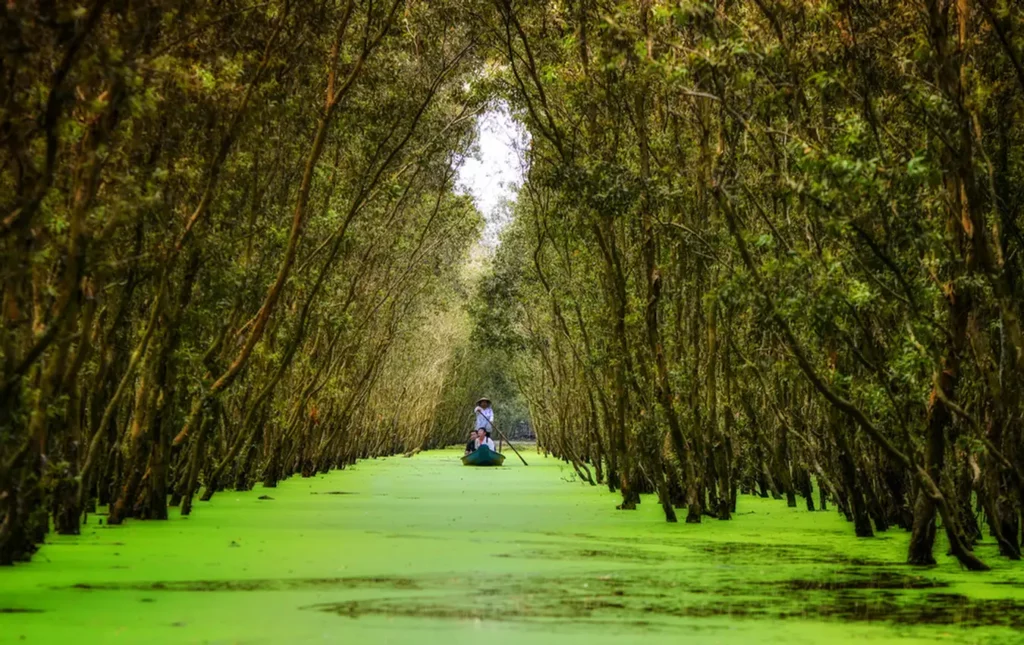
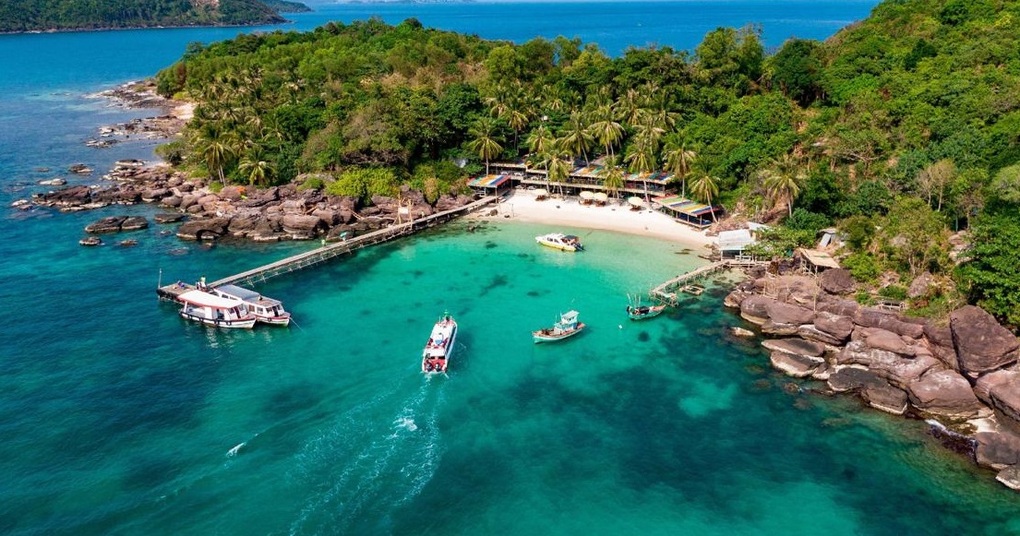
With vast rice fields, orchards heavy with fruit, and a rich culinary heritage, visitors will have wonderful experiences when coming to the riverine land of Sóc Trăng.
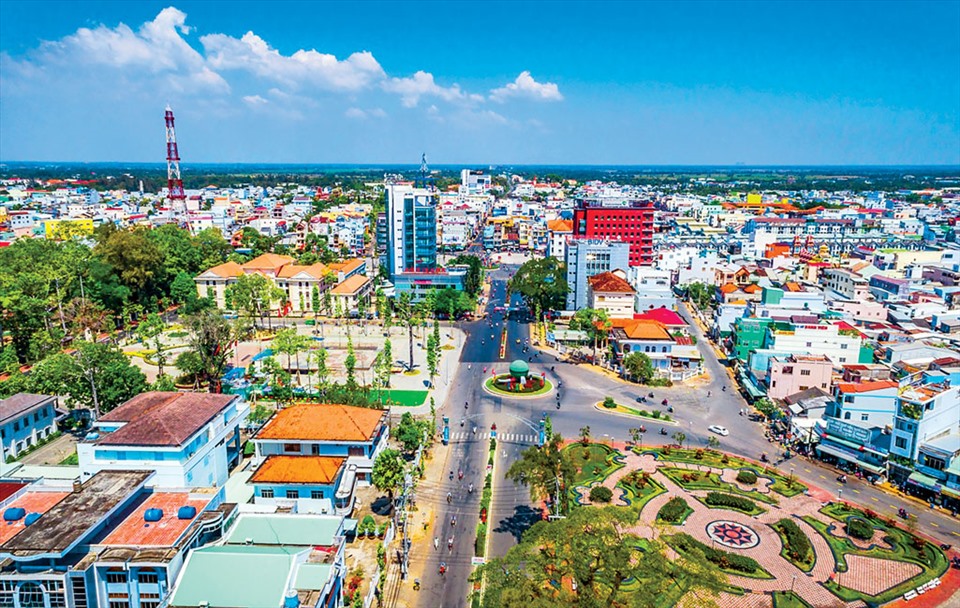
Sóc Trăng is considered one of the most beautiful and poetic cities in the Mekong Delta, where three cultures—Kinh (Viet), Chinese, and Khmer—harmoniously blend together. The information below hopes to help you have an unforgettable trip to Sóc Trăng.
Weather
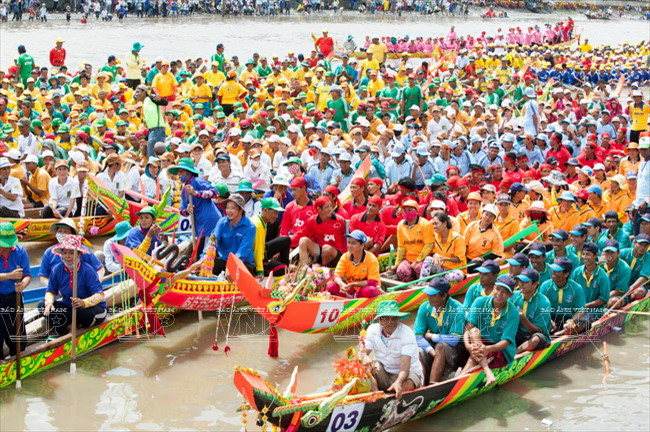
Sóc Trăng has two distinct seasons: the rainy season (May to October) and the dry season (November to April of the following year). You can visit Sóc Trăng any time of the year, but if you come in November, you’ll have the chance to experience the exciting and vibrant Ooc Om Bok Festival and the famous ghe ngo (dragon boat) racing.
Getting There
Located about 240 km from Ho Chi Minh City, visitors can choose to drive their own car, take a coach, or even go on a motorbike adventure—the roads are very convenient. The journey takes around 6 hours.
Top Attractions
Ooc Om Bok Festival and Ghe Ngo Boat Racing
Every year in the 9th lunar month, local people release floating lanterns on the water—an important ritual during the Ooc Om Bok Festival and ghe ngo racing. These lanterns are usually rafts made from banana trunks or bamboo, shaped like boats, beautifully decorated, and lit with many candles inside. Offerings typically include rice, salt, local produce, and fruits, as people pray for favorable weather and a bountiful harvest. This festival always attracts many tourists.
Historical sites: Chùa Dơi (Bat Pagoda), Chùa Đất Sét (Clay Pagoda), etc.
Sóc Trăng is home to many ancient architectural structures rich in historical significance, such as Tầm Vu Pagoda, which is nearly 350 years old and features unique Khmer architectural art typical of southern Vietnam. Other notable sites include Chùa Dơi (Bat Pagoda) and Chùa Đất Sét (Clay Pagoda).
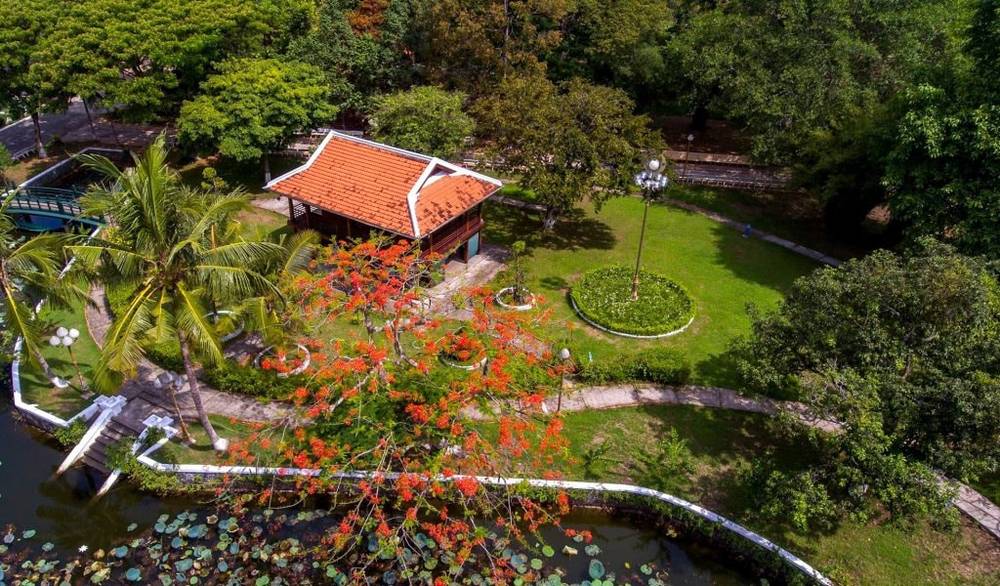
Provincial Committee Base Historical Site
Built during the early years of the resistance war against the French, the entire site is located within a vast melaleuca forest covering 20,000 hectares, surrounded by a network of rivers and lush green vegetation.
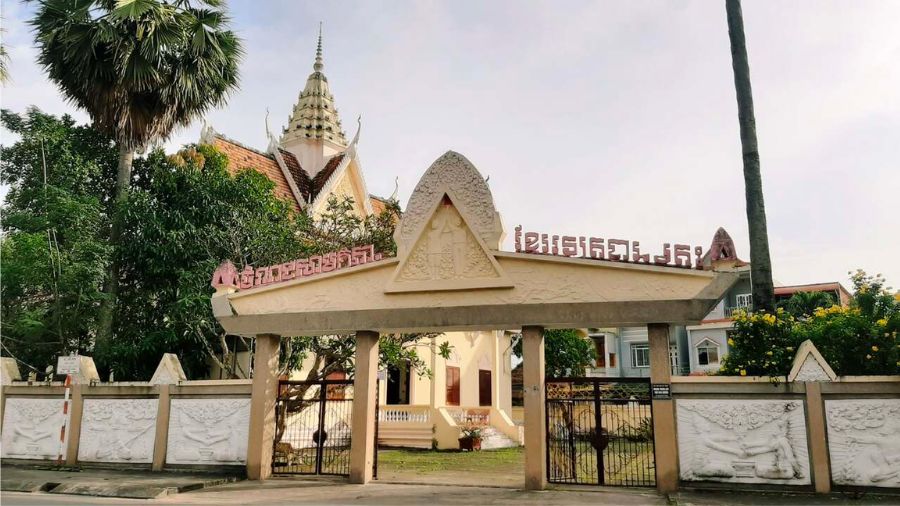
Khmer Museum
The museum displays many valuable artifacts reflecting the material and spiritual life of the Khmer people across generations, including traditional clothing, house architecture, pagodas, and musical instruments.
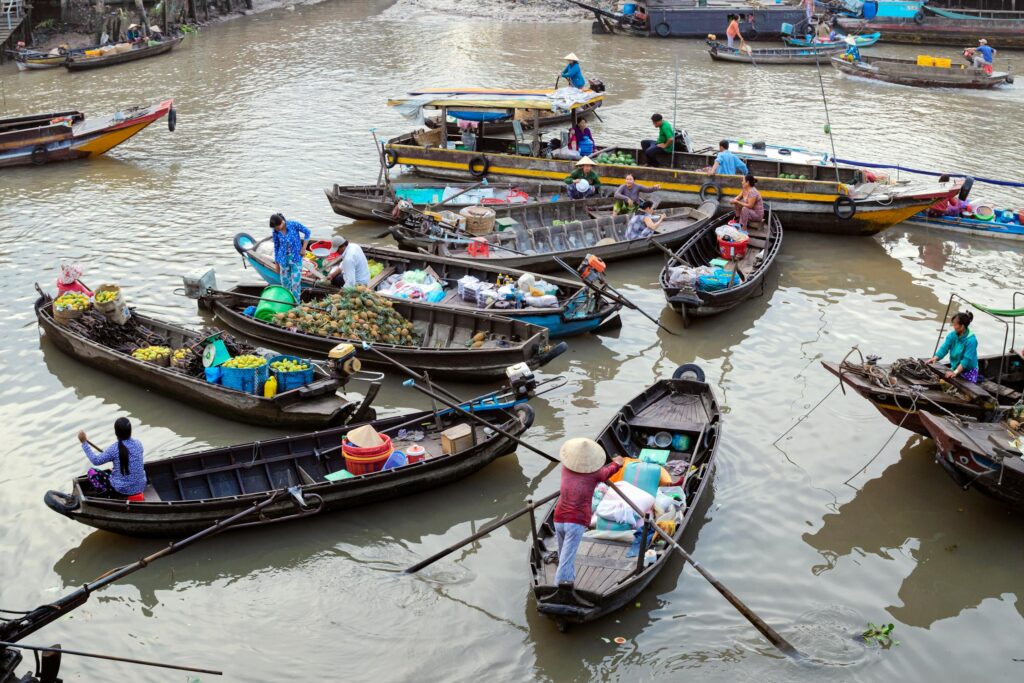
Ngã Năm Floating Market
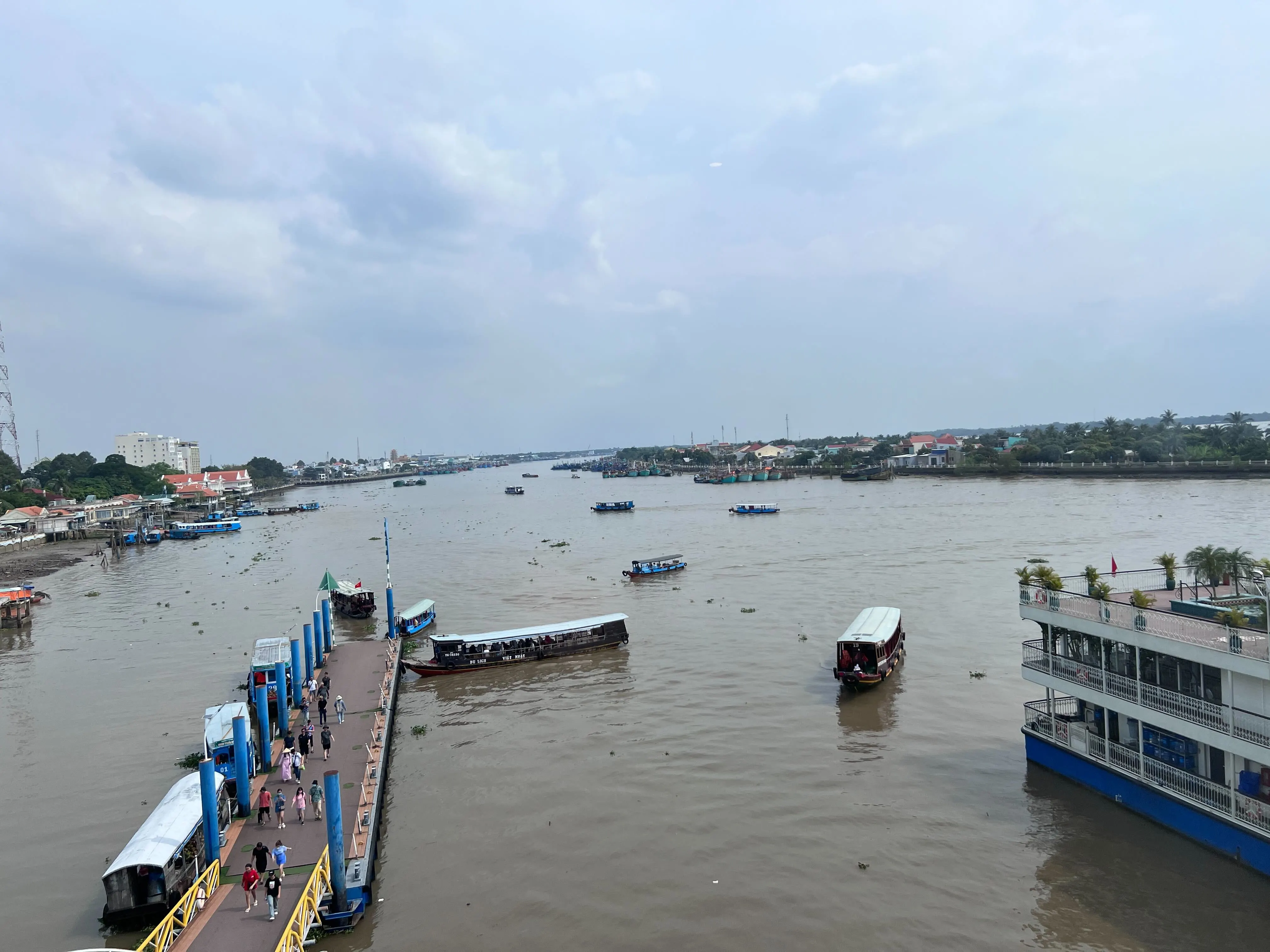
This is the confluence of five rivers flowing in five directions—always bustling with activity. Visitors can experience the daily life of locals through the lively buying and selling on boats. It’s also a great opportunity to taste the fresh fruits of the Mekong Delta.
Tân Long Stork Sanctuary
A large garden that is home to thousands of storks and various bird species. The most wonderful moment is early morning or late afternoon, when you can watch flocks of storks flying and enjoy the peaceful atmosphere.
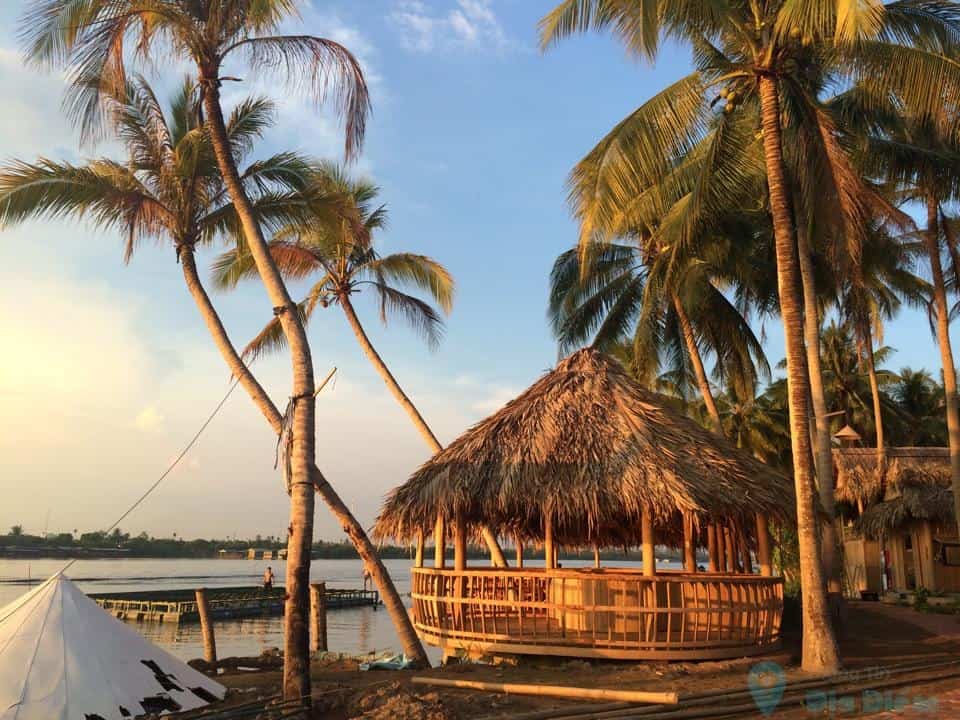
Cồn Mỹ Phước Eco-Tourism Area
Visitors can enjoy fruits such as longan, rambutan, mangosteen… from lush orchards on the river island along the Hậu River, and explore the daily life of the rural people.
Delicious Local Foods
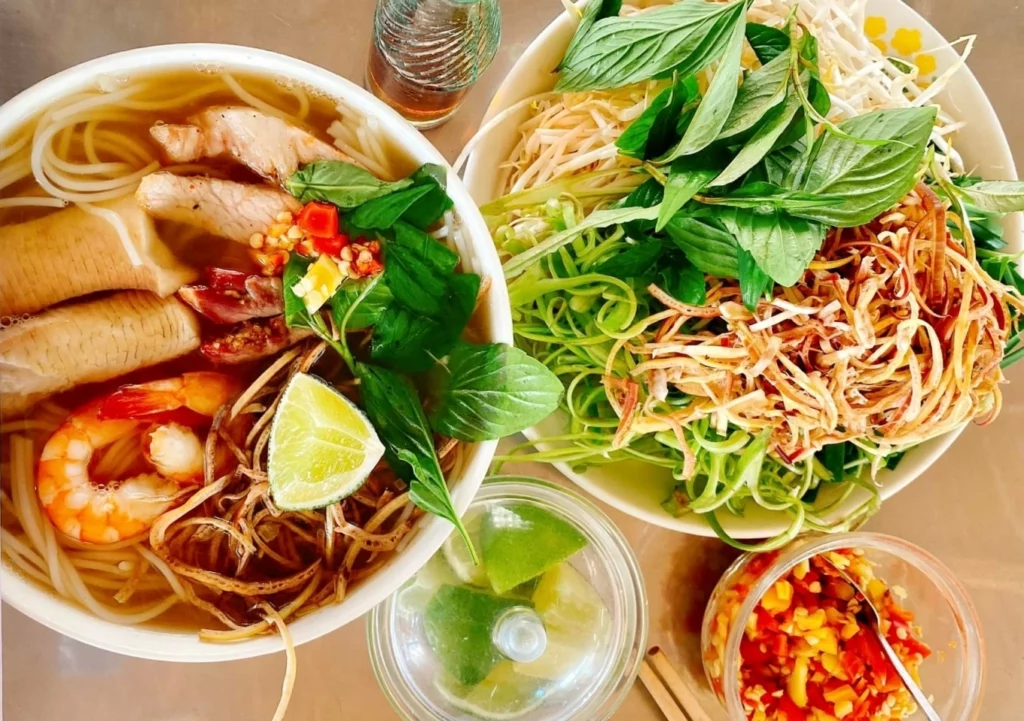
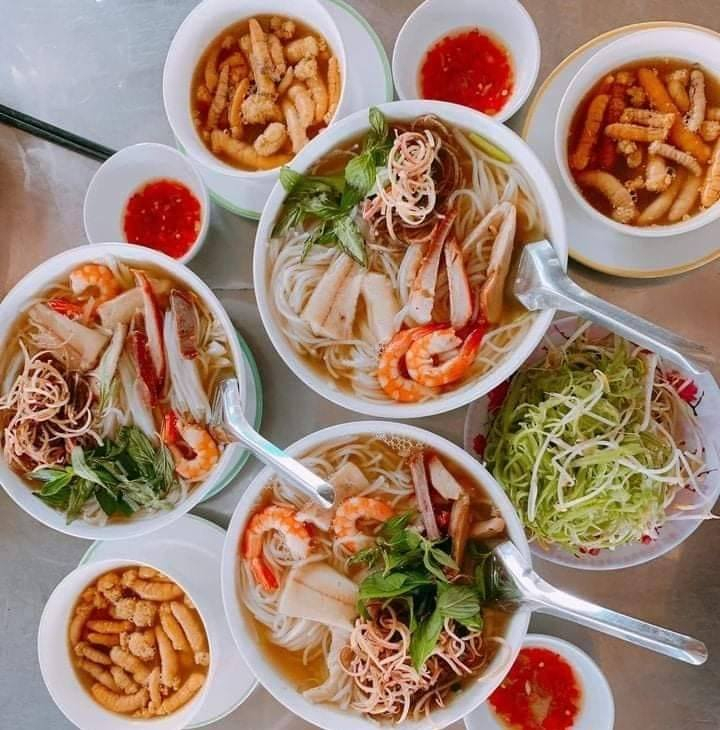
Bún nước lèo from Sóc Trăng is famous for its unique combination of ingredients, creating a flavor unlike anywhere else. The broth is made from coconut, lemongrass, and various Khmer-style fermented fish pastes. Toppings include thinly sliced pork, shrimp, chili, and fresh herbs.
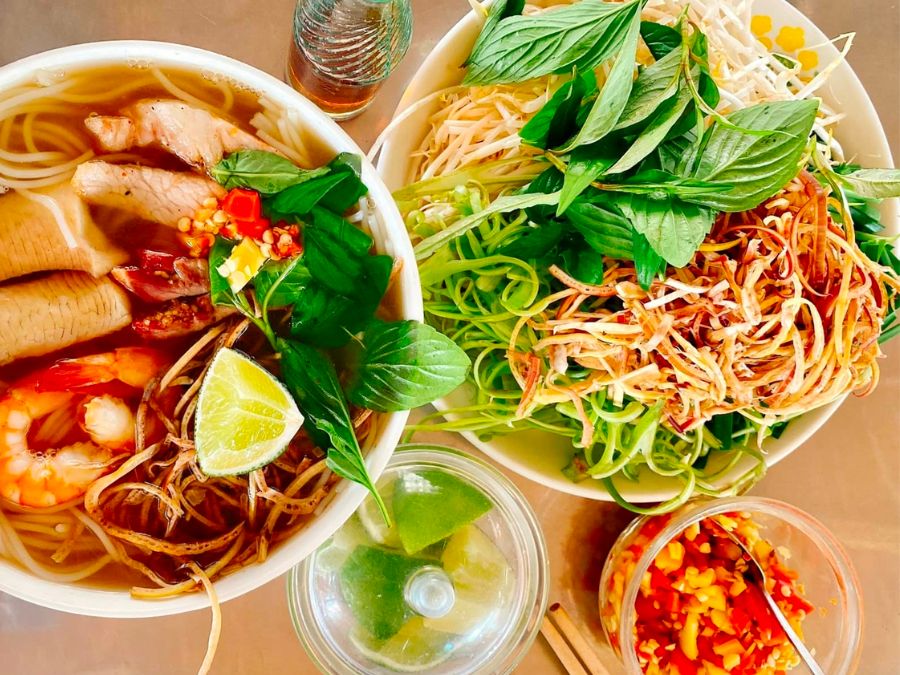
Bún Gỏi Dà
Beansprouts and rice vermicelli are blanched in rich broth, then served with shredded pork belly, shrimp, a bit of fermented soybean paste, minced chili, and eaten with lettuce and fresh herbs. What makes this dish unforgettable is the tangy-salty broth made from tamarind and fermented soybean paste.
Bún Vịt Nấu Tiêu (Duck Vermicelli with Pepper)
Duck meat is marinated with pepper and spices, lightly cooked, then simmered in a broth made from bones and fresh coconut water. Served with beansprouts, shredded water spinach, sliced banana blossom, basil… very delicious.
Mì Sụa (Soy Noodles)
Made primarily from soybeans, giving the noodles a beautiful golden color. Mì sụa can be stir-fried with vegetables, mushrooms, seafood, or pork/chicken, served with soy sauce or fish sauce with chili and vinegar. Sweet mì sụa is often cooked into a dessert with boiled eggs—sweet and unique.
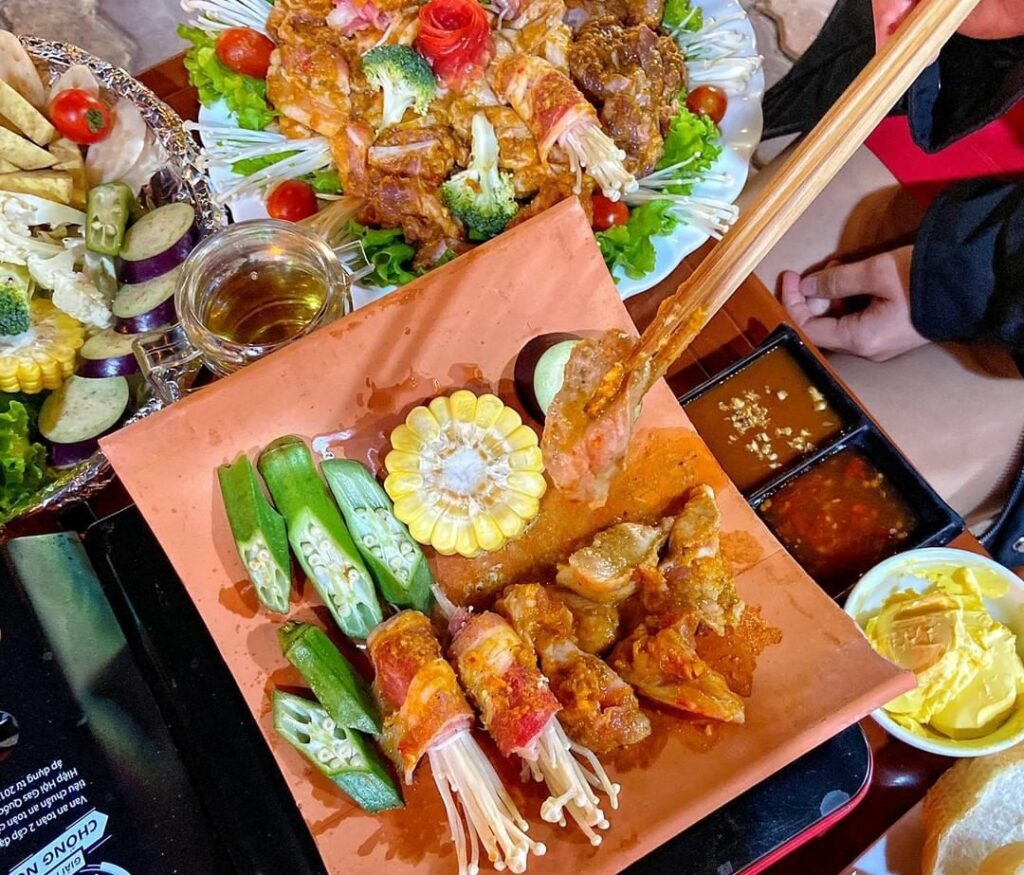
Bò Nướng Ngói (Tile-Grilled Beef)
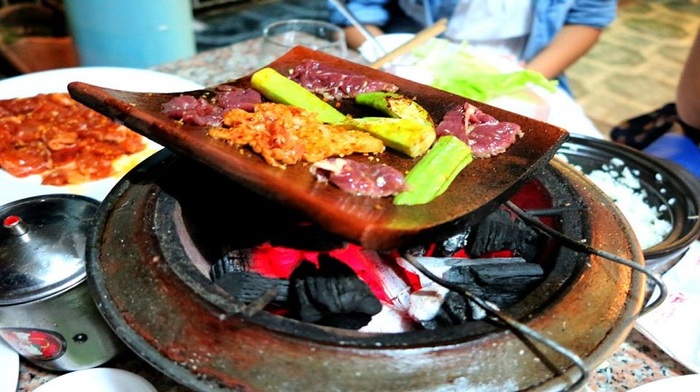
In the past, people used curved terracotta tiles to grill the beef; nowadays, thick stainless steel sheets have replaced them.
Cháo Lòng Bưng Cóc (Bưng Cóc Offal Porridge)
Cooked with good rice and various pork offal like kidney, heart, liver, throat, and lung. The unique highlight is the special homemade pork sausage served alongside.
Cháo Cá Lóc Rau Đắng (Snakehead Fish Porridge with Bitter Herb)
A signature dish of the region made with rice, snakehead fish, and bitter herbs (rau đắng). The sweet, fragrant wild fish combines perfectly with the slight bitterness of the herb and the rich, tangy fish sauce—truly captivating.
Souvenirs
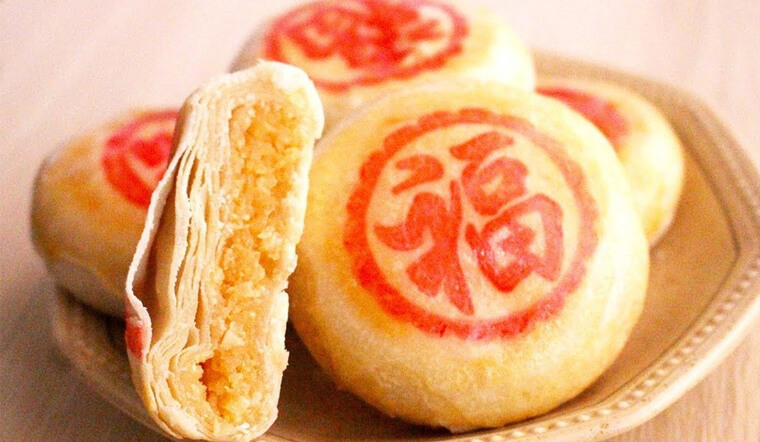
Bánh Pía
Famous for its distinctive flavor: the fragrant durian aroma, the rich saltiness of salted duck egg yolk, the nutty taste of green mung bean and taro, plus a crispy golden crust.
Bánh Cống
The crispy shell is made from rice flour, soybean flour, and egg, while the filling consists of seasoned minced pork mixed with finely chopped shallots and a bit of steamed green mung beans.