Đong ThapSet aside the hustle and bustle of daily life for a while, gather with friends and loved ones, and return to the peaceful countryside to enjoy a sense of relaxation while exploring Xẻo Quýt Tourist Area during the flood season.Xẻo Quýt Tourist Area, Đồng Tháp
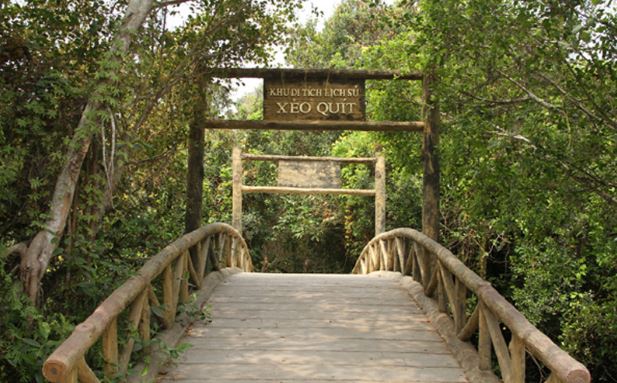
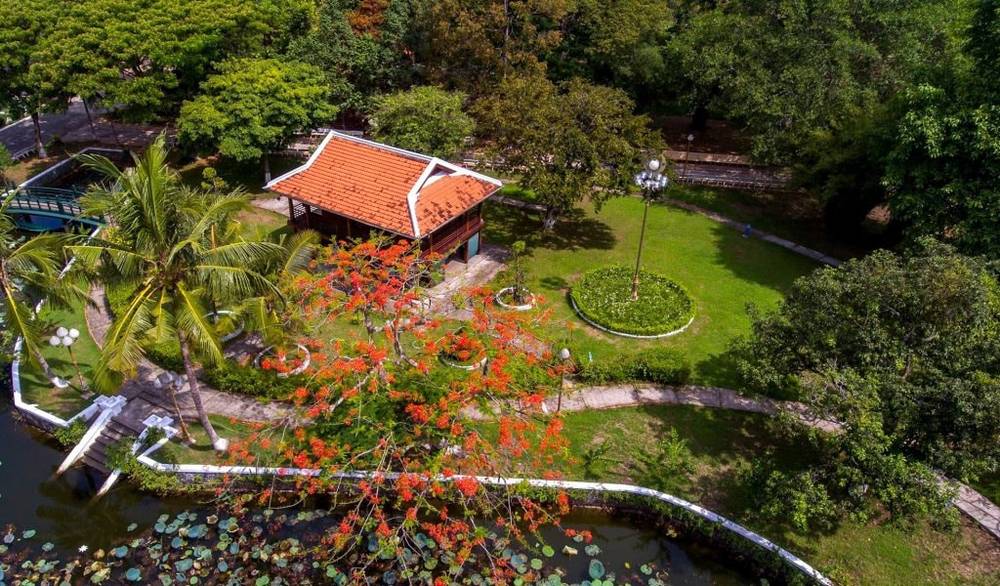
The Xẻo Quýt historical site covers an area of 50 hectares, including 20 hectares of melaleuca forest. It is located in Mỹ Long and Mỹ Hiệp communes, more than 30 km from Cao Lãnh City.
During the resistance war against the United States, this place served as a military base. Today, Xẻo Quýt has become a well-known destination for “return-to-the-roots” tours, attracting both domestic and international visitors.
Xẻo Quýt Tourist Area, Đồng Tháp
In the past, Xẻo Quýt was a vast wilderness covered with wild grass, featuring treacherous terrain. For this reason, it was chosen by the Kiến Phong Provincial Party Committee at the time (now Đồng Tháp Province) as a resistance leadership base. The melaleuca forest was planted by local people to protect and shelter revolutionary cadres. Trenches, bomb shelters, secret tunnels, meeting houses, and other wartime structures built by the people have been carefully preserved to this day.
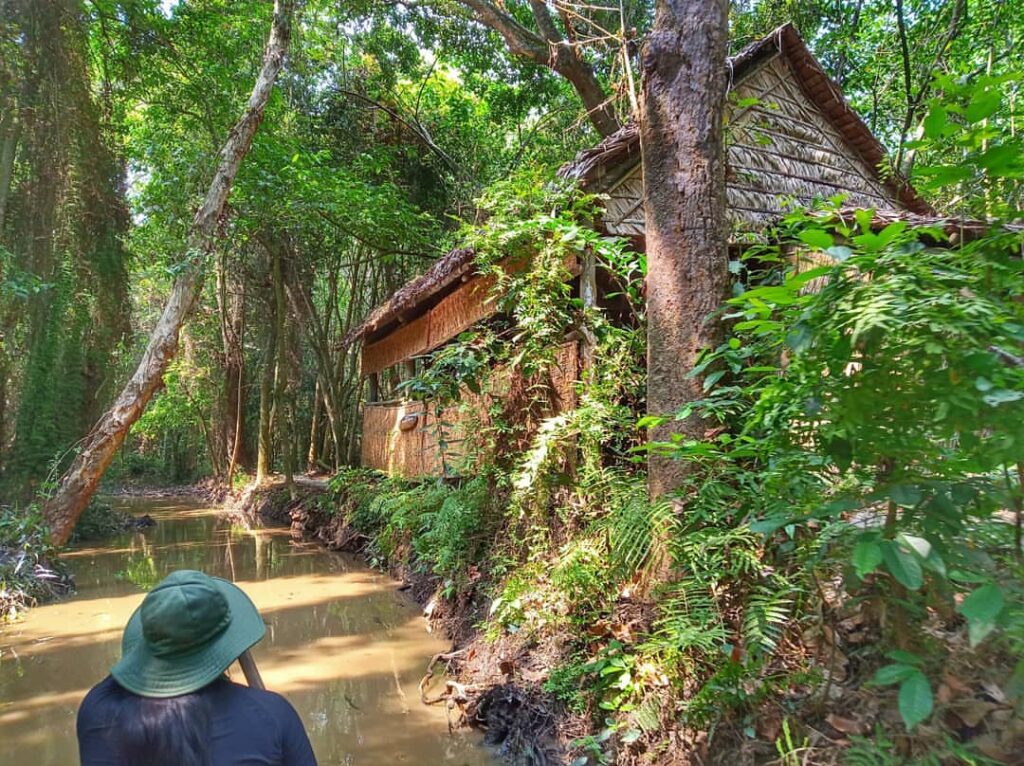
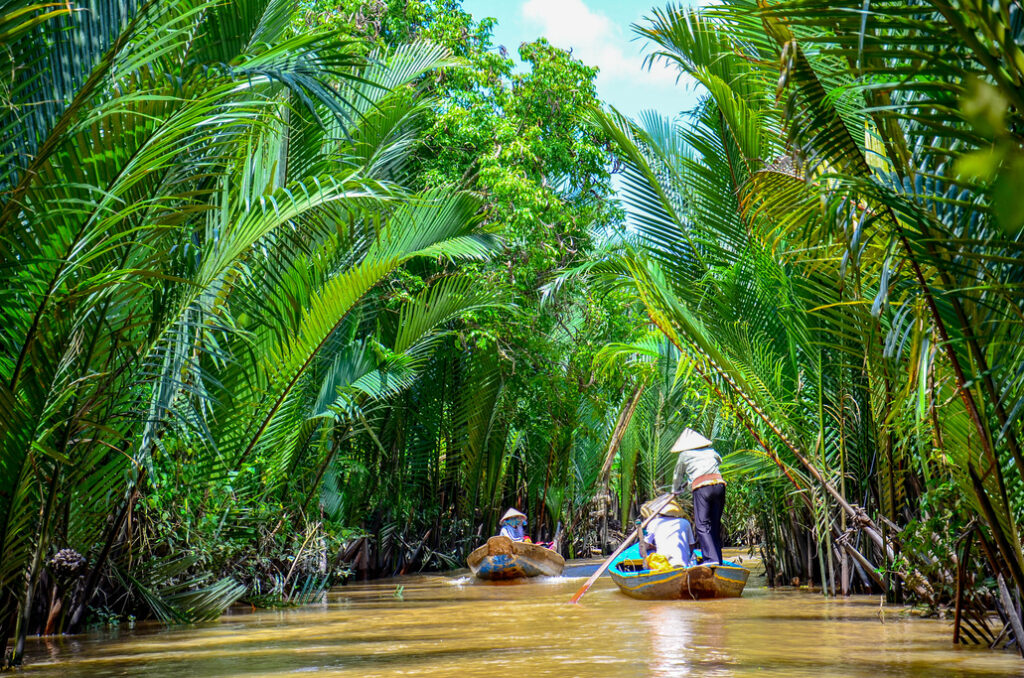
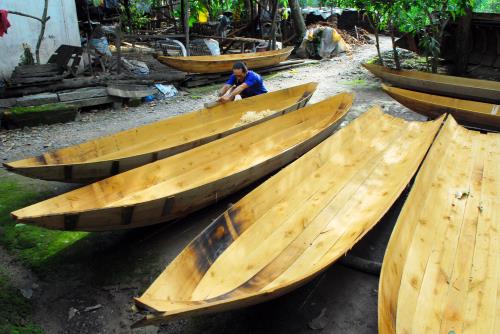
Upon arriving at Xẻo Quýt, visitors are immediately immersed in a breathtaking natural landscape. During the dry season, you can wander along winding trails beneath the cool shade of melaleuca trees. In the flood season, aboard a traditional three-plank boat, female guerrillas dressed in black bà ba outfits, checkered scarves, and boonie hats guide you through narrow, pristine canals to hidden historical sites deep within the vast melaleuca forest.
Xẻo Quýt Tourist Area, Đồng Tháp
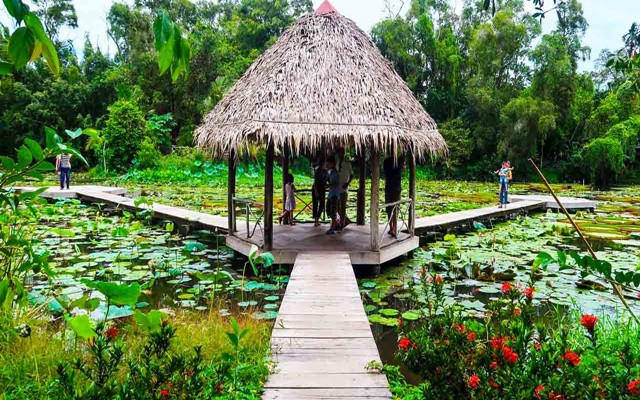
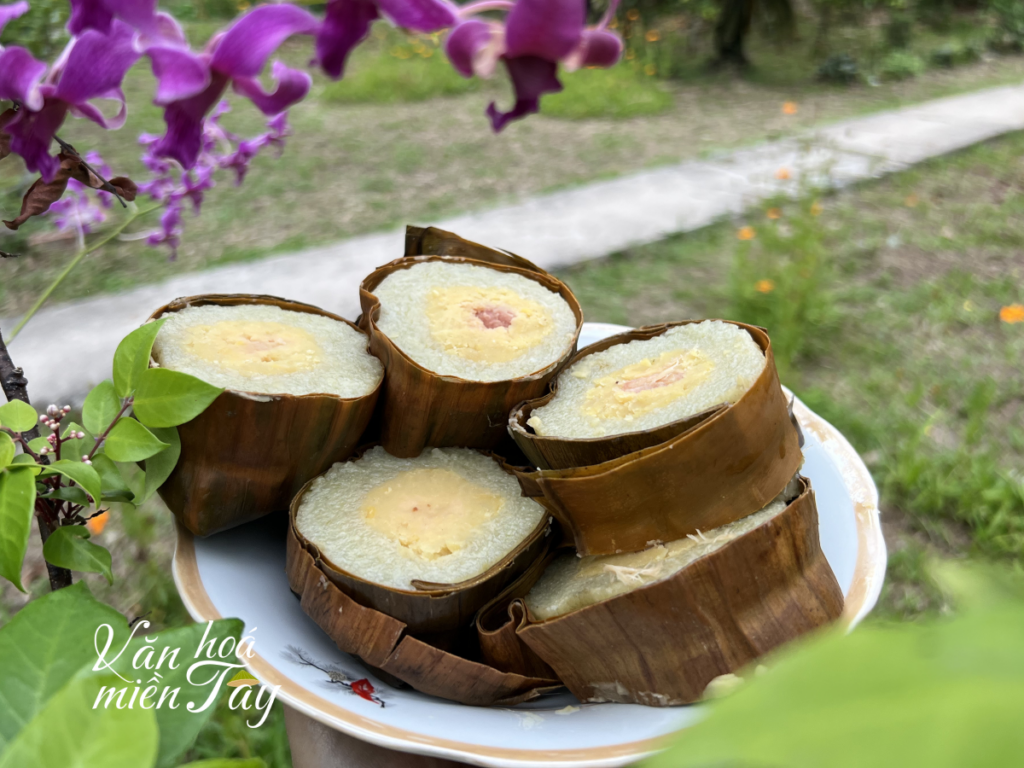
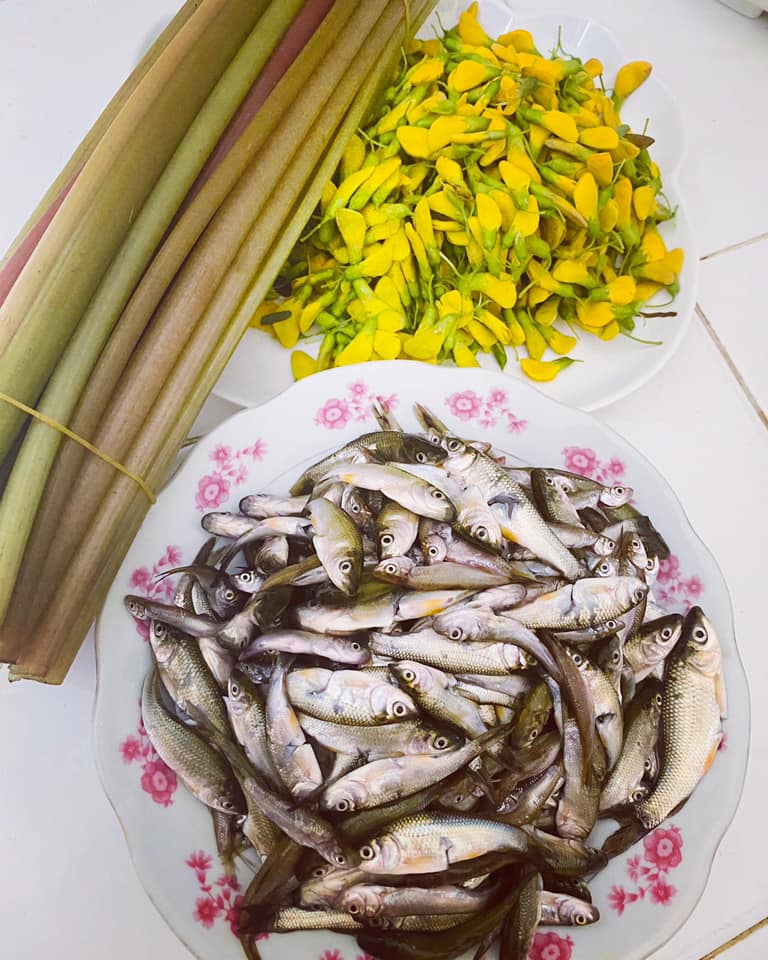
The ecosystem here is remarkably diverse, featuring more than 170 plant species such as melaleuca, gáo trees, reeds, water apple, lotus, and water lilies, as well as over 200 species of wildlife. Among them are 13 species listed in the Vietnam Red Data Book, including Burmese pythons, rat snakes, otters, and box turtles. For this reason, Xẻo Quýt is often referred to as a “miniature Đồng Tháp Mười.” Along the way, visitors are invited by local female guides to enjoy a light, rustic specialty of the region: lotus-leaf-wrapped rice balls with sesame salt.
In addition, the Xẻo Quýt historical site boasts a rich ecosystem with more than 170 plant species and 200 wildlife species, including 13 listed in the Vietnam Red Data Book such as Burmese pythons, rat snakes, otters, and box turtles.
You will relive the atmosphere of the former war zone as you observe A-shaped bomb shelters, individual L-shaped secret tunnels, and Z-shaped combat trenches—faithfully restored just as they once were. There are also former “no-man’s-land” areas where grenades were once installed to counter helicopters and armored infantry vehicles.
Amid the wild natural surroundings typical of the Đồng Tháp Mười ecosystem, you can clearly hear the rhythmic splash of oars stirring the water, fish leaping at the surface, and the gentle rustling of wind through the leaves. Breathing in the fresh air fills your lungs, and the dust and fatigue of city life seem to wash away instantly.
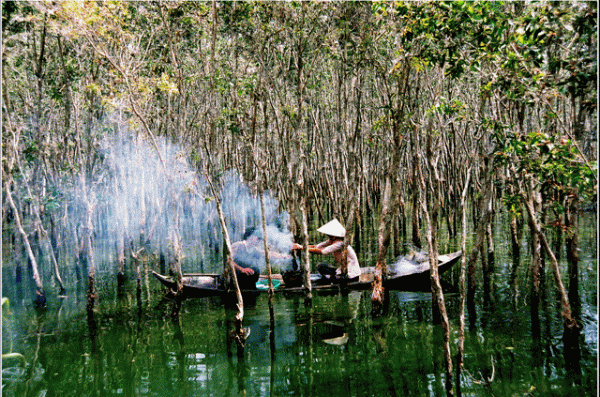
One particularly interesting experience at Xẻo Quýt is “rowing out to lift fishing nets.” Gently swaying on a three-plank boat along the melaleuca forest, visitors help retrieve nets to catch fish and shrimp. The fresh catch is then prepared by local people into regional specialties such as fried catfish with mango fish sauce and steamed apple snails with fermented rice.
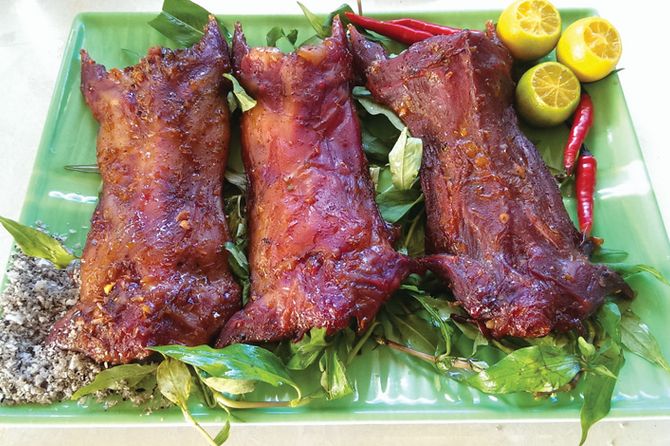
Grilled snakehead fish wrapped in lotus leaves, grilled field rats, sour soup with swamp eels, and charcoal-grilled frogs are among the local delicacies. There is nothing more enjoyable than savoring these dishes while listening to and interacting with traditional *đờn ca tài tử* music, then freely exploring the pristine melaleuca forest, recreational fishing, or simply hanging a hammock to rest beneath the lush green canopy.
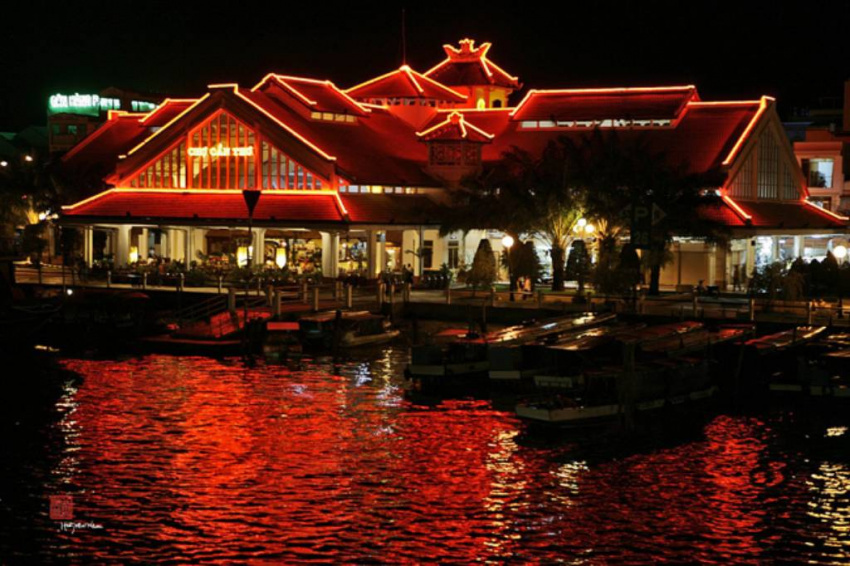
Tây Đô Night Market is located about 1 km from the center of Cần Thơ City, to the west of the Hậu River, within the Cần Thơ International Exhibition Fair Center. It is a major commercial hub of the southern provinces and also an attractive destination for entertainment and tourism. Tây Đô Night Market Although...
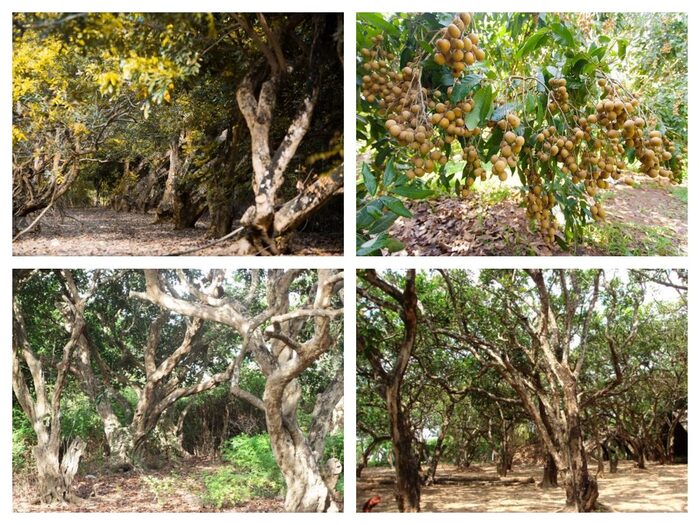
In Bạc Liêu, there is an ancient longan garden that is now over a hundred years old. This is the most unique longan garden in the Mekong Delta, an attractive garden-tourism model, and a source of pride for the local people. Nature has generously bestowed this place with fertile land, creating favorable conditions for the...
Upon arriving in Cà Mau, tourists board small motorized boats (vỏ lãi) and glide along the Trèm Trẹm River, Cái Tàu River, and Đốc River to explore the U Minh Hạ Melaleuca Forest. The U Minh Hạ Melaleuca Forest borders the U Minh Thượng Melaleuca Forest (in Kiên Giang Province) and covers a total area...
Viewed from above, Trà Tim Pagoda and Sóc Trăng Airport appear as if they are located on a giant ship, with the pagoda positioned at the bow (from the direction of Bạc Liêu) and the airport situated at the rear.Trà Tim Pagoda was established nearly 500 years ago on a high sandy mound. It is...
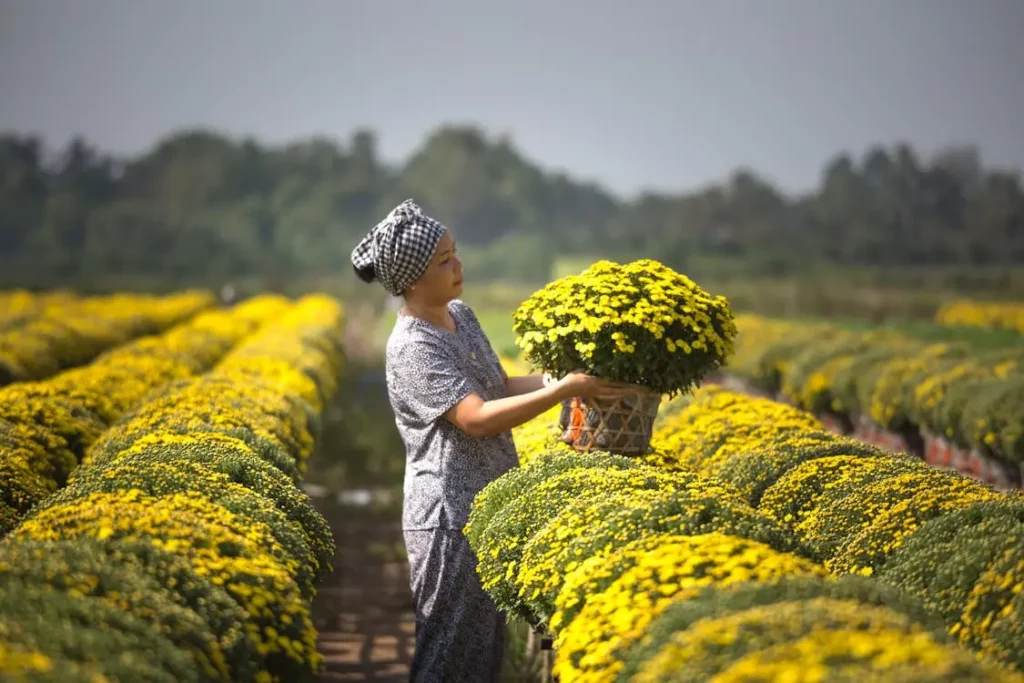
Sa Đéc Flower Village – one of the major ornamental flower centers of southern Vietnam – is located in Tân Quy Đông Commune, Sa Đéc Town. It covers an area of about 60 hectares, with 600 households and 3,600 workers specializing in growing flowers and ornamental plants. When swallows return, signaling the arrival of spring,...
The Mekong Delta is not famous for long, flat beaches with crystal-clear water. Instead, the seas of the Mekong Delta are known for their own unique charm, often affectionately referred to as “orchard seas.” Tan Thanh Beach – The Sea and Clams If you are looking for peace and tranquility—watching the sun set, leisurely strolling...
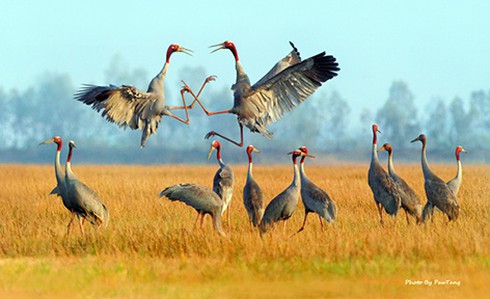
The endless expanse of melaleuca forest stretching as far as the eye can see, lush green grasslands amid the vast river landscape, flocks of birds soaring over the lake, or the majestic beauty of the Sarus Crane—these are unforgettable impressions for visitors to Tràm Chim National Park (Đồng Tháp). From Saigon, follow National Highway 1A...
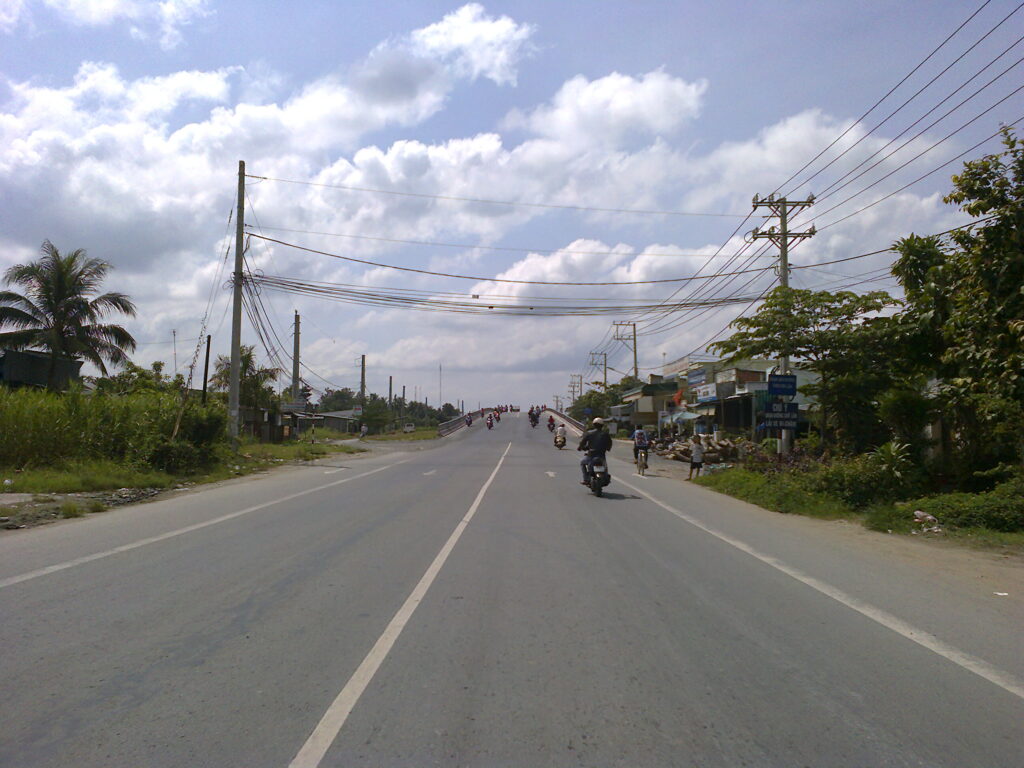
The familiar bridges around Vinh Long city have now been rebuilt to be larger and more solid. These bridges connect the banks of the river, making travel easier for the people and contributing to the enhancement of the city's appearance.
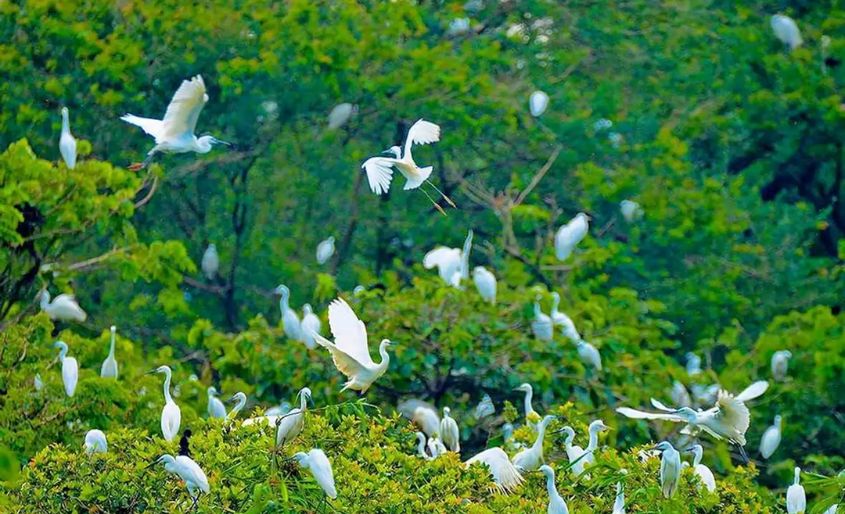
Along the banks of the Ba Lai River, the Vam Ho Bird Sanctuary in Ben Tre is covered by more than 15 hectares of pristine wild date palm forests and rich vegetation. The Vam Ho Bird Sanctuary ecotourism area covers about 68 hectares in Tan My Commune, Ba Tri District, Ben Tre Province. From Ben...
The Nguyen Sinh Sac Memorial Site was inaugurated on December 13, 1977. It is a work of gratitude dedicated to Mr. Nguyen Sinh Sac, a patriotic Confucian scholar and the father of the great leader of the Vietnamese nation – President Ho Chi Minh. The tomb of Vice-Doctor Nguyen Sinh Sac is located next to...
Vĩnh Tràng Pagoda is one of the oldest pagodas in the Mekong Delta region. After enduring years of sun and rain and the devastation of wartime bombs, the pagoda still stands majestically with its splendid beauty. The pagoda is located on a fruit garden covering nearly 2 hectares, in Mỹ Hòa village, now Mỹ Phong...
With its vast rice paddies, orchards laden with fruit, and rich culinary scene, visitors will have delightful experiences when they come to the riverine region of Soc Trang.