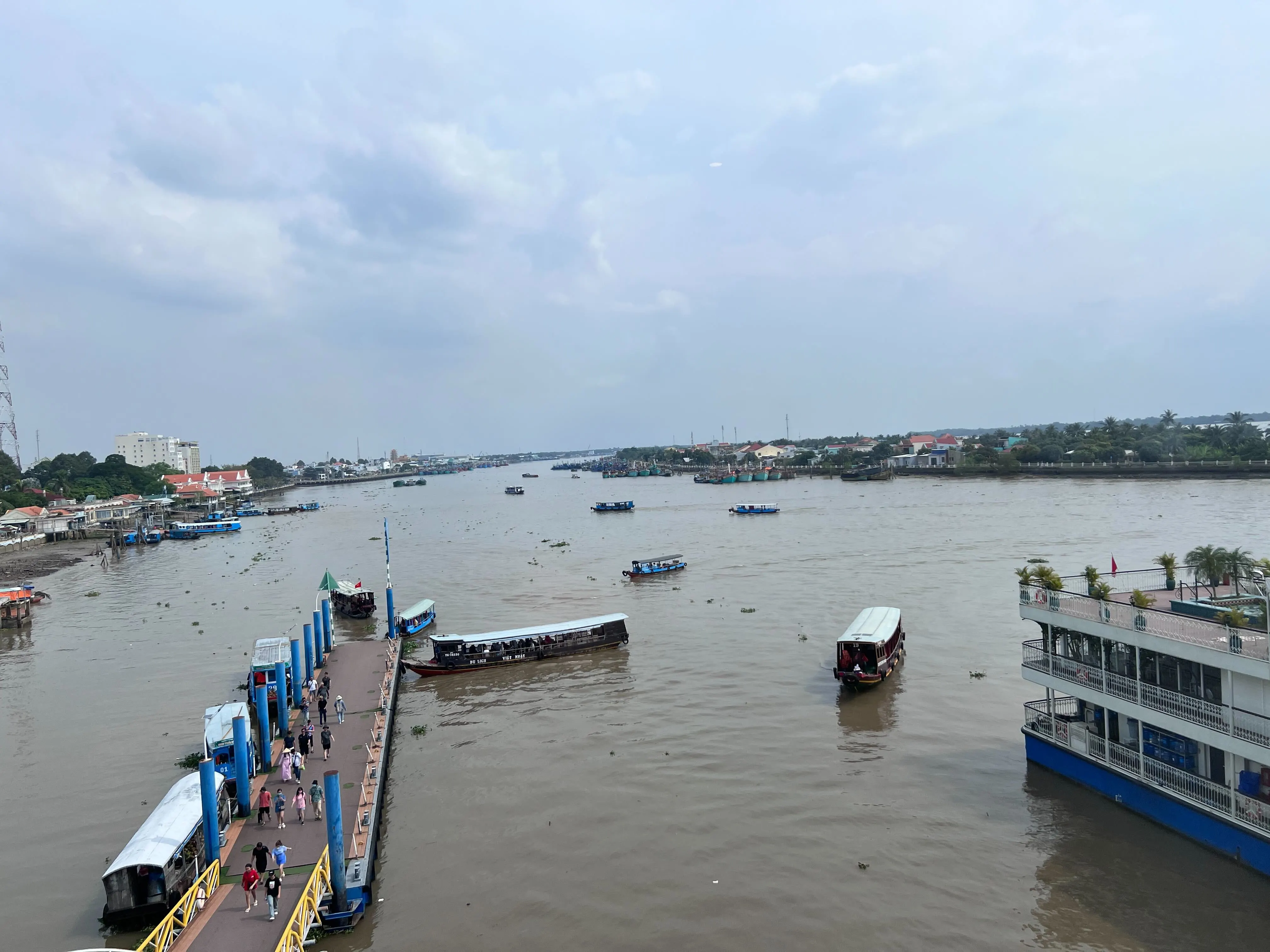
As is customary each year, around the full moon of the seventh lunar month, when floodwaters from the upper reaches of the Mekong River surge downstream, water levels rise rapidly in the upstream districts of the Đồng Tháp Mười and the Long Xuyên Quadrangle. This is also when people living along the upper Mekong Delta enter the season of catching young linh fish—one of the most distinctive products of the flood season.
The flood season in the Mekong Delta usually begins around the sixth to the tenth lunar months each year. In the early days of the season, young linh fish sold at Long Xuyên Market in An Giang Province can reach prices of 100,000–120,000 VND per kilogram. As the season progresses, linh fish become more abundant, and by near the end of the season, prices drop significantly.
Early-season linh fish, also known as young linh fish, are considered the most delicious. At this stage, the fish are not yet too large, their bones are still soft, the flesh is sweet, and their bellies contain fat, making them especially rich and tasty. Young linh fish are ideal for preparing a variety of dishes, combined with the distinctive flavors of the flood season. Notable examples include young linh fish braised in coconut water, sour hot pot, or fermented fish sauce hot pot.
As the season advances, by the eighth lunar month, the fish double in size, about as big as a finger. At this time, they are best enjoyed in sour soup cooked with điên điển flowers and wild water lily stems, or deep-fried and dipped in tamarind fish sauce—which is also quite acceptable. When the floodwaters recede and preparations begin for the winter–spring rice crop, the linh fish season truly comes to an end.
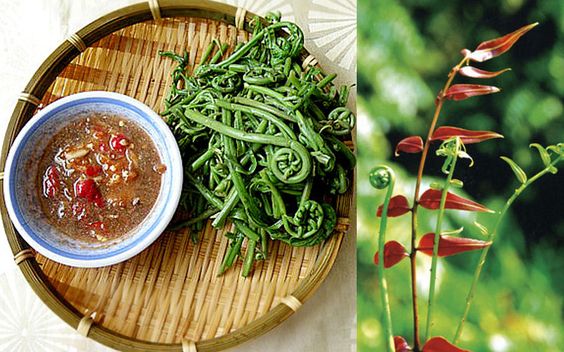
Along with young linh fish, other distinctive products of the flood season also begin to appear, including điên điển—a humble plant whose bright yellow flowers bloom along riverbanks. With its unique flavor and crisp, sweet texture, điên điển flowers are commonly used by locals to prepare various dishes. Among them, điên điển flowers served with sour linh fish hot pot are a seasonal specialty found only during the flood season.
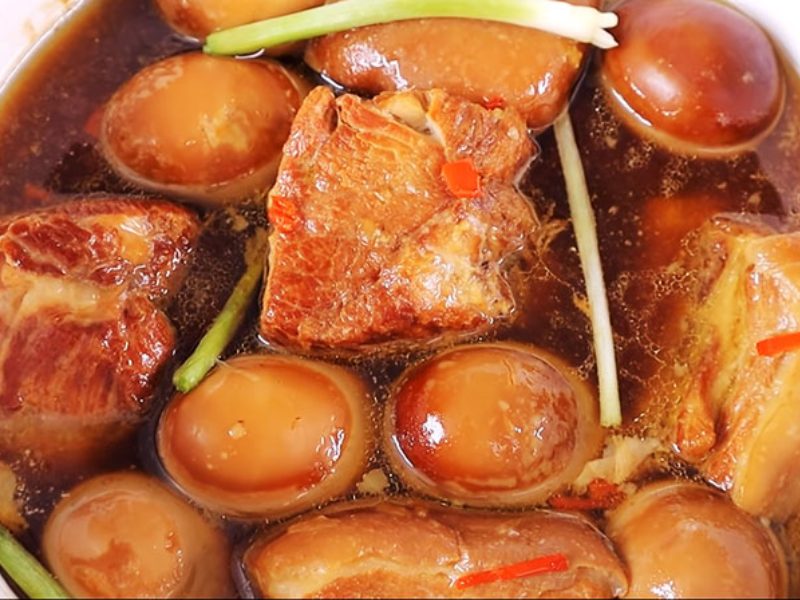
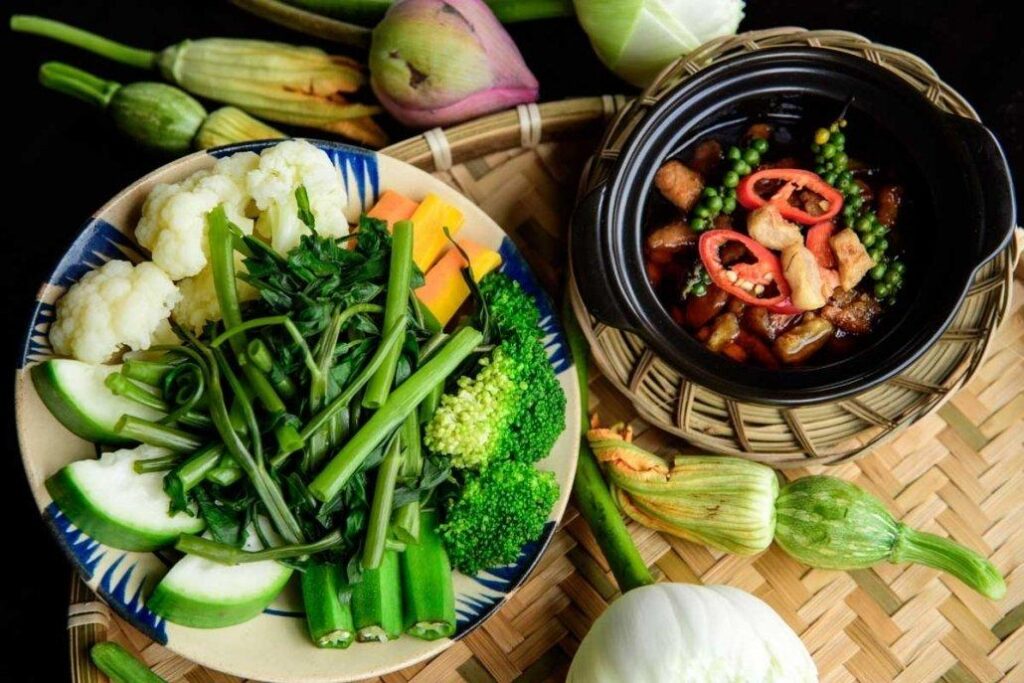
Young linh fish braised in coconut water is perhaps one of the most popular dishes. For this dish, the fish must first be cleaned. They do not need to be scaled, but the innards must be removed, after which they are seasoned to taste. For braised young linh fish in coconut water, the seasoning must include fish sauce made from linh fish, and the dish must be cooked in a clay pot to achieve the authentic flavor.
Braised linh fish in coconut water tastes best when served with hot rice, accompanied by a few young neem leaves and some mashed tamarind. The slightly bitter, sour notes combined with the rich, fatty sweetness of early-season linh fish create an unforgettable flavor for anyone who tastes it.
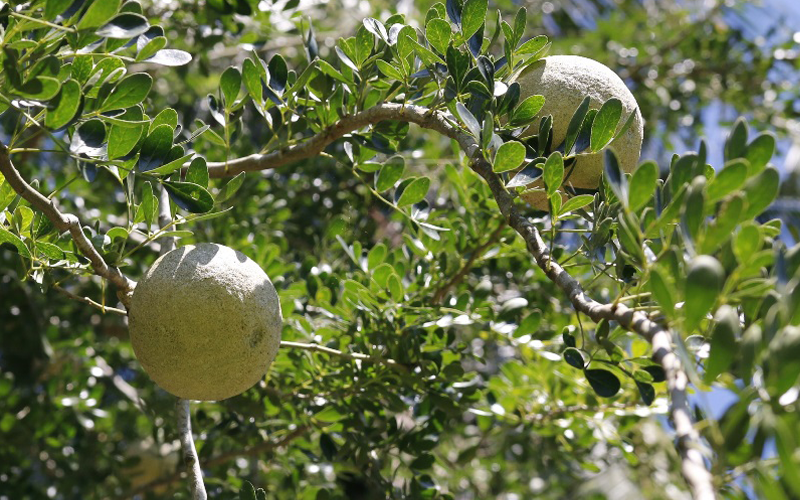
For this dish, the preparation of the linh fish is not much different from other recipes. However, the fish should be marinated with a bit of finely minced garlic and ground pepper to enhance the aroma. The broth used for hot pot is also crucial to the dish’s success. Traditionally, locals use vinegar or tamarind to create a sour taste. For a more elaborate preparation, ripe bứa fruit or bần fruit can be used to develop a distinctive flavor. The dish is not only delicious but also unique and enticing.
Young linh fish are a humble yet iconic dish of the early flood season. During the first days of flooding, visitors returning to the Mekong Delta should not miss this “variation” of linh fish specialties—a natural gift found only here, bestowed by the Mekong River.
Source: Ca Mau Online