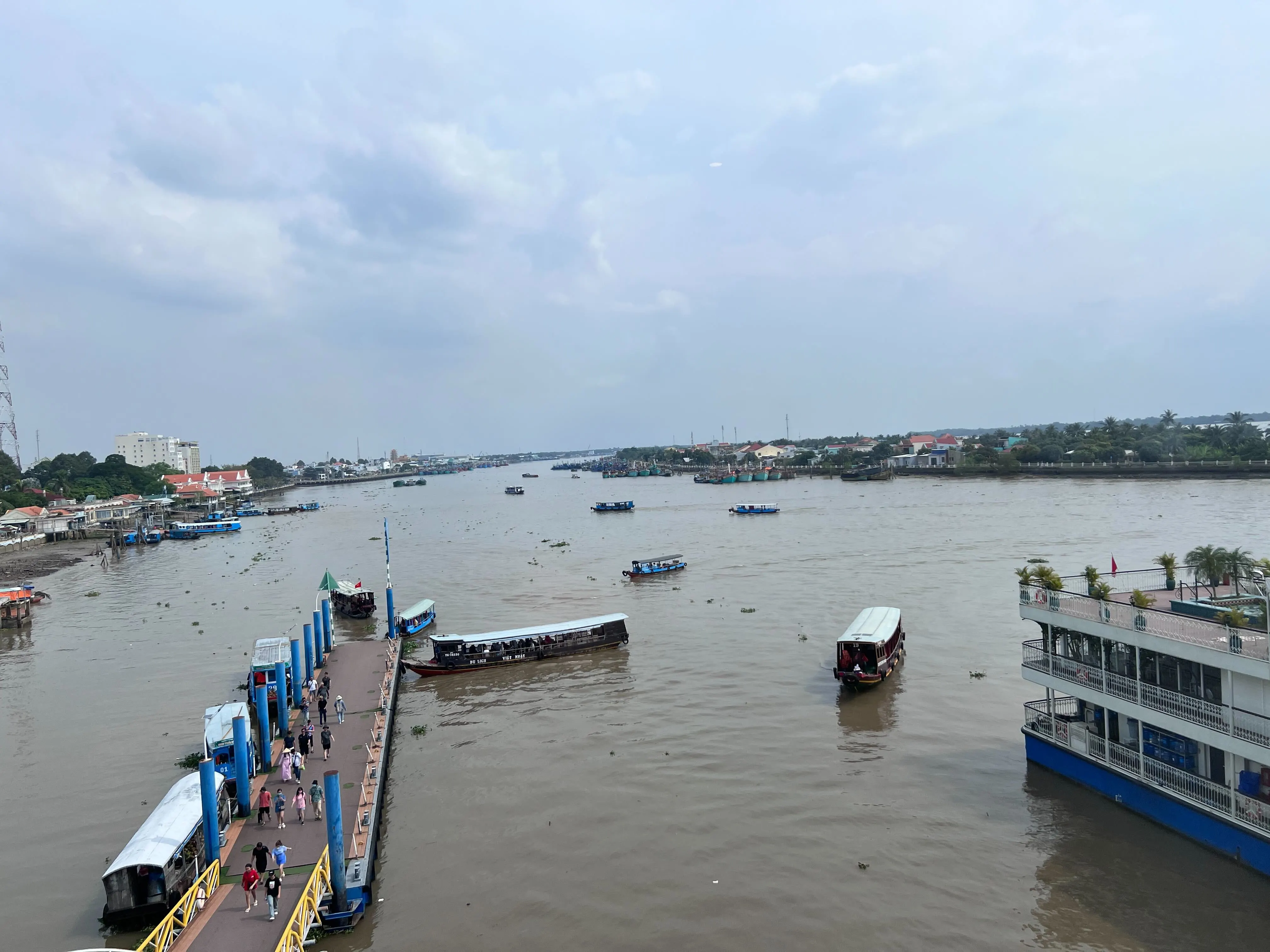
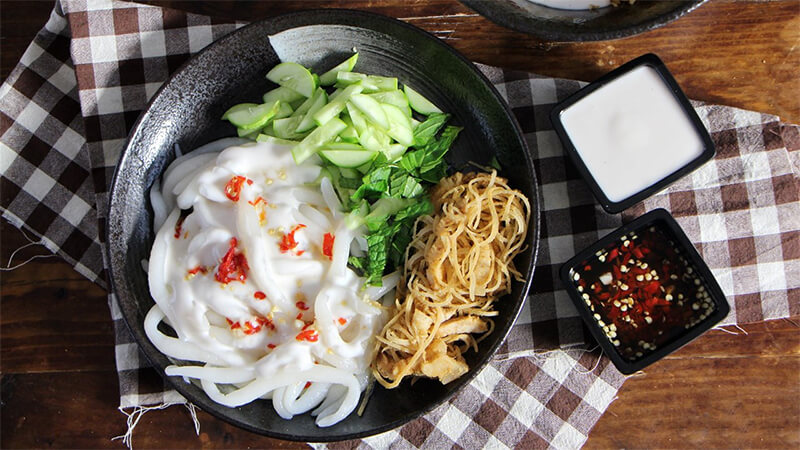
In the Mekong Delta region, when the flood season recedes, young clams appear beneath the riverbeds and canals. By around February, the clams grow larger, and this is also the time when hardworking people of the Western region enter the clam-harvesting season.
Mention clams, and people often think of Central Vietnam clams—tiny ones no bigger than rice grains. But many do not know that the Western region has its own distinctive type of clam. Perhaps due to regional characteristics, Mekong Delta clams are much larger than those from other areas. Clams are considered a “gift from heaven.”
Whether you are from the Western region or from some faraway land, if you ever have the chance to visit during clam season, don’t miss the opportunity to experience stepping into the mud to rake clams and enjoy these simple, rustic dishes.
Clam raking does not distinguish between men or women, adults or children—everyone in the village knows how to do it. People usually go clam raking during low tide. If clams are collected just for daily meals, a basket or even bare hands are enough. For professional harvesting to sell, people use specialized poles or machines. During the dry season, simply wading into the small canal in front of the house and raking for about half an hour can be enough for an evening meal.
Extracting clam meat requires a great deal of care and skill from homemakers. After raking, the clams must be washed thoroughly to remove all the mud.
Bring a large pot of water to a strong boil and add a little salt—this helps make the clam meat sweeter. When the water is vigorously boiling, add the clams. Fresh clams, when suddenly exposed to hot water, will pop open, releasing the meat before it fully cooks. Stir quickly a few times and scoop out the meat. Since the meat is only about the size of a fingertip, it will float to the surface. The key technique is to scoop quickly—overcooking will make the clams mushy and less delicious.
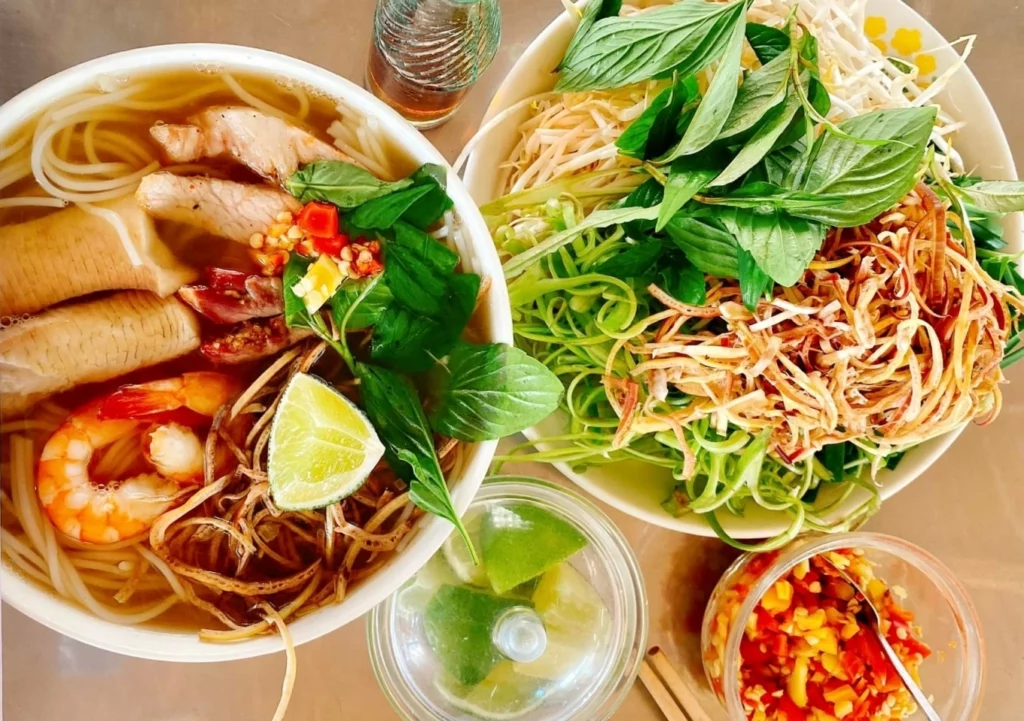
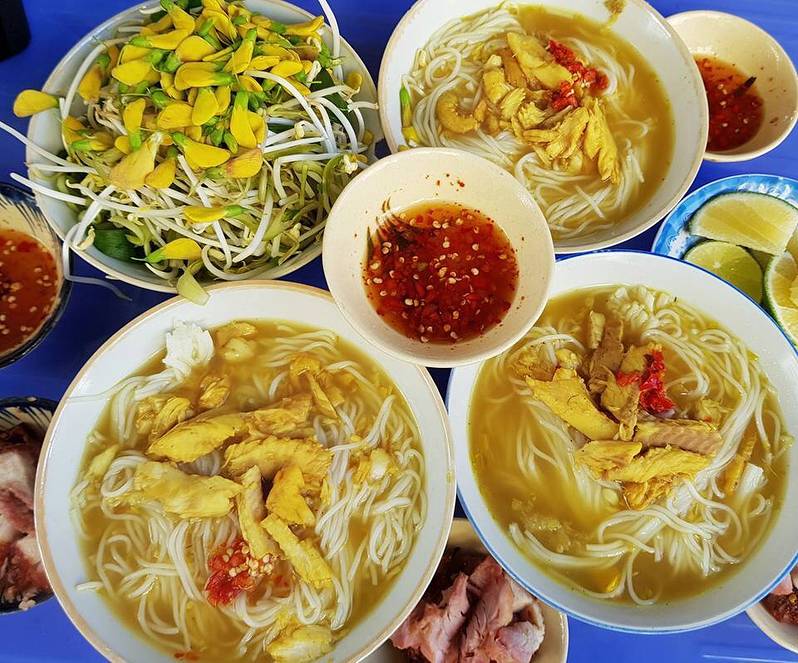
Among clam dishes, people in the Western region are especially fond of clam-filled bánh xèo, clam porridge, clams stir-fried with chives, clams cooked in sour soup, and countless other dishes.
Bánh xèo is a dish that every person from the Mekong Delta craves at the mention of it. Both children and adults start longing for it from the very first sizzling pancakes poured onto the pan by their mother’s hands.
Clam-filled bánh xèo may be simple and rustic, yet it carries the sweetness of the river and the wharf. People in the Western region do not wrap bánh xèo in rice paper but instead use various garden leaves readily available, such as wild betel leaves, elephant ear leaves, mustard greens, and more.
Homestyle bánh xèo is sweet and fragrant from homegrown ingredients, and perhaps that rural aroma lingers in people’s souls through the warmth of family gatherings.
Have you ever tried clams braised with lemongrass and chili? If not, you should try it right away. Though simple, this dish is incredibly rice-friendly. The salty, spicy flavor of lemongrass blended with the sweet clam meat, eaten with hot rice, truly captures the essence of the Western region.
For those seeking something refreshing, there is clam porridge. It is cooked like other types of porridge, but for richer flavor, the clam-boiling water is used to cook the rice. The rice is lightly roasted until golden before cooking, the clams are stir-fried with scallions until fragrant, and a splash of good fish sauce is added—soon you have a steaming, aromatic pot of clam porridge.
Clams, a gift from nature, are the blessings carried by silt-heavy rivers, given to honest, simple people to warm their hearts through difficult times.
The small, gentle clam of a hardworking past.
The clam of a homeland filled with affection.
From meals rich with the flavors of the river countryside, children from poor villages grow up, leave home, and succeed—yet still remember a time when their mother carefully scraped and saved…
No matter where they go, in the heart of every child there is never forgetting their roots—loving each riverside wharf, and whenever the water runs low, remembering the homeland river—the clam season!
Bang Tam