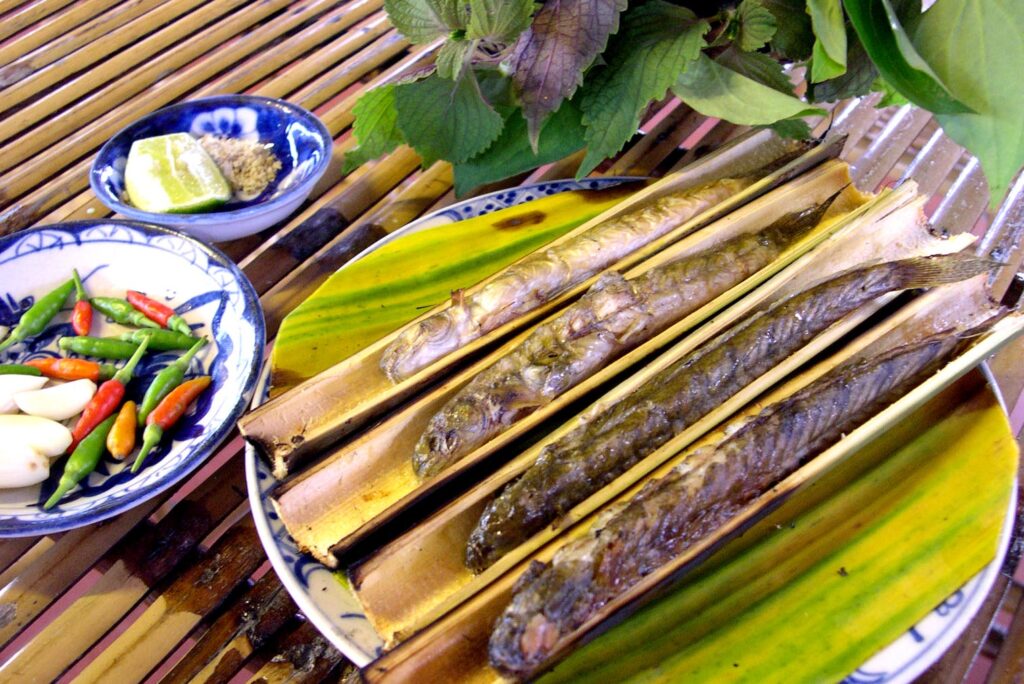
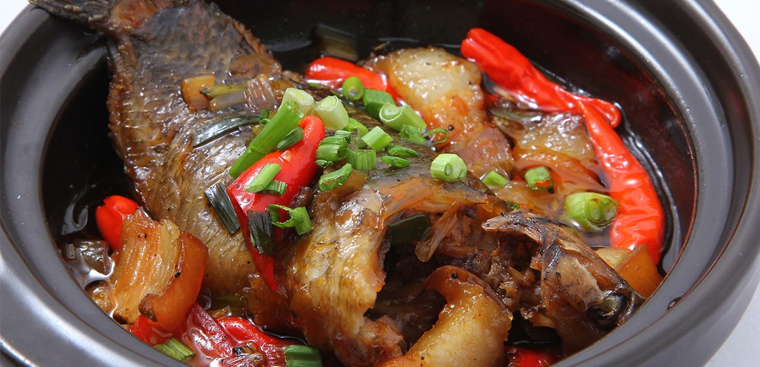
As the eighth lunar month arrives, young linh fish and young gourami fish begin to flow downstream from the upper reaches. A simple evening meal with lightly braised fish would be incomplete without a side of pickled mustard greens—just thinking about pickled mustard greens dipped in lightly braised fish already makes one crave it.
Almost any type of vegetable can be made into pickles, but none can surpass pickled mustard greens.
The mustard greens used for pickling are a variety called cải tùa xại, also known as cải xại (“xại” also means mustard). This variety has a spicier, more pungent flavor than other types of mustard greens and is used exclusively for making pickles. Cải tùa xại is very easy to grow; it can be directly sown from seeds or first grown in nursery beds and pots.
Cải tùa xại is grown on upland fields, forming clumps similar to green mustard, but its stalks are round, much thicker, and firmer. A healthy plant can reach 60–70 cm in length, with stalks as thick as a thumb.
This type of mustard has firm stalks, yet when cooked just right, it remains sweet and tender—not tough or chewy. If there are leftovers, adding a bit more salt and reheating it several times will still keep the stalks delicious, without becoming mushy or falling apart like other mustard varieties.
My mother once shared her secret for making delicious pickled mustard greens with the neighbors:
The mustard greens should be harvested on a sunny day and slightly wilted so they won’t bruise or break during transport. Before pickling, blanch the greens in boiling water just until their green color fades slightly, then rinse each leaf and stalk thoroughly.
After rinsing, squeeze out the excess water and pack the greens tightly into a jar—the tighter, the better. Cover them with banana leaves and secure firmly so the greens do not float. Meanwhile, prepare alum-settled water until it is clear, season it with a bit of salt, and add turmeric powder (which gives the mustard greens a yellow color and a fragrant aroma), then pour it into the jar.
After four nights, the mustard greens will begin to turn sour and can be eaten. Pickled mustard greens are easy to make, yet difficult to perfect—getting them just right, with golden-yellow stalks and an enticing aroma, is truly tempting.
The washing step must be done very thoroughly, leaving no residue, so the pickle brine becomes a clear, golden color. Achieving sour, crisp pickles is not simple: the greens must not be too old or too young when harvested, and they must not be over-blanched. It takes many rounds of experience to master the process.
That is why my mother’s pickled mustard greens were famous in the neighborhood; anyone who bought and tasted them at the market praised them wholeheartedly. This humble dish has existed for generations, loved by both rural and urban people alike for its tangy, pungent flavor that leaves a strong impression and stimulates the appetite.
Pickled mustard greens are also used in many dishes such as stir-fried pig stomach with pickles, braised pig trotters with pickled mustard greens, or braised ribs with pickles. In meals, their sour taste enhances the appetite and helps digestion. Though a rustic dish, pickled mustard greens have now found their way onto the menus of upscale restaurants, contributing to the richness and diversity of Vietnamese cuisine.
Every time a meal is served and I see a plate of sliced pickled mustard greens mixed with sugar, MSG, garlic, and chili, giving off a gentle sour aroma, I deeply miss my mother. I miss my rural mother who once worked so hard, always turning simple, frugal ingredients into dishes rich with sweet, savory flavors and heartfelt warmth.
Source: VinhLongOnline