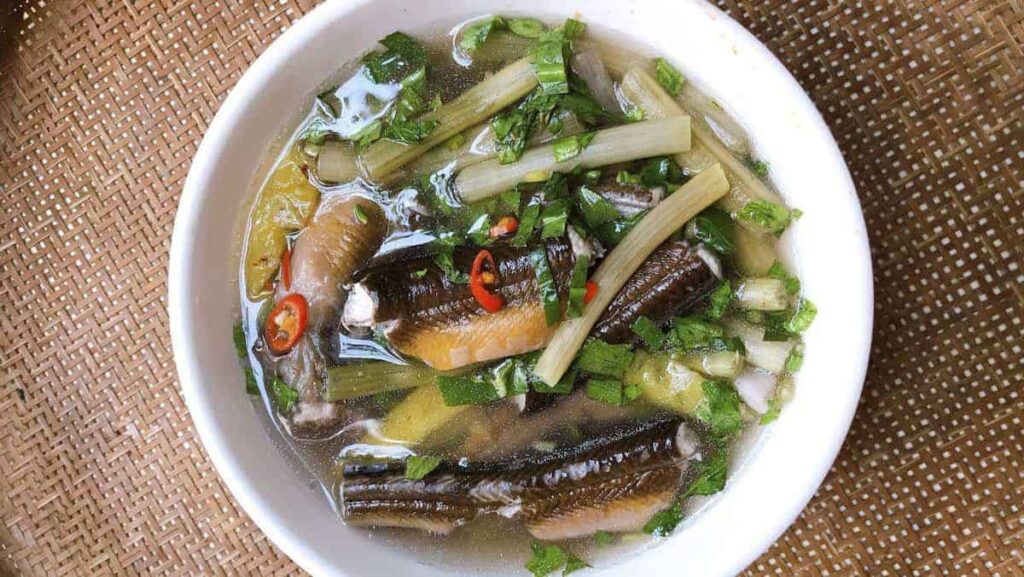
Dishes made from eel have become quite familiar to the people of the Southern region, yet sour eel soup cooked with weaver ant eggs remains unfamiliar to many.Sour eel soup cooked with weaver ant eggs
Leaving aside the familiar ways of preparing eel, the people of the Đồng Tháp Mười region have created a unique and delicious dish by cooking eel with weaver ant eggs, bringing an exciting new experience to those who try it.
In season, field eels are always plump and round, with shiny, taut skin. The people of the Mekong Delta have prepared eel in countless ways, earning fame for dishes such as braised eel, stir-fried eel, eel sausage, clay-pot grilled eel, eel hotpot… Each one makes housewives use up heaps of rice and drinkers empty bottles of liquor. Yet in the Đồng Tháp Mười region, there is one particularly unusual dish: sour eel soup with weaver ant eggs.
Regarding this dish, legend has it that during the flood season in the past, eels and fish were abundant in the fields, protein was plentiful, but vegetables and greens became increasingly scarce. Cooking sour eel soup with just a few strands of water spinach was already considered luxurious; finding a handful of young tamarind leaves to give the soup its signature sourness was good, but still something was missing. While searching for additional sour ingredients, the golden weaver ant nests hanging on mango trees and plum tree trunks in the garden presented themselves as inspiration for a brand-new dish.
When collecting weaver ant nests for cooking sour soup, one must pay attention: once the nest is fully formed, it will have a white membrane connecting the leaves together. When this white membrane evenly covers the outside of the leaves, the queen ant inside has already laid quite a lot of eggs. At this stage, the leaves used for the nest are still fresh and deep green, and the ant eggs are plump, full of creamy milk—perfectly fresh and delicious without too many hatched larvae mixed in.
For a pot of sour eel soup serving four people, two golden weaver ant nests are more than enough. Once brought home, place the nests in the sun. Ants dislike sunlight, so within moments they all flee, leaving behind only the small, ivory-white rice-grain-sized eggs.
Select eels about the thickness of half a thumb, clean them thoroughly. When the water boils, add the whole eels and cook briefly, then add water spinach, young tamarind leaves, season with fish sauce and salt to taste, and remove the pot from the heat. Pick out any crushed eggs, squeeze them to release the creamy milk, then add them to the pot together with the whole eggs. Upon contact with the hot broth, each tiny egg seals its surface and swells up. The soup turns slightly cloudy from the white milk of the crushed eggs, and a distinctive aroma begins to rise.
Scoop a hot spoonful of soup with a cluster of ant eggs and sip slowly—the tiny eggs crunch delightfully between the teeth like grains of rice. When they burst, they release a fragrant, rich, creamy taste; the sharp sourness of the ant eggs blends perfectly with the gentle sourness of young tamarind leaves and the sweet savoriness of eel meat, creating a truly unique, rustic, wild yet refined flavor.
To fully appreciate the taste of sour eel soup with weaver ant eggs, one must eat slowly and leisurely. Only then can you truly sense the ingenuity and resourcefulness of the older generations, who knew how to make the most of what nature provided.
If you ever have the chance to visit the Đồng Tháp Mười region, be sure to try this famous sour eel soup cooked with weaver ant eggs—a dish rich in creamy richness, pleasant sourness, and great nutritional value.
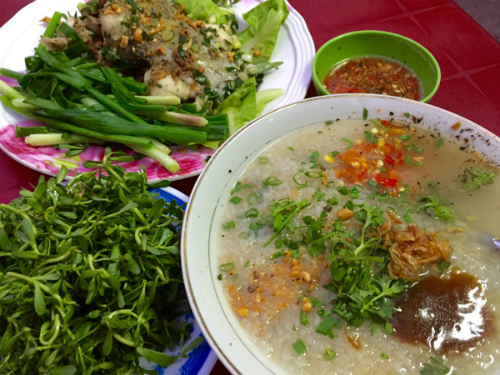
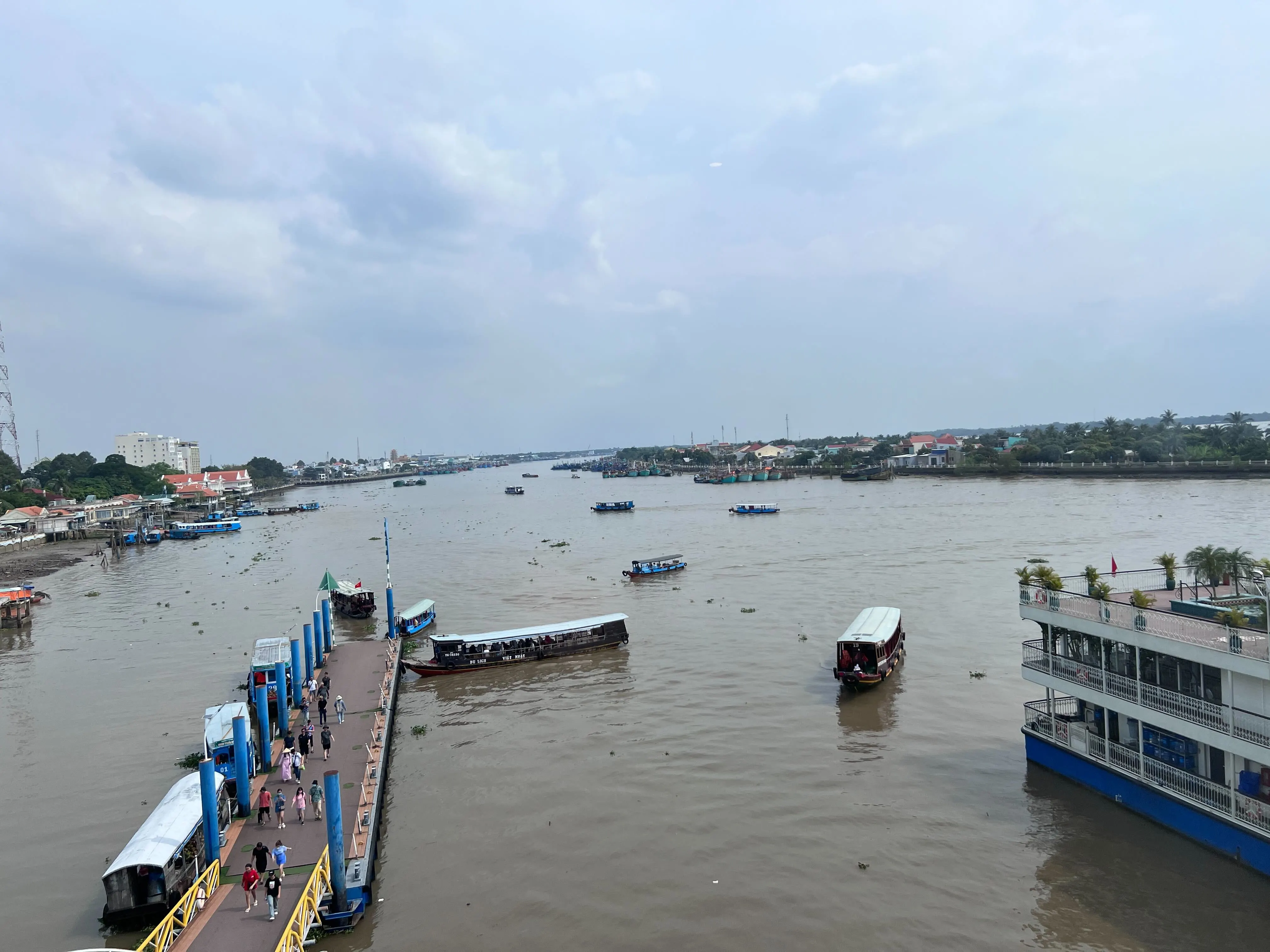
Traveling along National Highway 1A towards the Mekong Delta, particularly through Tien Giang province, you'll find many eateries selling local specialties, including snakehead fish porridge with bitter herbs.
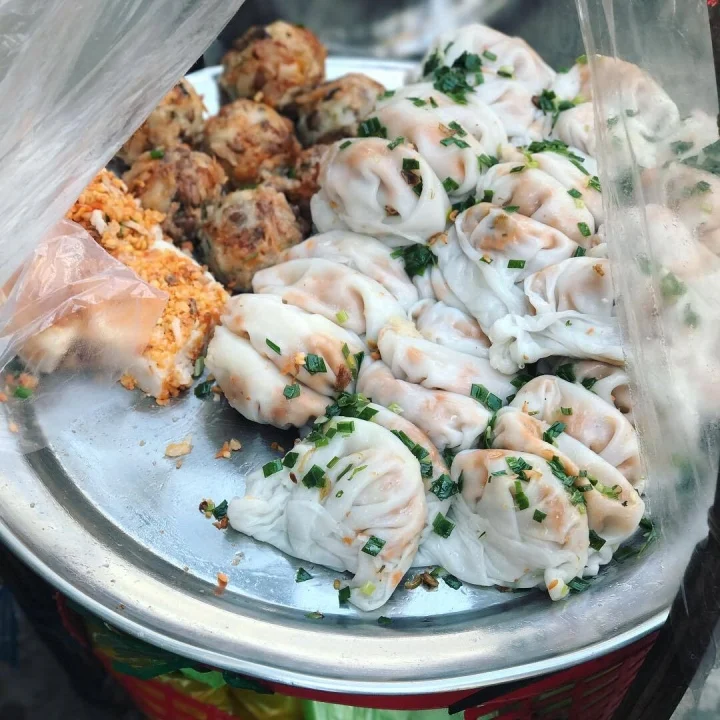
The distinctive slightly pungent taste of radish blended with the rich flavor of shrimp and pork filling brings a unique and delicious sensation to radish cakes. Radish cakes may still sound unfamiliar to many people in Saigon, but for those from Bạc Liêu — the land famous for the story of the wealthy young man...
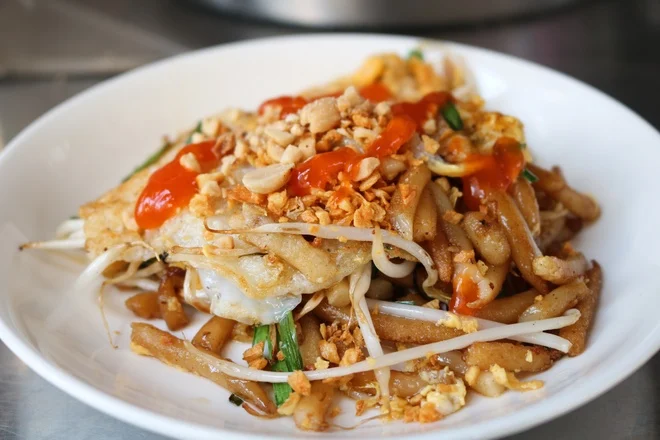
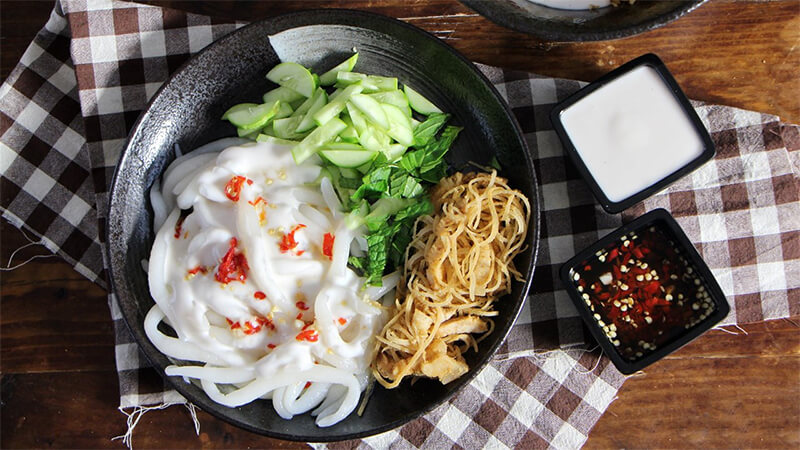
While savory rice noodle desserts like those with coconut milk are quite familiar to people in Saigon, stir-fried rice noodle dessert is still relatively unknown. Originating from Cambodia, stir-fried rice noodle dessert was introduced to Ha Tien and has become a local specialty.
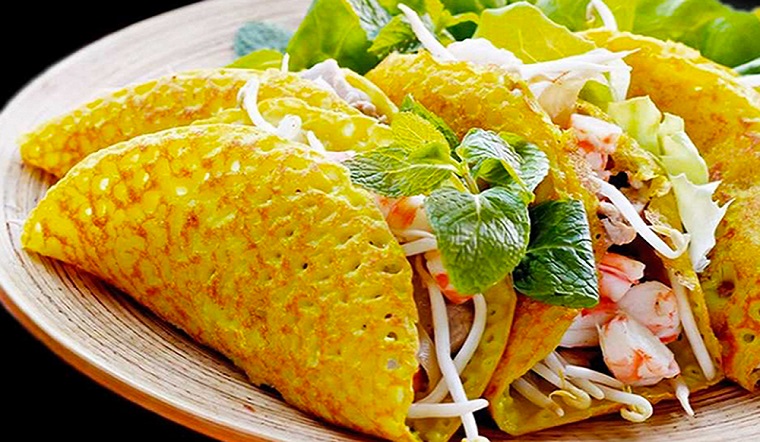
Bánh xèo Cao Lãnh, Đồng Tháp is not only famous for its thin rice-flour batter poured into an aluminum pan and cooked over a wood fire, but above all, for its signature filling made with duck meat. A familiar dish in both regions Bánh xèo is a beloved dish across Central and Southern Vietnam, though...
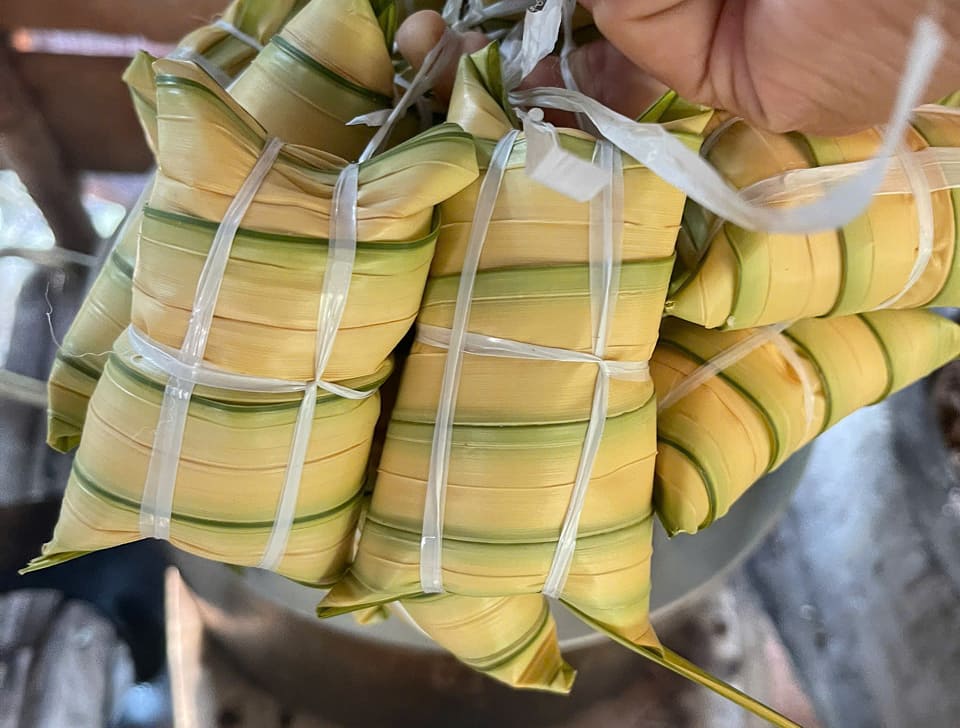
[vanhoamientay.com] Coconut leaf cake – a piece of sticky rice, rich and fragrant with coconut milk, nestled in a coconut leaf rolled up like a spring – has become deeply ingrained in the childhood memories of children in the Southwestern region of Vietnam. Over the years, this childhood treat has become a regional specialty. “Please...
If you ever have the chance to visit the hometown of the famous Bac Lieu playboy—a vast and beautiful riverine land—don’t miss out on these local delicacies such as bánh tằm, spicy beef noodle soup, or fermented fish hotpot. Bac Lieu is not only famous for the legendary playboy who famously burned money to impress...
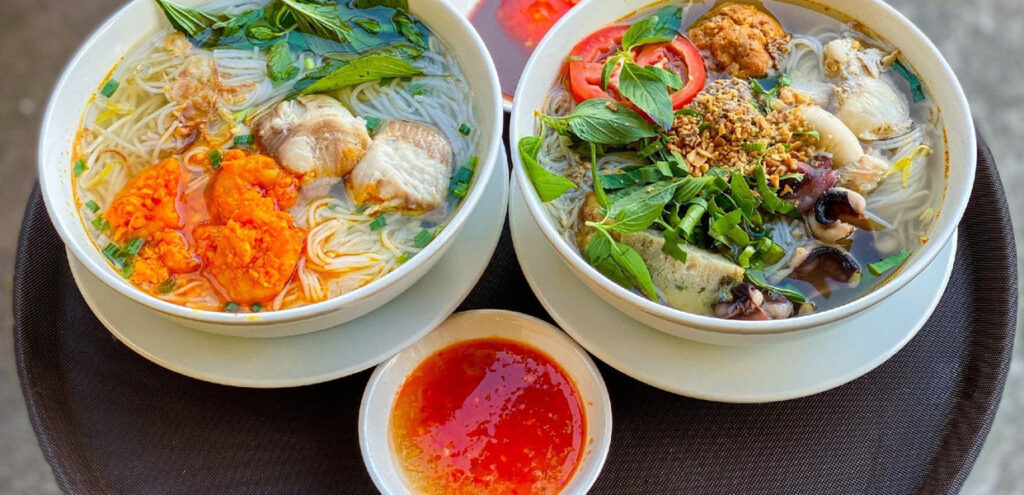
Kien Giang is not only famous for its landmark known as the "pearl of the East Sea," but when you visit Kien Giang, don't forget to enjoy its local specialties. Kien Giang fish noodle soup is one of the dishes that has contributed to the region's reputation.
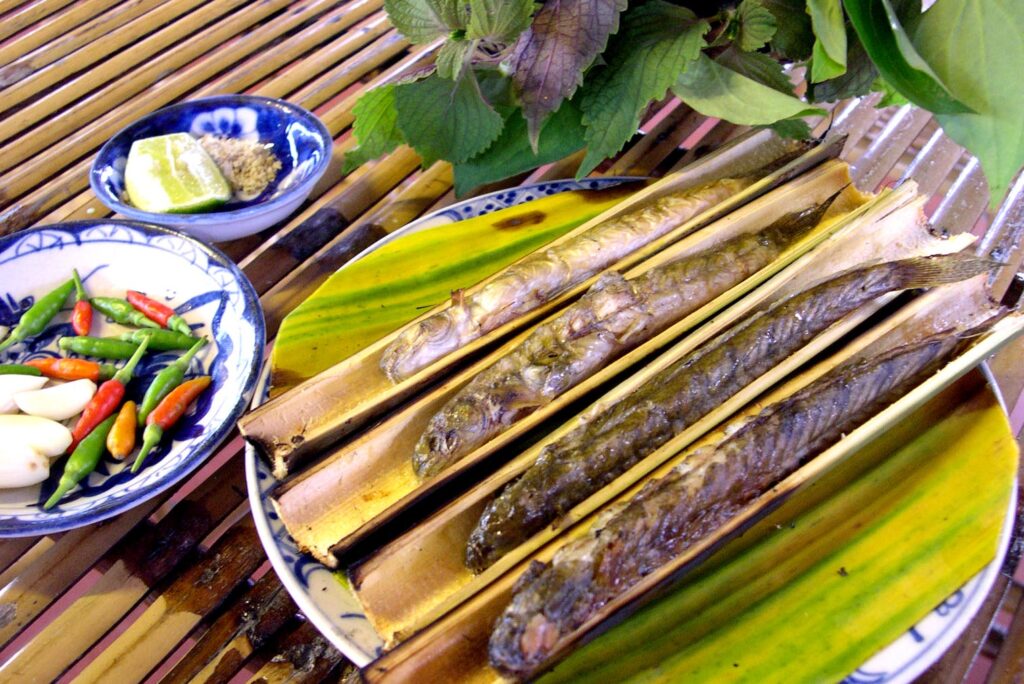
Grilled mudskipper fish in reed tubes is highly favored in Vietnam for its distinctive flavor, firm white flesh, and high nutritional value—especially the bile, which leaves an unforgettable taste. Mudskipper fish, also known as goby mudskippers, live in brackish, alluvial environments. They are commonly found in the Mekong Delta, particularly in ponds, lakes, and brackish...
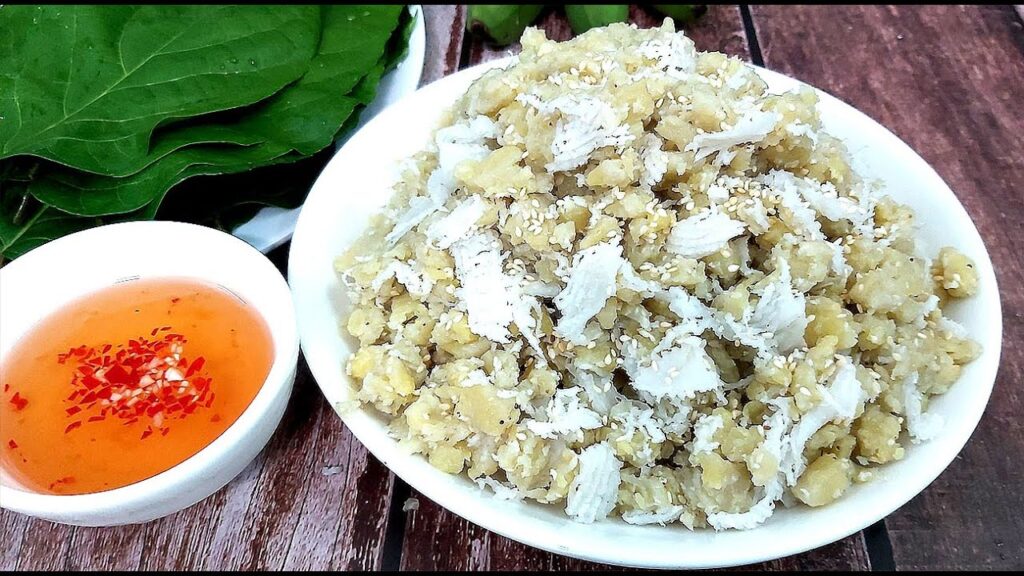
Nếu bây giờ, ai đó chưa từng ăn, chưa từng nghe qua thì sẽ cảm thấy lạ với cái tên này, vì cái tên nghe sao lạ lạ, ngộ ngộ. Thực ra, cái tên gọi cũng chính là cách làm món ăn này đấy, “chuối quết dừa” chỉ là chuối đem đi quết với dừa, nghe mà sao thân quen quá.
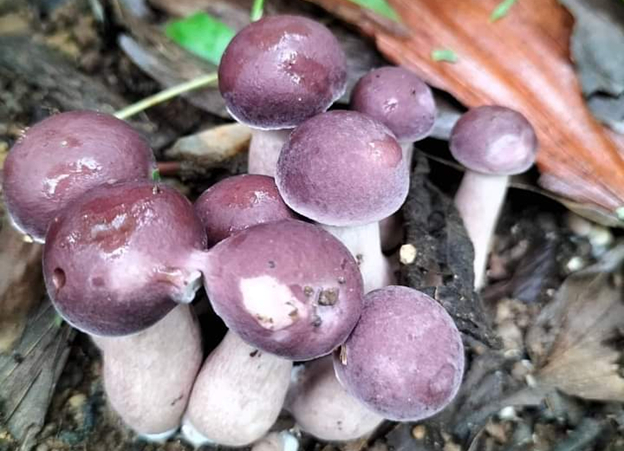
While the Mekong Delta is known for its termite mushrooms, Phu Quoc is famous for its Tram mushrooms. Tram mushrooms, found on Phu Quoc Island, are just as delicious as straw mushrooms, enoki mushrooms, or oyster mushrooms.
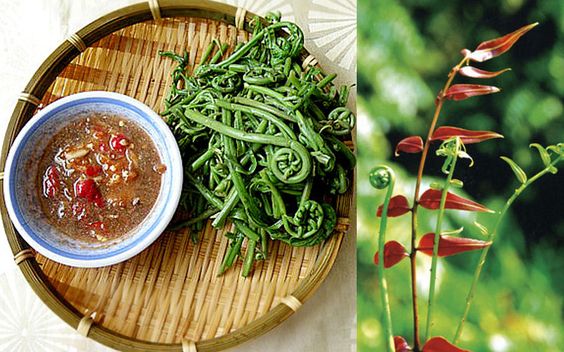
Shoots of the choại fern can be considered a dish deeply imbued with the pioneering spirit of our ancestors during the early days of land reclamation. This clean vegetable has a distinctive aroma, a mild natural sweetness, and a slightly mucilaginous texture./ Hearing the two words “đọt choại” (also called chại or chạy), memories suddenly...
Besides the famous radish cake, bánh tằm bì is a dish that visitors should not miss when coming to the land of the “Prince of Bạc Liêu.” Start a day of exploring Bạc Liêu with the unique and intriguing bánh tằm bì of the local people. This is a rustic dish, so you can enjoy...



 Snakehead fish porridge with bitter herbs from the Mekong DeltaTraveling along National Highway 1A towards the Mekong Delta, particularly through Tien Giang province, you'll find many eateries selling local specialties, including snakehead fish porridge with bitter herbs.
 Radish cake, a taste of the countryside in the city.The distinctive slightly pungent taste of radish blended with the rich flavor of shrimp and pork filling brings a unique and delicious sensation to radish cakes. Radish cakes may still sound unfamiliar to many people in Saigon, but for those from Bạc Liêu — the land famous for the story of the wealthy young man...
 Ha Tien stir-fried rice noodlesWhile savory rice noodle desserts like those with coconut milk are quite familiar to people in Saigon, stir-fried rice noodle dessert is still relatively unknown. Originating from Cambodia, stir-fried rice noodle dessert was introduced to Ha Tien and has become a local specialty.
 When visiting Dong Thap, try Cao Lanh’s banh xeo (Vietnamese savory pancake).Bánh xèo Cao Lãnh, Đồng Tháp is not only famous for its thin rice-flour batter poured into an aluminum pan and cooked over a wood fire, but above all, for its signature filling made with duck meat. A familiar dish in both regions Bánh xèo is a beloved dish across Central and Southern Vietnam, though...
 Coconut leaf cake – a childhood memory transformed into a specialty.[vanhoamientay.com] Coconut leaf cake – a piece of sticky rice, rich and fragrant with coconut milk, nestled in a coconut leaf rolled up like a spring – has become deeply ingrained in the childhood memories of children in the Southwestern region of Vietnam. Over the years, this childhood treat has become a regional specialty. “Please...
 10 delicious dishes from the hometown of the wealthy young man of Bac Lieu.If you ever have the chance to visit the hometown of the famous Bac Lieu playboy—a vast and beautiful riverine land—don’t miss out on these local delicacies such as bánh tằm, spicy beef noodle soup, or fermented fish hotpot. Bac Lieu is not only famous for the legendary playboy who famously burned money to impress...
 Rich and flavorful fish noodle soup from Kien Giang.Kien Giang is not only famous for its landmark known as the "pearl of the East Sea," but when you visit Kien Giang, don't forget to enjoy its local specialties. Kien Giang fish noodle soup is one of the dishes that has contributed to the region's reputation.
 Grilled mudskipper fish in reed tubesGrilled mudskipper fish in reed tubes is highly favored in Vietnam for its distinctive flavor, firm white flesh, and high nutritional value—especially the bile, which leaves an unforgettable taste. Mudskipper fish, also known as goby mudskippers, live in brackish, alluvial environments. They are commonly found in the Mekong Delta, particularly in ponds, lakes, and brackish...
 Relive your childhood with this banana and coconut dessert.Nếu bây giờ, ai đó chưa từng ăn, chưa từng nghe qua thì sẽ cảm thấy lạ với cái tên này, vì cái tên nghe sao lạ lạ, ngộ ngộ. Thực ra, cái tên gọi cũng chính là cách làm món ăn này đấy, “chuối quết dừa” chỉ là chuối đem đi quết với dừa, nghe mà sao thân quen quá.
 Phu Quoc’s specialty Tram mushroomsWhile the Mekong Delta is known for its termite mushrooms, Phu Quoc is famous for its Tram mushrooms. Tram mushrooms, found on Phu Quoc Island, are just as delicious as straw mushrooms, enoki mushrooms, or oyster mushrooms.
 Boiled Đọt choại, a dish that evokes memories.Shoots of the choại fern can be considered a dish deeply imbued with the pioneering spirit of our ancestors during the early days of land reclamation. This clean vegetable has a distinctive aroma, a mild natural sweetness, and a slightly mucilaginous texture./ Hearing the two words “đọt choại” (also called chại or chạy), memories suddenly...
 Visiting the Land of Bac Lieu’s “Young Master” to Enjoy Banh Tam BiBesides the famous radish cake, bánh tằm bì is a dish that visitors should not miss when coming to the land of the “Prince of Bạc Liêu.” Start a day of exploring Bạc Liêu with the unique and intriguing bánh tằm bì of the local people. This is a rustic dish, so you can enjoy...