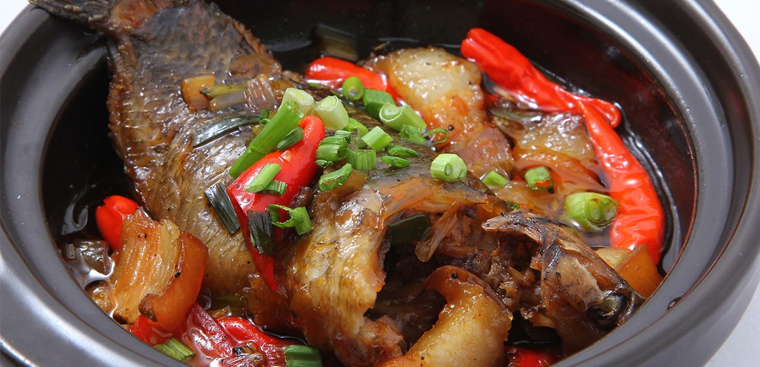
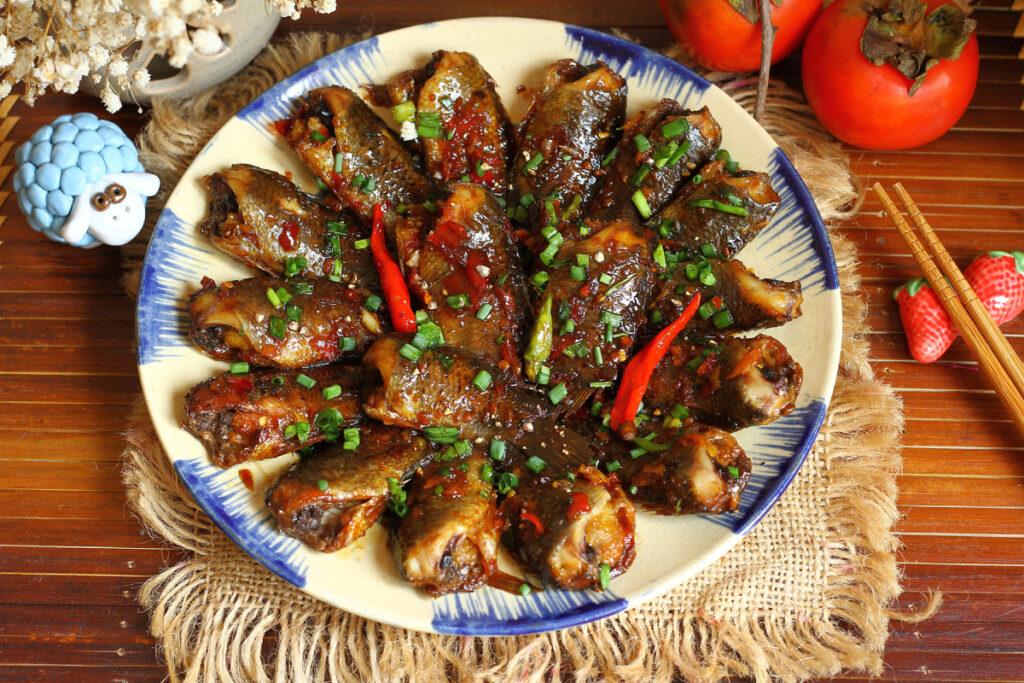
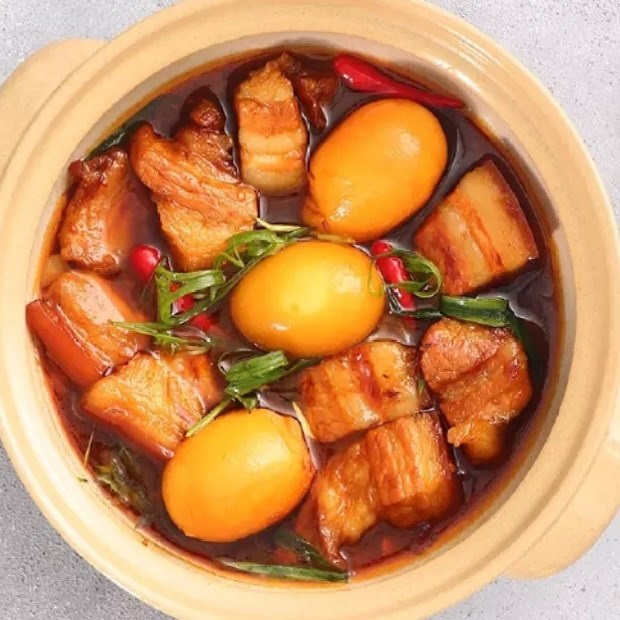
Although climbing perch has quite a few bones, it is well known for its rich, fragrant, firm, and delicious flesh. If you ever have the chance, you should try braised climbing perch in a clay pot, a dish considered one of the most distinctive specialties of the Southwestern region.Braised Climbing Perch in a Clay Pot
Braised climbing perch in a clay pot carries the rustic flavors of the countryside. With simple ingredients such as climbing perch and an uncomplicated cooking method, it remains a perfect choice for a hearty and satisfying family meal.
To prepare this dish properly, a “tộ” is essential—referring to a clay bowl or clay pot. Nowadays, as kitchens become more modern, many households no longer use clay pots. However, most home cooks agree that braising fish in a clay pot gives it a superior taste and a distinctive flavor that no other type of cookware can replace.
Braised Climbing Perch in a Clay PotIngredients:
Climbing perch
Pork belly
Scallions, chili peppers, and seasonings
Instructions:
– Clean the fish thoroughly. Slice the pork belly into thin, bite-sized pieces and let them drain completely.
– Marinate the fish and pork in a clay pot with caramel sauce, a little sugar, monosodium glutamate, fish sauce, seasoning powder, and chili. Let it marinate for about 15 minutes.
– Place the pot on the stove and braise over low heat. When the liquid comes to a steady boil and the fish has absorbed the seasoning, add some water.
– Continue braising until the fish and pork are fully cooked and the liquid reduces to just cover the ingredients. Adjust seasoning to achieve a balanced sweet and savory taste, then add scallion whites and ground pepper.
When the afternoon turns rainy and the weather becomes slightly chilly, it is the perfect time to enjoy braised climbing perch in a clay pot with a bowl of hot rice. Flake a piece of fish and savor the natural sweetness of the flesh blended with the aroma of scallions, the gentle heat of pepper and chili, and the unmistakable fragrance of clay-pot braising. This humble yet richly flavored dish is sure to make your meal truly satisfying, capturing the essence of Southwestern cuisine.
Coconut jam (mứt dừa) is undeniably one of the most familiar treats in the South—so familiar that just mentioning its name instantly brings thoughts of Tết and that unforgettable flavor: the mild richness of coconut, the sweetness of sugar and condensed milk, and the delicate vanilla aroma. When talking about Tết sweets, no one can...
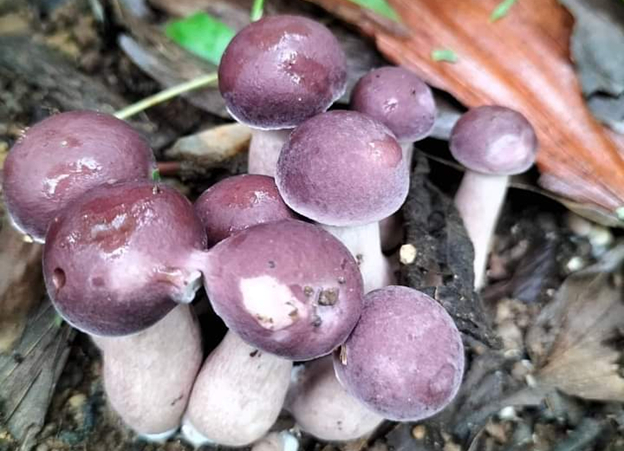
While the Mekong Delta is known for its termite mushrooms, Phu Quoc is famous for its Tram mushrooms. Tram mushrooms, found on Phu Quoc Island, are just as delicious as straw mushrooms, enoki mushrooms, or oyster mushrooms.
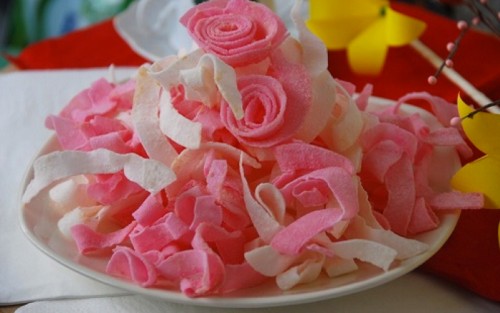
If you are a true native of the Mekong Delta, you will certainly know about sweet rice rolls, also known as sweet “wet” cake (banh uot ngot). In the past, you could easily find this cake sold throughout the Western region, but today, it has become quite rare. The name “sweet wet cake” alone suggests...
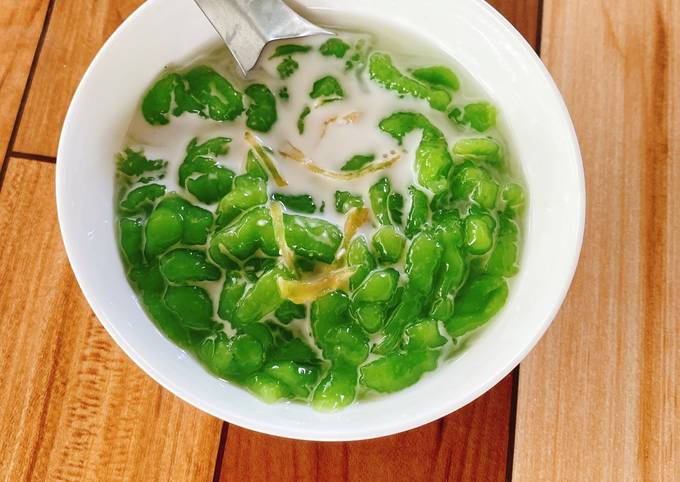
Some dishes that seem very “rustic” have become unique and hard-to-find delicacies in the city. Bánh lọt with coconut milk is a snack that Western Culture would like to mention… On a hot sunny day, enjoying a glass of bánh lọt with coconut milk is simply unbeatable. There are 2 types of bánh lọt that...
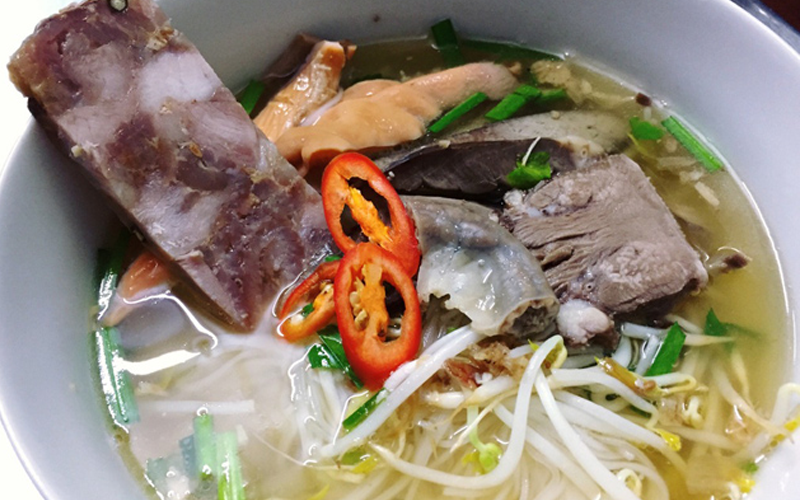
Hủ tiếu pate is one of the four types of hủ tiếu especially loved by the people of the “coconut land.” The only difference in this dish lies in the three or four neatly arranged triangular slices of pate placed right on top of the bowl. People in Bến Tre love hủ tiếu more than...
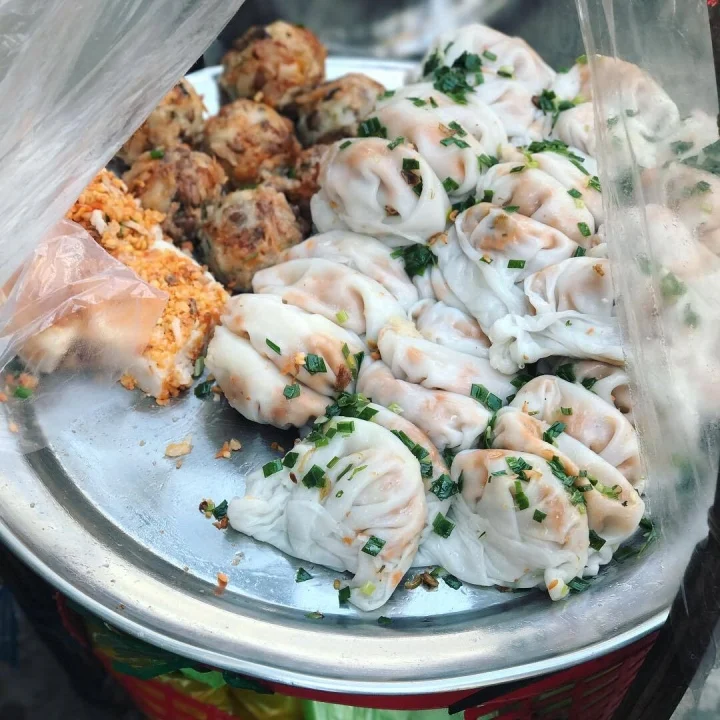
The distinctive slightly pungent taste of radish blended with the rich flavor of shrimp and pork filling brings a unique and delicious sensation to radish cakes. Radish cakes may still sound unfamiliar to many people in Saigon, but for those from Bạc Liêu — the land famous for the story of the wealthy young man...
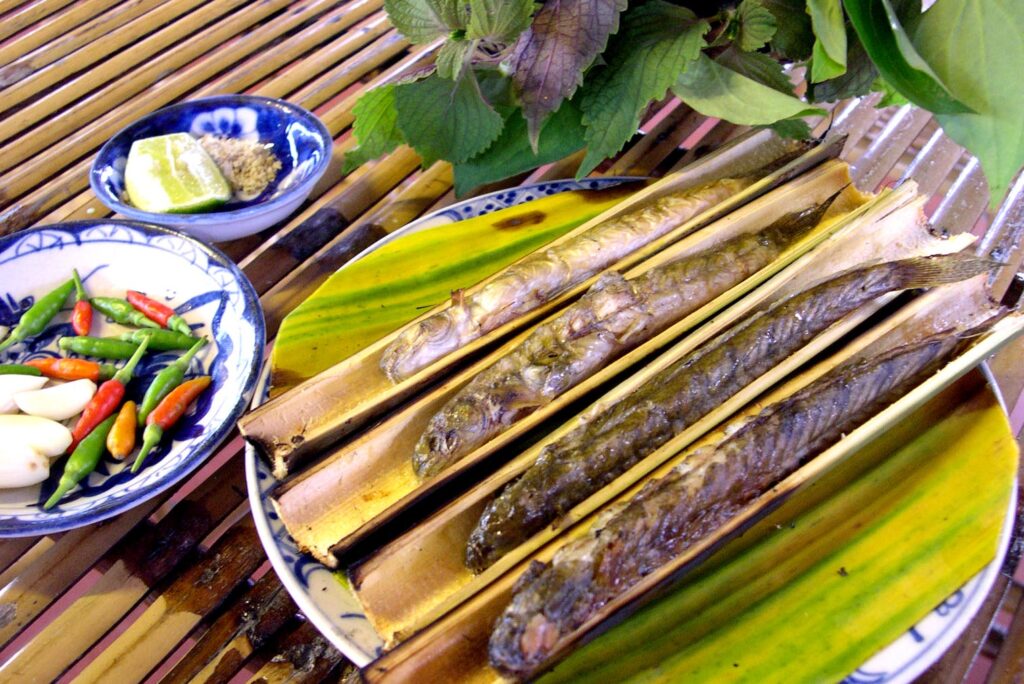
Grilled mudskipper fish in reed tubes is highly favored in Vietnam for its distinctive flavor, firm white flesh, and high nutritional value—especially the bile, which leaves an unforgettable taste. Mudskipper fish, also known as goby mudskippers, live in brackish, alluvial environments. They are commonly found in the Mekong Delta, particularly in ponds, lakes, and brackish...
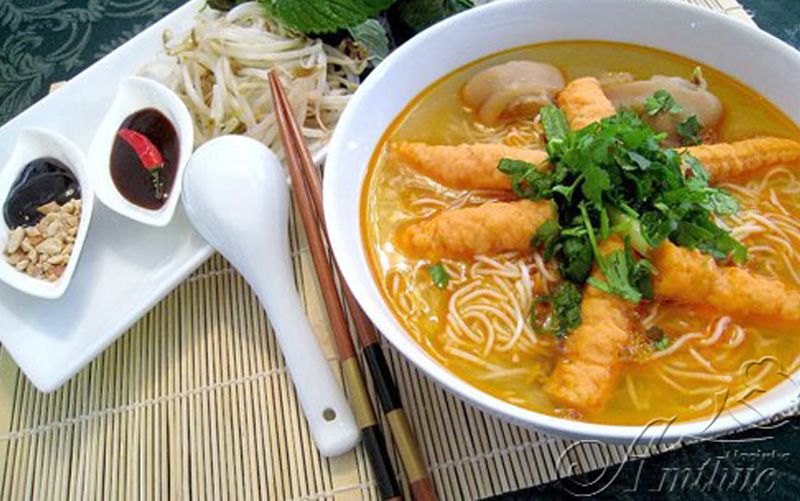
Anyone visiting Tra Vinh will have the chance to enjoy a rustic noodle dish – Bun Suong, one of Vietnam’s 10 famous specialty dishes that achieved Asian culinary value. Bun Suong is also known as Bun Duong; this noodle soup originates from Tra Vinh. “Suong” is a type of shrimp sausage (called shrimp suong); some...
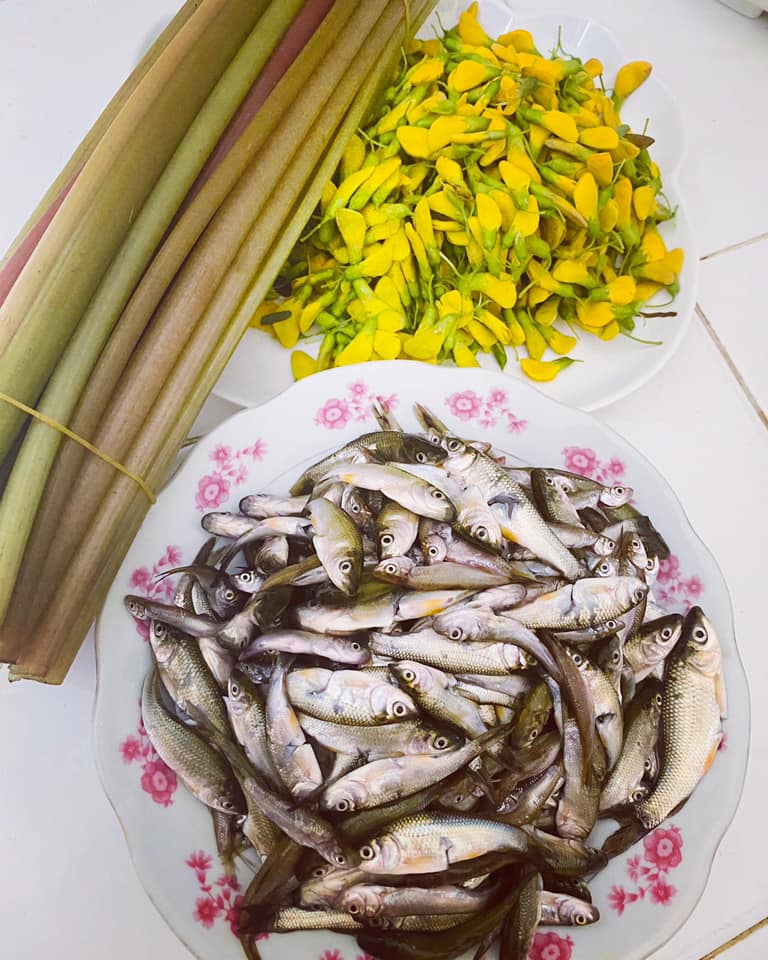
As the eighth lunar month arrives, young linh fish and young gourami fish begin to flow downstream from the upper reaches. A simple evening meal with lightly braised fish would be incomplete without a side of pickled mustard greens—just thinking about pickled mustard greens dipped in lightly braised fish already makes one crave it. Almost...
As is customary each year, around the full moon of the seventh lunar month, when floodwaters from the upper reaches of the Mekong River surge downstream, water levels rise rapidly in the upstream districts of the Đồng Tháp Mười and the Long Xuyên Quadrangle. This is also when people living along the upper Mekong Delta...
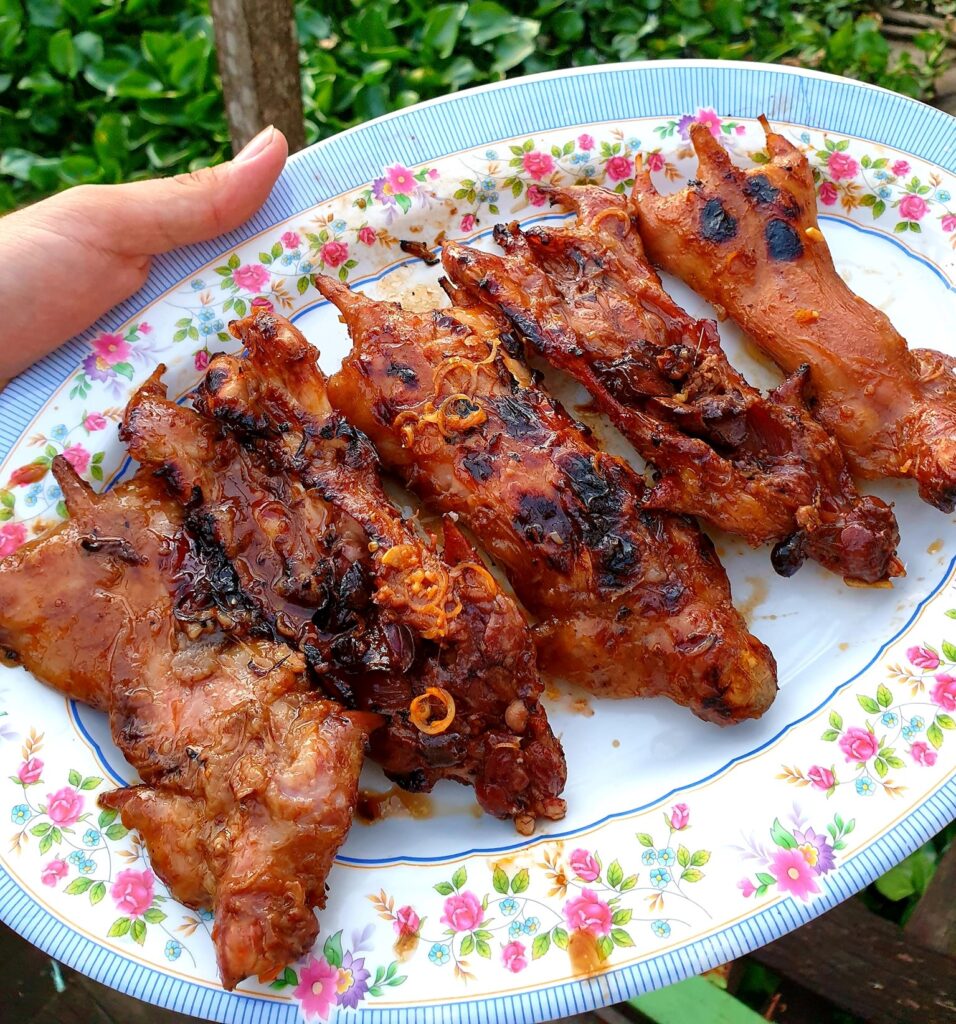
When the rice fields are left with only stubble, the field mice are full of rice, fat, and have firm meat. During this season, if you travel to the Mekong Delta, you'll easily see many farmers selling field mice. Grilled field mouse with salt and chili is a prominent dish among the Mekong Delta's specialties, often prepared by locals after the harvest.
Braised pork belly can be eaten with many things such as white rice, pickled onions, pickled bean sprouts, but perhaps most commonly it’s served with pickled mustard greens. The salty, sweet, and rich flavors of the braised pork belly combine with the sour and slightly spicy taste of the pickled mustard greens, creating an unexpectedly...