“Mấy cây Sầu Đâu
Ngoại thường ra hái lá,
Trộn gỏi đắng mà
Nghe ngọt lạ bờ môi
Giờ ngoại của tôi
Chân run run tóc bạc lưng còng,
Mấy cây Sầu Đâu đã già xơ xác lá,
Ngoại vẫn kiếm tìm
Xin cho được Sầu Đâu.”
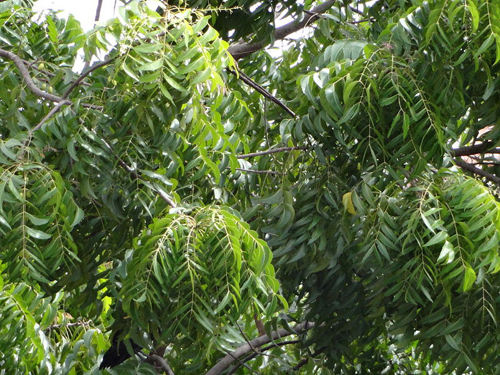
The image of neem leaves has become deeply familiar to people of the Southern region, especially those who cherish folk songs. Neem leaves not only linger in the hearts of listeners through traditional melodies, but their distinctive bitterness also leaves a lasting impression on food lovers in An Giang.
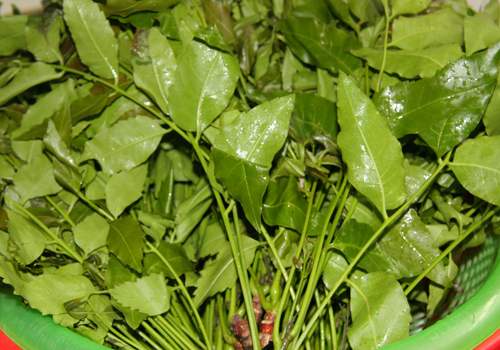
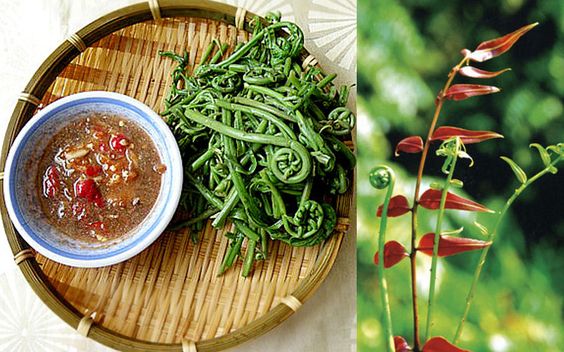
In Southern Vietnam, the neem tree is also known as the xoan tree, but it differs from the xoan trees found in Northern and Central regions. While those varieties have purple flowers and toxic leaves that are inedible, the Southern xoan has white flowers and bitter-tasting leaves that are considered medicinal, known for cooling the body, promoting better sleep, and relieving joint pain.
The xoan tree grows abundantly in Tri Tôn, Châu Đốc, and Tịnh Biên districts of An Giang. If you ever visit this part of the Mekong Delta, be sure to try neem leaf salad—its signature bitterness will surely leave a lingering impression on your palate.
How to prepare neem leaf salad
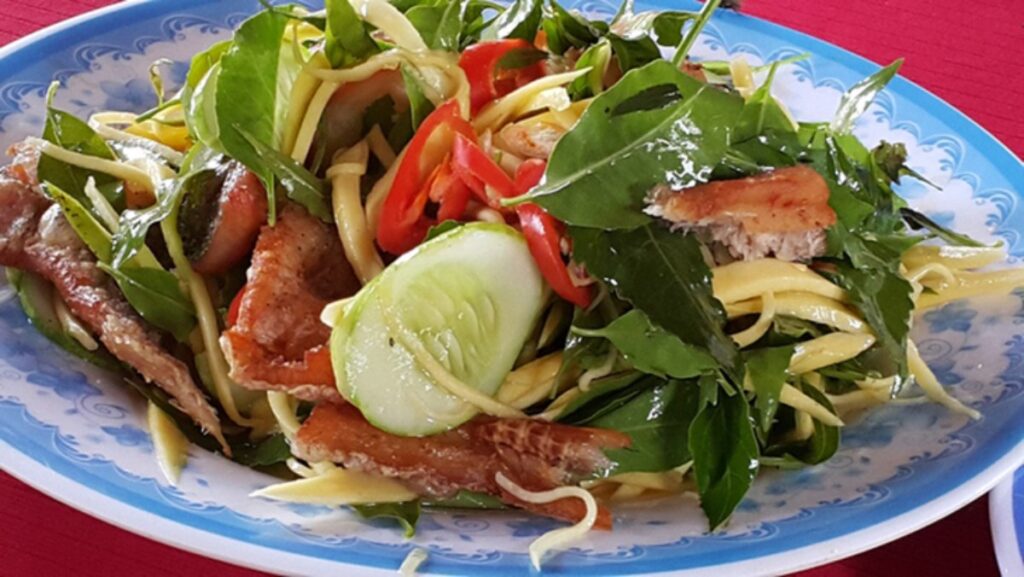
This salad is quite simple to prepare. Young neem leaves and flowers are washed thoroughly, then briefly blanched in boiling water to reduce bitterness and drained well.
Cucumbers, pineapple, and green mango are thinly sliced.
Dried snakehead fish or dried gourami fish is grilled and shredded.
Pork belly is boiled and thinly sliced, with a few peeled shrimp added.
All ingredients are mixed together, then evenly tossed with sweet-and-sour fish sauce mixed with garlic and chili, continuing to mix until well combined.
Add a handful of herbs, coriander, and roasted peanuts.
Considered a creative and refined combination by home cooks, this salad of cucumber, pineapple, young neem leaves, and grilled snakehead fish allows diners to experience the gentle bitterness and subtle sweetness of the leaves, the tanginess of pineapple, the refreshing crunch of cucumber, and the savory aroma of dried fish. The salad can be enjoyed with fried shrimp crackers or simply with a bowl of hot rice. It is also a favorite drinking snack among men during leisurely gatherings. In some places, those who dislike raw shoots blanch them briefly and replace dried fish with grilled snakehead fish, adding tiny freshwater shrimp for a novel taste.
How to make the dipping sauce
The dipping sauce for this dish is a sweet-and-sour tamarind fish sauce, prepared with care.
Boil tamarind with a little water, strain to extract the sour liquid, then mix with fish sauce, a bit of sugar, and finely chopped garlic and chili. A good sauce should have a harmonious balance of sour, spicy, salty, and sweet flavors.
For first-time diners, the bitterness of the leaves may seem intimidating, but once all the flavors—bitter, spicy, salty, sour, and sweet—come together, the experience becomes truly intriguing.
The salad or young leaves can be enjoyed with hot rice or served alongside snakehead fish noodle soup, mixed fermented fish paste, or linh fish dishes. The experience becomes even more enjoyable with a small glass of rice wine beside the plate of neem leaf salad, completing the bold “bitter and spicy” flavor profile.