Tra VinhThe Southwestern region of Vietnam is famous for its fertile land and abundant fruits. Each area has its own specialty: Cai Be is known for its sweet tangerines, Vinh Kim for its blacksmith village star apples, while Tra Vinh is renowned for the quach fruit.The unique flavor of quach fruit from Tra Vinh
If you are someone who loves nostalgia, who enjoys traveling back through memories to rediscover rustic dishes and regional specialties, you should visit Tra Vinh at least once to experience dishes made from quach fruit.
Quach fruit – a specialty of Cau Ke District, Tra Vinh
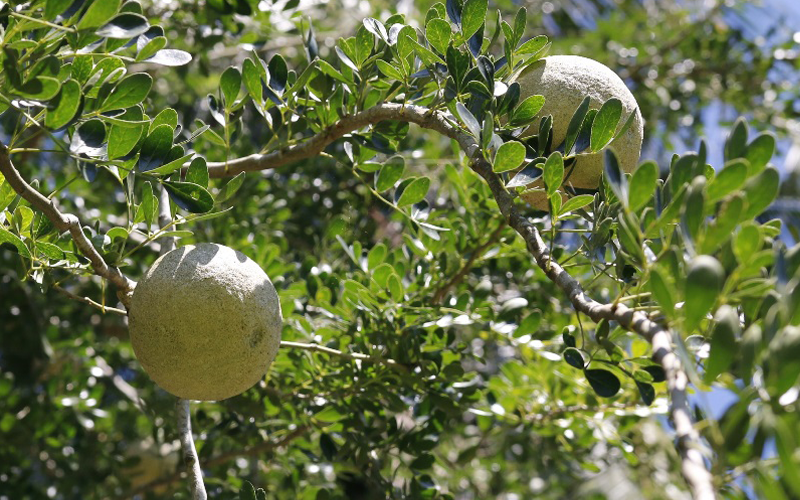
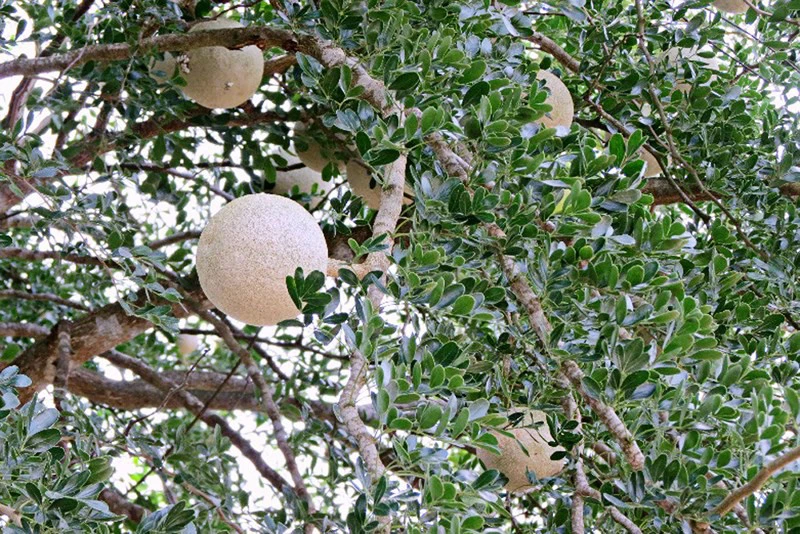
Quach fruit is also known as the Gao tree. The fruit resembles a wood apple, with a rough, grayish-white skin. The Khmer people in Cau Ke District often grow this tree along dikes, around their homes, or intercropped with other fruit trees.
The tree grows to about 7–8 meters tall, with small leaves and thorny branches similar to the needlebush tree. It takes around seven years for the tree to bear fruit, and the older the tree, the more fruit it produces. The quach fruit ripens during the twelfth and first lunar months.
Like durian, when quach fruit ripens, it naturally falls from the tree. Despite falling from a height, the fruit does not break because it is only just ripe and still firm.
The unique flavor of quach fruit from Tra Vinh
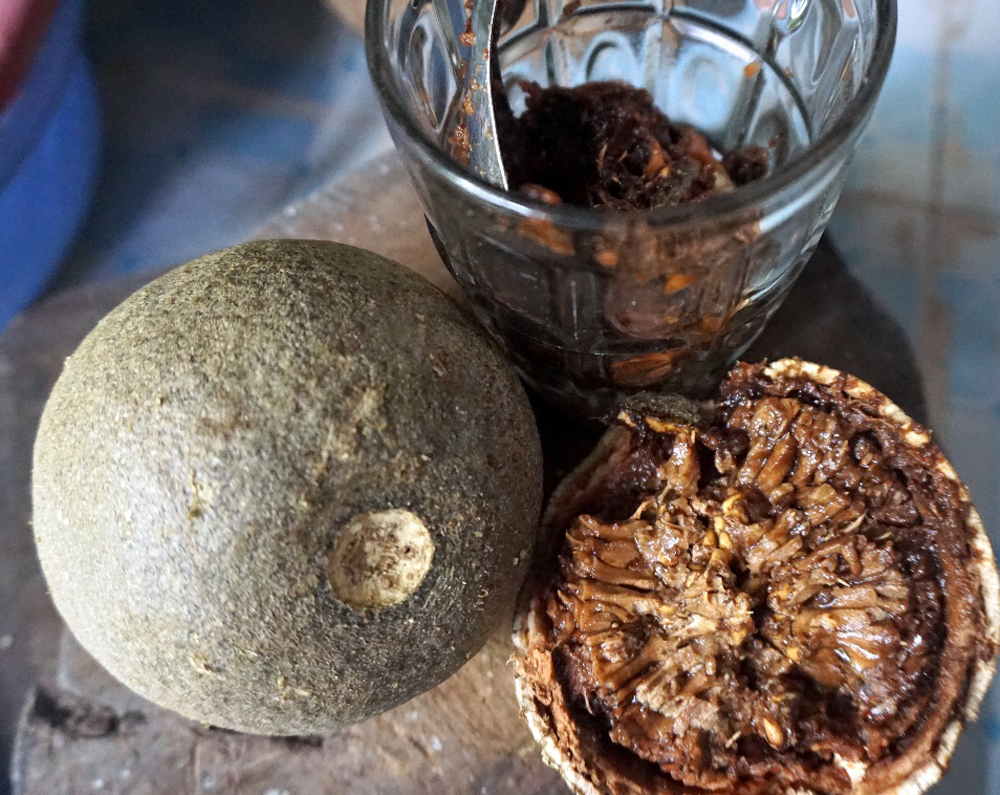
When ripe, quach fruit releases a very distinctive fragrance. Although it differs from the aroma of custard apple, it still captivates many people. After being left for a few more days or weeks, the fruit becomes fully ripe; the skin turns silvery white and soft. With just a light cut of a knife, one can see tiny seeds resembling dark purple pomegranate seeds, which are crunchy when eaten.
For women, quach mixed with fish sauce or mashed with ice and sugar is a favorite cooling treat, while for men, quach infused in alcohol has become a specialty.
To make quach mashed with ice and sugar, simply scrape the pulp into a glass and mash it well. Add granulated sugar and crushed ice to create a refreshing and memorable summer drink.
Quach mashed with ice
Taking a spoonful of quach, its aroma gently reaches the nose, while the mild sourness tingles the tongue. The sweetness of sugar and the creamy richness of milk spread throughout the palate, creating a pleasant sensation. The most refreshing moment comes when enjoying quach on a sweltering summer noon—the fruit’s tangy taste quickly dispels the heat of the sun.
Quach mashed with iceQuach wine
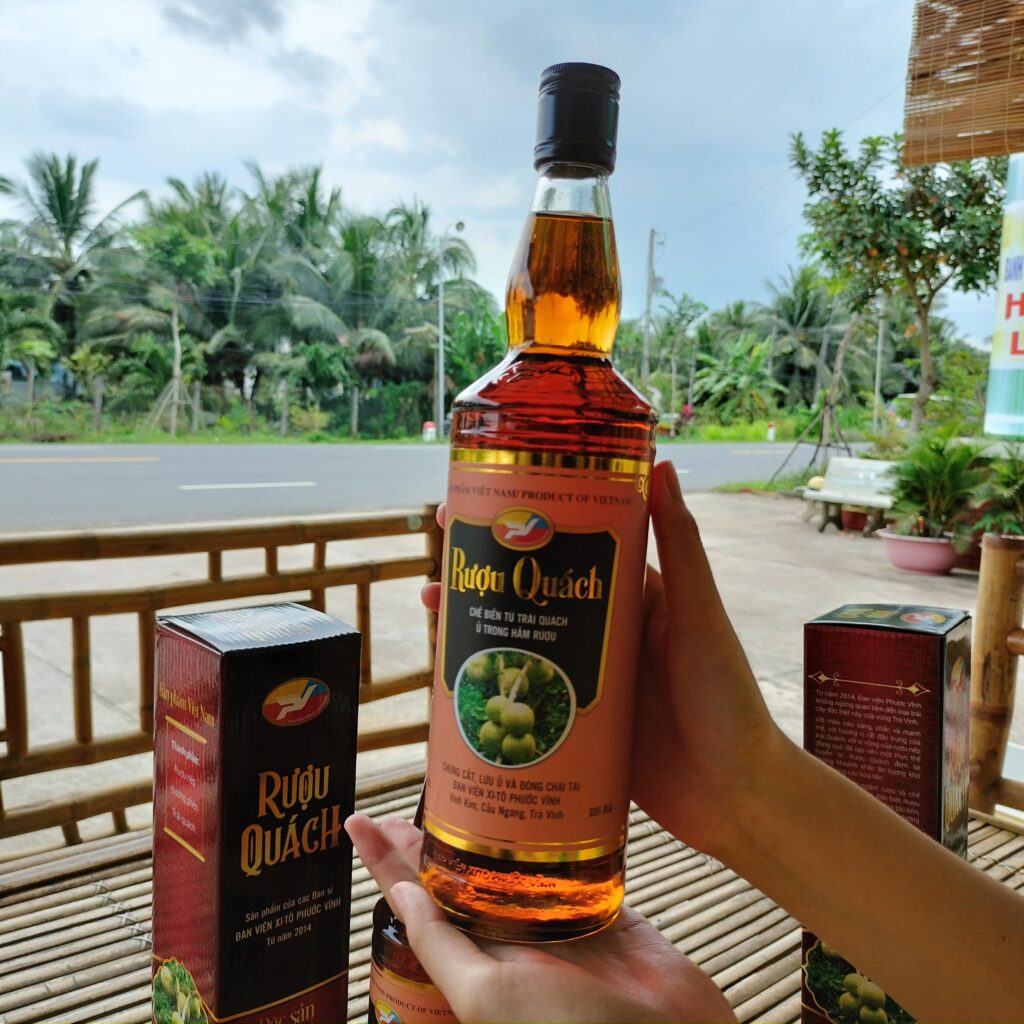
In Cau Ke, quach is also processed into a type of wine considered a local specialty. Drinking this wine allows one to enjoy the distinctive aroma of quach and is believed to be beneficial for people with high blood pressure, body aches, and kidney health. To make this medicinal wine, people scoop the pulp of quach fruit and soak it in jars of glutinous rice wine or pure rice alcohol. For a better-tasting wine, some slice the fruit into several pieces before soaking. However, according to seasoned wine enthusiasts, drilling a few small holes in the fruit’s shell before placing it into the jar produces clearer wine, unlike the cloudiness that may occur with the other methods.
Quach wine
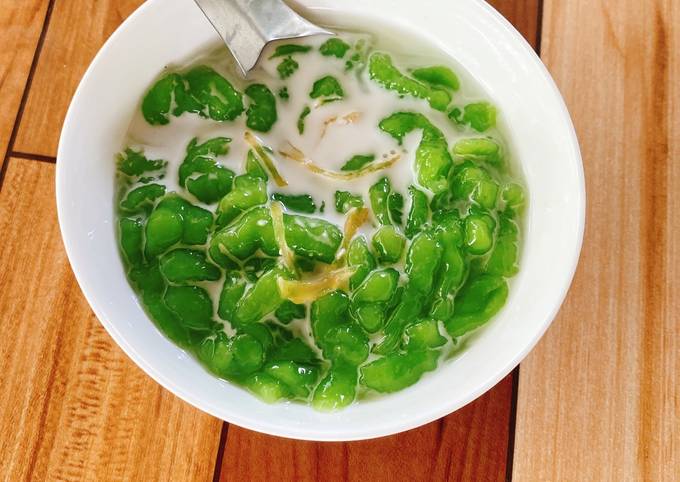
Some dishes that seem very “rustic” have become unique and hard-to-find delicacies in the city. Bánh lọt with coconut milk is a snack that Western Culture would like to mention… On a hot sunny day, enjoying a glass of bánh lọt with coconut milk is simply unbeatable. There are 2 types of bánh lọt that...
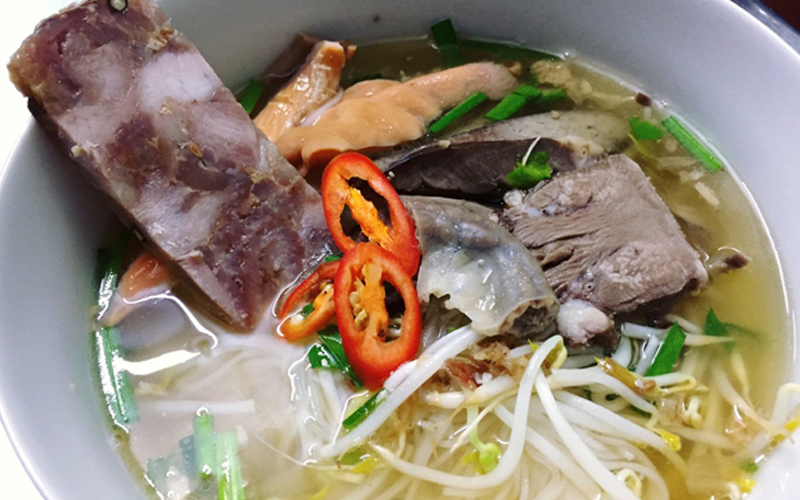
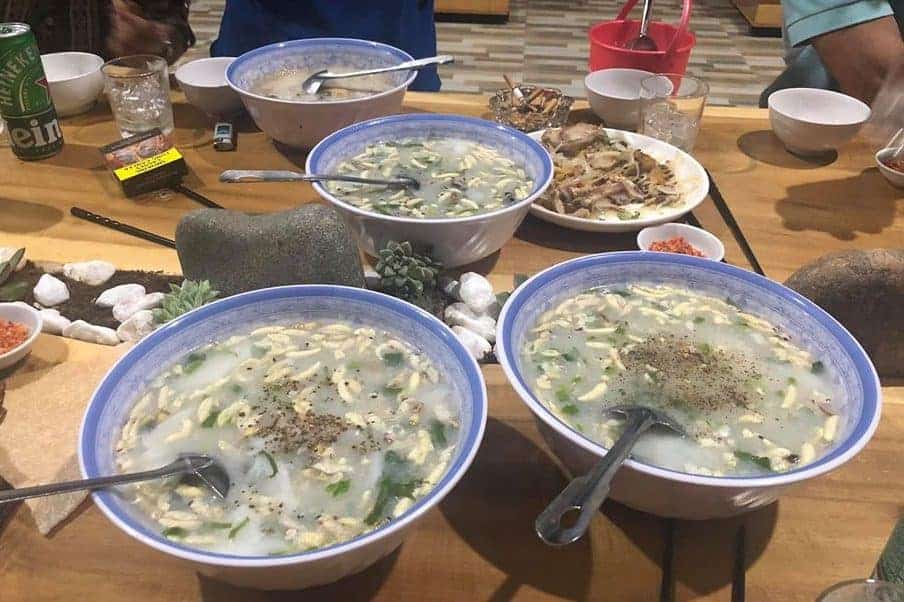
Hủ tiếu pate is one of the four types of hủ tiếu especially loved by the people of the “coconut land.” The only difference in this dish lies in the three or four neatly arranged triangular slices of pate placed right on top of the bowl. People in Bến Tre love hủ tiếu more than...
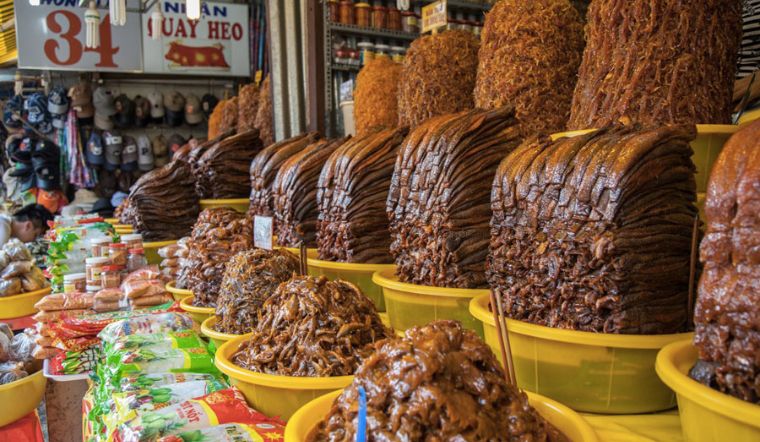
Vietnam is not only famous for its abundance of fish species, but its various types of fermented fish paste also contribute to the distinctive flavor of our cuisine. Each region has its own type of fermented fish paste, such as shrimp paste, fish paste, crab paste, and prawn paste, etc. Remember to try them as you travel through these regions!
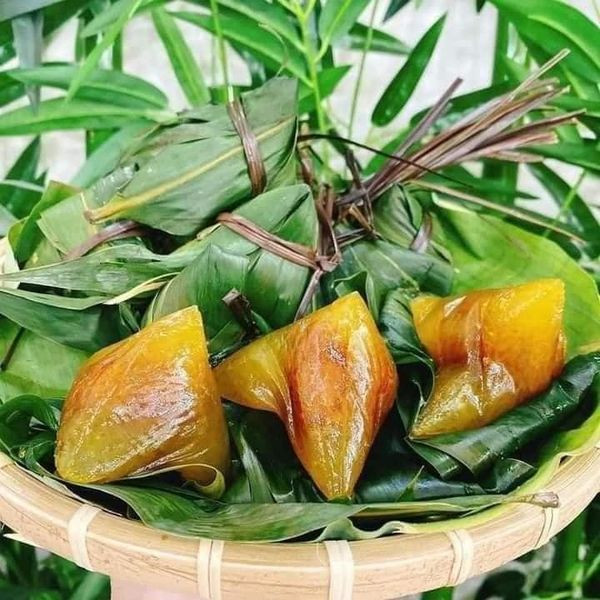
Ash lye rice dumplings are a traditional dish for the Dragon Boat Festival in Southern Vietnam. Nowadays, ash lye rice dumplings also appear at festivals, holidays, and ancestral commemoration ceremonies.
Without elaborate cooking techniques and using simple ingredients, the appeal of Southern Vietnamese cuisine is strong enough to leave a lasting impression on anyone who tries it for the first time. Coconut heart salad is one of the signature dishes of the Mekong Delta. The coconut heart is the tender, snow-white inner core at the...
My Tho noodle soup (Hu tieu My Tho) is a dish famous throughout the region for the unique characteristics it offers. At first glance, My Tho noodle soup looks similar to other types of noodle soup, but only when tasting it can you fully appreciate its distinct identity. My Tho is the city of Tien...
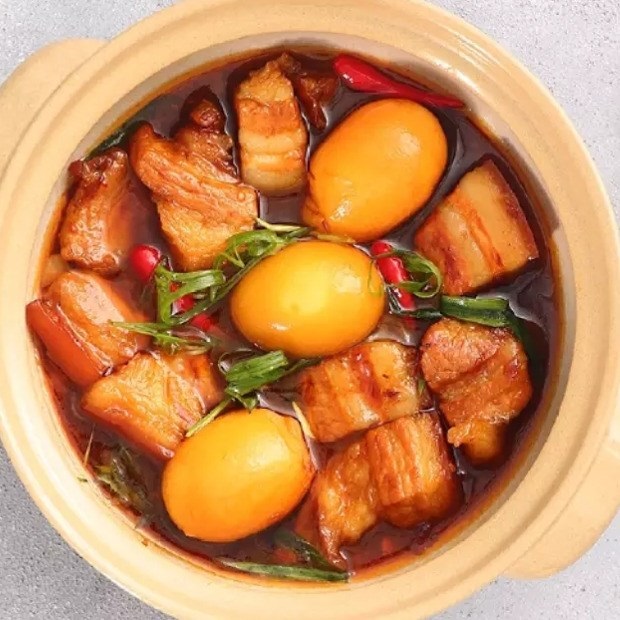
Braised pork belly can be eaten with many things such as white rice, pickled onions, pickled bean sprouts, but perhaps most commonly it’s served with pickled mustard greens. The salty, sweet, and rich flavors of the braised pork belly combine with the sour and slightly spicy taste of the pickled mustard greens, creating an unexpectedly...
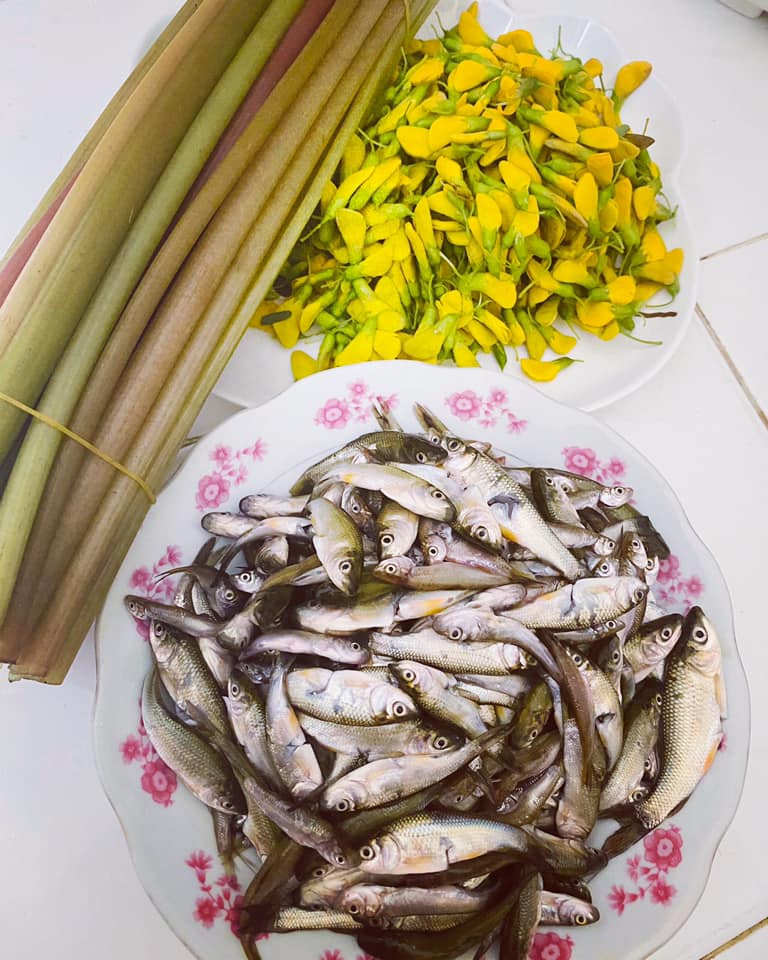
As is customary each year, around the full moon of the seventh lunar month, when floodwaters from the upper reaches of the Mekong River surge downstream, water levels rise rapidly in the upstream districts of the Đồng Tháp Mười and the Long Xuyên Quadrangle. This is also when people living along the upper Mekong Delta...
Bee pupa porridge cooked with coconut milk is considered the best; the rich, sweet flavor of the bee pupae, combined with the creamy richness of the coconut milk, is unlike anything else in the world, and sometimes even money can't buy it.
Nếu bây giờ, ai đó chưa từng ăn, chưa từng nghe qua thì sẽ cảm thấy lạ với cái tên này, vì cái tên nghe sao lạ lạ, ngộ ngộ. Thực ra, cái tên gọi cũng chính là cách làm món ăn này đấy, “chuối quết dừa” chỉ là chuối đem đi quết với dừa, nghe mà sao thân quen quá.
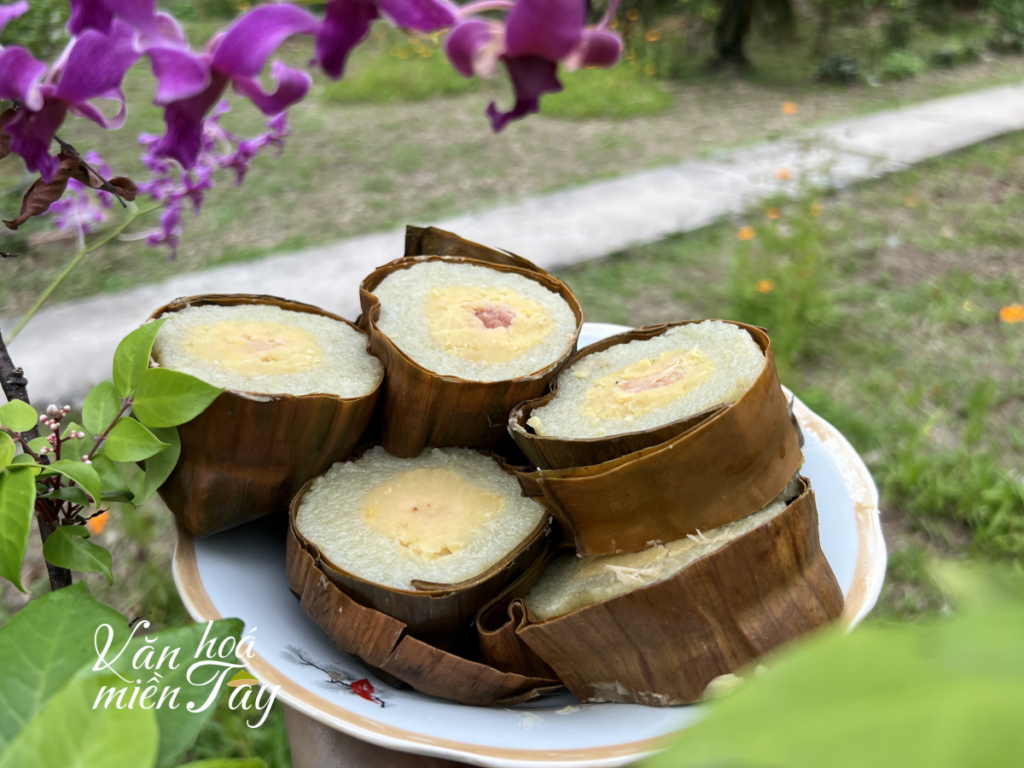
Western Vietnamese Bánh Tét is one of the traditional dishes that embodies the rich cultural identity of Southern Vietnam. It is not only enjoyed during the Lunar New Year (Tết) but is also closely associated with death anniversary ceremonies, ancestor worship, and family gatherings. For the people of the Mekong Delta, each bánh tét is...
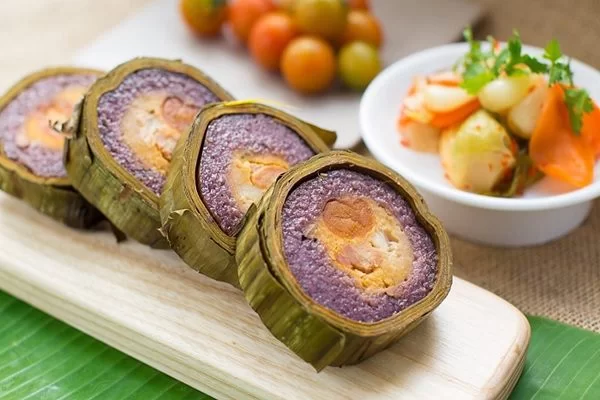
Purple sticky rice cake (Bánh tét lá cẩm) is a traditional Southern Vietnamese cake often made during Tet (Lunar New Year) or ancestral commemoration ceremonies. It's popular not only for its vibrant purple color but also for its distinctive flavor.