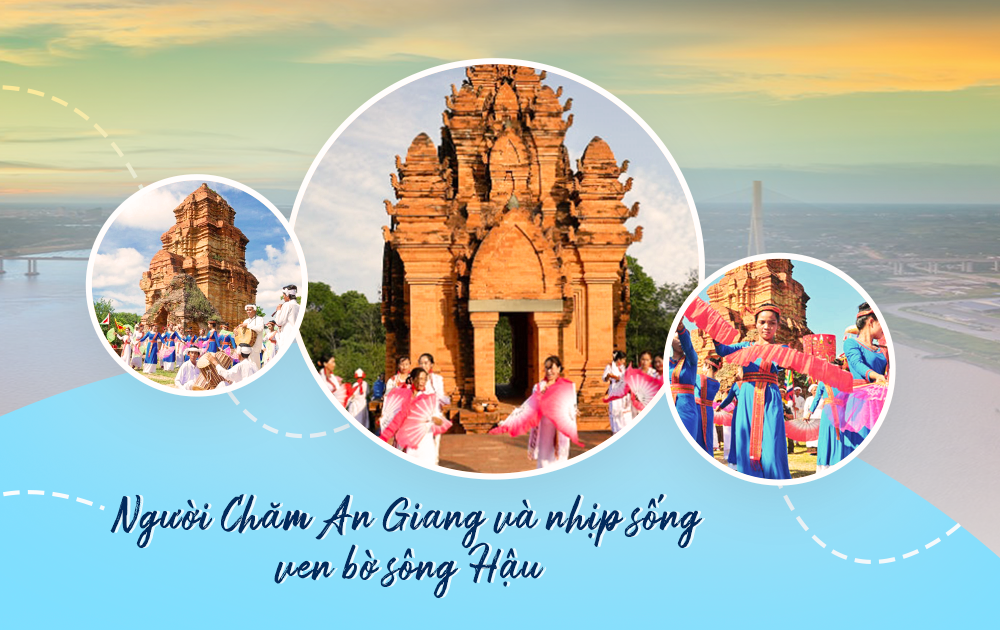
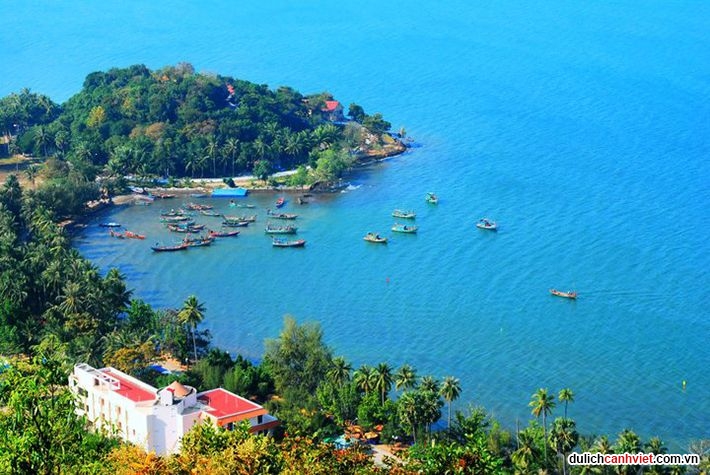
Spiritual tourism An Giang is not only a journey in search of inner peace, but also an opportunity to deeply experience the harmonious values of culture, history, and nature of the Southwestern Mekong Delta. An Giang is famous for its poetic river landscapes, sacred mountains, traditional folk festivals, and a rich system of temples and shrines bearing strong indigenous spiritual imprints. Explore the 9 spiritual tourism destinations below to enjoy truly distinctive cultural experiences.
Ba Chua Xu Temple of Sam Mountain (Chau Doc)
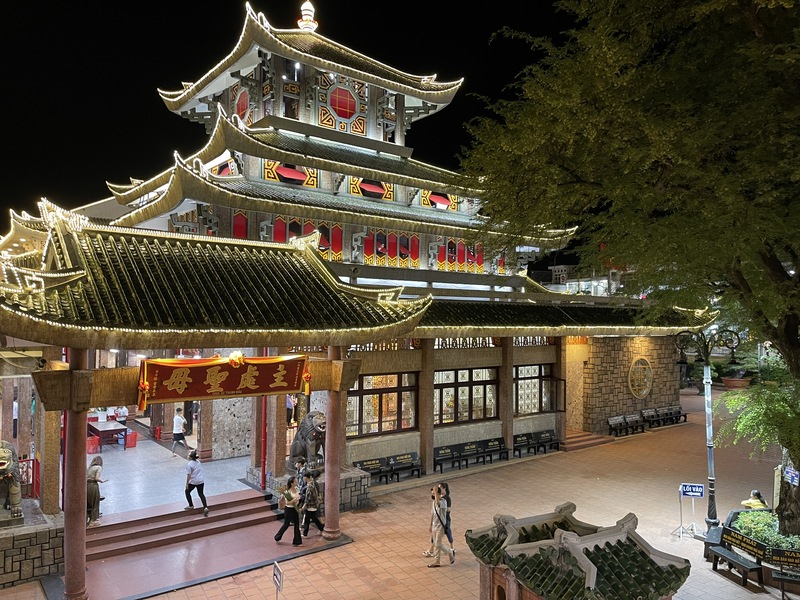
Ba Chua Xu Temple of Sam Mountain (Chau Doc)
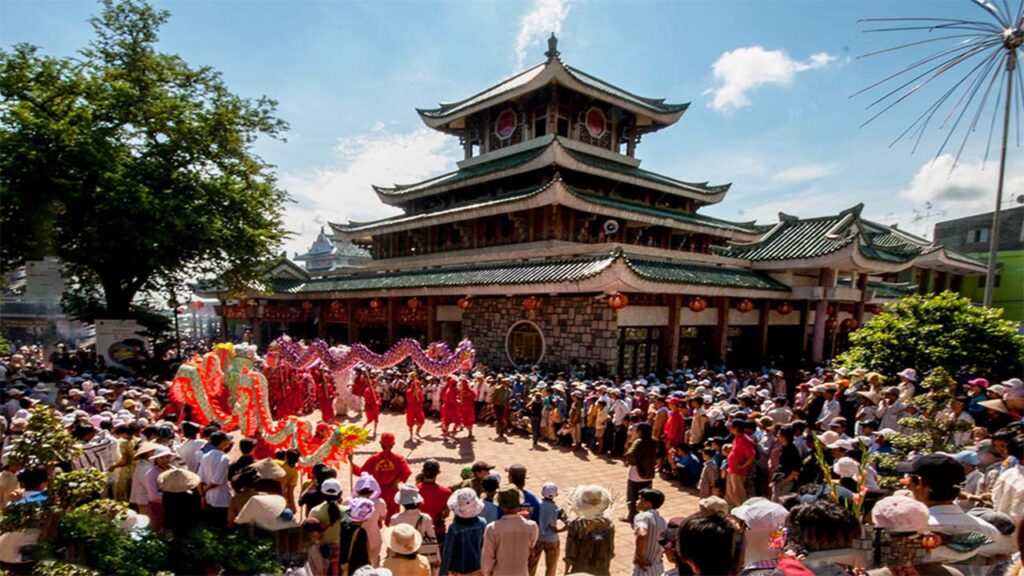
When it comes to spiritual tourism in An Giang, the first name that must be mentioned is Ba Chua Xu Temple of Sam Mountain, located at the foot of Sam Mountain in Chau Doc City. This is not only one of the most famous pilgrimage sites in the Mekong Delta, but also a place that preserves distinctive cultural and spiritual values of Southern Vietnam.
According to folk legends, the statue of Ba Chua Xu was discovered on the summit of Sam Mountain and brought down to be worshipped in the early 19th century. After many restorations, the temple features a solemn architectural style with curved roofs, intricate carvings of dragons and phoenixes, and brilliant gilded decorations, standing out amid the open mountainous scenery.
The Ba Chua Xu Festival is held annually on the full moon of the fourth lunar month, attracting millions of pilgrims who come to pray for peace, fortune, and prosperity. The sacred yet vibrant atmosphere creates a unique spiritual identity closely connected to the religious life of An Giang people and the entire Mekong Delta region.
Tay An Pagoda (Sam Mountain, Chau Doc)
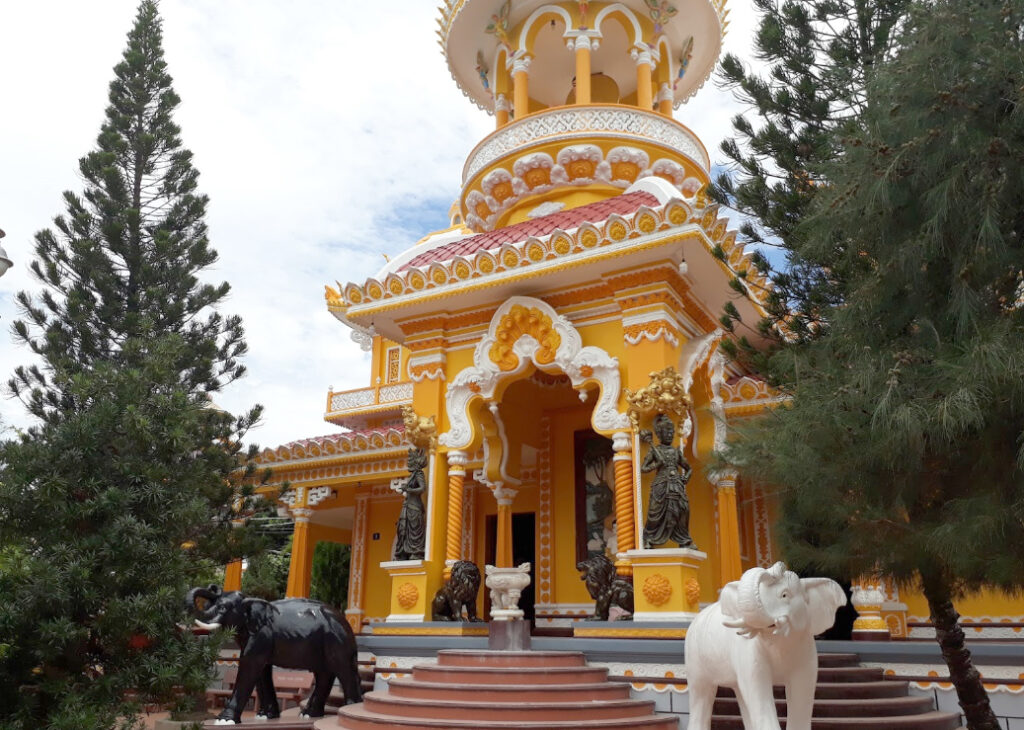
View of Tay An Pagoda
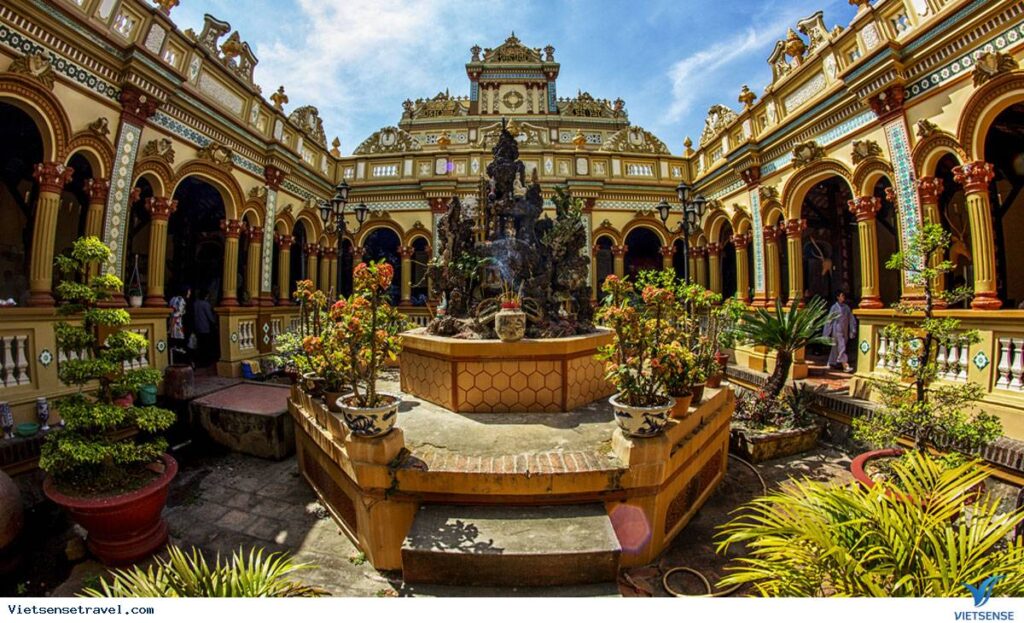
Tay An Pagoda is one of the most unique and ancient Buddhist structures in An Giang. The pagoda stands out for its harmonious blend of Indian, Islamic, and East Asian architectural styles, creating an ancient yet approachable beauty.
Built in 1847 and restored many times, the pagoda has preserved its original appearance with curved tiled roofs, distinctive round towers, and softly winding corridors set within a spacious compound. Inside the main hall, the statue of Shakyamuni Buddha is solemnly worshipped alongside hundreds of statues of Arhats, Avalokiteshvara, and Maitreya, creating a peaceful and serene atmosphere.
Tay An Pagoda is also closely associated with Doan Minh Huyen, also known as Duc Bon Su, the founder of Buu Son Ky Huong Buddhism — a religion deeply rooted in Southern Vietnamese culture. For Chau Doc locals, this is a sacred place to pray for peace and blessings; for visitors, it is a tranquil stop along the spiritual journey in An Giang.
Thoai Ngoc Hau Mausoleum
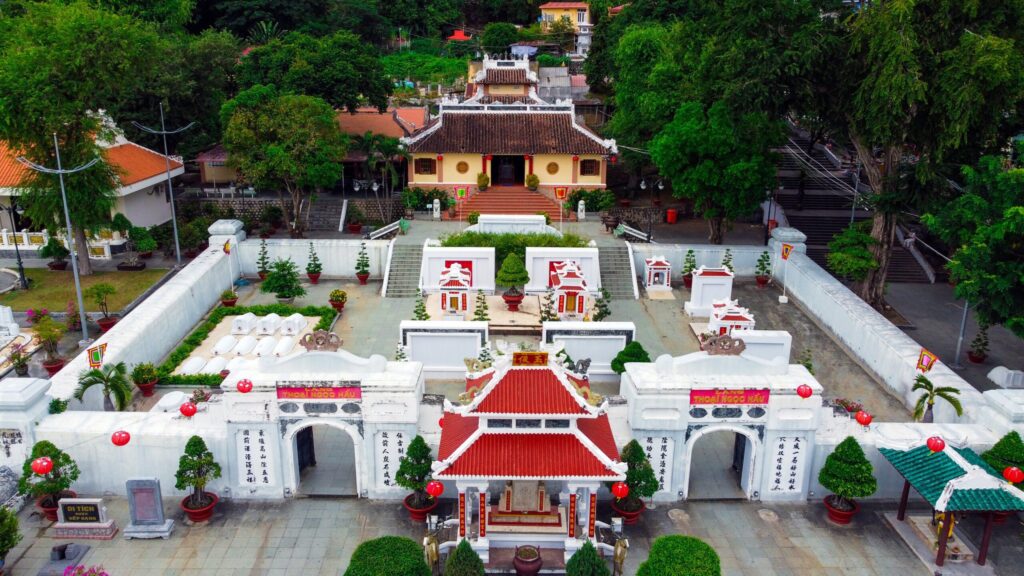
Thoai Ngoc Hau Mausoleum
Located at the foot of Sam Mountain, Thoai Ngoc Hau Mausoleum is the resting place of the distinguished mandarin Thoai Ngoc Hau — a key figure in the early 19th-century development of An Giang.
Built in 1829, the mausoleum features a harmonious yet solemn architectural style, using traditional bricks and yin-yang roof tiles. The complex includes shrines dedicated to Thoai Ngoc Hau and his two wives, Chau Thi Te and Truong Thi Miet, along with ancient stone steles recording his contributions to the construction of the Thoai Ha and Vinh Te canals — vital waterways of the Southwestern region.
The people of An Giang regard Thoai Ngoc Hau as a guardian spirit of the land. Every year, his death anniversary on the 6th day of the sixth lunar month is solemnly commemorated, attracting many locals and visitors who come to offer incense and pay tribute. Visiting the mausoleum offers not only spiritual reflection but also a glimpse into the history of Southern land reclamation.