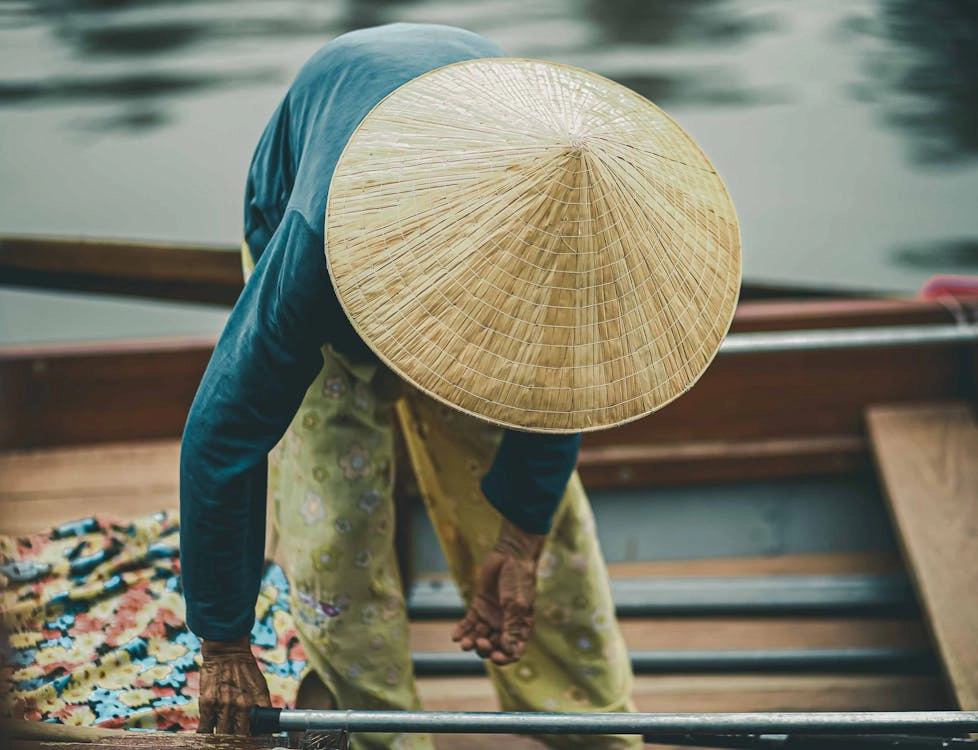
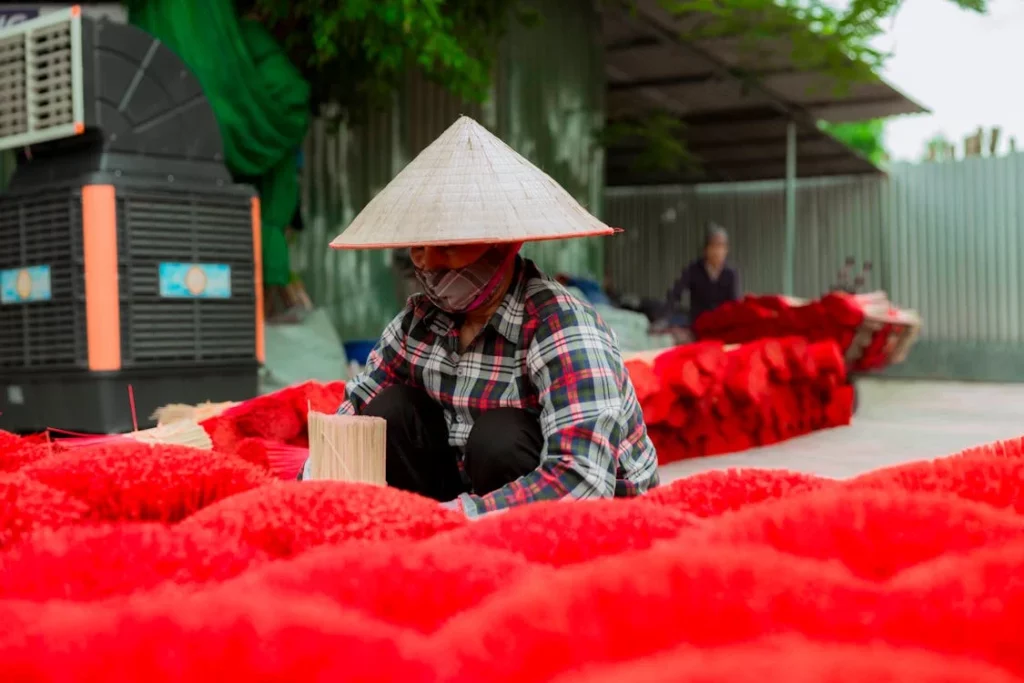
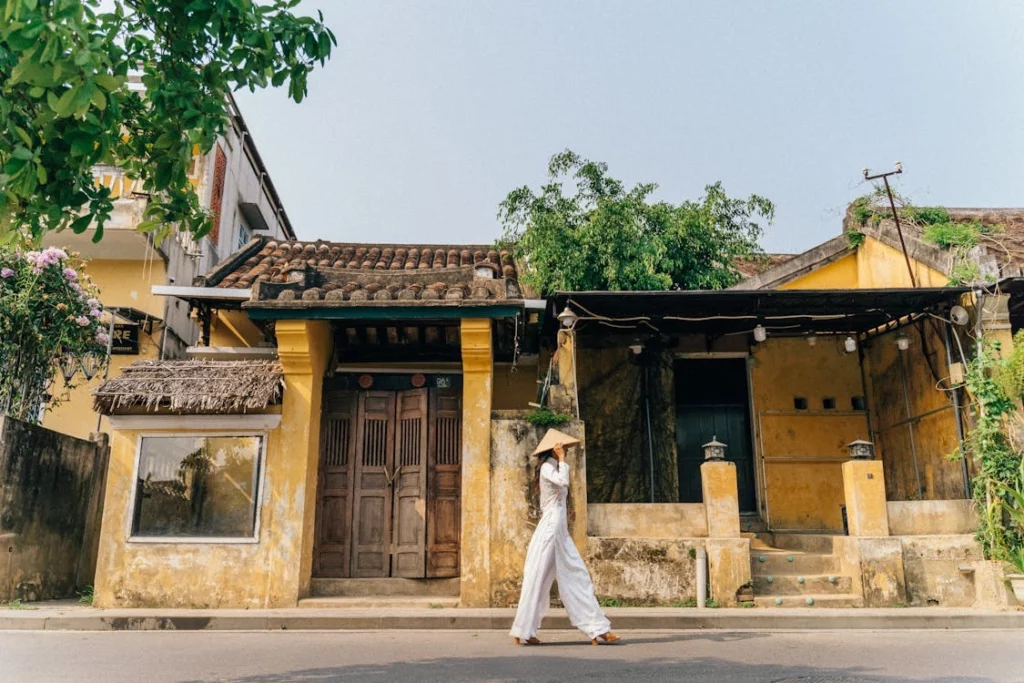
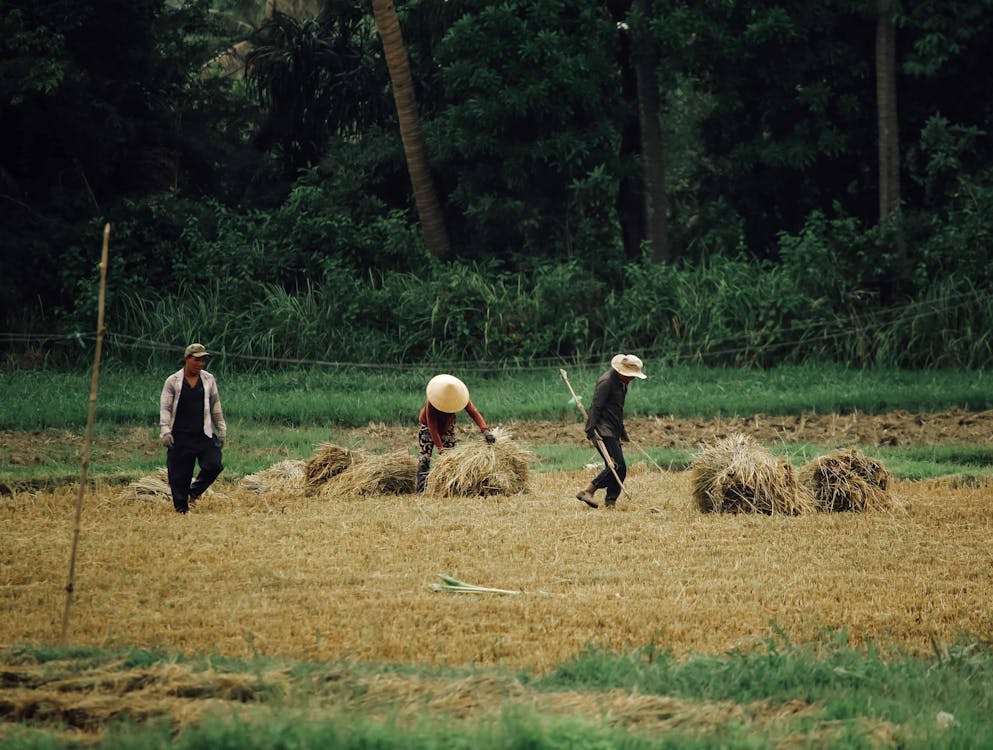
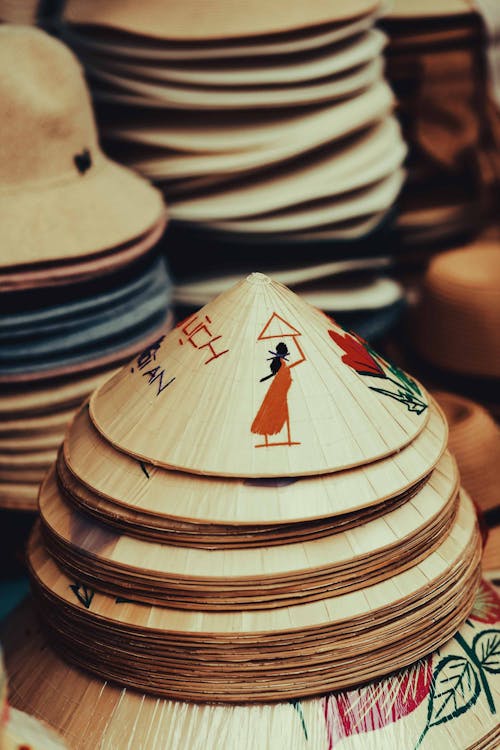
The conical hat is a symbol of gentleness and simplicity, representing Vietnamese women
and the land and people of Vietnam.
Across the S-shaped land of Vietnam, the image of the conical hat can be found everywhere.
Depending on each region, there are different methods of making conical hats to suit local conditions,
yet all creativity is rooted in traditional handcraft techniques and the meaningful purpose
of honoring the beauty of Vietnamese women.
I grew up in a poor rural area of Southern Vietnam, where the images of the conical hat,
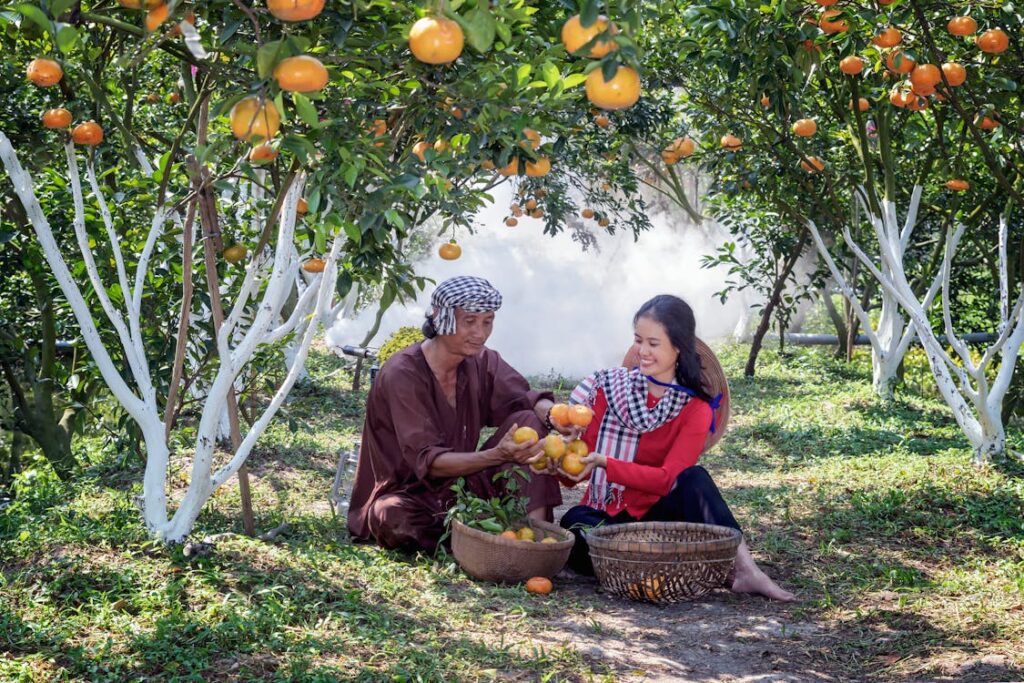
the checkered scarf, and the bà ba shirt were deeply imprinted in my childhood memories
and became my emotional baggage as I stepped into life.
It can be said that the checkered scarf, the conical hat, and the bà ba shirt together form
the most perfect symbol of the pure and gentle soul of Southern Vietnamese women.
Therefore, from real life to folk songs, poetry, and literature,
the image of the conical hat is always associated with the gentle Vietnamese girl
and the hardworking mother enduring sun and rain.
“Homeland is the small bamboo bridge,
Mother returns, her conical hat tilted to shield her face”
The conical hat appeared in Vietnam during the Trần Dynasty, around the 13th century.
Since then, it has remained inseparable from the Vietnamese people, like a shadow following its form.
The conical hat is for everyone—it does not distinguish gender, wealth, age, or social status.
Farmers wear it in the fields; soldiers carry it into battle;
artists and couples wear it when attending festivals;
royal consorts and princesses wear it in the imperial palace;
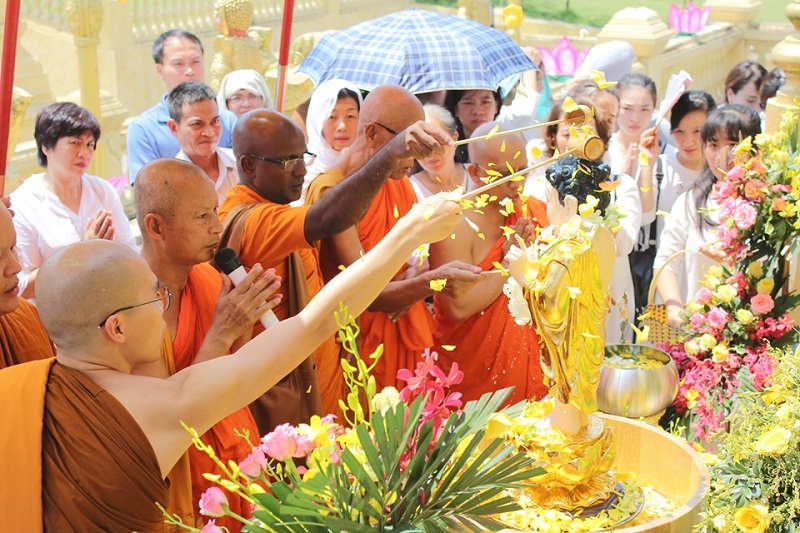
women wear it when going to pagodas to pray;
and laborers wear it in their daily work.
Silently and modestly, it has always been present in Vietnamese life.
Perhaps that is why the conical hat has long become a symbol of Vietnam and its people.
In daily life, the conical hat is a very “practical” item.
Although there are many types of conical hats in Vietnam,
they all share common features: wide brims to protect from sun and rain,
and a sloping shape that allows rainwater to drain quickly.
There are pointed conical hats, wide-brimmed basket-shaped hats, and the traditional three-layered hat.
During wartime, when seeing their lovers off to the battlefield,
young women often wore conical hats with purple chin straps symbolizing faithfulness.
That simple image carried more meaning than countless vows,
bringing peace of mind to those heading to war.
Beyond practicality, the conical hat also serves as an adornment,
enhancing the charm of Vietnamese women and reflecting the Vietnamese aesthetic of subtle,
modest beauty.
Vietnamese girls treat the conical hat like jewelry,
often attaching a small round mirror inside the hat
so they can discreetly adjust their appearance.
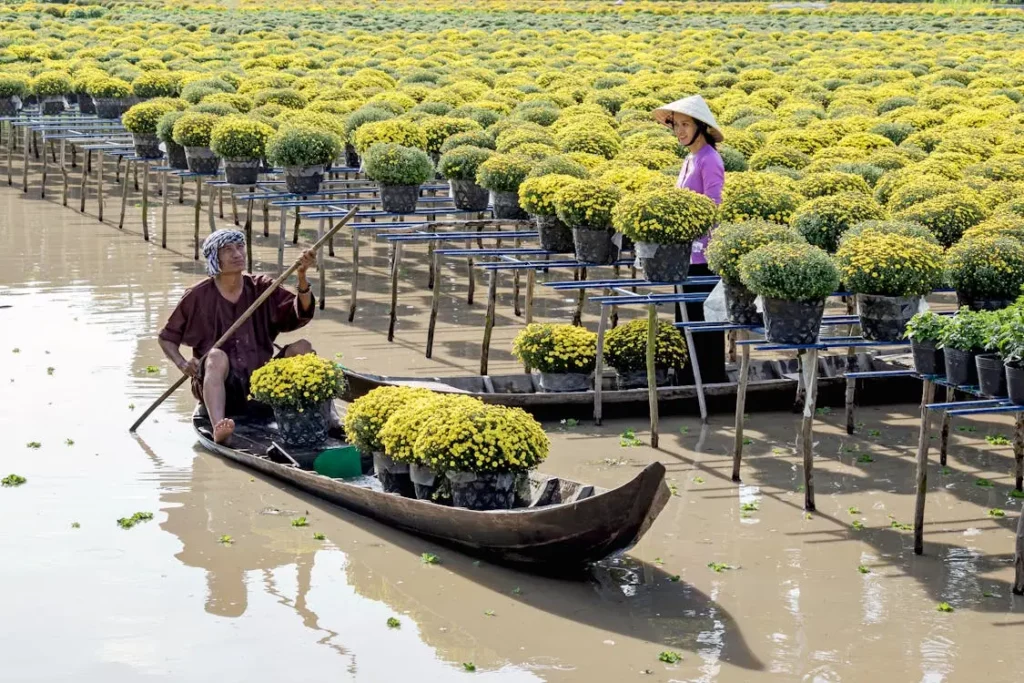
Amid the dense canals and waterways of the Southern countryside,
beneath the brim of the conical hat,
a young woman’s eyes, smile, and soft sideburns appear even more graceful,
modest yet irresistibly charming—leaving many captivated.
The most elaborate type is the poetic conical hat,
decorated with hidden drawings beneath the layers of palm leaves—
cheerful patterns, bamboo groves, rice fields, or romantic verses—
visible only when held up to the sunlight.
This is known as the “poem conical hat.”
Within it lies the beauty of an entire cultural region.
For Huế women, when going out, the traditional áo dài and conical hat are indispensable.
Whether early morning or late afternoon, the conical hat is a constant companion.
“The hat is so Huế, yet life is not the same,
The sun rises from the tilt of your conical hat”
The conical hat is closely associated with hardworking mothers enduring sun and rain.
The conical hat accompanies farmers to the fields,
joining them in labor for abundant harvests.
When the wind dies down, it becomes a fan for cooling;
turned upside down, it can hold freshly picked vegetables, fruits, or even water.
Today, the conical hat has become a symbol of Vietnam in the eyes of international friends.
It is always included in tourists’ luggage as a cherished souvenir from Vietnam.
This is one of the popular choices for gifts to international visitors
The conical hat is not merely a practical item but a quiet beauty of Vietnamese culture.
No matter how life changes or how modern society becomes,
the conical hat will forever remain a companion of the Vietnamese people.
I am certain of that.
<!– wp:acf/blockpostquote {“id”:”block_671a2b2a90433″,”name”:”acf/blockpostquote”,”data”:{“blockPostQuote_background”:”#abb8c3″,”_blockPostQuote_background”:”field_671_
The custom of entering monkhood in order to become a proper person is still common among the Khmer people in the Southwestern region of Vietnam. According to their belief, becoming a monk is not to become a Buddha but to become a better human being, preparing for a good life in the future. It is...
For many generations, the primary means of transportation and livelihood for the people of the Mekong Delta has been boats, with the “xuồng ba lá” (three-plank canoe) standing out as a unique cultural icon. Living in this riverine region, even the poorest household owns at least one. This is considered a symbol of riverine civilization...
Through many eras, the áo bà ba remains widely worn by everyone, especially those of middle age and older. It is a thousand-year cultural beauty that leaves an unforgettable impression on the Vietnamese people—a nation with a tradition of creativity and innovation, adapting through time and space to endure… Going back in history, returning to...
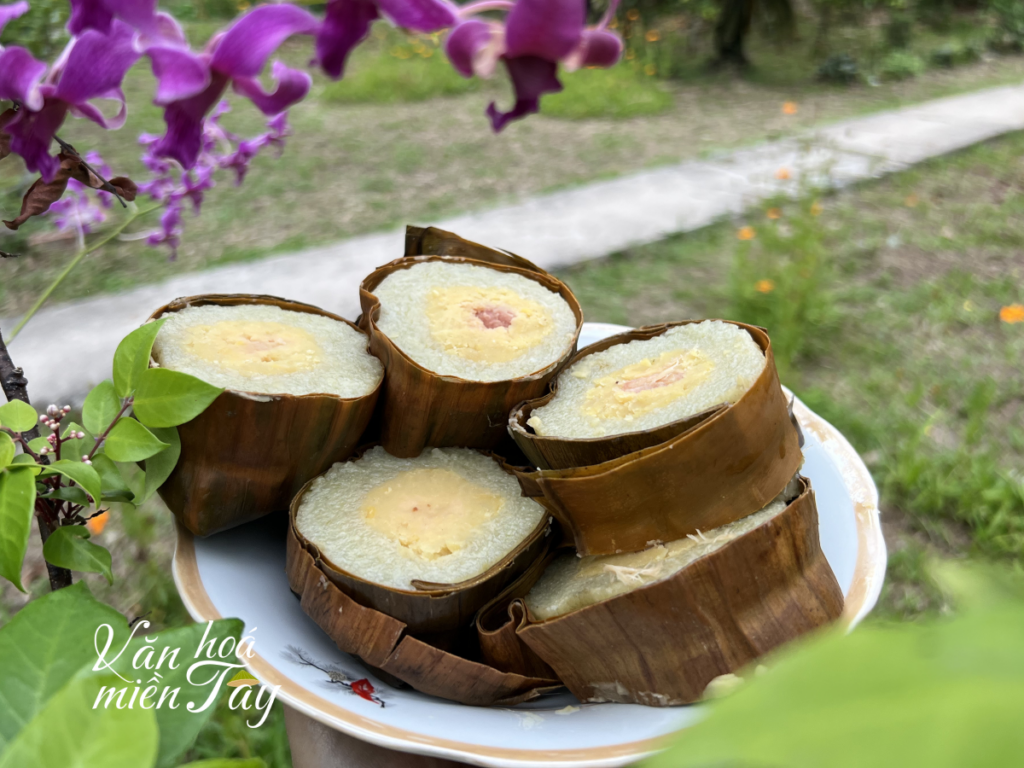
Western Vietnamese Bánh Tét is one of the traditional dishes that embodies the rich cultural identity of Southern Vietnam. It is not only enjoyed during the Lunar New Year (Tết) but is also closely associated with death anniversary ceremonies, ancestor worship, and family gatherings. For the people of the Mekong Delta, each bánh tét is...
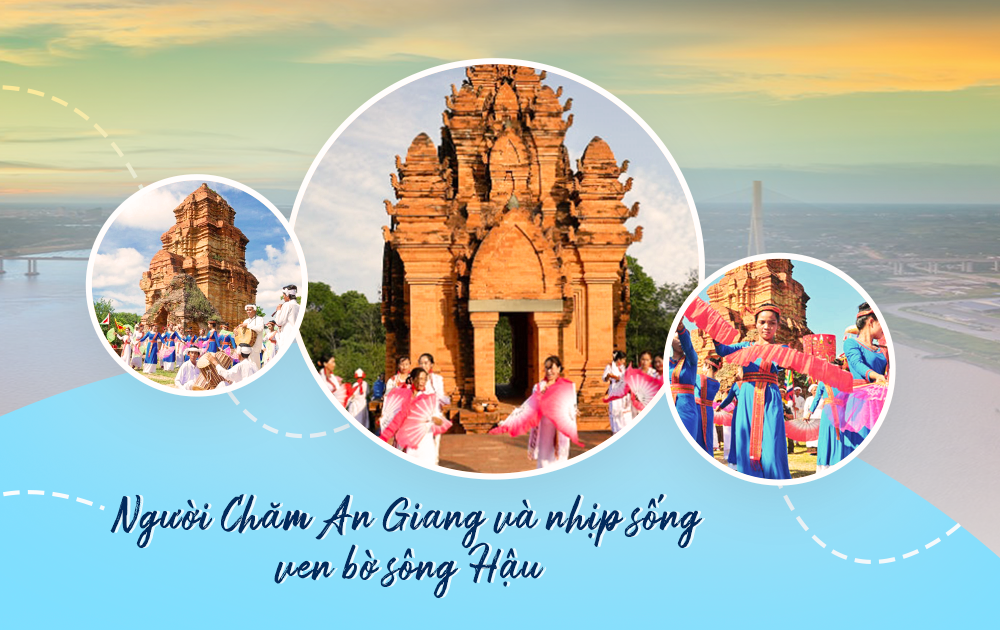
Along the gentle stretch of the Hau River lie nameless small hamlets, where the Cham people of An Giang have quietly lived their lives for generations. Without noise or promotion, they preserve their traditions through what may seem like ordinary things: a stilt house, a prayer session in the mosque, a neatly wrapped Matra scarf...
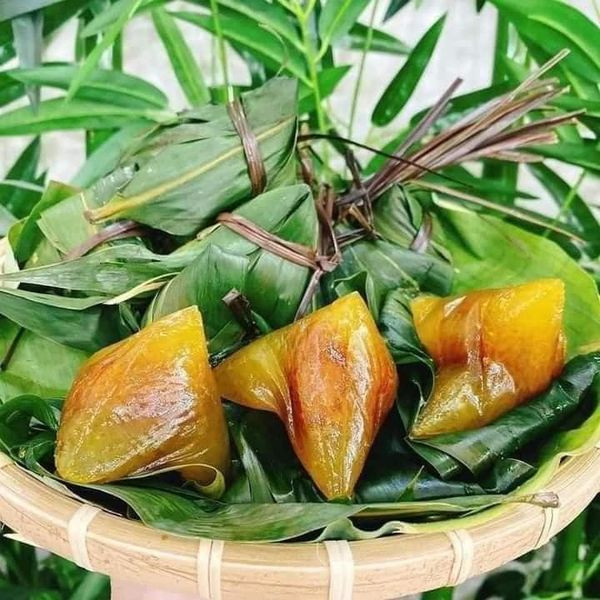
Ash lye rice dumplings are a traditional dish for the Dragon Boat Festival in Southern Vietnam. Nowadays, ash lye rice dumplings also appear at festivals, holidays, and ancestral commemoration ceremonies.
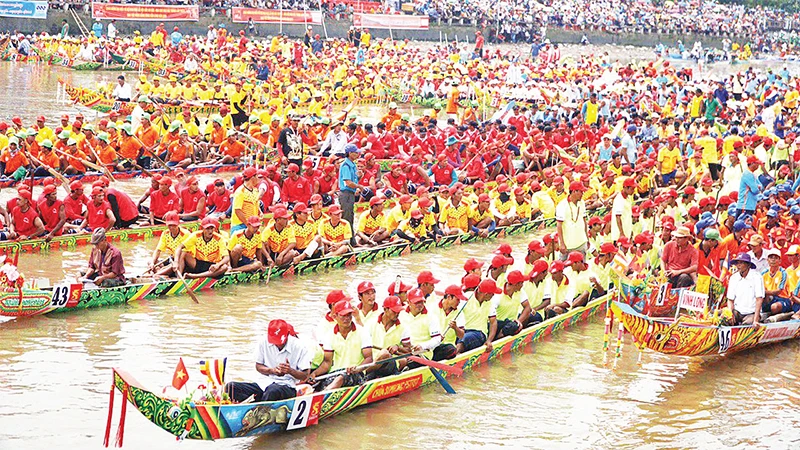
The Oc Om Boc festival, or traditional Khmer boat race, is one of the major festivals with profound humanistic significance, demonstrating the community bonds of the Southern Khmer people and the spirit of solidarity and loyalty of the three brotherly ethnic groups Kinh, Khmer, and Hoa in the Mekong Delta region.
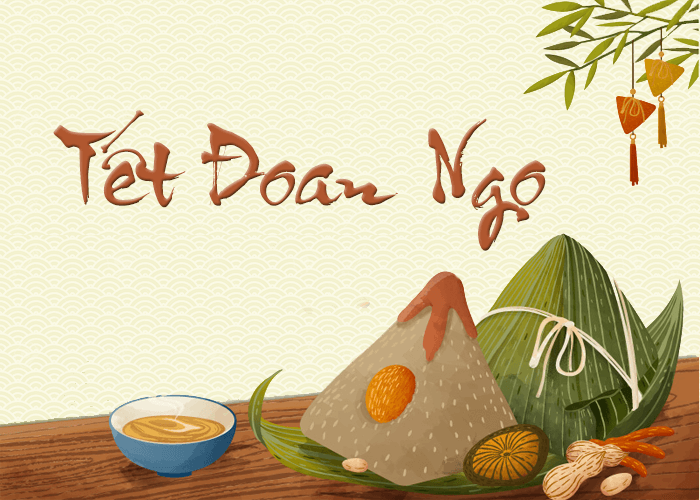
“Tháng tư đong đậu nấu chè Ăn Tết Đoan ngọ trở về tháng năm” (ca dao). Though not as boisterous and bustling as the traditional Lunar New Year, the Đoan Ngọ Festival is still preserved and holds a certain place in the hearts of the Vietnamese people. Đoan Ngọ Festival – The Pest-Killing Festival This...
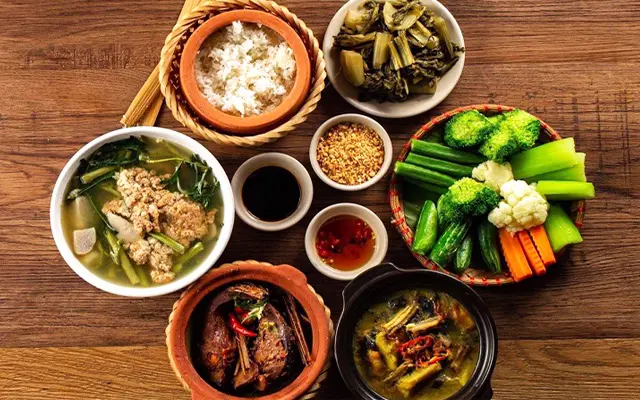
Due to its geographical features and economic activities, Western Vietnamese (Mekong Delta) cuisine has been shaped by a riverine civilization, where the main food sources are rice, fish, and vegetables. The West is a land of honest, rustic, and simple people. Perhaps it is the open and harmonious nature of the locals that has brought...
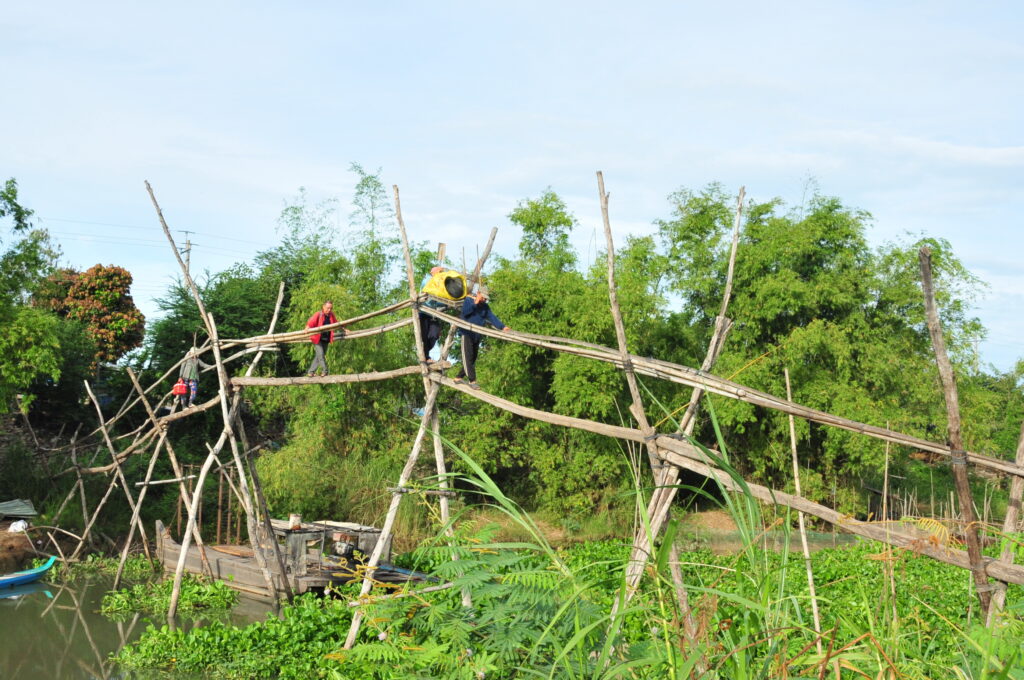
The bamboo bridge in the orchards of the Mekong Delta remains deeply etched in the memories of the people of the Southwestern region of Vietnam as a cultural feature of the riverine landscape. This bamboo bridge, or "monkey bridge," spanning the intricate network of rivers, canals, and ditches, is a unique and beautiful aspect of the scenery and daily life of the people in the Mekong Delta.
Every year on the 24th day of the 4th lunar month, pilgrims from all over flock to Sam Mountain to attend the Ba Chua Xu Festival, creating a bustling and festive atmosphere. Notably, in 2010, the 10th anniversary of the festival was marked by its elevation to a National Level Festival. Sam Mountain is located...
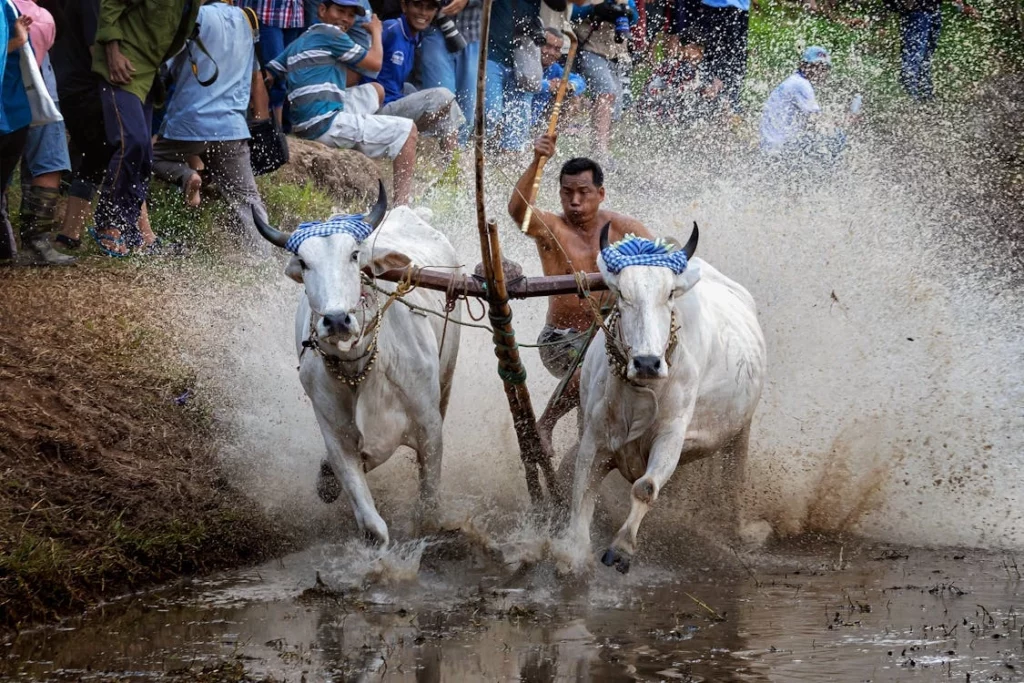
For a long time, the Seven Mountains area (That Son) in An Giang has attracted many visitors not only for its local specialties and beautiful landscapes, but also for a unique traditional festival—the Ox Racing Festival. This festival is held annually during the Dolta (Don-ta) Festival, a ceremony to worship grandparents and commemorate ancestors of...