“Tháng tư đong đậu nấu chè
Ăn Tết Đoan ngọ trở về tháng năm” (ca dao).
Though not as boisterous and bustling as the traditional Lunar New Year, the Đoan Ngọ Festival is still preserved and holds a certain place in the hearts of the Vietnamese people.
Đoan Ngọ Festival – The Pest-Killing Festival
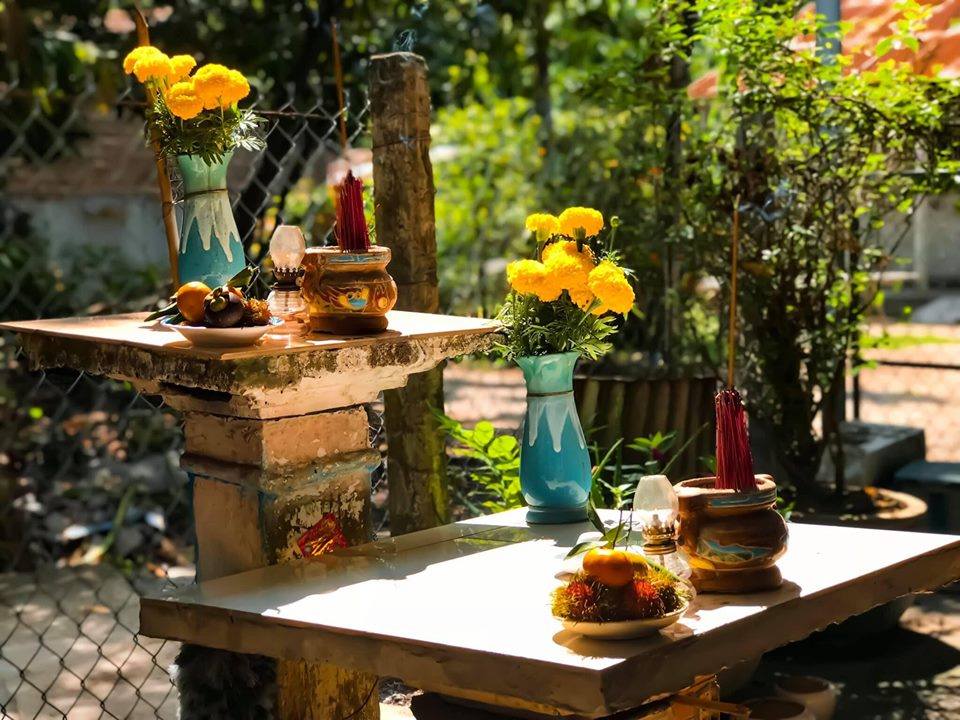
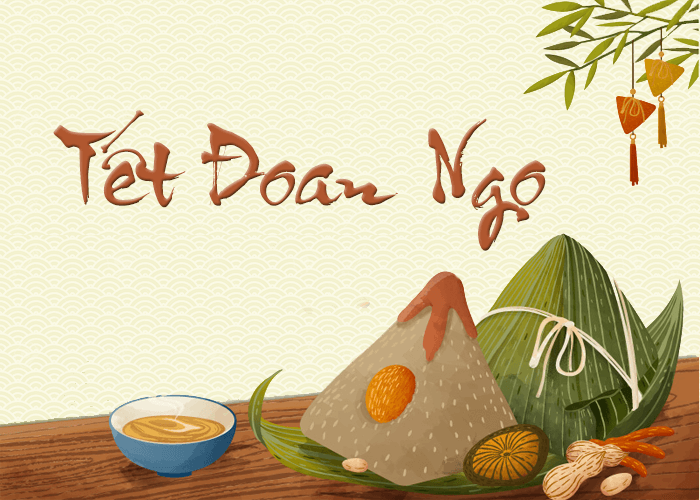
This year, the Đoan Ngọ Festival falls on June 20th of the solar calendar. It can be said that this is one of the important festivals in folk beliefs. No one knows exactly when the Đoan Ngọ Festival began; they only remember that in ancient times, when farmers were celebrating a bumper harvest, swarms of pests arrived to destroy the crops. While the people were at a loss, an old man appeared. According to him, each household should set up an altar with ash pyramid rice dumplings (bánh ú tro), fruit, and engage in physical activity. Unexpectedly, the pests really vanished! Before leaving, the old man reminded them to do this every year on the 5th day of the 5th lunar month.
Many families also maintain their own traditions; on the 5th day of the 5th month, grandmothers catch insects (ants, worms, cockroaches…) around the house and put them on a hot pan to fry. This is accompanied by prayers for good things to come to the family and neighborhood. Therefore, the Đoan Ngọ Festival is also known as “Pest-Killing Day.”
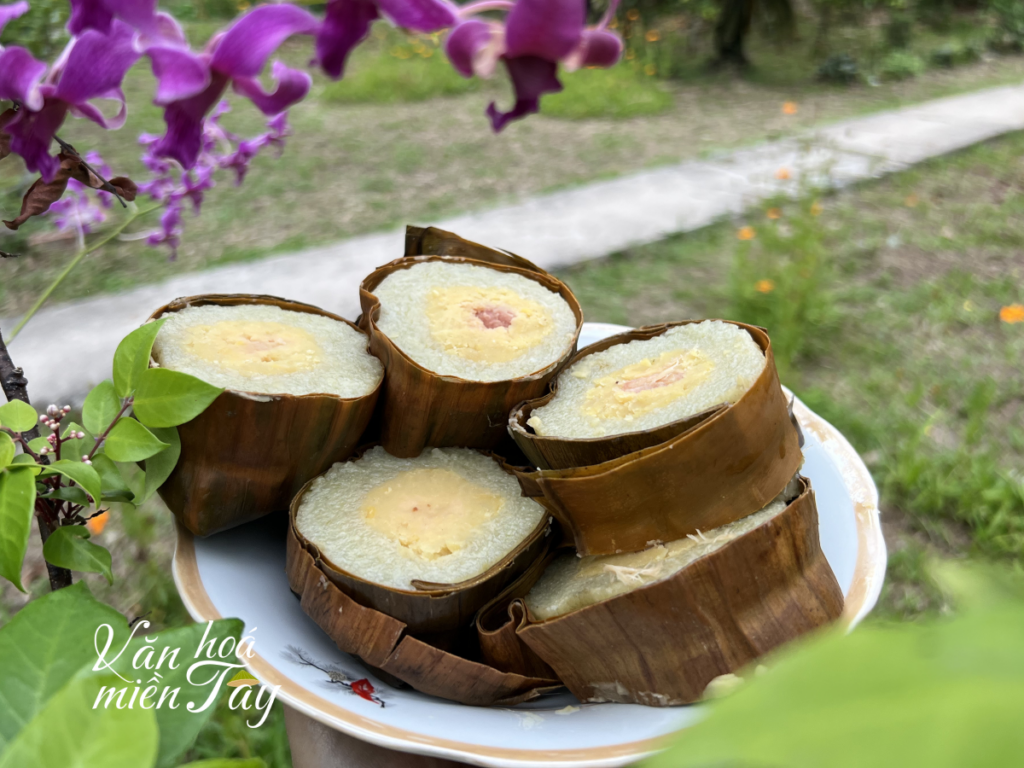
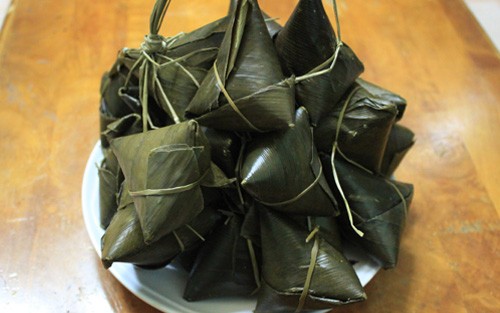
Every year, a week before the 5th day of the 5th month, the markets become much more bustling, especially in the areas selling flowers and fruit. It would be an oversight to mention the Đoan Ngọ Festival without talking about “bánh ú lá tre” (ash pyramid dumplings wrapped in bamboo leaves)—the type of dumpling that is always present on the offering trays for ancestors.
It is not only an occasion for people to remember ancient tales but also an opportunity for many families to increase their income through the craft of wrapping and selling these ash pyramid dumplings.
Đoan Ngọ Festival – Irreplaceable Values
Inheriting the craft of making bánh ú from her grandmother, Ms. Be Hai (Long Xuyen City) has been attached to it since her youth. On regular days, she still makes ash pyramid dumplings (bánh ú lá tre) for sale. However, the sales volume increases significantly when the mid-year festival arrives. For over a week now, people have been coming to place many orders. Some have ordered up to 700 dumplings. Naturally, the price remains the same despite the holiday. Besides being used for offerings, this type of dumpling has a refreshing taste. The ingredients are simply mung beans and glutinous rice soaked in ash water, making it suit many people’s palates.
In urban areas, sometimes due to work, the Đoan Ngọ Festival does not look as lively as in the countryside. In rural areas, people celebrate much more boisterously. I remember when I was a child, every 5th day of the 5th month, my siblings and I would be bought beautiful clothes by our parents to visit our grandparents. My mother would go to the market to buy many things for offerings, just like during the Lunar New Year.
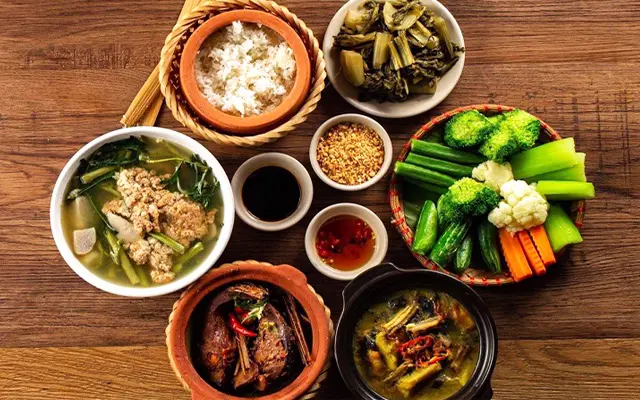
Typically, the offering meal for the 5th day is served at noon. After the highest-ranking family member performs the ritual, the children and grandchildren follow. After the ceremony, everyone sits together to enjoy a warm and loving family meal.
Through the ups and downs of life, today’s Đoan Ngọ Festival is slightly different from the past. However, the wishes and the beautiful meanings it brings remain irreplaceable values.