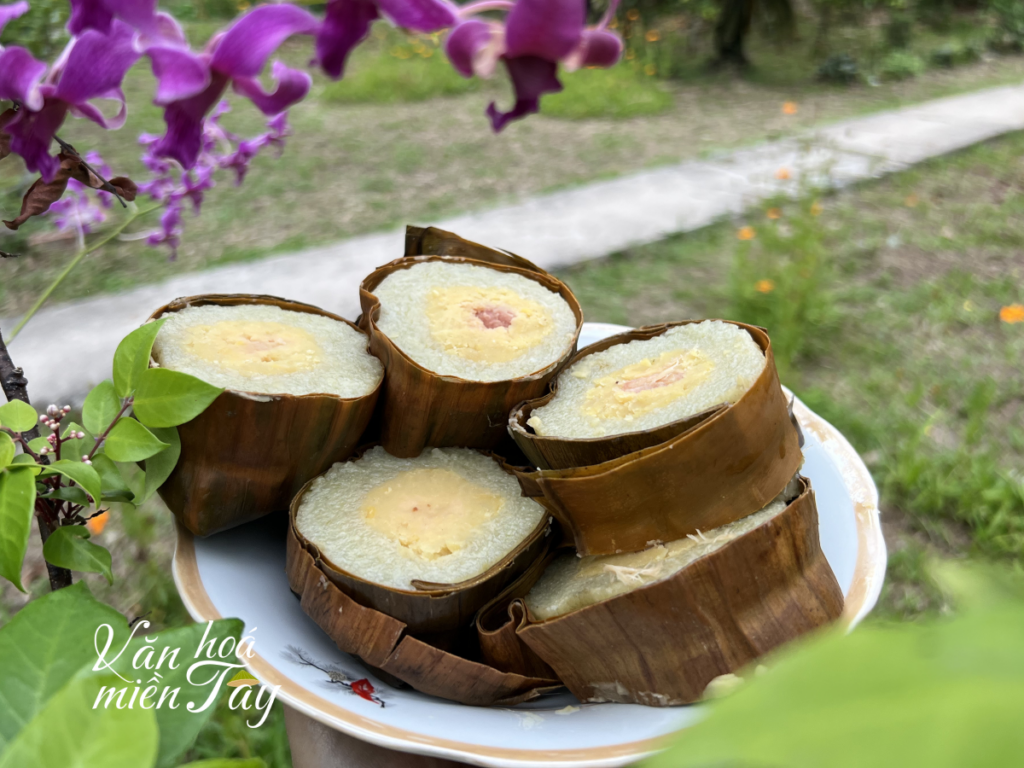
Western Vietnamese Bánh Tét is one of the traditional dishes that embodies the rich cultural identity of Southern Vietnam. It is not only enjoyed during the Lunar New Year (Tết) but is also closely associated with death anniversary ceremonies, ancestor worship, and family gatherings. For the people of the Mekong Delta, each bánh tét is more than just a traditional food—it symbolizes family reunion, prosperity, and the enduring bonds of kinship that have been preserved across generations.
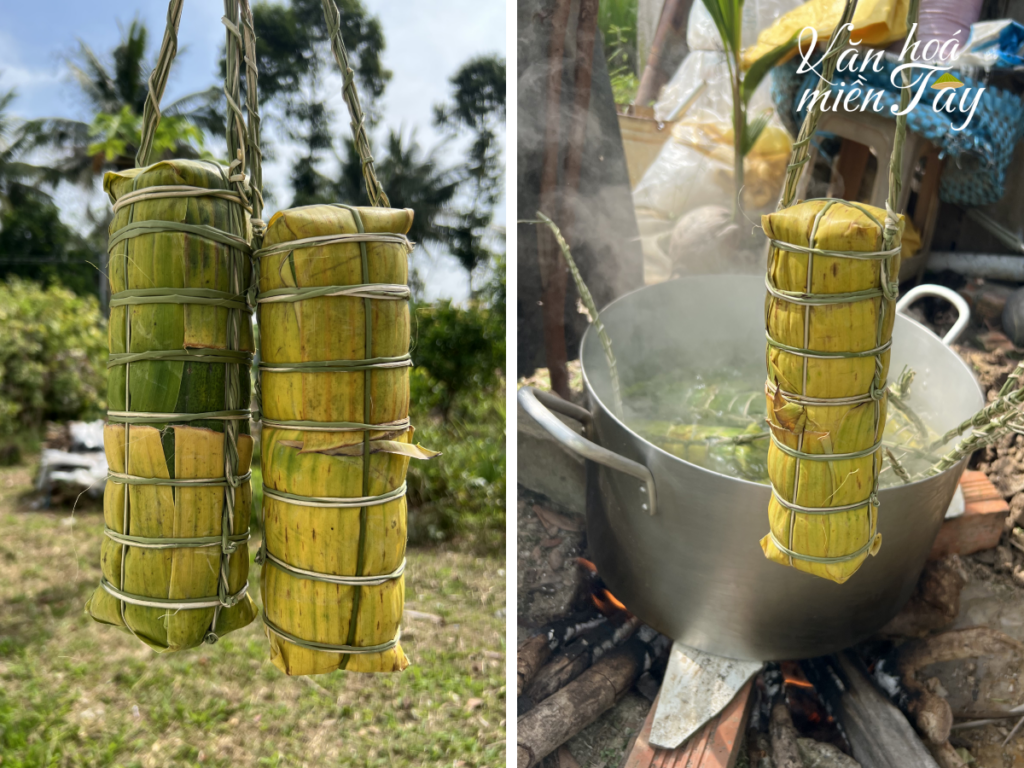
Although modern life continues to evolve, the image of a steaming pot of bánh tét simmering over a wood-fired stove, accompanied by the joyful laughter and conversations of family members gathered together to wrap the cakes, remains a cherished memory for the people of the Mekong Delta. For this reason, Western Vietnamese bánh tét is not only a well-known regional specialty but also an integral part of the culinary heritage and cultural identity of Southern Vietnam.
The Origin of Western Vietnamese
To this day, there is no definitive historical record identifying the exact origin of Western Vietnamese bánh tét. However, many researchers believe that this traditional rice cake has been part of the daily life of Southern Vietnamese communities for centuries, evolving alongside the region’s rice-growing civilization.
Unlike the square-shaped bánh chưng traditionally found in Northern Vietnam, Western Vietnamese bánh tét is wrapped in banana leaves and shaped into a long cylinder. This distinctive form not only makes it easier to transport and store but also suits the river-based lifestyle of the people in the Mekong Delta.
Over time, Western Vietnamese bánh tét has become an indispensable part of the Lunar New Year (Tết) celebrations. Beyond Tết, it is also prepared for ancestor worship ceremonies, housewarming celebrations, weddings, and other important family occasions as a symbol of wishes for prosperity, peace, and good fortune.
As one of the signature traditional dishes of Southern Vietnam, Western Vietnamese bánh tét has been passed down through generations. It is enjoyed not only during Tết but also at death anniversary ceremonies, ancestor worship rituals, and family reunions. For the people of the Mekong Delta, each bánh tét represents abundance, family unity, and gratitude toward parents and ancestors.
Ingredients That Create Its Distinctive Flavor
One of the key factors behind the appeal of Western Vietnamese bánh tét is its use of simple, familiar ingredients that are carefully selected to ensure the best flavor and quality.
A traditional typically consists of:
- Glutinous rice
- Split mung beans
- Pork belly
- Fresh banana leaves
- Bamboo strings for tying the cake
Freshly harvested glutinous rice is preferred so that the cake remains soft, sticky, and fragrant after cooking. The split mung beans are cooked until just tender to preserve their naturally rich and nutty flavor. The pork belly is seasoned with pepper, shallots, and fish sauce, with a balanced ratio of lean meat and fat to ensure it stays tender, rich, and moist even after many hours of boiling.
Once tightly wrapped in fresh banana leaves, the cakes are boiled continuously for 8 to 12 hours. This slow cooking process allows all the ingredients to blend together, creating the distinctive flavor that makes Western Vietnamese bánh tét so unique.
Making a delicious bánh tét requires both skill and patience.
The process begins by soaking the glutinous rice for several hours to ensure the grains absorb enough water and cook evenly. The mung beans are steamed until tender and shaped into small logs, while the pork belly is cut into long strips and marinated before being wrapped.
The banana leaves are briefly passed over a flame to soften them, making them easier to fold. The wrapper then carefully layers the rice, mung beans, and pork before covering the filling with another layer of rice. The leaves are rolled tightly and secured evenly with bamboo strings.
Once wrapped, the cakes are neatly arranged in a large pot and boiled continuously. Throughout the cooking process, someone must regularly add water to ensure the cakes remain fully submerged and cook evenly.
This is also a cherished time when family members gather around the stove, share stories, prepare for the Lunar New Year, and create lasting memories together.
Western Vietnamese bánh tét is not limited to the traditional pork-filled variety. Over time, many unique variations have emerged, reflecting the richness and diversity of Southern Vietnam’s culinary heritage.
Traditional Pork-Filled Bánh Tét
This is the most popular variety of Western Vietnamese bánh tét, especially during the Lunar New Year (Tết). The filling typically consists of split mung beans and pork belly. It is commonly served with pickled scallion bulbs (củ kiệu) or assorted pickled vegetables (dưa món), creating a perfect balance between the chewy glutinous rice, the nutty mung beans, and the rich, savory pork.
Can Tho Purple Bánh Tét (Bánh Tét Lá Cẩm)
Bánh tét lá cẩm is one of Can Tho’s most famous specialties. Its distinctive purple color comes naturally from the leaves of the lá cẩm plant, giving the cake not only an attractive appearance but also a unique aroma. It has become a popular souvenir for visitors traveling to the Mekong Delta.
Banana Bánh Tét
Unlike the savory varieties, banana bánh tét features ripe bananas as its filling. During the long cooking process, the bananas develop a beautiful deep reddish-purple color while retaining their naturally sweet flavor and distinctive fragrance.
Five-Colored Bánh Tét
In some parts of the Mekong Delta, people prepare five-colored bánh tét using natural ingredients such as lá cẩm (magenta plant), gac fruit, pandan leaves, turmeric, and white glutinous rice. Each color symbolizes wishes for good luck, prosperity, happiness, and a successful new year.
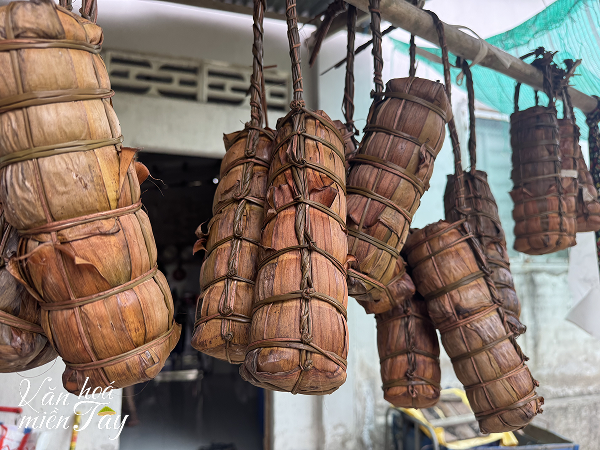
Today, Western Vietnamese bánh tét is produced by many local manufacturers who combine traditional recipes with modern food safety standards. As a result, this iconic regional specialty is now available throughout Vietnam and has become a meaningful gift for family and friends.
How to Enjoy Western Vietnamese Bánh Tét at Its Best
Western Vietnamese bánh tét can be enjoyed in a variety of ways.
It is best served while still warm, allowing you to fully appreciate the aroma of freshly cooked glutinous rice and banana leaves.
People in the Mekong Delta also enjoy bánh tét with a variety of traditional side dishes, including:
- Pickled scallion bulbs (củ kiệu)
- Assorted pickled vegetables (dưa món)
- Dried shrimp
- Pork floss
- Sweet and sour fish sauce
After the Lunar New Year, leftover bánh tét is often sliced and pan-fried until golden brown. The crispy outer layer contrasts beautifully with the soft, chewy glutinous rice inside, creating a distinctive flavor and texture that many people love.
At room temperature, Western Vietnamese bánh tét can typically be stored for 3 to 5 days. When refrigerated, its shelf life can be extended to approximately 7 to 10 days.
Western Vietnamese bánh tét is more than just a traditional dish—it is a symbol of family reunion, filial piety, and the strong bonds that connect generations.
Each bánh tét is the result of the collective effort of family members. Every time the cakes are wrapped, grandparents pass down their knowledge, stories, and cherished traditions to the younger generation, helping preserve the cultural heritage of their hometown.
For those living far from home, simply seeing a bánh tét is enough to bring back memories of the lively days leading up to the Lunar New Year—the aroma of wood-fired stoves and the joyful laughter of loved ones gathered together.
This enduring emotional and cultural significance is the greatest value that Western Vietnamese bánh tét continues to preserve today.
Despite the growing popularity of modern cuisine, Western Vietnamese bánh tét still holds a special place in the hearts of the Vietnamese people.
Its combination of natural ingredients, authentic flavors, and deep cultural significance has made it an indispensable part of Lunar New Year celebrations.
Not only is it cherished by people in Southern Vietnam, but it is also loved by visitors from across the country and around the world, as it beautifully reflects the culinary traditions and simple, heartfelt lifestyle of the Mekong Delta.
Perhaps what people remember most is not only the taste of the cake but also the time spent together preparing it for the New Year.
Adults wash the banana leaves, soak the glutinous rice, and season the pork. Children help clean the leaves, arrange the bamboo strings, and pass the ingredients. Meanwhile, grandparents patiently teach the younger generation how to wrap the cakes neatly and evenly.
As the large pot of bánh tét simmers over the fire, everyone gathers around the stove throughout the night to add water, share stories, and talk about their hopes for the coming year. These precious moments have become a cherished tradition in the Mekong Delta, creating lasting memories and a sense of togetherness that no other dish can replace.
Western Vietnamese bánh tét is more than just a delicious traditional food. It is the embodiment of culture, family values, and the enduring traditions of Southern Vietnam. Every grain of fragrant glutinous rice, every layer of green banana leaves, and every slice of the cake reflects the peaceful countryside, where people value sincerity, family, and a deep connection to their roots.
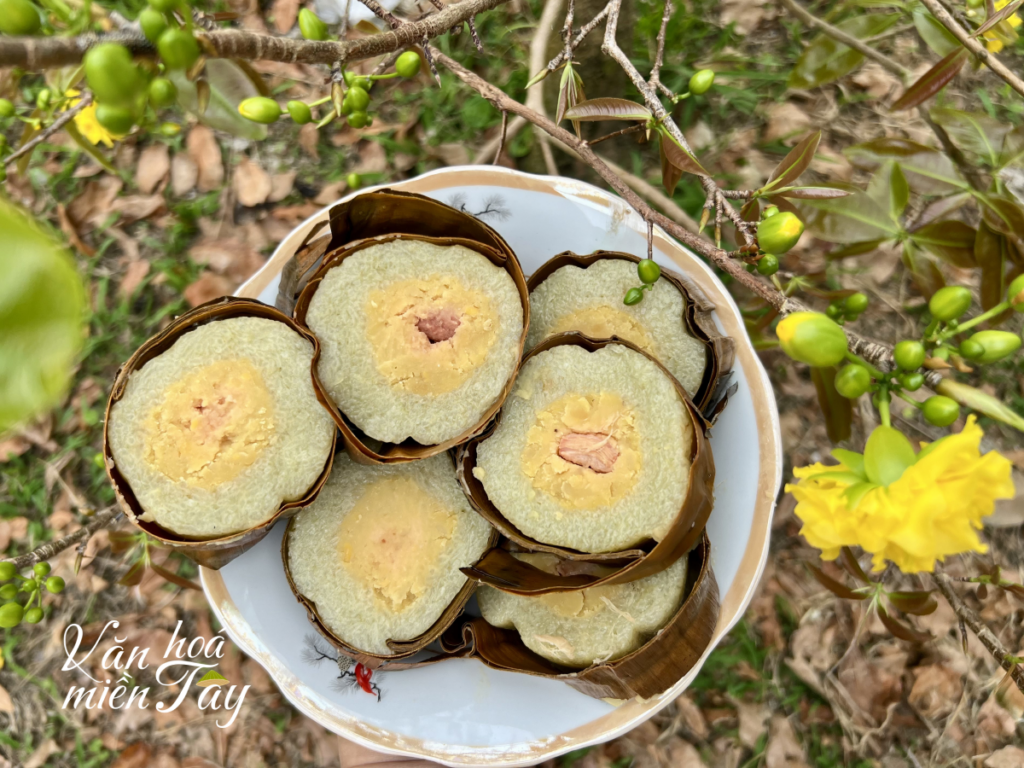
Despite the many changes brought by modern life, Western Vietnamese bánh tét has retained its timeless value. More than just a traditional dish enjoyed during the Lunar New Year, it represents a cherished memory shared by generations of Vietnamese people. Each bánh tét is the result of locally grown glutinous rice, skilled craftsmanship, and the love and care of family members. For this reason, Western Vietnamese bánh tét will always remain a cherished symbol of the Mekong Delta’s culinary heritage and a source of pride for the people of the region.