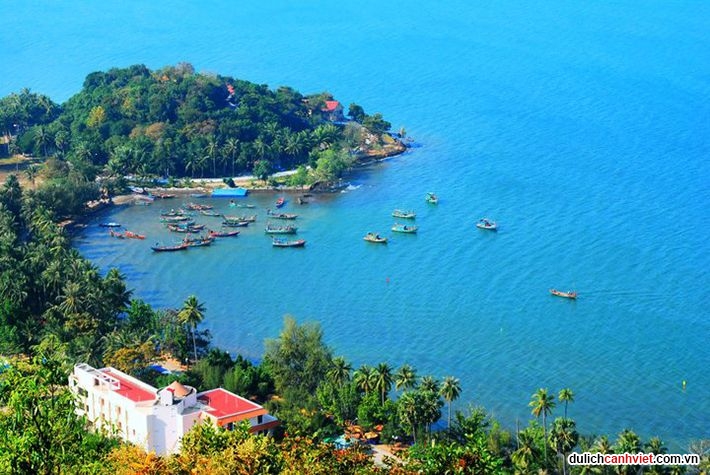
When mentioning entertainment and leisure destinations in Cần Thơ, Mỹ Khánh Tourist Village is almost always the first name that comes to mind, serving as an obvious recommendation for any visitor.
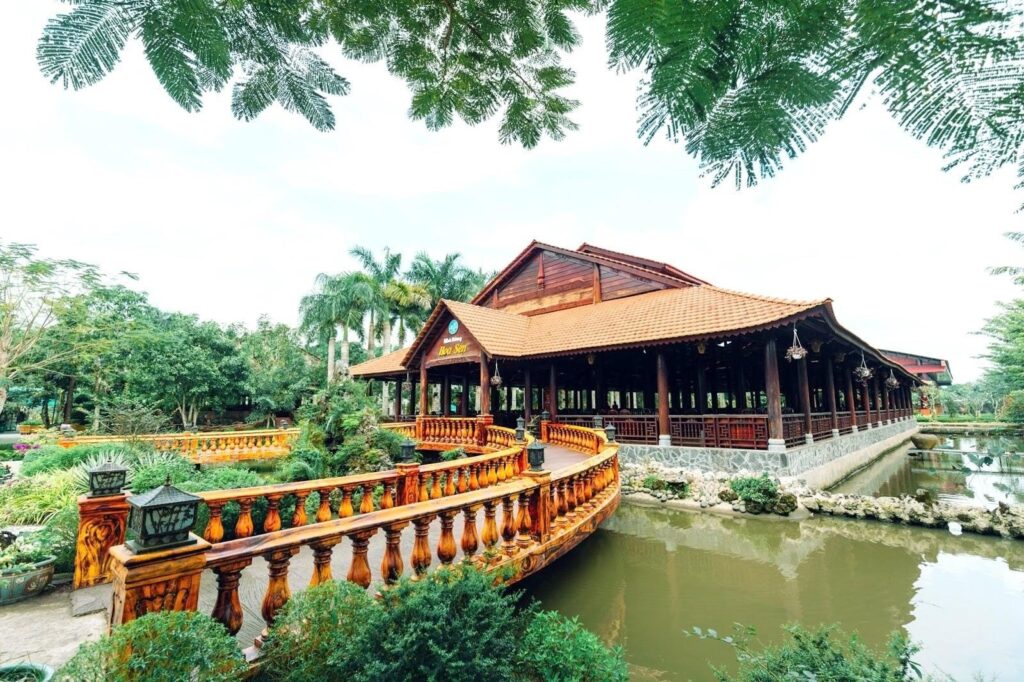
Covering an area of more than 50,000 square meters, this eco-tourism site offers a full range of services and spaces for recreation, entertainment, and relaxation. Thanks to its diverse services, Mỹ Khánh Tourist Village welcomes large numbers of visitors during major holidays such as April 30, September 2, Tết, and even on weekends. Visitors not only get to enjoy the peaceful atmosphere of a Southern Vietnamese rural village and join various tour programs from Mỹ Khánh to other attractions in Cần Thơ, but can also take part in recreational activities such as fishing, boating on ponds and lakes, and traditional folk games. In addition, guests can visit a more than 100-year-old traditional Southern house here to learn about the unique cultural characteristics, lifestyle, and architecture of Southern Vietnamese people in the past.
The house is hidden behind rows of lush green areca palms and ornamental plants. The courtyard is bathed in the warm sunlight of the Mekong Delta. Stepping over the threshold, visitors enter an ancient space. Horizontal lacquered boards and parallel sentences conveying moral lessons for descendants, along with meticulously carved and exquisitely detailed phoenix-and-dragon wooden sculptures, run along the columns. The house is divided into three sections, with a long table as the focal point. On the left is a row of cabinets displaying ceramic bowls and plates from the 19th and 20th centuries, as well as a cabinet used as a mirror. On the opposite side is a wooden daybed. Symmetrically placed are two round tables: the left one is used to receive guests, while the other is for family members to gather around meals. All the furniture is made from nhong wood and century-old ironwood. Over time, the wood has aged, yet this only enhances the silvery sheen emitted by delicately and skillfully inlaid mother-of-pearl floral patterns.
Out on the veranda, with cool breezes blowing, visitors can sit and enjoy refreshments while listening to traditional vọng cổ melodies played from a nearly 60-year-old gramophone. That was the Southern region of the past. At night, the house has a single room with an antique bed for those who wish to stay overnight and truly experience the saying “living through the nights and days” of Cần Thơ in the Southern land. The bedroom is connected to the kitchen by a partition wall. All kitchen utensils remain intact, from basins and baskets to clay pots. Though the stove fire has long gone out, it still seems capable of warming the love and nostalgia for one’s homeland in the hearts of visitors far from home.
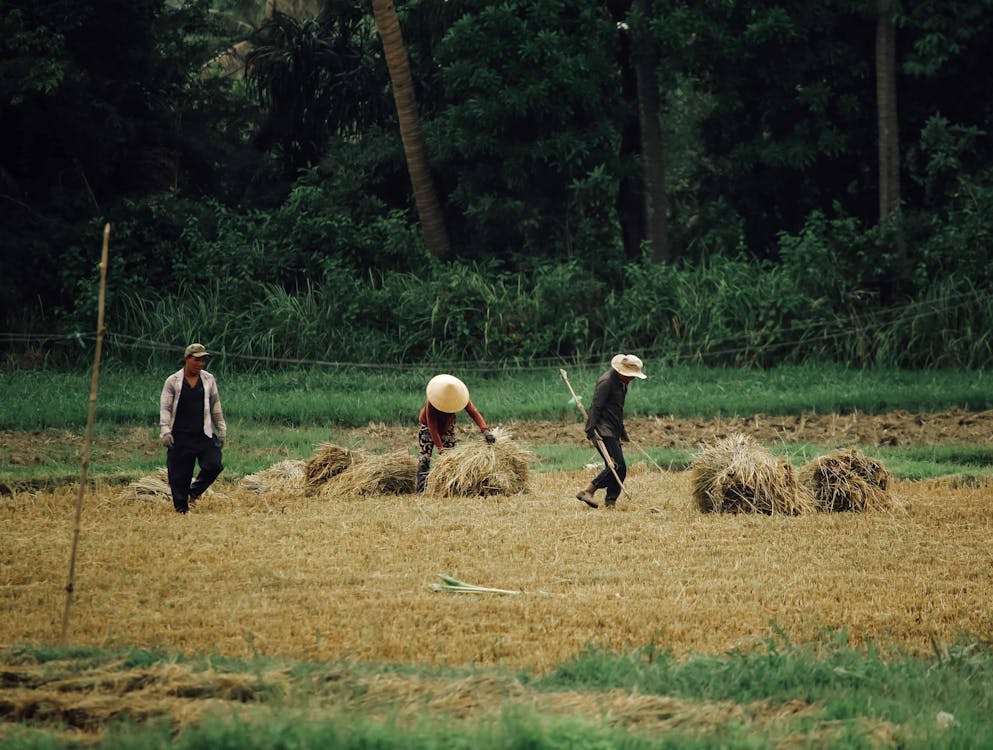
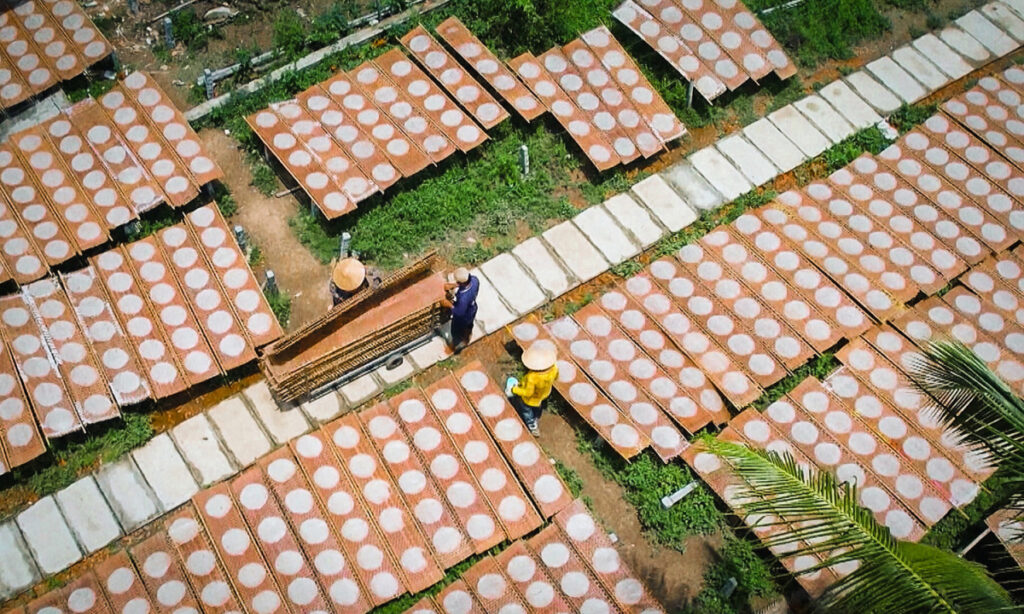
For those who enjoy exploration and learning about typical traditional craft villages, behind the old house are villages specializing in rice paper making and rice wine brewing. Visiting these craft villages, tourists can observe the meticulous manual process of making rice paper, and the result of such care is delicious rice paper with a distinctive local flavor.
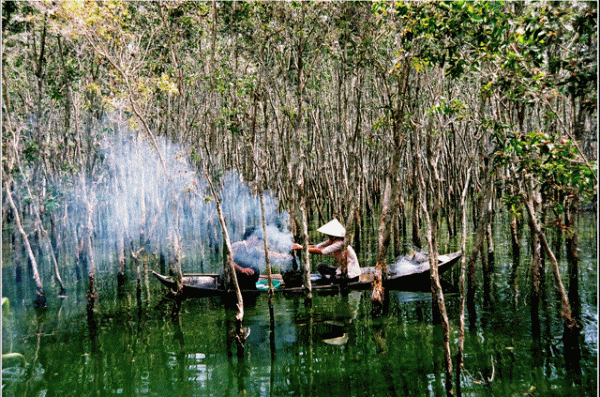
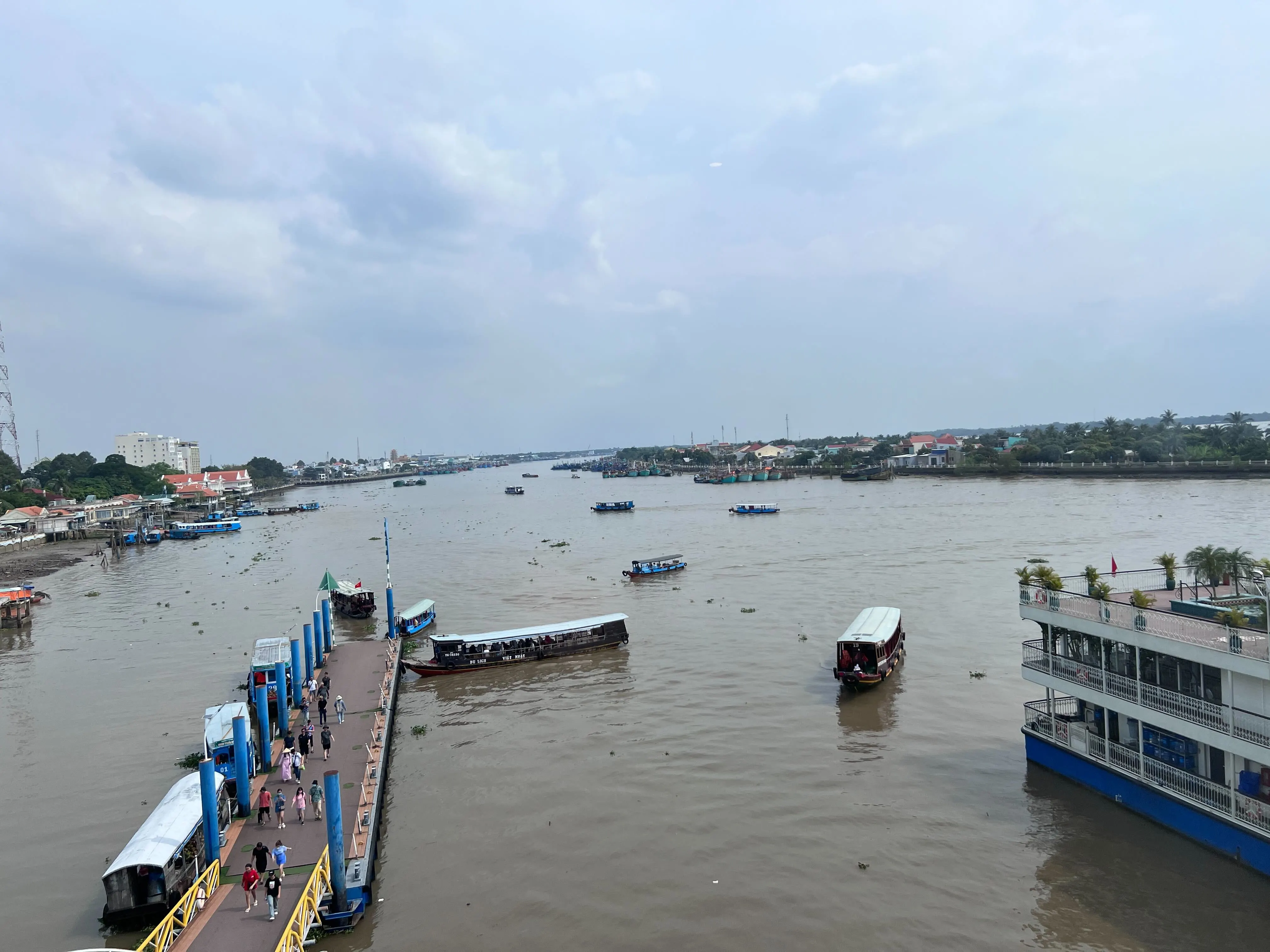
The nighttime program is equally appealing: night fishing and river cruises. The boat can accommodate more than 100 people and is staffed with a rowing team (either manual rowing or motorized boats), ready to offer visitors a peaceful evening on the river. On both sides of the riverbanks, everything is quiet; lights glow in riverside homes, distant boats hurry along, and only the sound of singing and music from the boat echoes along a stretch of the river. During the summer months, however, this tranquil river suddenly becomes lively with the cheers of fishermen hauling in their nets. According to Mr. Phạm Minh Sáng, Deputy Director of Mỹ Khánh Eco-Tourism Co., Ltd., this activity is especially popular with visitors from Hồ Chí Minh City. Before heading out, guests are instructed by the company’s staff on how to cast fishing nets. Nothing is more exciting than hearing shrimp, fish, and tiny prawns thrashing inside the nets. Then, by a glowing charcoal stove, visitors grill and enjoy their catch while it is still hot and fragrant.
As night falls, guests return on boats made of cement painted to resemble wood. They can still hear the sound of water lapping against the hull, and catch fleeting glimpses of the flowing áo bà ba of the female service staff, as if bidding farewell and promising to meet again.
Compiled by Băng Tâm