Compiled by Băng Tâm

Bài viết liên quan
-
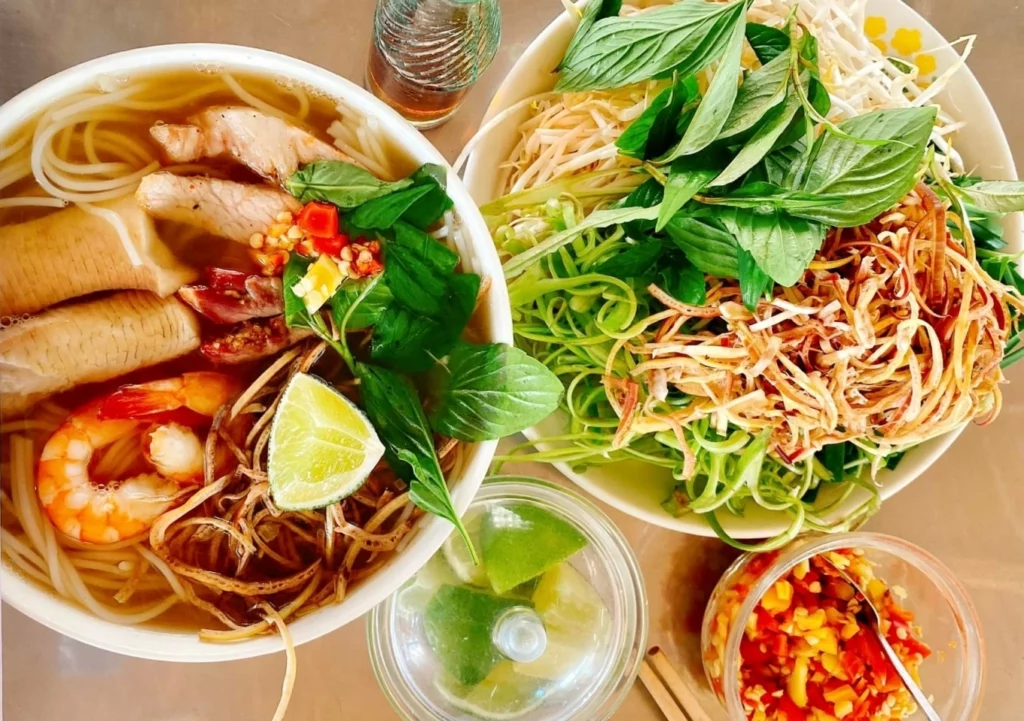
 Soc Trang noodle soupSoc Trang's noodle soup has some differences compared to some neighboring localities in the region. A more elaborate bowl might contain a variety of ingredients: snakehead fish, silver shrimp, roasted pork, etc., while a simpler version might only require a medium-sized snakehead fish to make a pot of broth.
 -
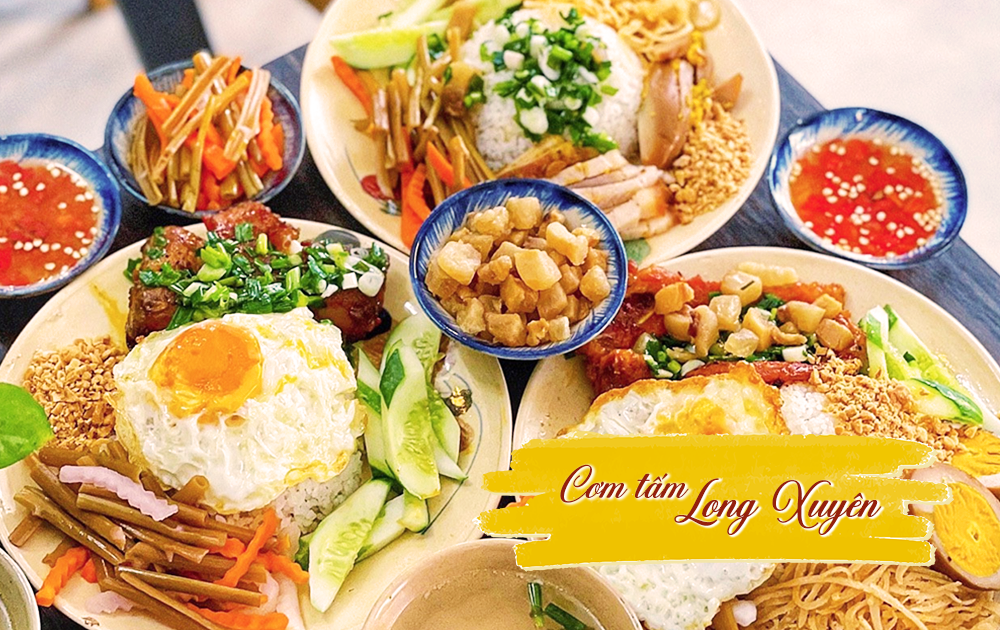
 Long Xuyen broken rice: A familiar yet unique dish of An Giang cuisine.Long Xuyen broken rice is one of the culinary highlights of An Giang, familiar to the people of the Mekong Delta yet intriguing to tourists for its meticulous attention to detail. More than just fragrant broken rice grains, this dish carries the story of rural life in the Mekong Delta across generations. This article will...
 -
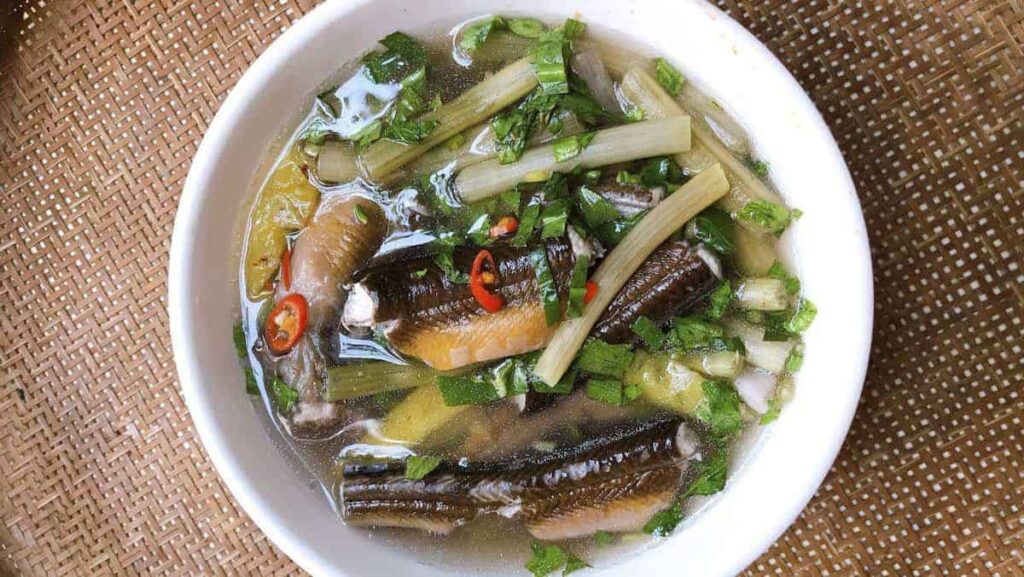
 A unique and delicious dish: sour eel soup with ant eggs.Các món ăn từ lươn đã trở nên khá quen thuộc với những người con của vùng Nam Bộ, tuy nhiên canh chua lươn nấu trứng kiến còn lạ lẫm với nhiều người.
 -
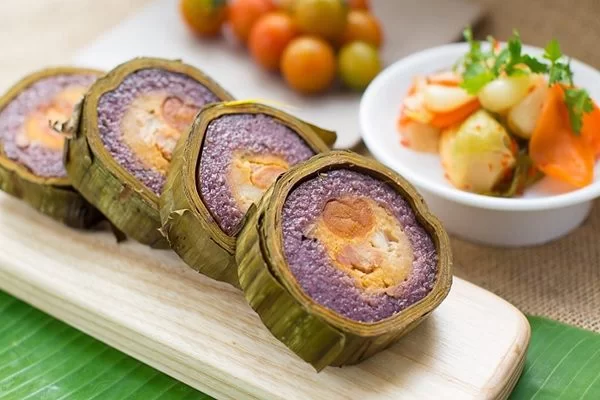
 Purple Leaf Sticky Rice CakePurple sticky rice cake (Bánh tét lá cẩm) is a traditional Southern Vietnamese cake often made during Tet (Lunar New Year) or ancestral commemoration ceremonies. It's popular not only for its vibrant purple color but also for its distinctive flavor.
 -
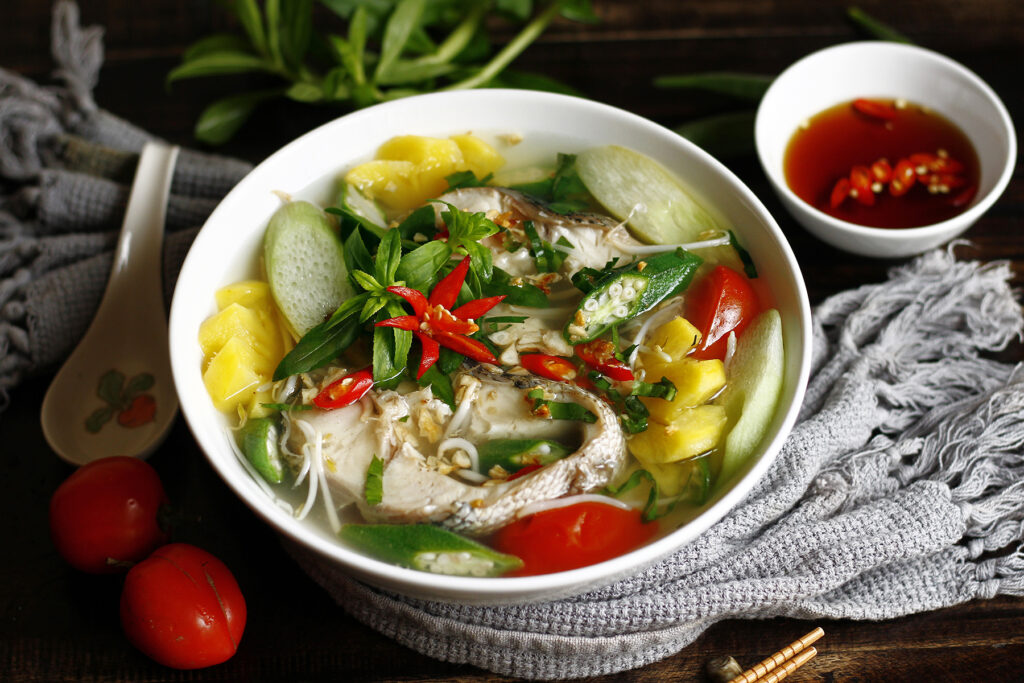
 Southern-style sour fish soup with snakehead fish.Sour snakehead fish soup is a dish that has made the culinary hallmark of the Southern Vietnamese people thanks to its distinctive characteristics. It can be said that a proper Southern-style sour snakehead fish soup must feature both the sourness of pineapple and tamarind as well as the natural sweetness of snakehead fish. It should...
 -
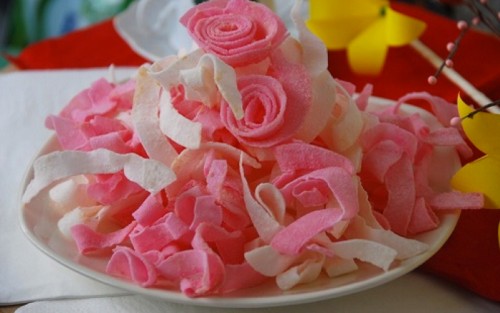
 How to make chewy and sweet coconut jam for Tet (Vietnamese New Year)Coconut jam (mứt dừa) is undeniably one of the most familiar treats in the South—so familiar that just mentioning its name instantly brings thoughts of Tết and that unforgettable flavor: the mild richness of coconut, the sweetness of sugar and condensed milk, and the delicate vanilla aroma. When talking about Tết sweets, no one can...
 -
 My Tho noodle soup restaurantIf you ever travel to the West and pass through Tien Giang, be sure to stop by My Tho for some noodle soup. My Tho noodle soup (Hu tieu My Tho) is the finest specialty of the region. What creates the unique flavor that has made My Tho noodle soup famous since the 1960s is...
 -
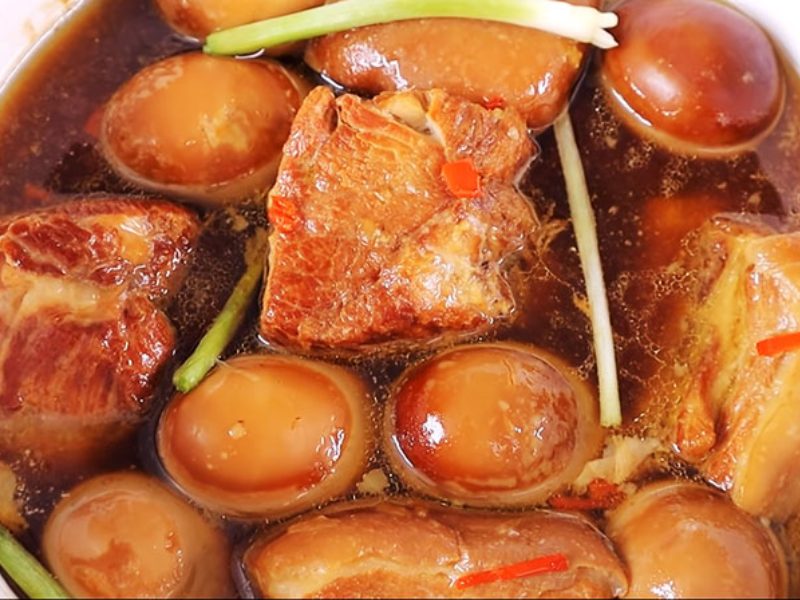
 The Rich, Authentic Taste of Thịt Kho Tàu for TetThit kho tau (Caramelized Pork and Eggs) has become one of the indispensable dishes in the Lunar New Year meals of people in the Mekong Delta in particular and the Southern region in general. It seems to have become a tradition that as Tet approaches, Southerners prepare thit kho tau for the holiday as an...
 -
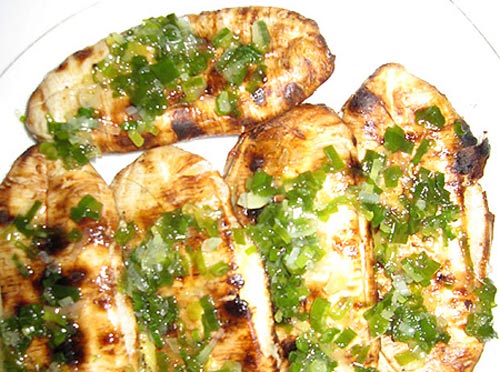
 Grilled bananas with scallion oil – a rustic dishFor those born in the 1980s and 1990s in the Mekong Delta, the sweet taste of grilled bananas combined with the rich, fragrant savoriness of scallion oil is surely unforgettable. Saigon may have everything, yet it somehow lacks that subtle salty note found in grilled bananas with scallion oil.Grilled xiêm bananas brushed with scallion oil...
 -
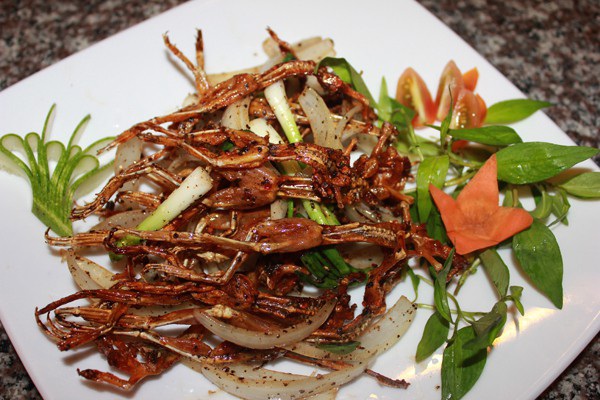
The dried fish dish, “Long-legged Dancer,” is so addictive!The Bay Nui region of An Giang is not only famous for its annual buffalo fighting festival, but now this land is also becoming better known for a unique type of dried specialty: the “long-legged dancer” dried frog. “Long-legged dancer” is the elegant name for dried rice field frogs. The village that produces these dried...
-
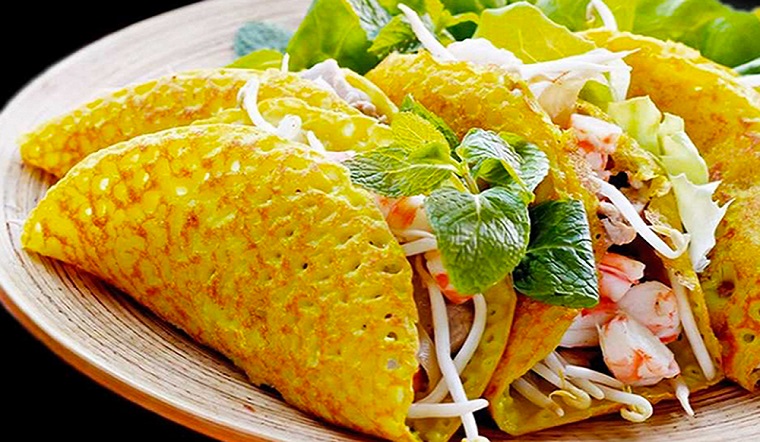
 When visiting Dong Thap, try Cao Lanh’s banh xeo (Vietnamese savory pancake).Bánh xèo Cao Lãnh, Đồng Tháp is not only famous for its thin rice-flour batter poured into an aluminum pan and cooked over a wood fire, but above all, for its signature filling made with duck meat. A familiar dish in both regions Bánh xèo is a beloved dish across Central and Southern Vietnam, though...
 -
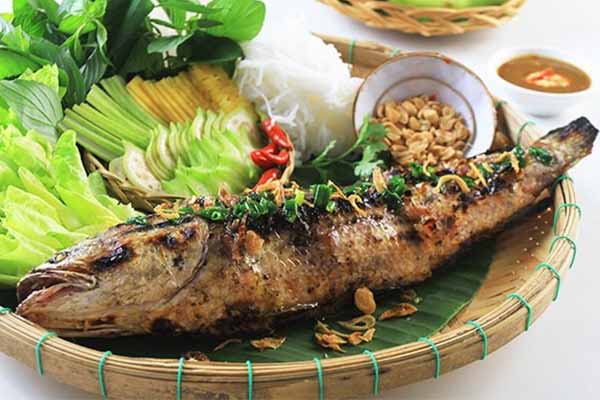
Grilled snakehead fish – a delicious dish from the countryside.Từ một món ăn dân dã, cá lóc nướng trui đã trở thành món đặc sản mà người dân Nam Bộ đãi khách phương xa hay dùng trong cả những dịp lễ tết. Cá lóc ngon nhất là vào đầu mùa mưa, bụng đầy trứng; hoặc ra giêng cá trưởng thành, béo.