Lê ki ma, also known as the eggfruit, has the scientific name Pouteria Lê ki ma and belongs to the Sapotaceae family. It is a fruit tree native to the Andean region of South America. The fruit possesses high nutritional value and is a great source of carbohydrates, vitamins, and minerals.
Lê ki ma contains high levels of niacin (vitamin B3), beta-carotene, iron, and fiber, which are powerful antioxidants for the skin and essential for bodily functions. Lê ki ma also helps increase the red blood cell count, stimulates the nervous system, fights depression, reduces blood cholesterol and triglycerides, prevents cardiovascular diseases and obesity, limits myocardial infarctions (heart attacks), enhances the efficiency of the immune system, and boosts energy effectively.
In Vietnam, Lê ki ma is also called “trái lứt” (and referred to as “quả trứng gà” in the North). This is a fruit that has long existed in the Mekong Delta and was once thought to be near extinction. However, in recent years, gardeners have restored this variety because the ripe fruit is favored by the market and maintains stable prices.
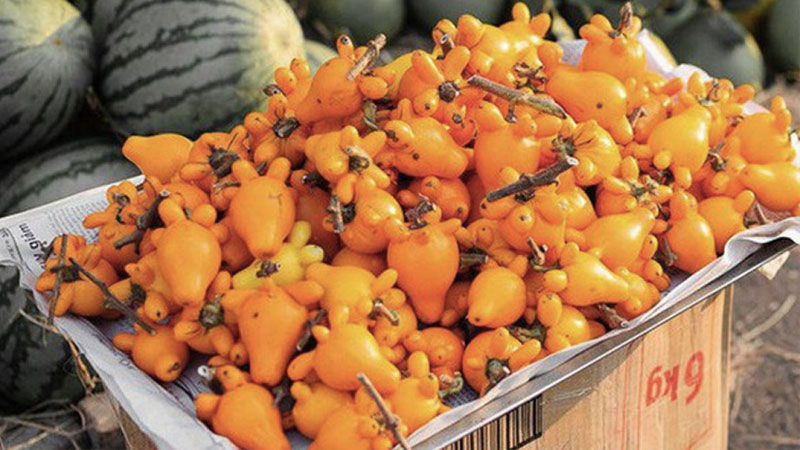
Lately, if you happen to pass through Ba Lang Ward (Cai Rang District) or travel along the road to Thoi An Dong Ward in Can Tho City, you will notice fruit stalls lined up along the roadside, filled with eye-catching, bright yellow Lê ki ma fruits.
This year, gardeners have had a bumper crop of Lê ki ma. Besides domestic consumption, the fruit is also exported to the Cambodian market. Daily, a stall can sell about 20–30 kg of ripe Lê ki ma at a price of 12,000 VND/kg.
Try sipping on a Lê ki ma smoothie, and you will understand why this drink is so popular. The ingredients are: 2 kg of Lê ki ma, 100g of grated coconut, 4 jars of yogurt, and 250 ml of fresh milk. Directions: Peel the Lê ki ma, remove the seeds, mash the flesh, and blend it with the grated coconut, yogurt, and fresh milk. You will get a beautiful golden-orange drink that is delicious and nutritious.
Thanks to its appealing flavor, Lê ki ma has become a main ingredient in many desserts, cakes, salads, ice cream, yogurt, juices, and beverages. In addition to being eaten fresh, Lê ki ma is processed into powder, which can be preserved for up to a year. To choose a sweet, floury, and fragrant Lê ki ma, do not just look for smooth-skinned fruits; instead, choose heart-shaped ones with a pointed tip and thin skin.
Compiled by Bang Tam