Distinctive Stilt House Architecture
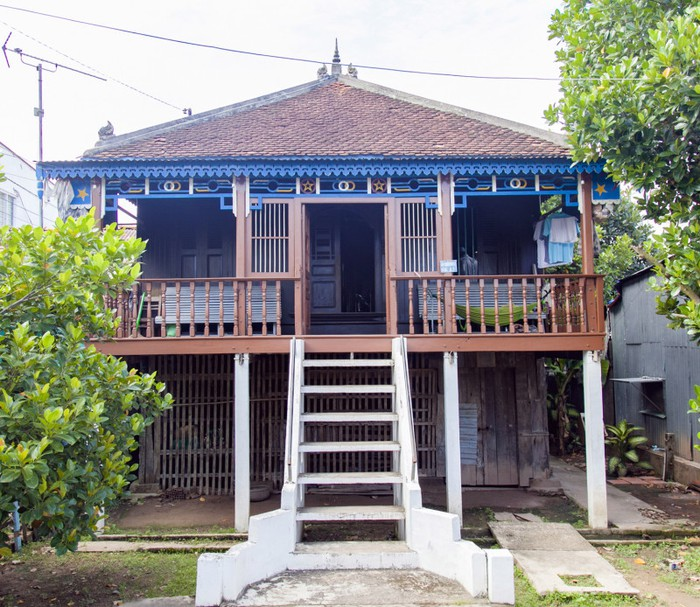
The distinctive stilt houses of the Cham people
It is no coincidence that the Cham people in An Giang choose to live in stilt houses. In this low-lying region where the annual flood season is a familiar occurrence, stilt houses are both a way of adaptation and a reflection of a deeply rooted lifestyle. Built high above the ground, with simple wooden frames, roofs made of corrugated metal or palm leaves, and floors of wood or bamboo, these houses are sturdy enough for daily life and airy enough to provide relief from the Mekong Delta heat. The ground floor is usually left open—sometimes used for raising livestock and poultry, sometimes for storing boats and farming tools, or simply as a shaded space to escape the midday sun. The upper floor is the living area, where daily activities take place and guests are received. Everything is arranged neatly and cleanly, with respect for privacy—an important value in the Islamic culture practiced by the Cham people of An Giang.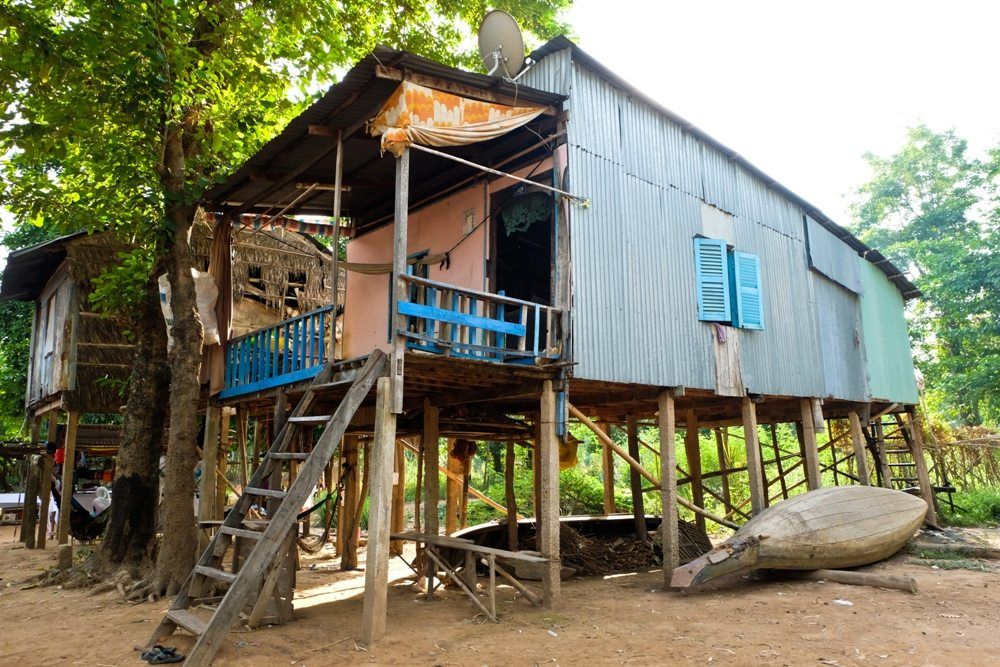
Cham village on Con Tien islet (An Giang)
Stilt houses are not merely shelters from sun and rain, but also spaces that foster community bonds. Houses are often built close together, with courtyards and verandas connected, and the mosque just a few steps away. In such a setting, daily meals, prayer rituals, and the laughter of children intertwine, creating a way of life that is warm, intimate, and deeply connected.The Life of the Cham People in An Giang Is Closely Linked to River Life
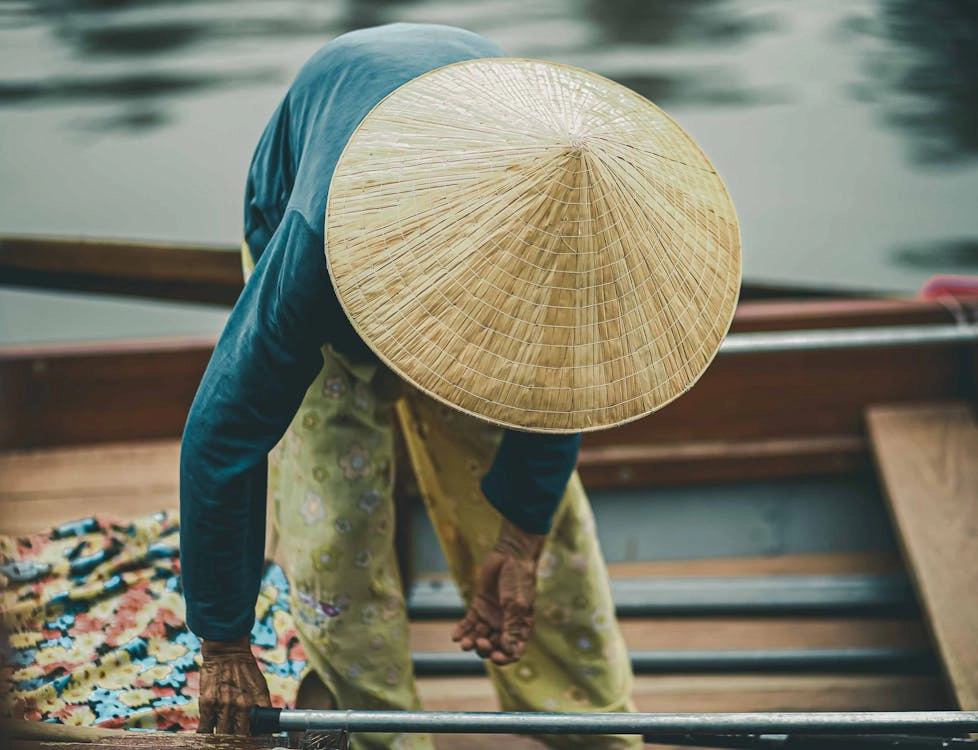
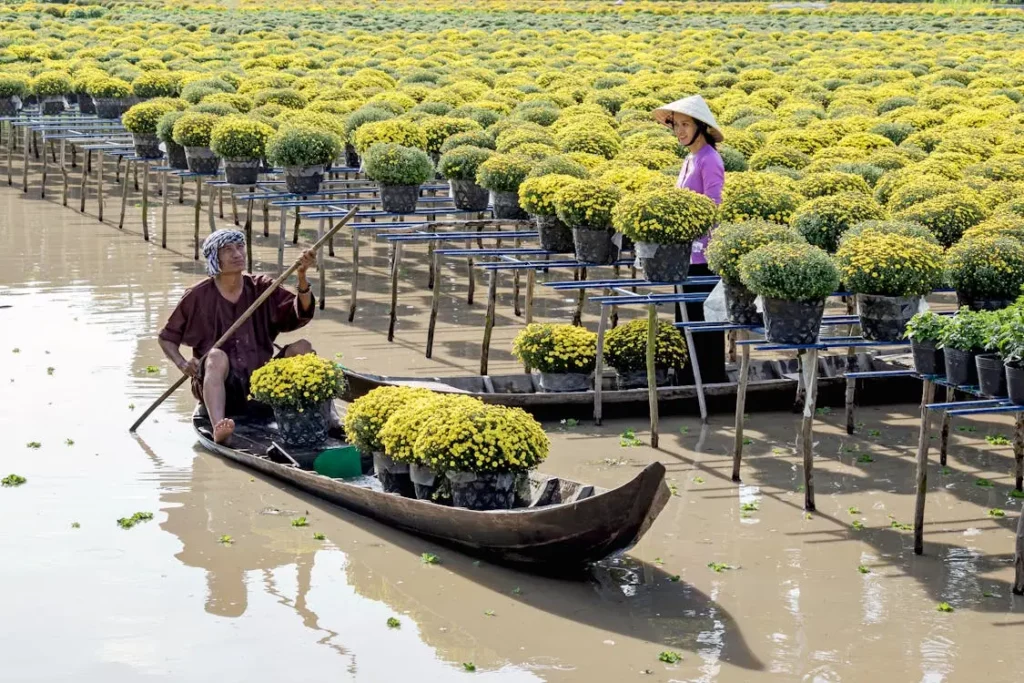
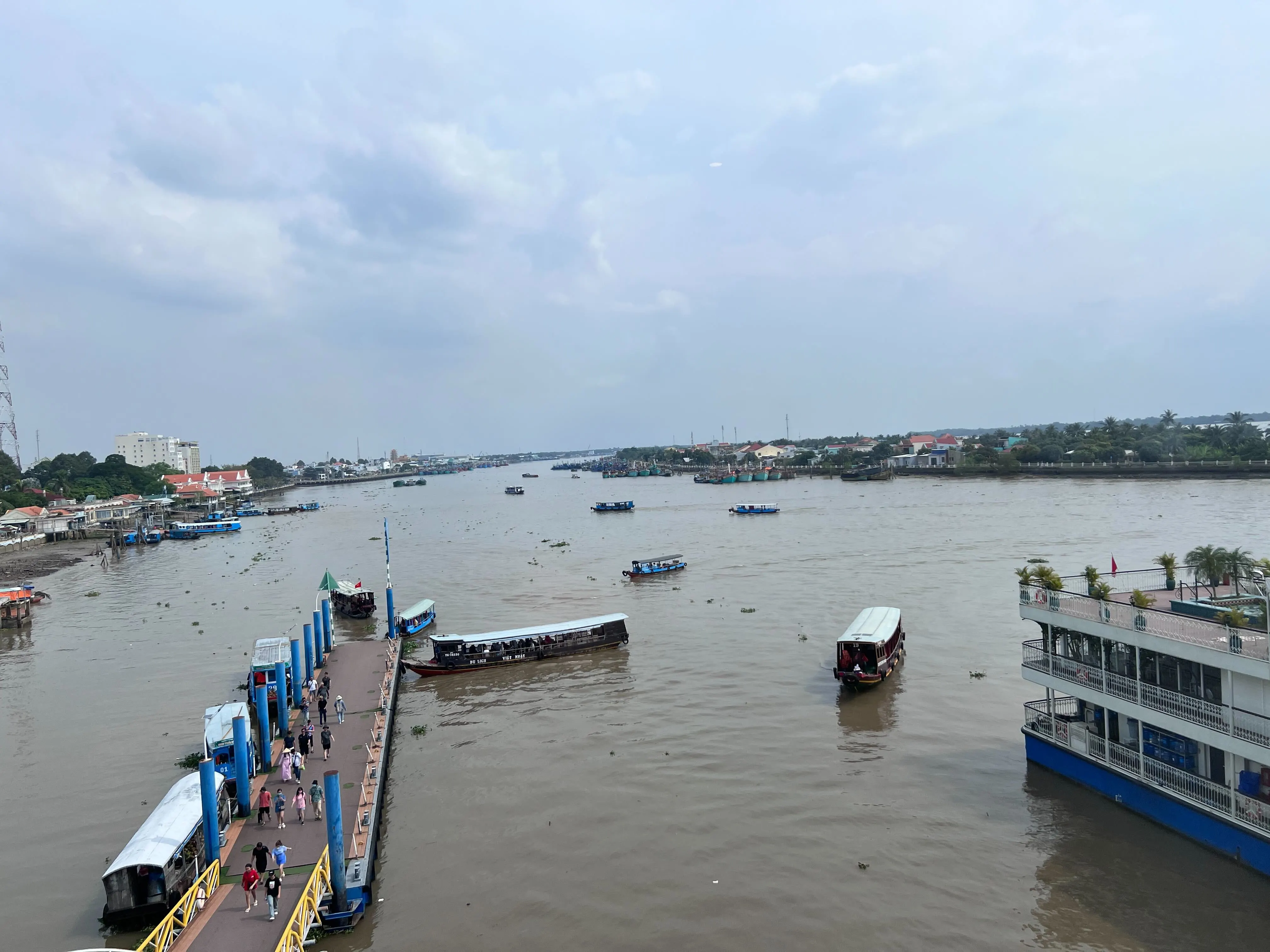
For the Cham people in An Giang, the Hau River is an integral part of daily rhythm. Small boats glide gently over the silt-laden waters, carrying vegetables to the market, taking children to school, or simply crossing over to a neighbor’s house for a brief chat. The river is a road, a source of livelihood, and the starting point that connects all aspects of community life.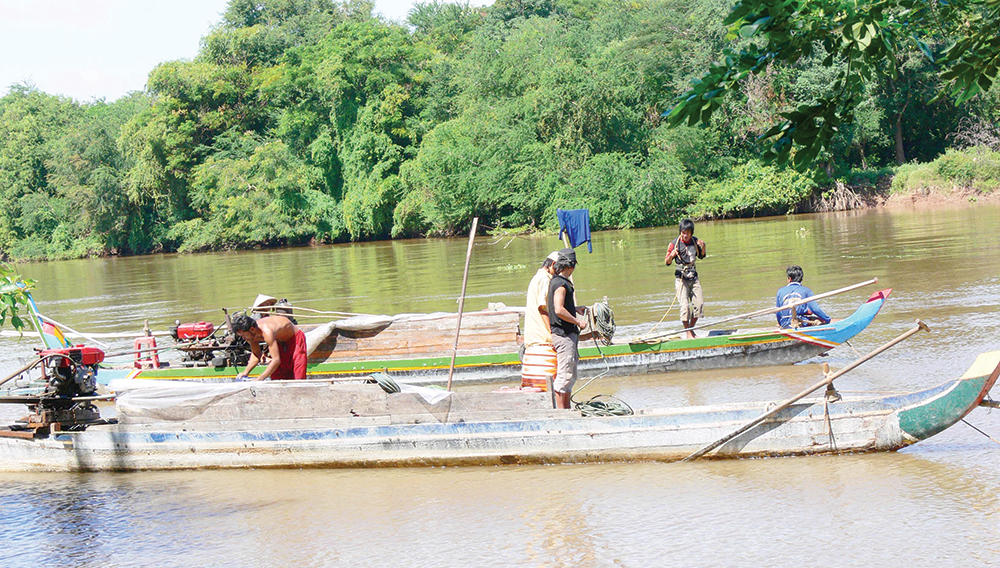
Boat-based livelihoods of the Cham people
Cham women in An Giang typically take on roles such as going to the market, caring for the family, raising livestock, and doing additional home-based work. At certain times in the past, traditional handloom weaving flourished, with nearly every household owning a loom. They wove fabrics with traditional patterns that were sold throughout the Mekong Delta and even exported to Malaysia, Indonesia, and Cambodia. Although weaving is no longer as widespread as before, it still quietly survives in villages such as Phum Soai (Tan Chau) and Da Phuoc (An Phu), preserved as a living tradition woven into each strand of fabric.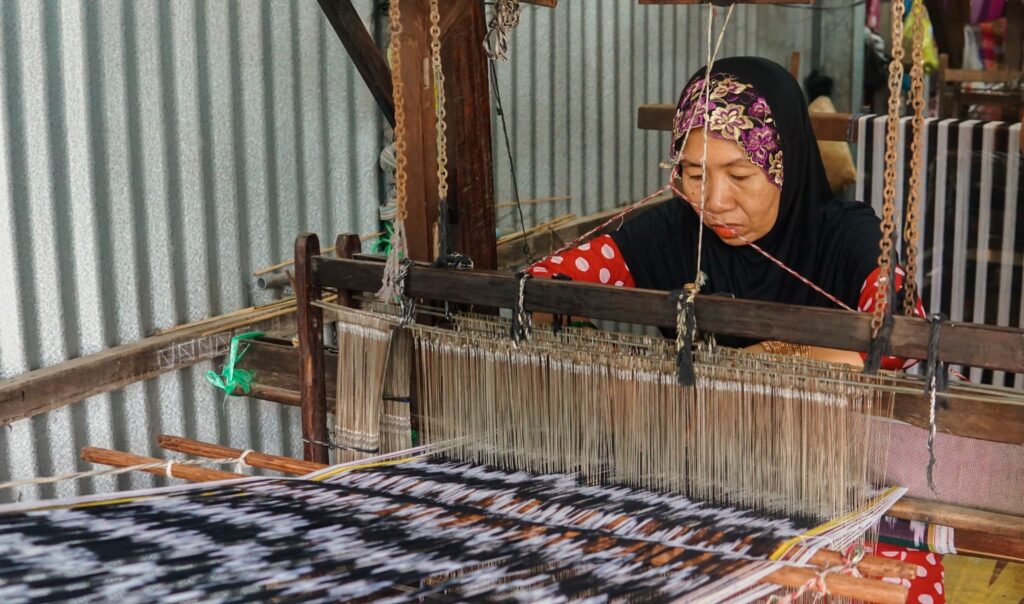
Traditional brocade weaving of the Cham people
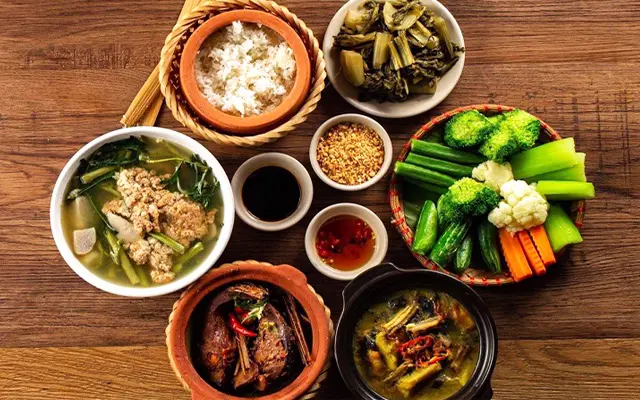
Meanwhile, men play the role of spiritual leaders—performing rituals at the mosque, studying religious texts, and teaching children Islamic principles. Each person has a distinct role that appears clearly divided, yet in reality these roles are closely interconnected within family and community life. The Cham people of An Giang also follow strict dietary rules: pork is strictly prohibited, and food must be clean and prepared according to Islamic law. On ordinary days, meals are simple and light.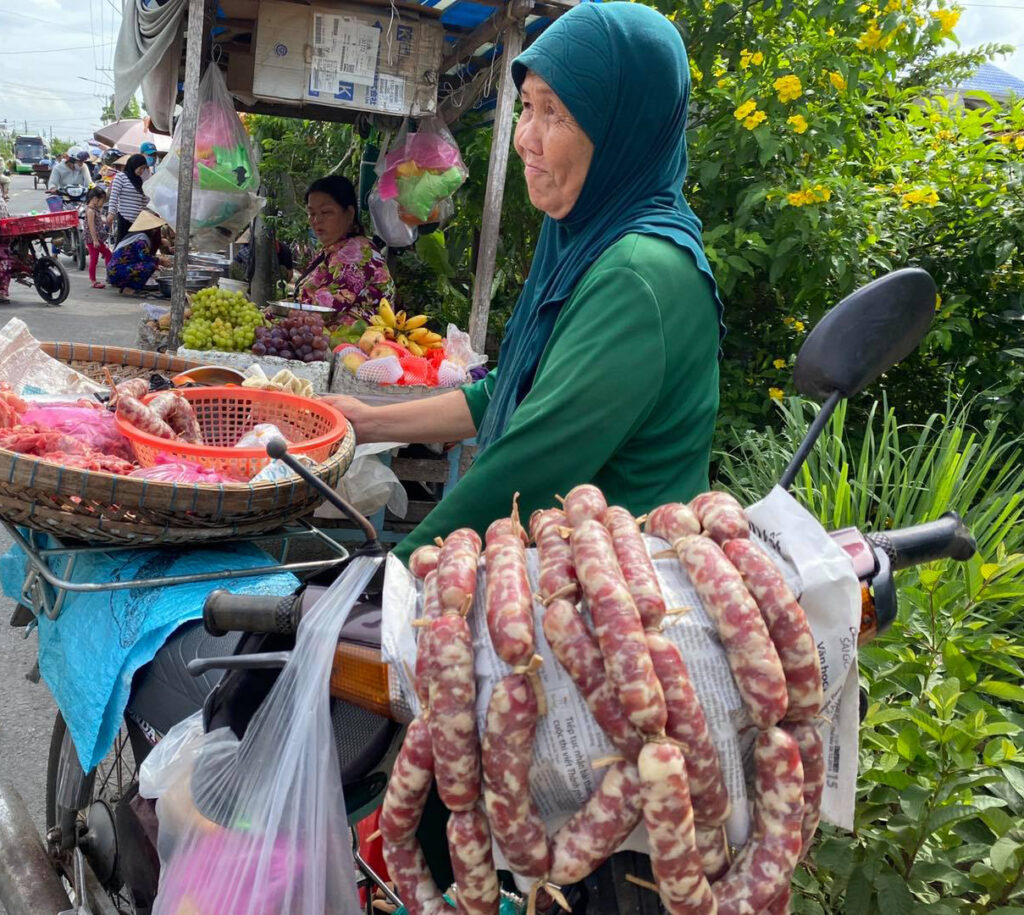
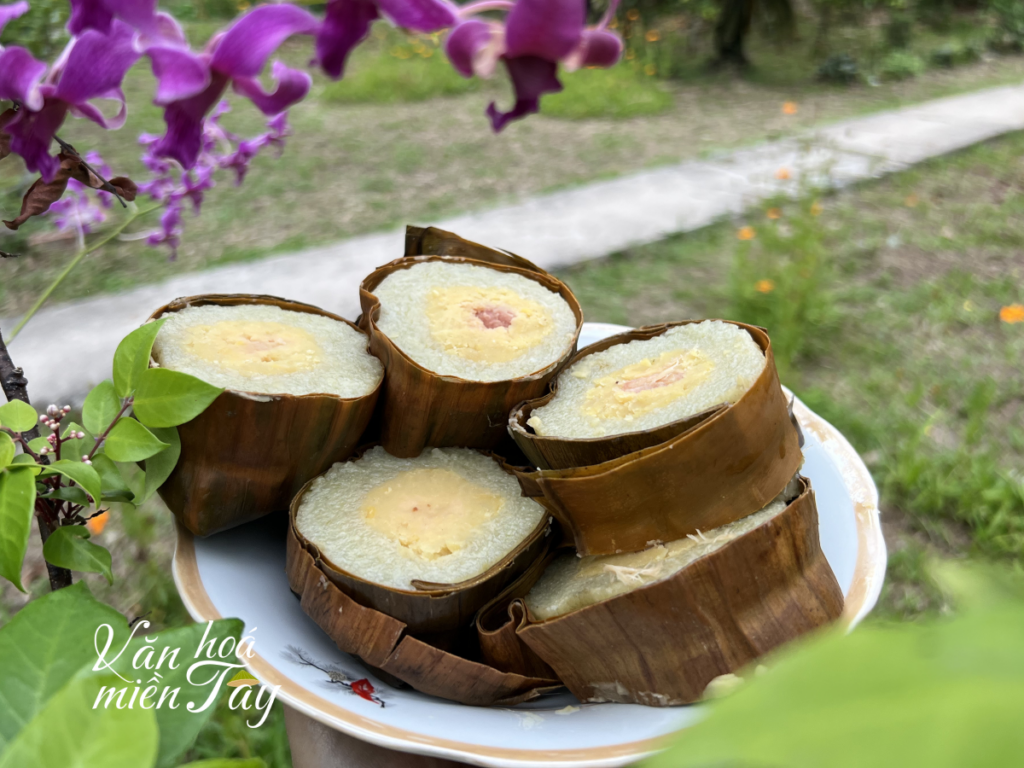
“Tung lo mo” – a traditional Cham specialty
During festivals, religious holidays, or important events, the cuisine becomes much more elaborate. From beef curry, nasi rice, and ca pua to “tung lo mo,” a distinctive beef sausage made through a meticulous process. Traditional cakes such as pay-krah, thon-dot, and ha-phum are prepared by Cham women not only for consumption, but also to preserve the flavors of home and the cultural memory of a community with deep historical roots. From weaving and food customs to family roles and boat-based market trips, all aspects of Cham life in An Giang intertwine to form a resilient, simple, yet richly distinctive river-based culture.The Cultural Space of the Mosque
Amid the rustic stilt-house hamlets along the river, mosques emerge as sacred focal points that unite the community. Not lavish or ornate, Cham mosques in An Giang typically feature simple, airy architecture with domes, arched doors, and a dominant white color scheme. Each mosque serves as a spiritual center where prayers, Quranic studies, religious gatherings, and moral teachings take place. During major occasions such as Ramadan or Eid al-Fitr, the mosques become livelier than ever, as people dressed in traditional attire gather to pray, share food, and exchange blessings. In An Giang, several mosques have become inseparable from the collective memory of the Cham people. Notably, Masjid Mubarak in Chau Phong Commune (Tan Chau) is one of the oldest mosques, built in the early 19th century, where Quranic recitations still resonate amid the quiet delta landscape.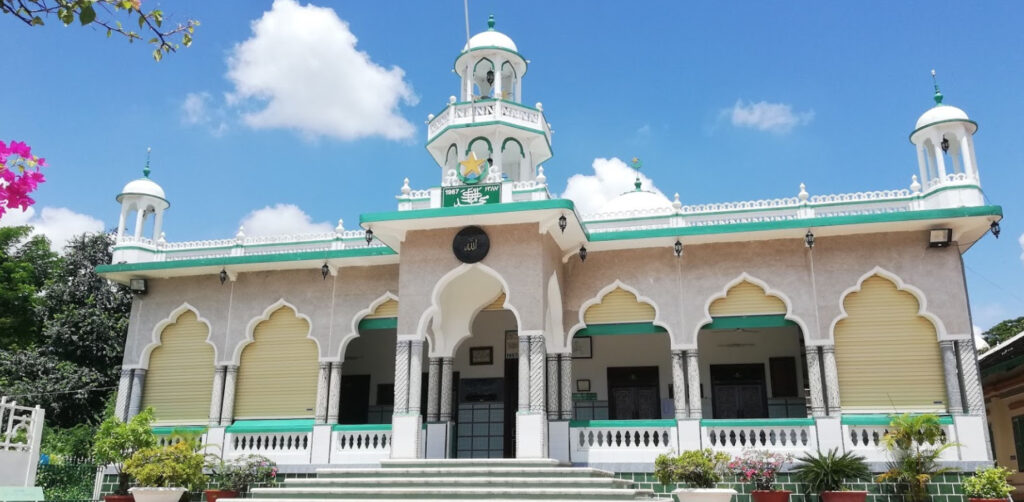
Masjid Mubarak in Chau Phong Commune
Jamiul Azhar Mosque in Da Phuoc (An Phu) serves a larger community and maintains a very disciplined religious life. Meanwhile, in Phum Soai—where traditional weaving is still preserved—Masjid Khairul Ummah functions both as a spiritual anchor and as a place where children learn Arabic, religious values, and how to live with kindness.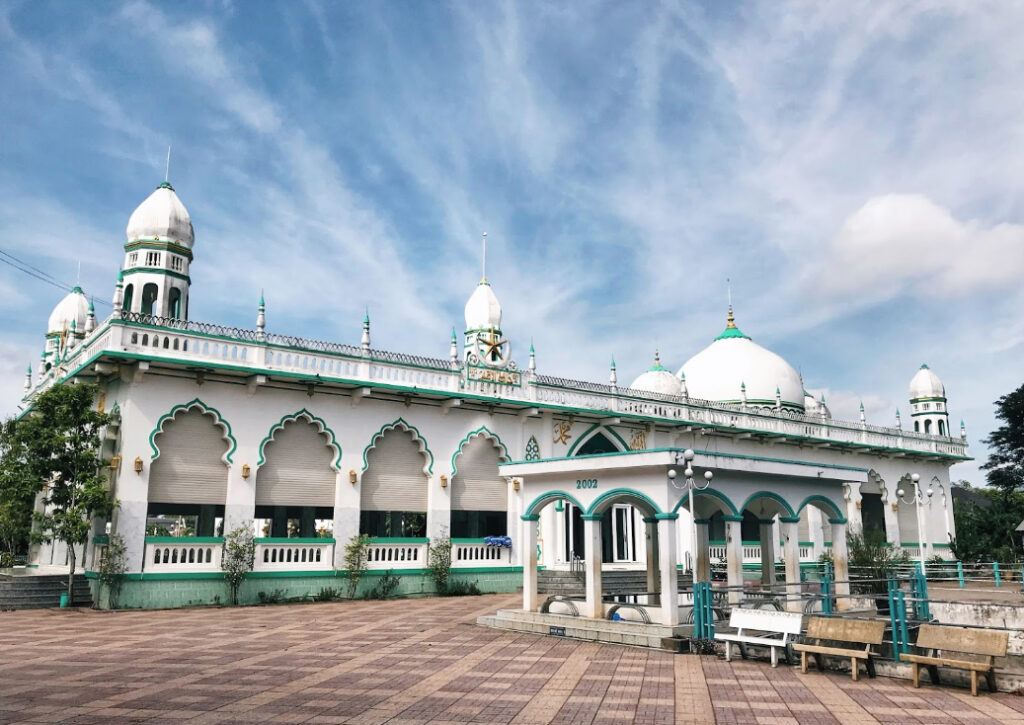
Jamiul Azhar Mosque
Beyond being places of worship, mosques also preserve the communal way of life of the Cham people in An Giang. In an increasingly fast-paced world, these mosque spaces maintain a calm rhythm and solemnity—a spiritual refuge after the cycles of daily livelihood.The Matra Scarf – A Symbol of Cham Women’s Beauty in An Giang
For the Cham people of An Giang, the Matra scarf is more than just a head covering. It is part of cultural identity, symbolizing moral values, modesty, and the self-respect of Cham women within the community.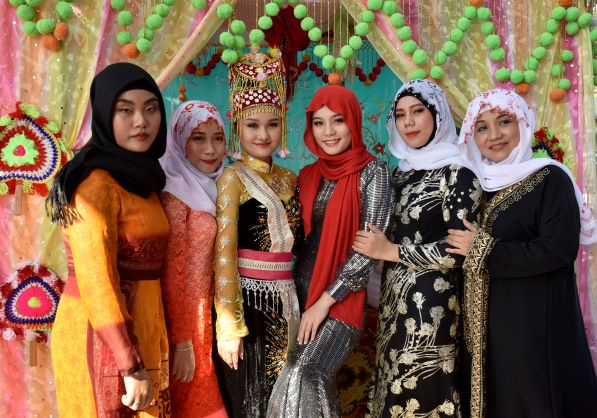
A symbol of Cham women’s beauty
The Matra scarf is usually wrapped neatly and simply, yet it conveys a graceful modesty. Each wrapping style reflects personal skill and character—never showy, but highlighting the gentle elegance of Cham women. They wear it to the market, to prayers, and during daily chores, as an inseparable part of everyday life.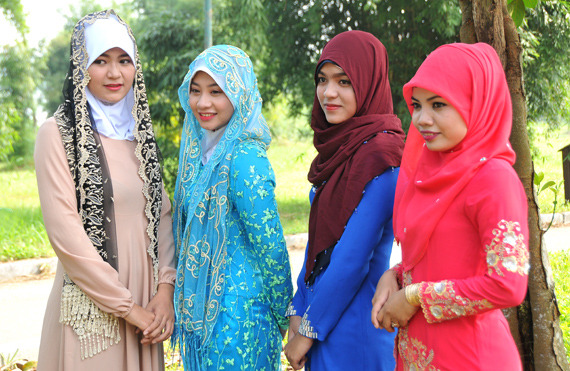
The Matra scarf in traditional attire
Despite many changes in modern life, the Matra scarf remains an essential cultural element—a quiet form of preservation by women who place dignity and reverence for tradition above all else.