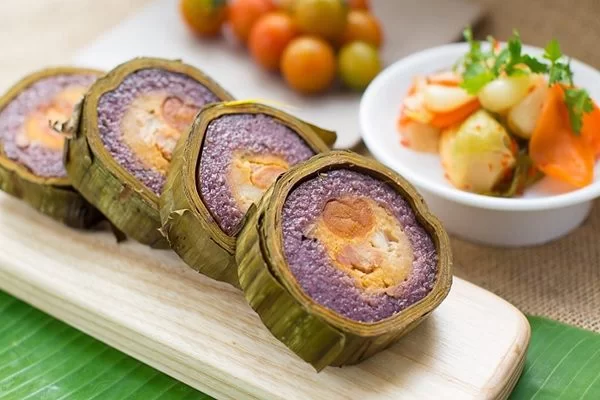
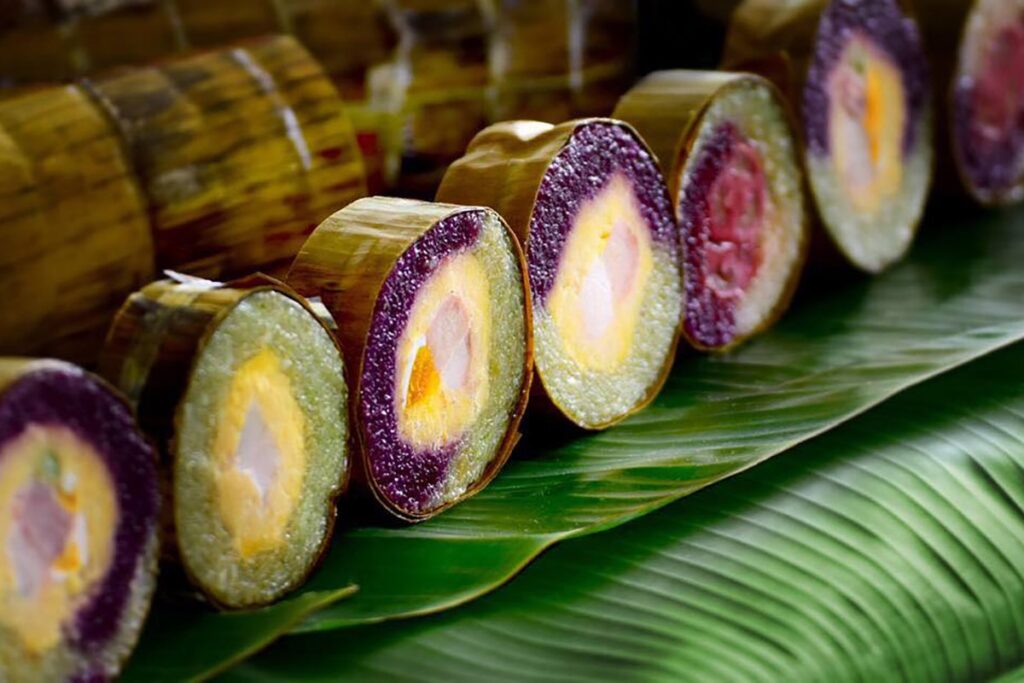
Can ThoBánh tét lá cẩm is a traditional cake of Southern Vietnam, commonly prepared for festivals, Lunar New Year celebrations, or ancestral death anniversaries. The cake is loved not only for its striking purple color but also for its distinctive flavor.Bánh Tét Lá Cẩm
The cake is prepared by extracting purple juice from magenta plant leaves (lá cẩm), which is then stir-fried with glutinous rice and coconut milk. The filling consists of pork and salted duck eggs.
To make perfect rolls of bánh tét, every step is important. First comes the rice: only high-quality glutinous rice is used, soaked in magenta leaf water to achieve an attractive pinkish-purple hue. Fresh magenta leaves are boiled with a small amount of water, then steeped for about eight hours to produce a deep, beautiful color.
Good-quality glutinous rice can be tested by biting a grain between the teeth. If it feels sticky, chewy, slightly crunchy, and breaks cleanly, it is the right kind. Inferior rice, when cooked, results in a cake with hard, dry grains that ruin the eating experience.
The filling of bánh tét lá cẩm includes mung beans and pork, with the most distinctive addition being salted duck egg yolks. After wrapping and boiling for about four to five hours, the cooked cake is sliced to reveal its fragrant aroma and vibrant colors, beautifully adorning festive holiday trays.
Bánh tét lá cẩm Cần Thơ
The banana leaves used for wrapping should be neither too young nor too old. They are wiped clean and do not need to be oiled, as the coconut milk released from the rice during cooking prevents sticking. Stir-frying the rice is also a crucial step—too much liquid will make the cake soft and mushy, compromising its texture.
Bánh tét lá cẩm in Cần Thơ is tightly wrapped and slices neatly into firm rounds. The pinkish-purple glutinous rice beautifully highlights the dense mung bean filling, translucent fatty pork, and golden salted egg yolk. When enjoyed, the fragrant, rich rice blends harmoniously with the tender pork, creamy mung beans, and savory, nutty salted egg yolk—an irresistible combination for anyone who tastes it.
Bánh tét lá cẩm Cần Thơ has left a lasting and distinctive mark on the culinary heritage of the Mekong Delta in particular, and Southern Vietnamese cuisine in general.
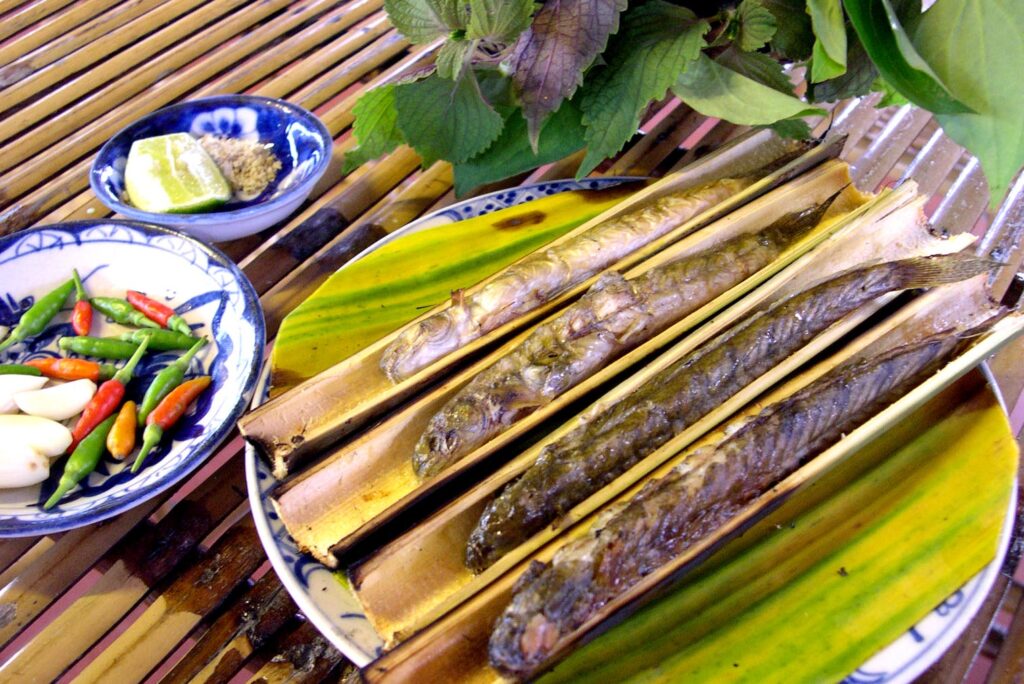
Grilled mudskipper fish in reed tubes is highly favored in Vietnam for its distinctive flavor, firm white flesh, and high nutritional value—especially the bile, which leaves an unforgettable taste. Mudskipper fish, also known as goby mudskippers, live in brackish, alluvial environments. They are commonly found in the Mekong Delta, particularly in ponds, lakes, and brackish...
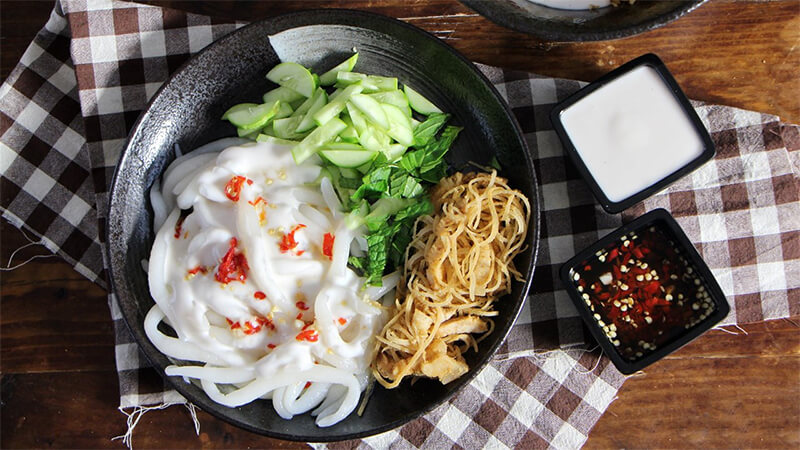
Perhaps because the rice flour strands are hand-rolled and boiled until they resemble silkworms, and eaten together with shredded pork skin, the dish is called bánh tằm bì. Those who try this dish for the first time are often surprised because it is both savory and sweet at the same time—sweet from the coconut milk...
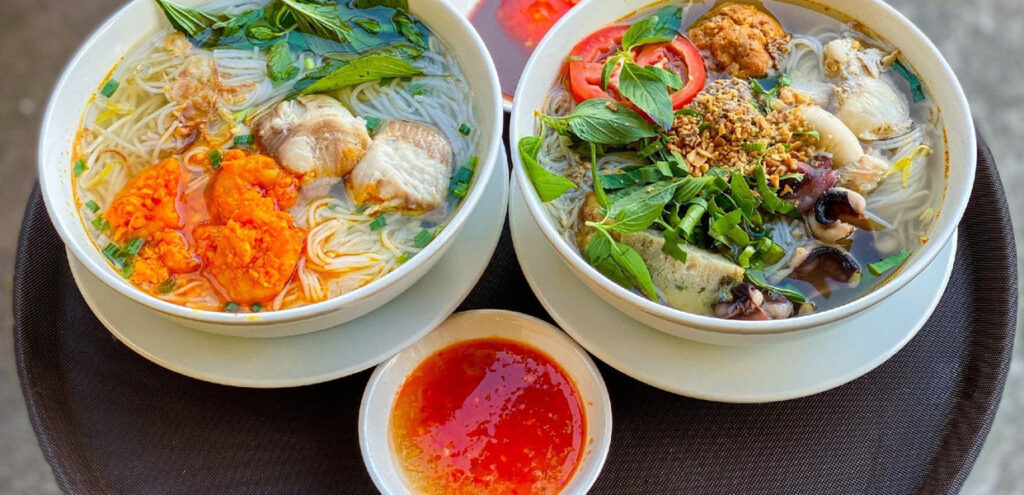
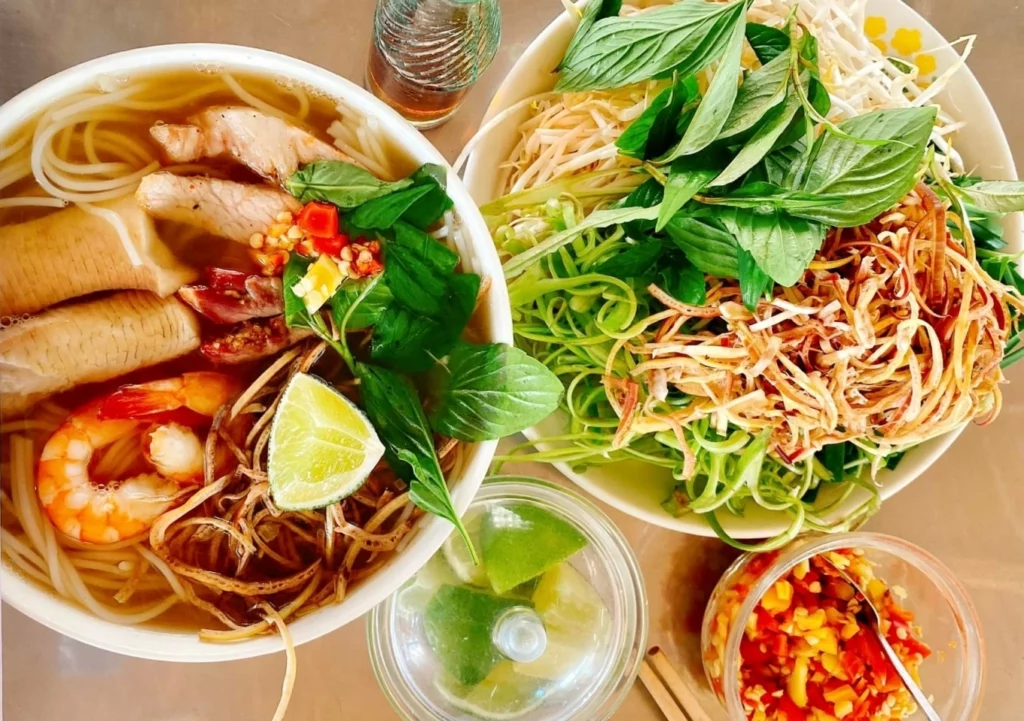
Kien Giang is not only famous for its landmark known as the "pearl of the East Sea," but when you visit Kien Giang, don't forget to enjoy its local specialties. Kien Giang fish noodle soup is one of the dishes that has contributed to the region's reputation.
Coconut heart salad has a perfectly balanced sweet-and-sour taste that suits the whole family. It is a nutritious food that is good for your health. Coconut heart is often prepared into light, refreshing dishes because it is low in fat. Ben Tre is known as a coconut paradise—wherever you go, you will see rows of...
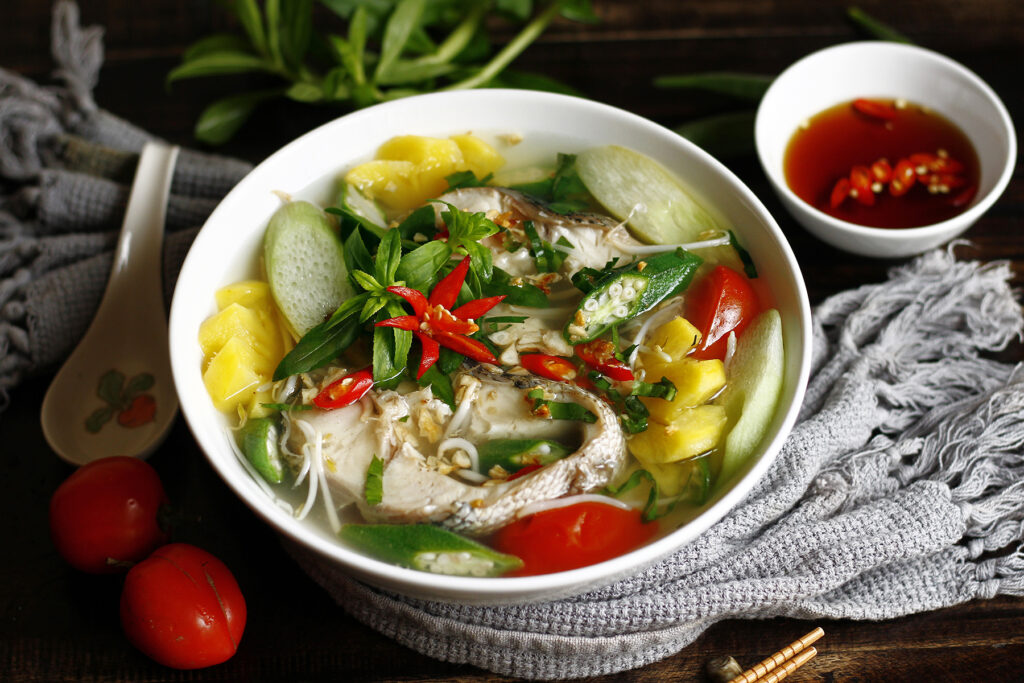
Sour snakehead fish soup is a dish that has made the culinary hallmark of the Southern Vietnamese people thanks to its distinctive characteristics. It can be said that a proper Southern-style sour snakehead fish soup must feature both the sourness of pineapple and tamarind as well as the natural sweetness of snakehead fish. It should...
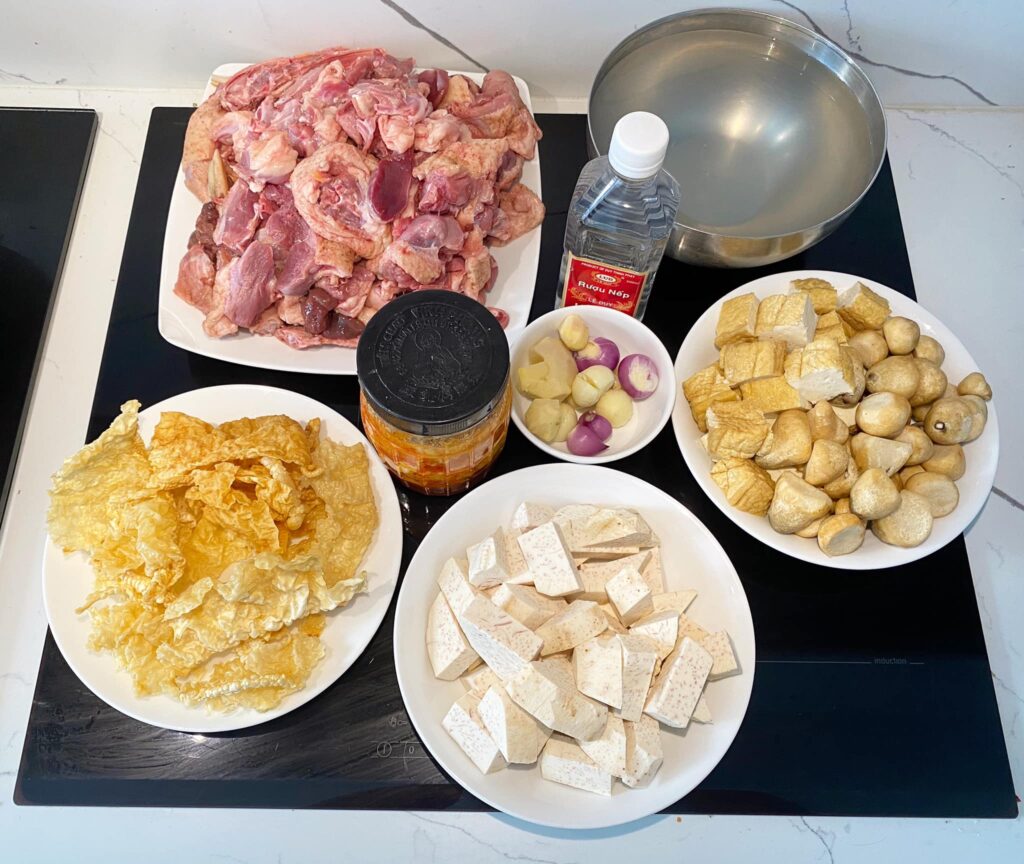
Duck is a nutritious dish that can be prepared in many ways such as grilling, boiling, frying, stir-frying, roasting, salad, porridge, blood pudding, etc. The method for cooking duck with fermented bean curd (chao) is very simple. This delicious dish stands out thanks to the fragrant flavors of duck and chao blending together, creating a...
Soc Trang's noodle soup has some differences compared to some neighboring localities in the region. A more elaborate bowl might contain a variety of ingredients: snakehead fish, silver shrimp, roasted pork, etc., while a simpler version might only require a medium-sized snakehead fish to make a pot of broth.
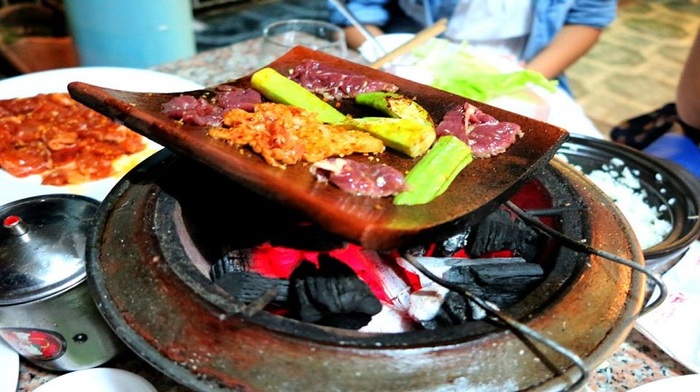
Originally, people used curved terracotta roof tiles to grill beef. Later, the tile was replaced by a thick stainless steel sheet resembling a shovel for digging soil, which is why some people still call this dish “bò nướng xẻng” (shovel-grilled beef). For a long time, locals here have raised cattle for plowing and beef has...
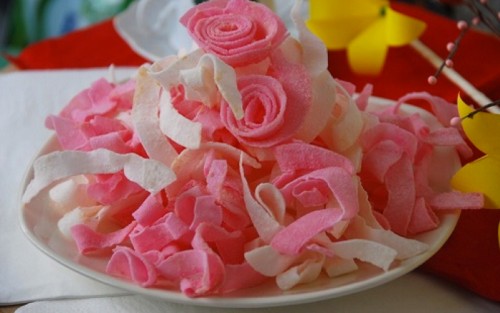
Coconut jam (mứt dừa) is undeniably one of the most familiar treats in the South—so familiar that just mentioning its name instantly brings thoughts of Tết and that unforgettable flavor: the mild richness of coconut, the sweetness of sugar and condensed milk, and the delicate vanilla aroma. When talking about Tết sweets, no one can...
In Saigon, you can enjoy this specialty dish from Trà Vinh province at the bún suông restaurant at 130 Nguyễn Đình Chiểu Street – District 3, or at the bún suông stall inside Bến Thành Market (sold in the morning). If you want to try bún suông at a long-standing restaurant in Saigon, head to...
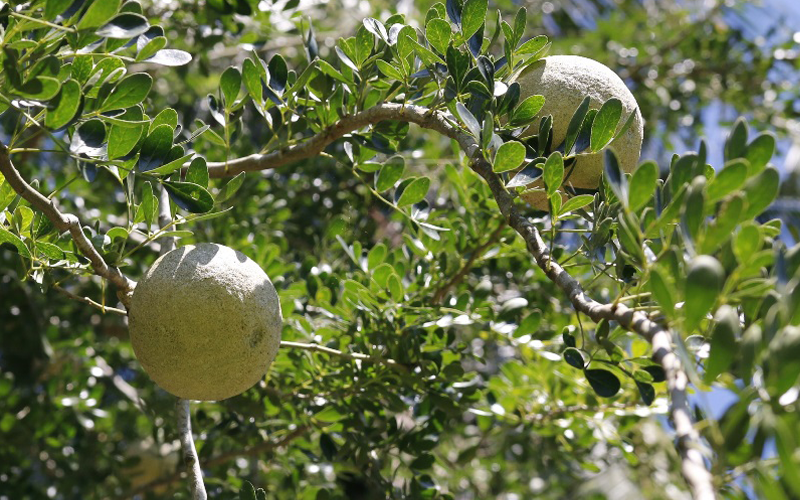
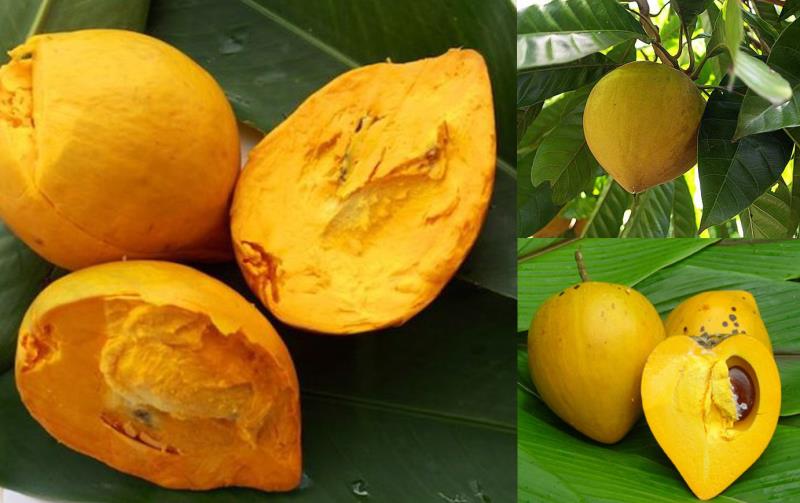
The Southwestern region of Vietnam is famous for its fertile land and abundant fruits. Each area has its own specialty: Cai Be is known for its sweet tangerines, Vinh Kim for its blacksmith village star apples, while Tra Vinh is renowned for the quach fruit. If you are someone who loves nostalgia, who enjoys traveling...
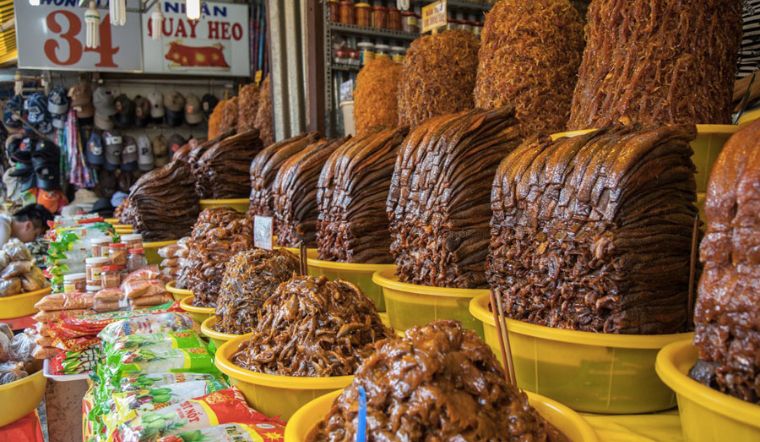
Vietnam is not only famous for its abundance of fish species, but its various types of fermented fish paste also contribute to the distinctive flavor of our cuisine. Each region has its own type of fermented fish paste, such as shrimp paste, fish paste, crab paste, and prawn paste, etc. Remember to try them as you travel through these regions!