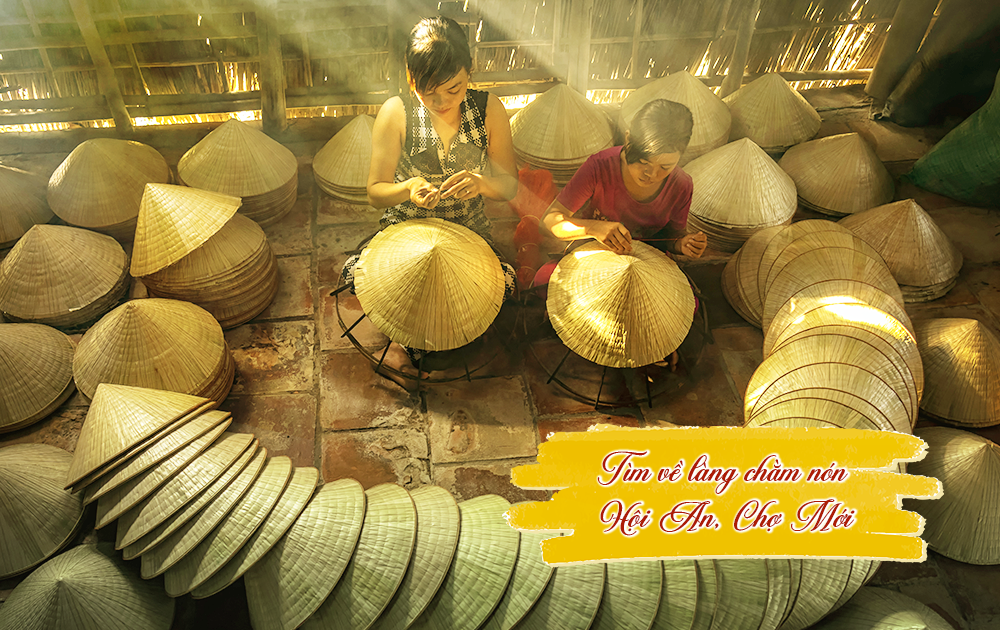
Thuận Hưng rice paper craft village (Thốt Nốt – Cần Thơ) has more than 300 kilns producing rice paper day and night, yet still cannot meet the orders placed by traders. Thuận Hưng rice paper is no longer confined to the Mekong Delta provinces but has also reached and become popular in the Cambodian market.
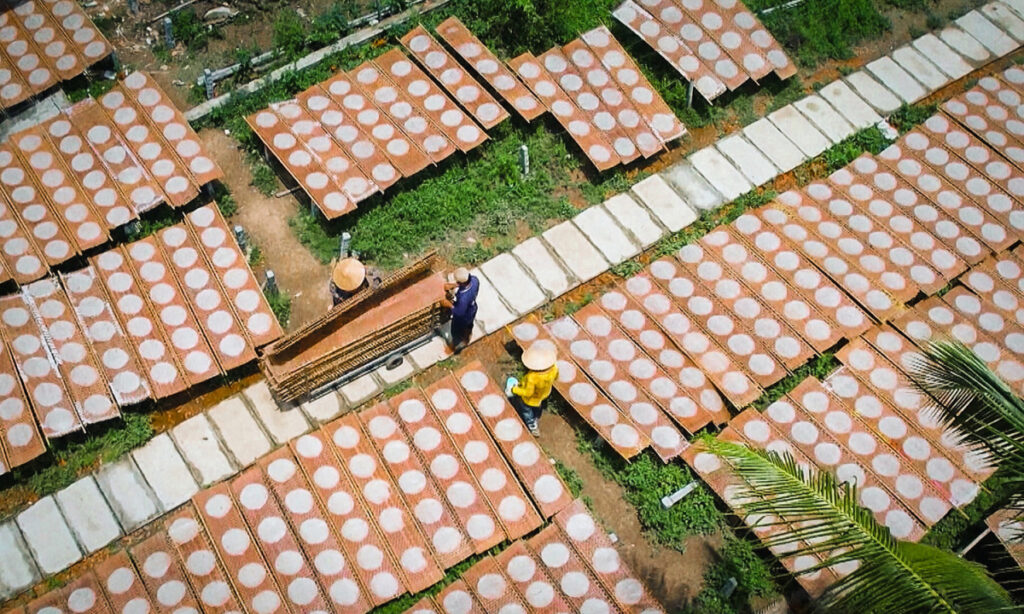
The rice paper–making craft here has a history of more than 50 years. In the early days, only a few households made rice paper to sell during the Lunar New Year. Later, thanks to its delicious taste, more people learned about it and came to place orders, so the number of kilns increased and the craft has developed strongly over the past 10 years. Most kilns are concentrated in the hamlets of Tân Lợi 3, Tân Phú, and Tân Thạnh. Many families have become well-off or wealthy thanks to this craft.
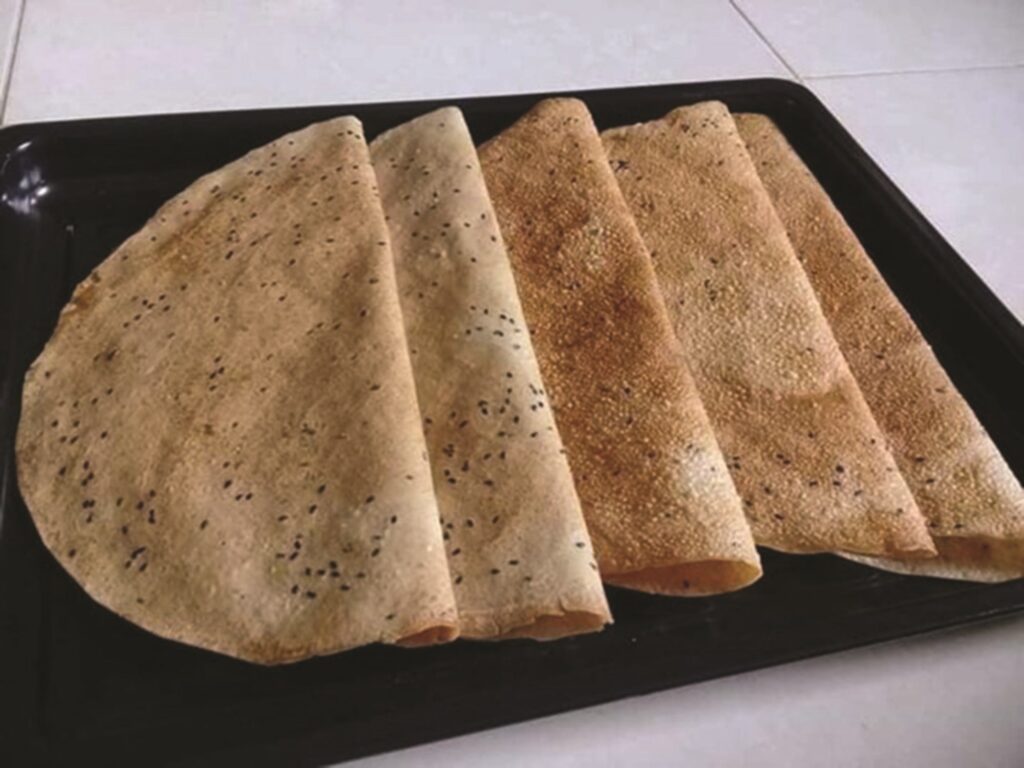
Thuận Hưng rice paper is classified into four types: salty rice paper (bánh dịu), plain rice paper (bánh xốp), rice paper for spring rolls (bánh nem), and coconut rice paper (bánh dừa). Salty rice paper contains more salt and can be stored longer than plain rice paper. Plain rice paper uses less salt. Rice paper for spring rolls is smaller in size. Coconut rice paper is mixed with coconut water and sesame seeds. Depending on orders, each type can be made in various sizes: 3.2 tấc, 3.5 tấc, 3.8 tấc, and extra-large size (over 3.8 tấc).
To make rice paper fragrant, not too chewy, not crumbly, and long-lasting, rice from the Thốt Nốt area must be selected. When milling the rice, newly harvested rice or rice stored for too long should not be used. The selected rice is soaked and then ground into fine flour. After that, the sour water is filtered out and the flour is mixed with water to the right consistency—not too thin and not too thick. A little salt is added to enhance the flavor. The rice paper stove is also quite elaborate, consisting of three connected parts: one for adding firewood and lighting the fire, another with a large pot of water covered by a thin cloth for steaming the rice paper, and the last part being the chimney.
The fire for the stove must be carefully controlled—it should not be too strong, only kept gently simmering. The hands of the person making the rice paper must be quick and steady so that the sheets are round and evenly thin, and do not tear when removed. Rice paper making also depends on the weather; artisans observe the sky, plants, and dew to predict whether the next day will be sunny or cloudy, so they can steam the rice paper at night and dry it as soon as the sun rises. Drying and removing the rice paper is also an art. To obtain intact sheets without warping, the right moment must be chosen to remove them from the drying racks. The sheets are then stacked in tens and pressed flat before delivery.
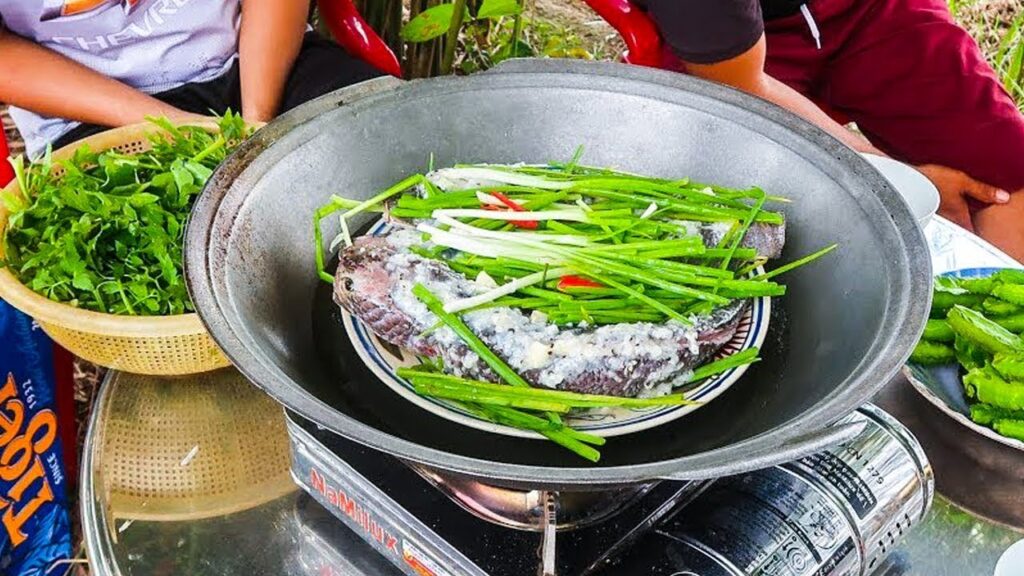
Plain rice paper used for dipping is something every household buys during the Lunar New Year. The rice paper is dipped in water until just moist enough; if it is too wet, it will become overly soft. It is then eaten with grilled fish, fresh herbs, and stir-fried vegetables, rolled like fresh spring rolls and dipped in sweet-and-sour fish sauce. The taste is truly unique and delicious. This is also a typical dish of Southern Vietnamese people during the Lunar New Year.
With favorable conditions such as readily available raw materials, an abundant workforce, many years of experience, and an expanding consumer market, Thuận Hưng rice paper craft village promises great potential for development in the coming time. Therefore, building and promoting the “Thuận Hưng Rice Paper” brand is a legitimate and necessary aspiration that local authorities and residents of Thuận Hưng should soon implement.
Compiled by Băng Tâm