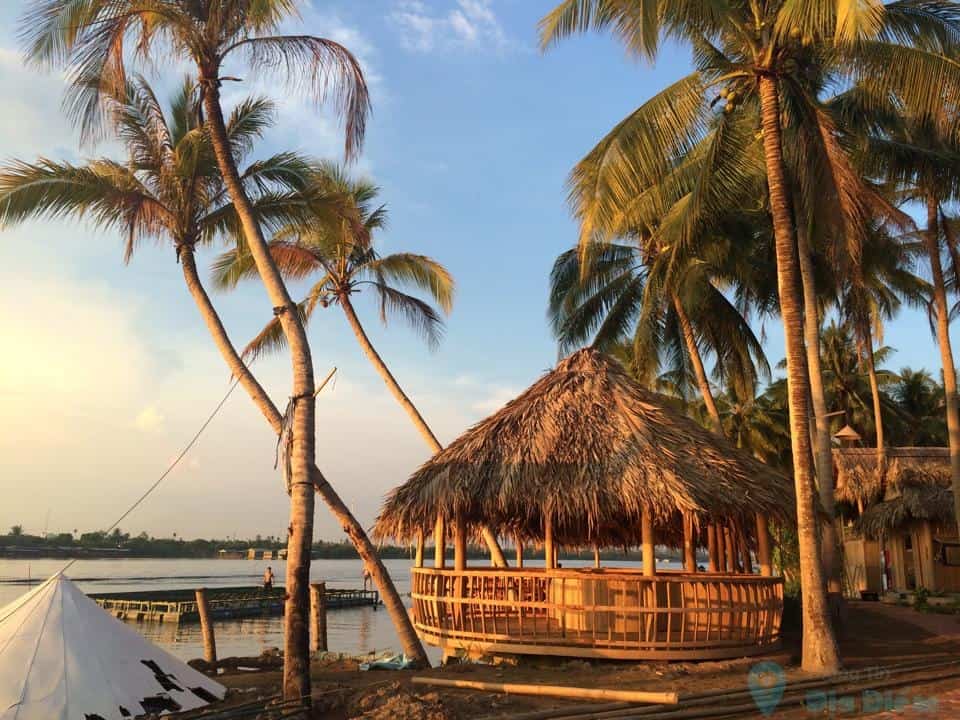
Đong ThapSet aside the hustle and bustle of daily life for a while, gather with friends and loved ones, and return to the peaceful countryside to enjoy a sense of relaxation while exploring Xẻo Quýt Tourist Area during the flood season.Xẻo Quýt Tourist Area, Đồng Tháp
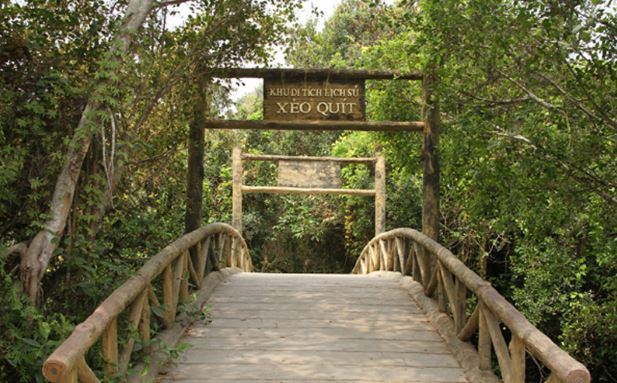
The Xẻo Quýt historical site covers an area of 50 hectares, including 20 hectares of melaleuca forest. It is located in Mỹ Long and Mỹ Hiệp communes, more than 30 km from Cao Lãnh City.
During the resistance war against the United States, this place served as a military base. Today, Xẻo Quýt has become a well-known destination for “return-to-the-roots” tours, attracting both domestic and international visitors.
Xẻo Quýt Tourist Area, Đồng Tháp
In the past, Xẻo Quýt was a vast wilderness covered with wild grass, featuring treacherous terrain. For this reason, it was chosen by the Kiến Phong Provincial Party Committee at the time (now Đồng Tháp Province) as a resistance leadership base. The melaleuca forest was planted by local people to protect and shelter revolutionary cadres. Trenches, bomb shelters, secret tunnels, meeting houses, and other wartime structures built by the people have been carefully preserved to this day.
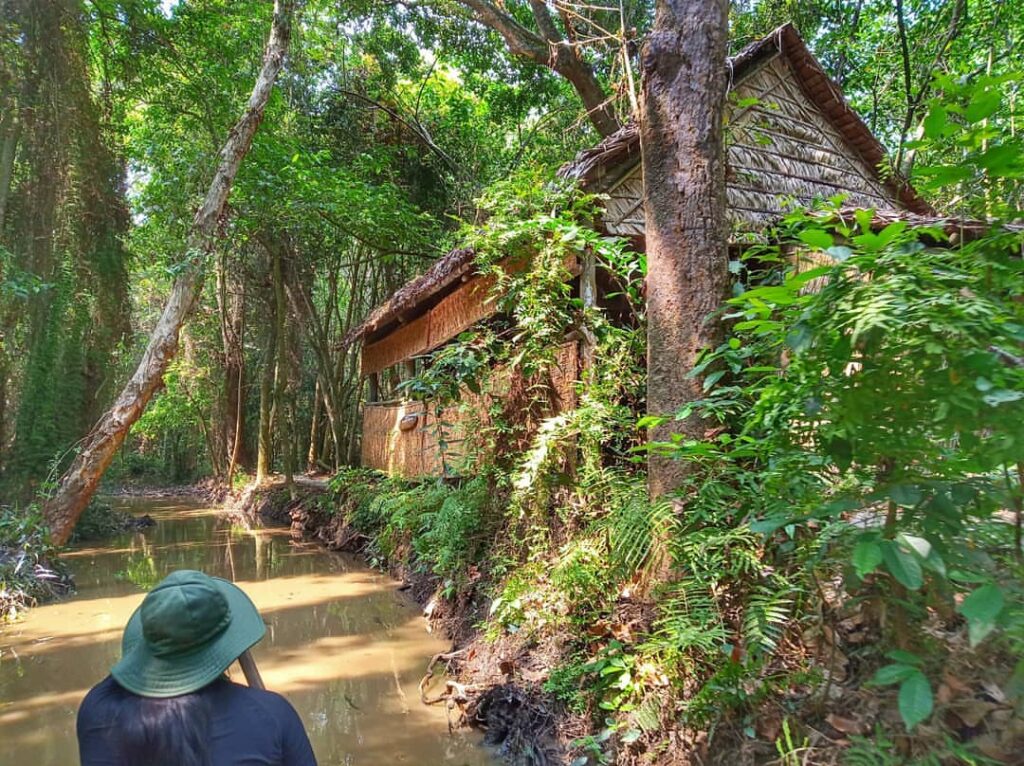
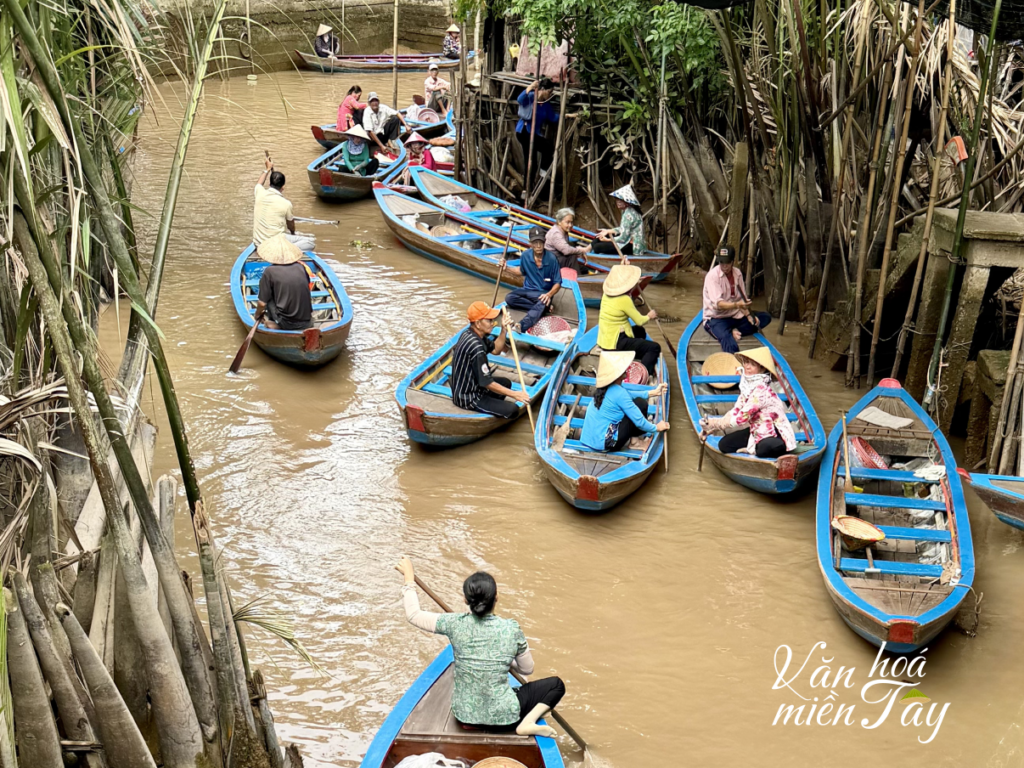
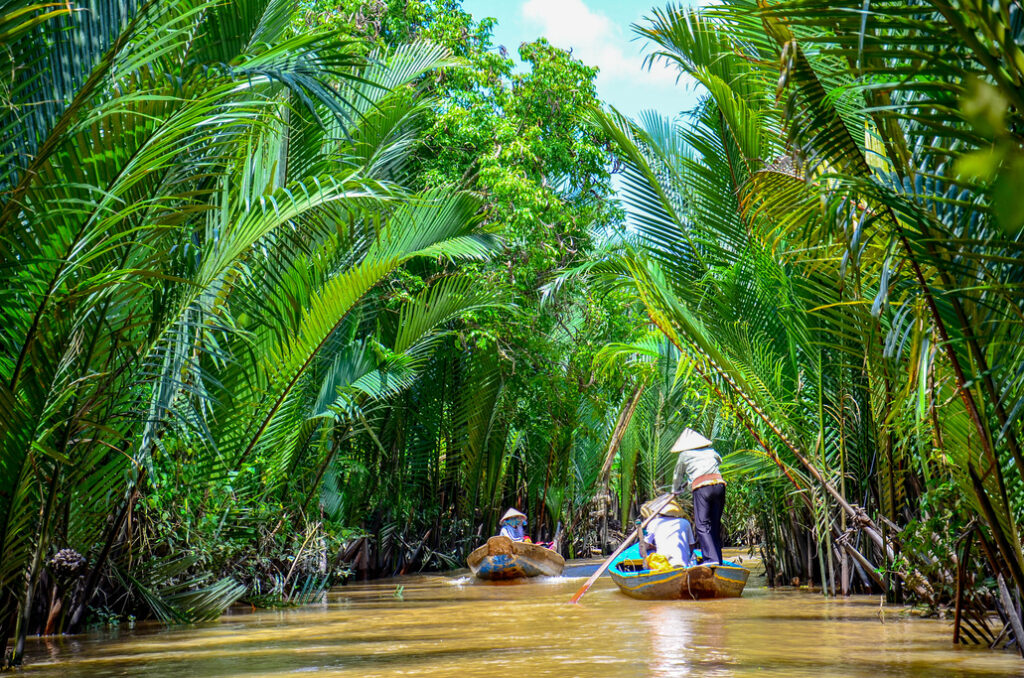
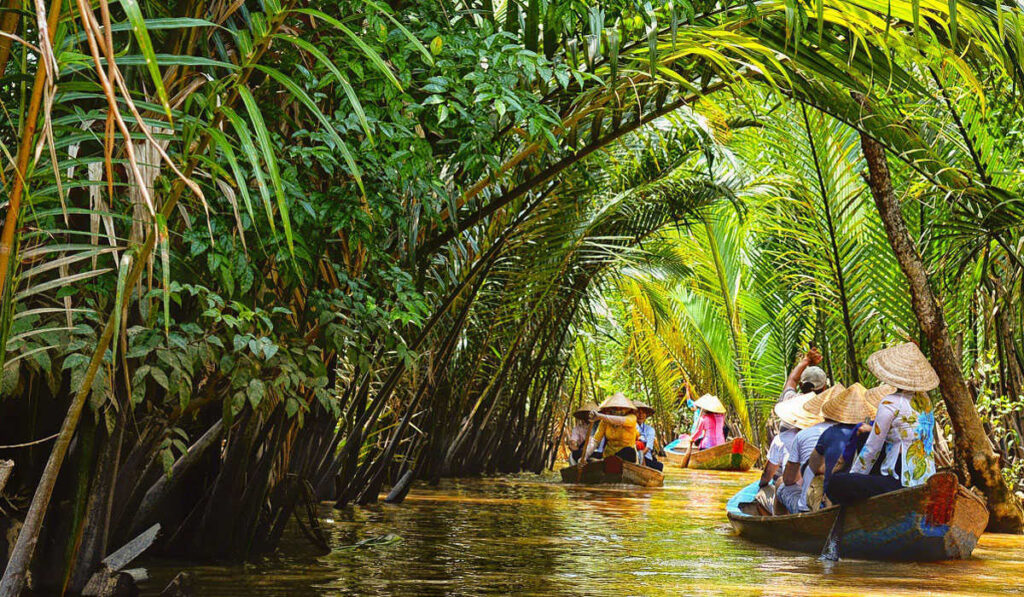
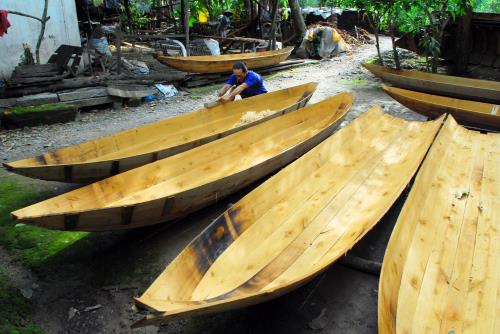
Upon arriving at Xẻo Quýt, visitors are immediately immersed in a breathtaking natural landscape. During the dry season, you can wander along winding trails beneath the cool shade of melaleuca trees. In the flood season, aboard a traditional three-plank boat, female guerrillas dressed in black bà ba outfits, checkered scarves, and boonie hats guide you through narrow, pristine canals to hidden historical sites deep within the vast melaleuca forest.
Xẻo Quýt Tourist Area, Đồng Tháp
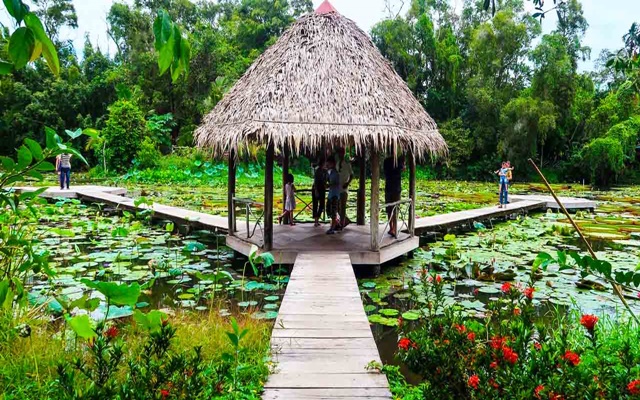
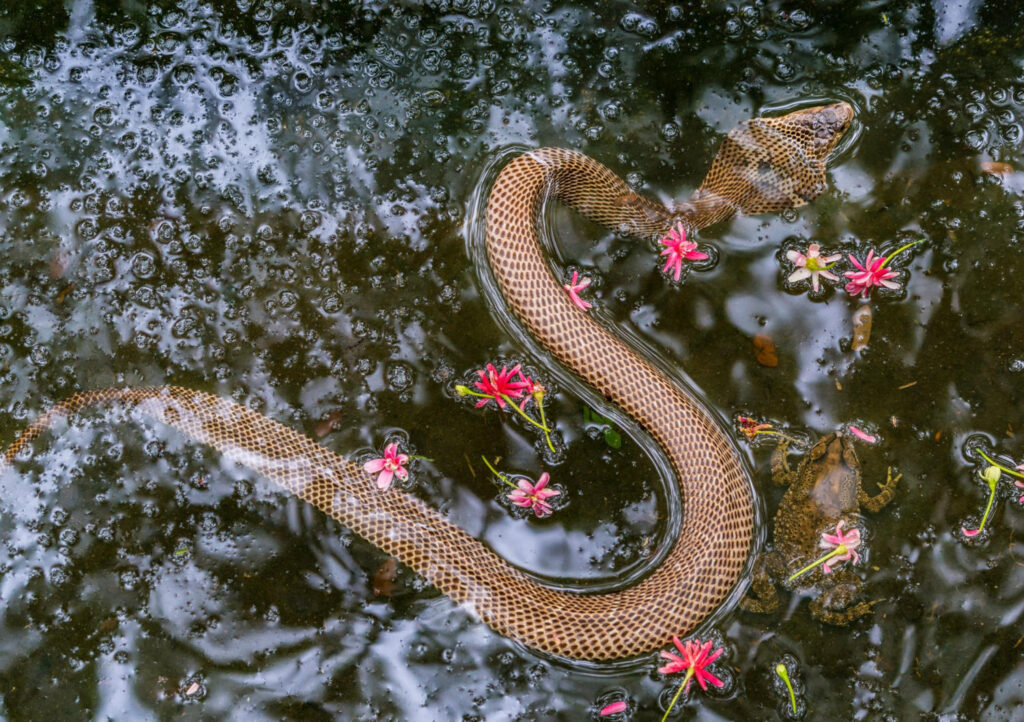
The ecosystem here is remarkably diverse, featuring more than 170 plant species such as melaleuca, gáo trees, reeds, water apple, lotus, and water lilies, as well as over 200 species of wildlife. Among them are 13 species listed in the Vietnam Red Data Book, including Burmese pythons, rat snakes, otters, and box turtles. For this reason, Xẻo Quýt is often referred to as a “miniature Đồng Tháp Mười.” Along the way, visitors are invited by local female guides to enjoy a light, rustic specialty of the region: lotus-leaf-wrapped rice balls with sesame salt.
In addition, the Xẻo Quýt historical site boasts a rich ecosystem with more than 170 plant species and 200 wildlife species, including 13 listed in the Vietnam Red Data Book such as Burmese pythons, rat snakes, otters, and box turtles.
You will relive the atmosphere of the former war zone as you observe A-shaped bomb shelters, individual L-shaped secret tunnels, and Z-shaped combat trenches—faithfully restored just as they once were. There are also former “no-man’s-land” areas where grenades were once installed to counter helicopters and armored infantry vehicles.
Amid the wild natural surroundings typical of the Đồng Tháp Mười ecosystem, you can clearly hear the rhythmic splash of oars stirring the water, fish leaping at the surface, and the gentle rustling of wind through the leaves. Breathing in the fresh air fills your lungs, and the dust and fatigue of city life seem to wash away instantly.
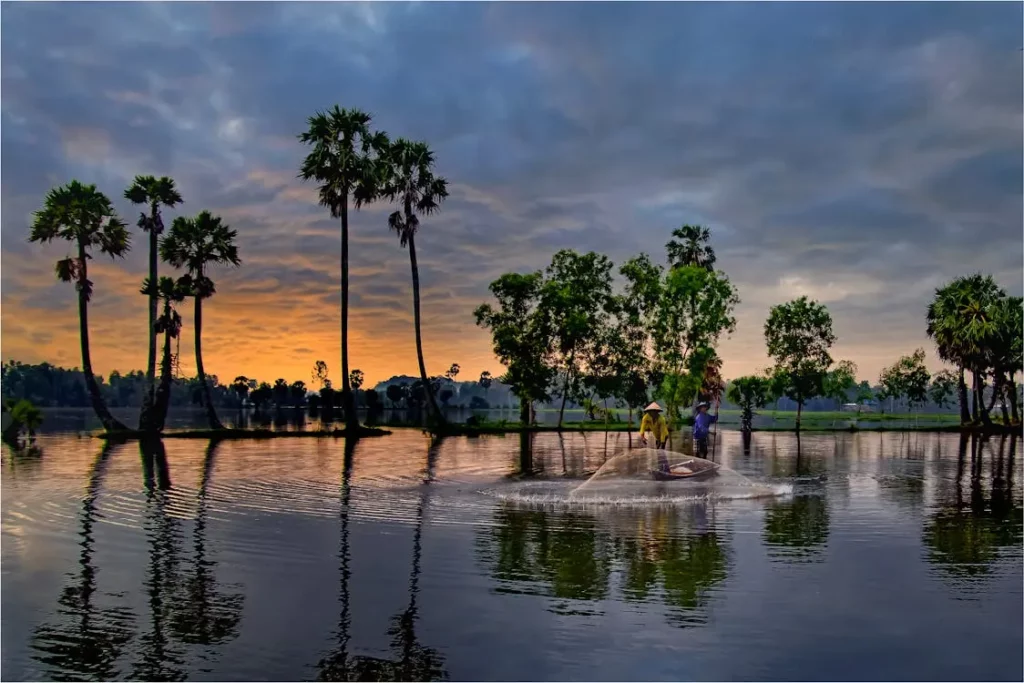
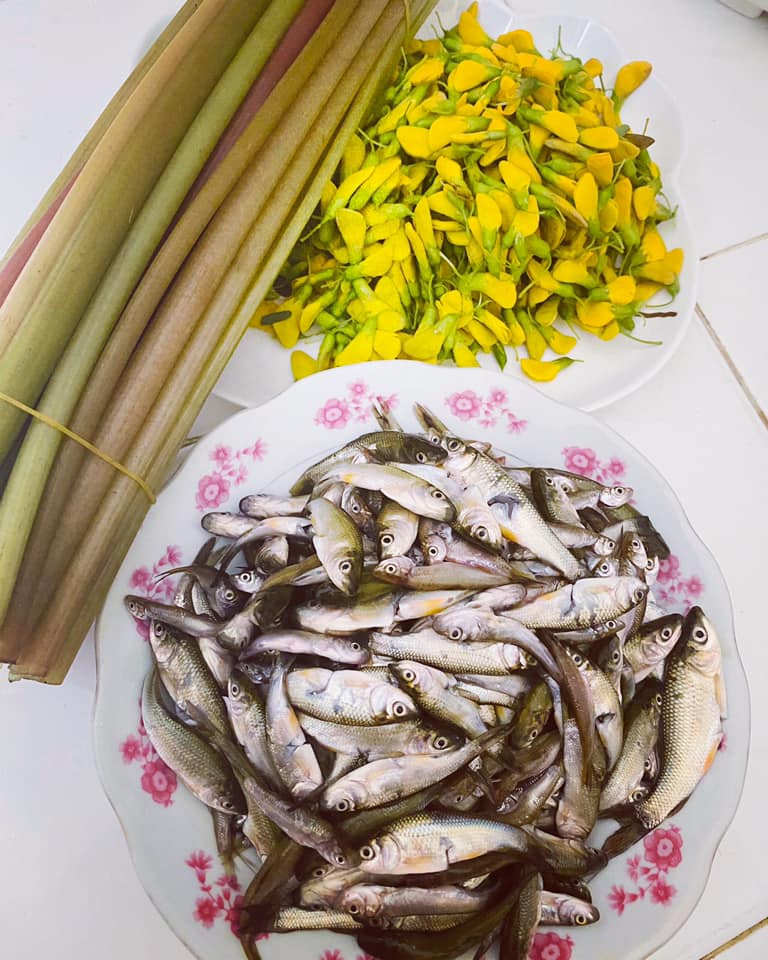
One particularly interesting experience at Xẻo Quýt is “rowing out to lift fishing nets.” Gently swaying on a three-plank boat along the melaleuca forest, visitors help retrieve nets to catch fish and shrimp. The fresh catch is then prepared by local people into regional specialties such as fried catfish with mango fish sauce and steamed apple snails with fermented rice.
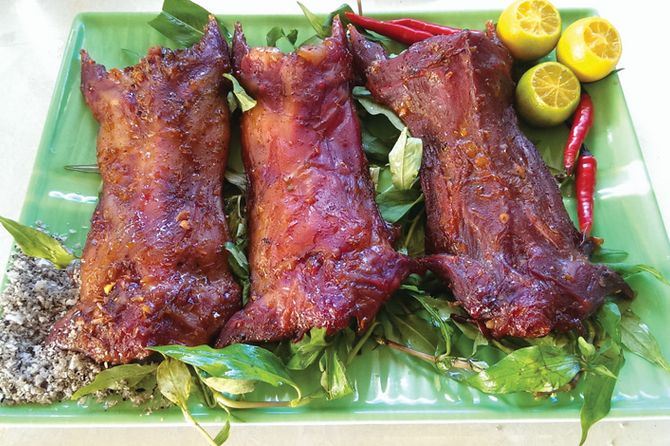
Grilled snakehead fish wrapped in lotus leaves, grilled field rats, sour soup with swamp eels, and charcoal-grilled frogs are among the local delicacies. There is nothing more enjoyable than savoring these dishes while listening to and interacting with traditional *đờn ca tài tử* music, then freely exploring the pristine melaleuca forest, recreational fishing, or simply hanging a hammock to rest beneath the lush green canopy.
Flowing gently through the Mekong Delta, Thoi Son Islet was once one of the most famous destinations in Tien Giang Province, attracting visitors with its lush fruit orchards, winding canals, and simple countryside lifestyle. Thoi Son Islet is now one of the well-known destinations in Tien Giang, attracting visitors, especially young travelers, who come to...
Viewed from above, Trà Tim Pagoda and Sóc Trăng Airport appear as if they are located on a giant ship, with the pagoda positioned at the bow (from the direction of Bạc Liêu) and the airport situated at the rear.Trà Tim Pagoda was established nearly 500 years ago on a high sandy mound. It is...
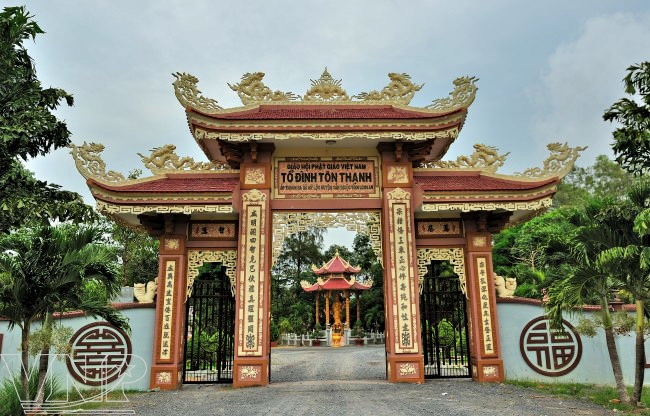
Tôn Thạnh Pagoda is the oldest pagoda in Long An Province, and it was here that the great poet Nguyễn Đình Chiểu once lived, wrote poetry, practiced medicine, and composed the heroic work “Văn tế Nghĩa sĩ Cần Giuộc” (Funeral Oration for the Martyrs of Cần Giuộc). Long An is a land imbued with the...
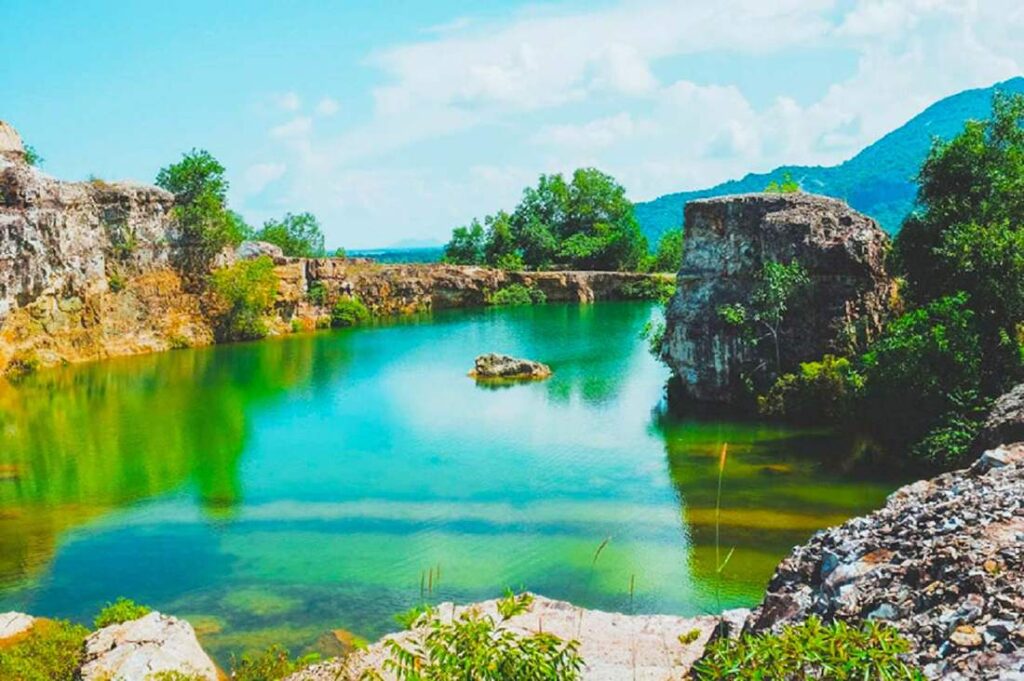
Located right in the heart of Tri Ton district, An Giang province, Ta Pa Mountain, also known as Ta Pa Hill, boasts a beauty like a watercolor painting, captivating countless tourists from both within and outside the country.
Located about 5km from the center of My Tho City, Tien Giang, Dong Tam Snake Farm is dubbed the “kingdom of snakes” in Vietnam, housing more than 400 species of snakes. Whether you are a snake lover, someone who is afraid of them, or even someone who dislikes them, you should visit this kingdom at...
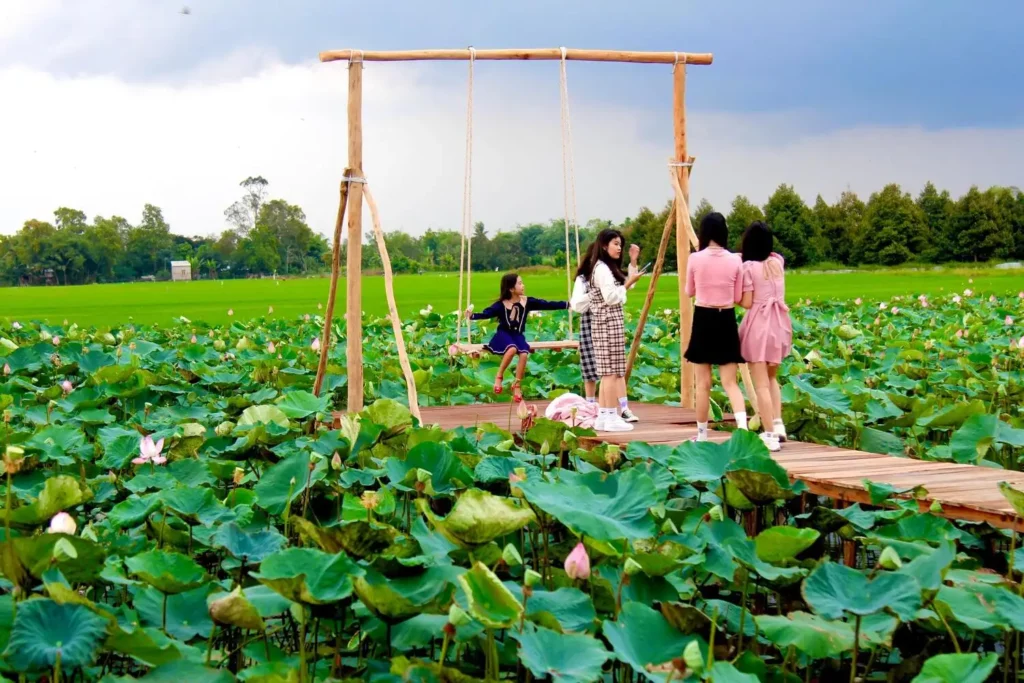
“Trong đầm gì đẹp bằng sen Lá xanh, bông trắng, lại chen nhị vàng” The highlight of the Đồng Sen Tháp Mười Ecotourism Area is that visitors can fully immerse themselves in the serene, pure atmosphere brought by the fragrance, colors, and flavors of vast, endless lotus fields. The Đồng Sen Tháp Mười Ecotourism Area...
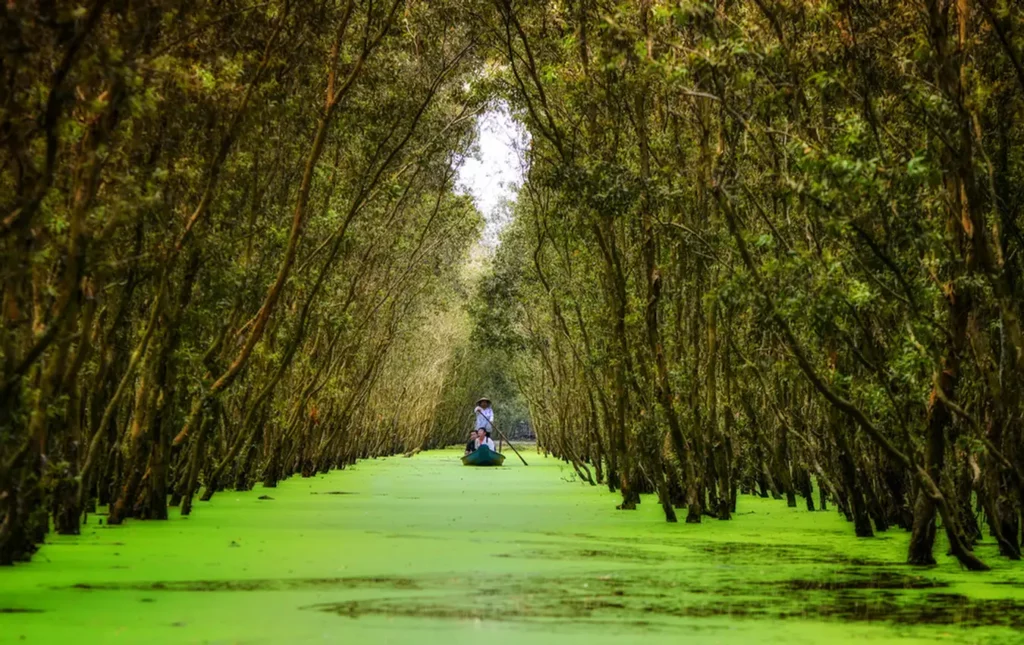
Around October and November every year, travelers from the South to the North invite each other to admire the peaceful and lush green Tra Su cajuput forest. With its submerged cajuput forest habitat and rich flora and fauna, Tra Su is considered the symbol of An Giang’s beauty during the floating water season. This is...
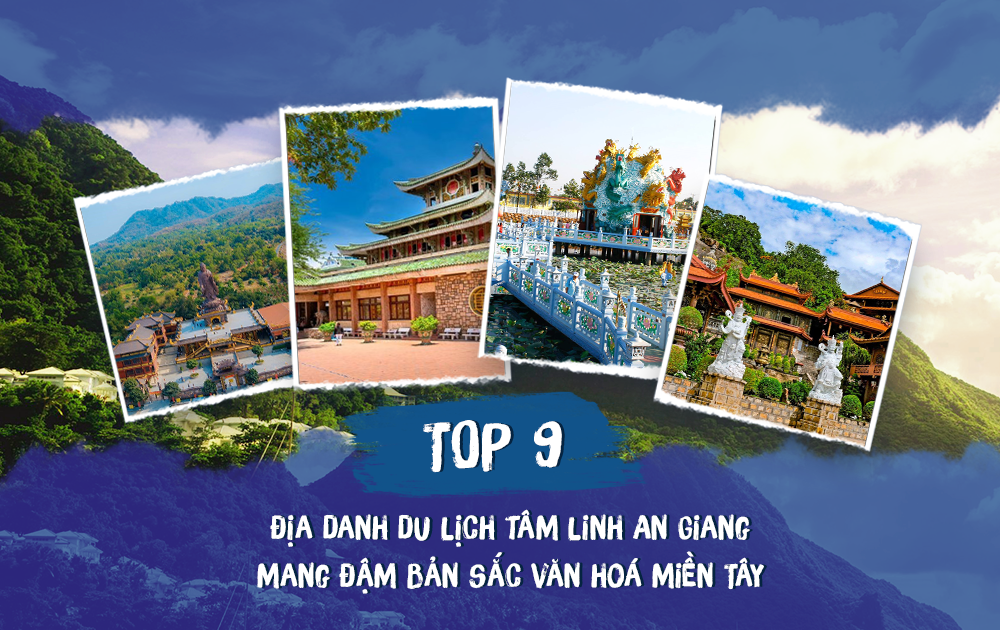
Spiritual tourism An Giang is not only a journey in search of inner peace, but also an opportunity to deeply experience the harmonious values of culture, history, and nature of the Southwestern Mekong Delta. An Giang is famous for its poetic river landscapes, sacred mountains, traditional folk festivals, and a rich system of temples and...
Not only famous as the land of coconut groves, Ben Tre is also renowned for its ecotourism, with famous destinations such as Phung Islet (Coconut Monk Islet), Oc Islet, Qui Islet, Tien Islet, and more. Known as a province in the Mekong Delta with a mild climate favorable for wet rice agriculture, Ben Tre is...
Set aside the hustle and bustle to return to the peaceful beauty of An Giang, sit down to enjoy a bowl of fish noodle soup, immerse yourself in the vibrant Khmer festivals, or simply admire the poetic scenery. Here are some stunning views of Búng Bình Thiên, often called the “Sky Lake” of An Giang:The...
Thới Sơn Islet is a famous orchard-based eco-tourism destination in Tiền Giang and the Mekong Delta, located about 85 km from Ho Chi Minh City. Visiting Thới Sơn Islet, you will explore a largely untouched ecological area, immerse yourself in the orchard lifestyle, and experience many unique activities such as rowing a sampan or riding...