Around October and November every year, travelers from the South to the North invite each other to admire the peaceful and lush green Tra Su cajuput forest. With its submerged cajuput forest habitat and rich flora and fauna, Tra Su is considered the symbol of An Giang’s beauty during the floating water season.
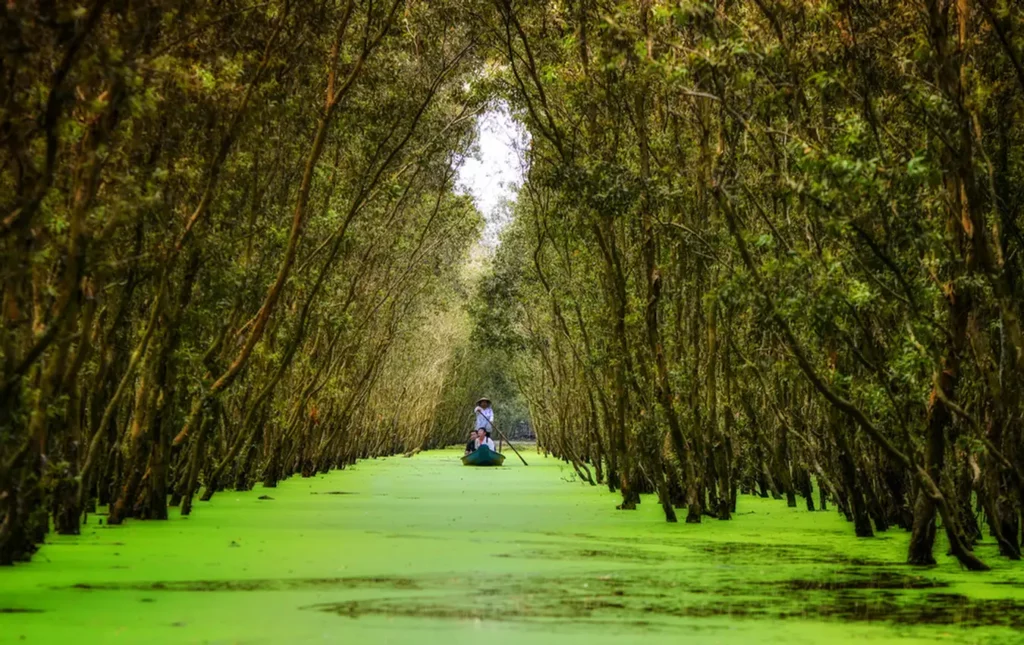
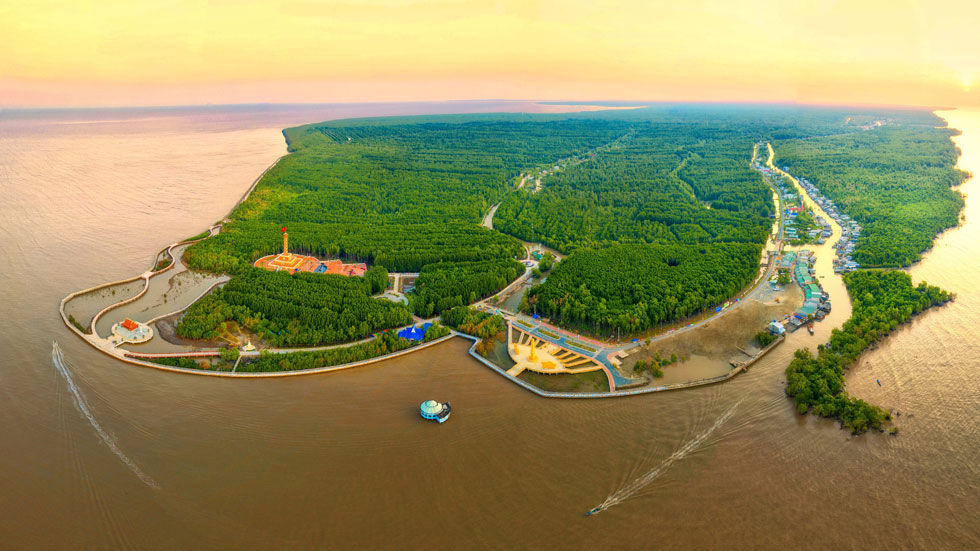
This is also the 6th inland wetland forest in the Western provinces. Covering an area of about 850 hectares, Tra Su cajuput forest is blanketed in the vibrant green of water hyacinths covering the water’s surface. This will be an experience you cannot miss: rowing a boat on the vast waters, being enchanted by the cool beauty of the forest, listening to the close chirping of birds, and seeing the yellow sesbania flowers leaning over their own reflections.
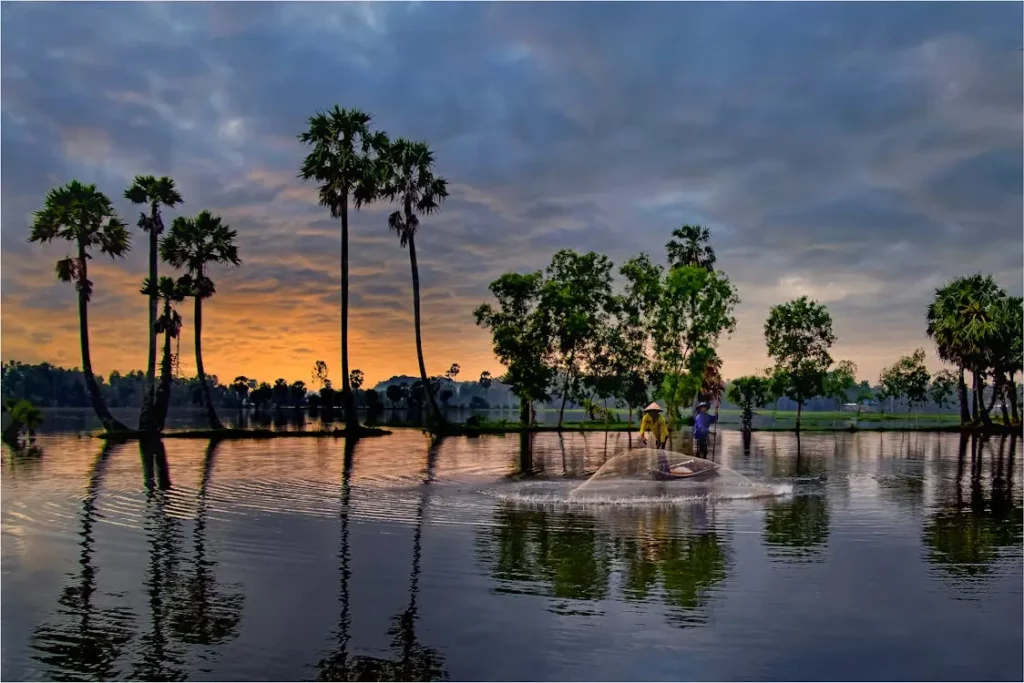
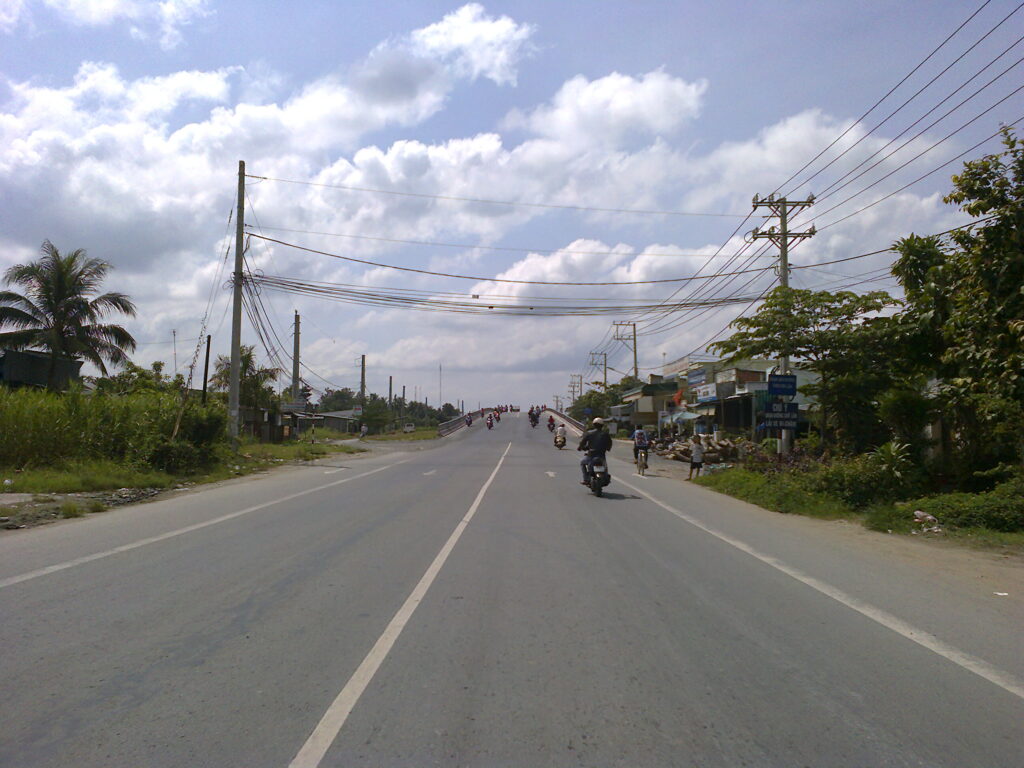
Heading toward Tinh Bien district, An Giang province, about 100 km from Long Xuyen, you will find the red dirt road leading into Tra Su cajuput forest. On both sides of the road, endless rice fields and tall, shady palmyra trees create a mesmerizing scene, especially in the brilliant tropical sunset. Here and there, you might encounter colorful flocks of ducks, as locals dye their feathers—yellow, green, purple…—to distinguish between different owners’ flocks.
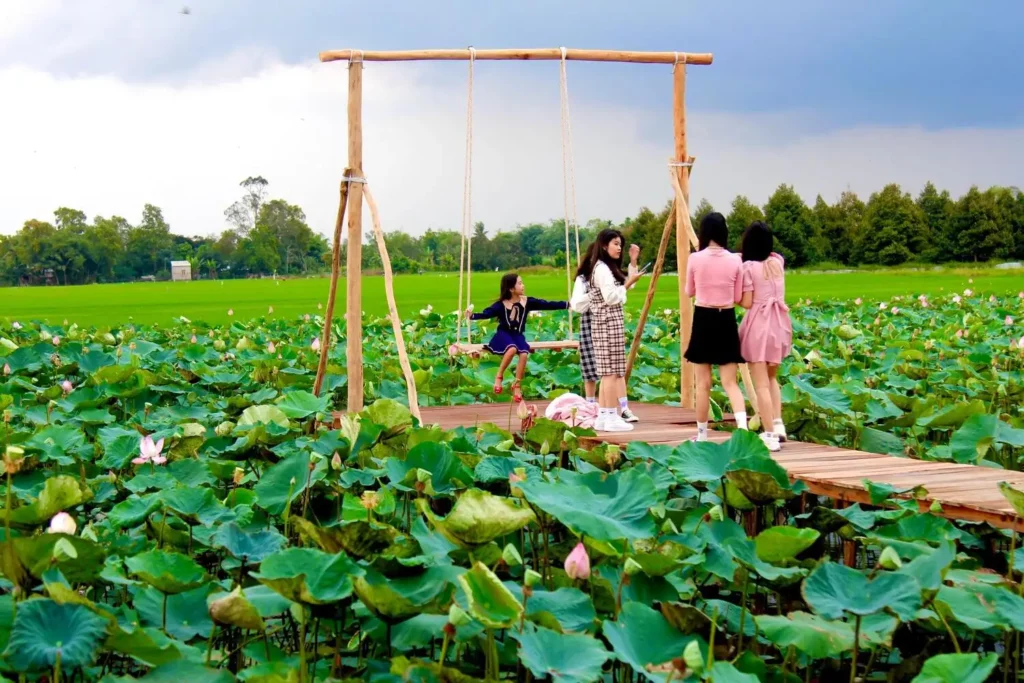
Although the road to the forest remains bumpy with potholes, anyone who sets foot here will quickly be captivated by the forest’s mystical atmosphere, with lotus ponds and rows of cool green trees lining the path. Boat tickets are quite affordable; for a group of 3-5 people per boat, it costs about 50,000-60,000 VND per person for a 2-hour tour. A “tail-shrimp” motorboat cuts through the water, taking tourists deep into the cajuput forest. Occasionally, when spotting bold birds perched on tree trunks, water lilies, or sesbania clusters by the bank, you can ask the driver to stop the engine to enjoy the silence and capture beautiful natural moments.
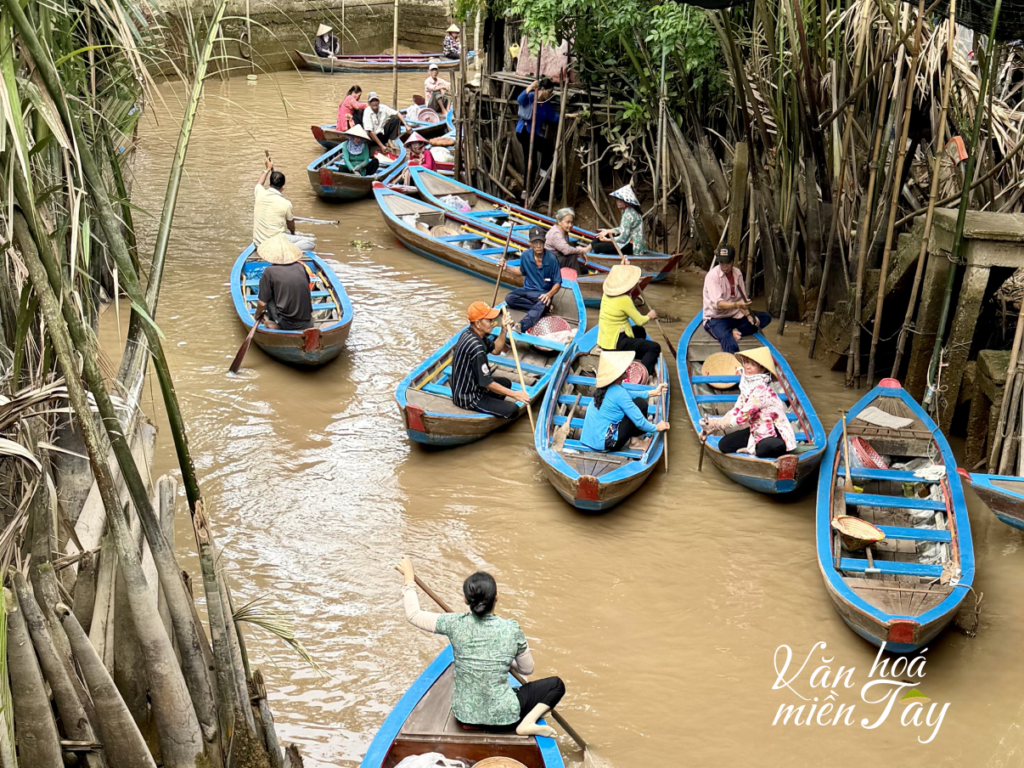
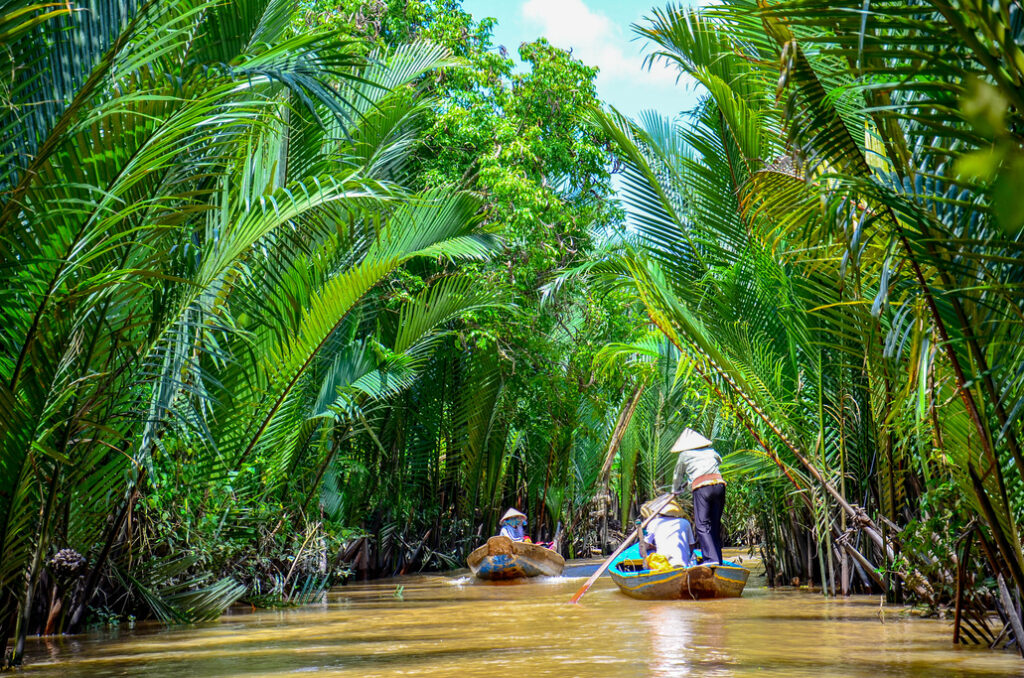
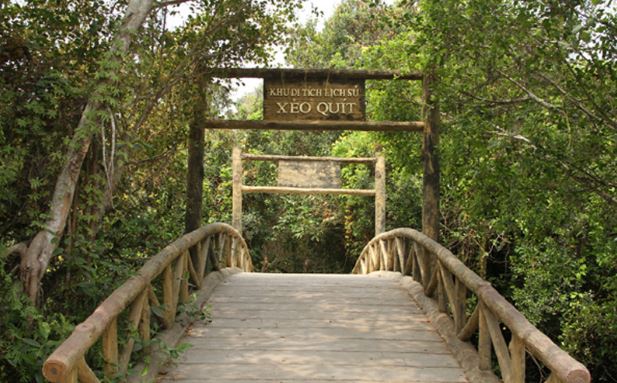
Standing on the bridge at the entrance, a long canal with cool water appears before the eyes of visitors, occasionally disturbed by a fish splashing its tail. Right next to it is a vast expanse of cajuput forest in a deep green hue. From here, visitors no longer travel by vehicle but must use small canoes (ghe, xuồng) to easily weave through the forest’s nooks where duckweed covers the water surface. The boats are equipped with conical hats (nón lá) for photos or to avoid “bombs” from birds in the forest, while you ripple the water to the rhythm of the boat lady’s slow stories.
You can reach out and touch the duckweed right at the water’s surface or admire the brilliant yellow sesbania flowers. If you visit in the early morning or late afternoon, you will witness the spectacle of flocks of birds filling the sky as they head out or return to their nests.
After transferring back to a motorboat, you are taken to the Observation Tower, where you can admire the panoramic view of the vast forest. Since the visit is during the rainy season in October and November, you might occasionally encounter “sun showers” in the forest—pouring down suddenly and then stopping just as quickly.
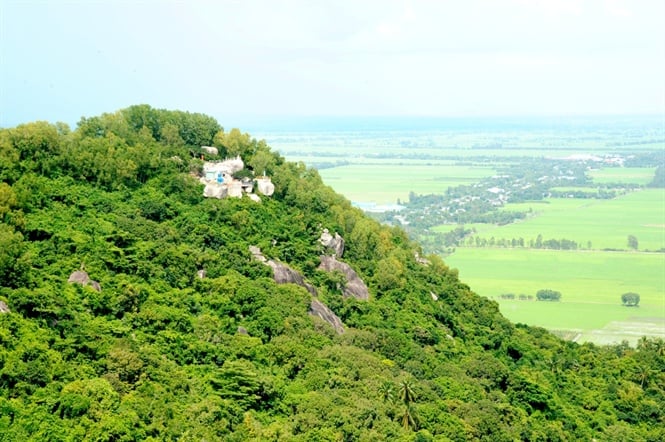
After exploring the cajuput forest, you should visit other tourist attractions in An Giang, such as the Ba Chua Xu Temple or the Cam Mountain tourist area… or stop to enjoy palmyra juice (nước thốt nốt) along the road and buy some as gifts.
Compiled by Bang Tam