Tàu hủ ky Mỹ Hòa is a famous traditional craft village in the Bình Minh area of Vĩnh Long, with a history of nearly a century. Today, about 34 households continue the trade. In 2013, the village was officially recognized by the National Office of Intellectual Property with the collective trademark “Tàu hủ ky Mỹ Hòa – Bình Minh.”
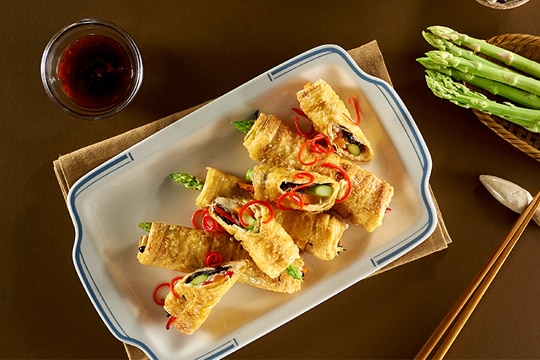
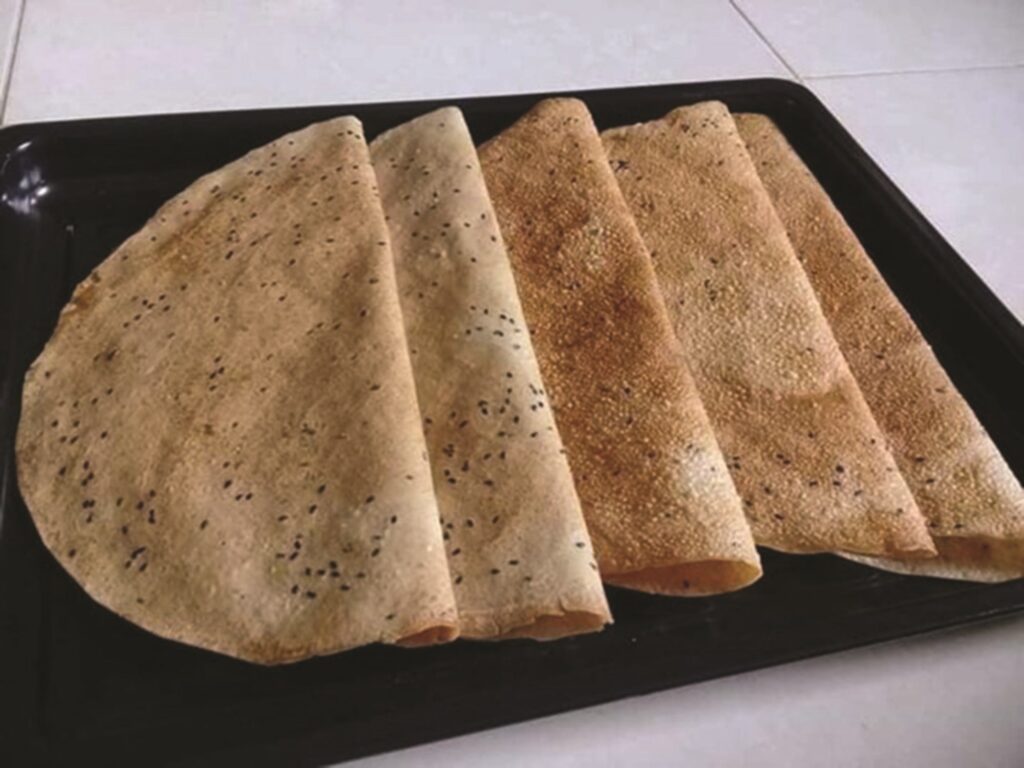
Many people still think of tàu hủ ky (tofu skin/yuba) as strictly vegetarian food, but nowadays it is no longer exclusive to those on a meat-free diet. Not only is it highly nutritious, but tàu hủ ky is also incredibly versatile in cooking—available as large sheets, dried strands, fresh tender strands, salted versions, and more.
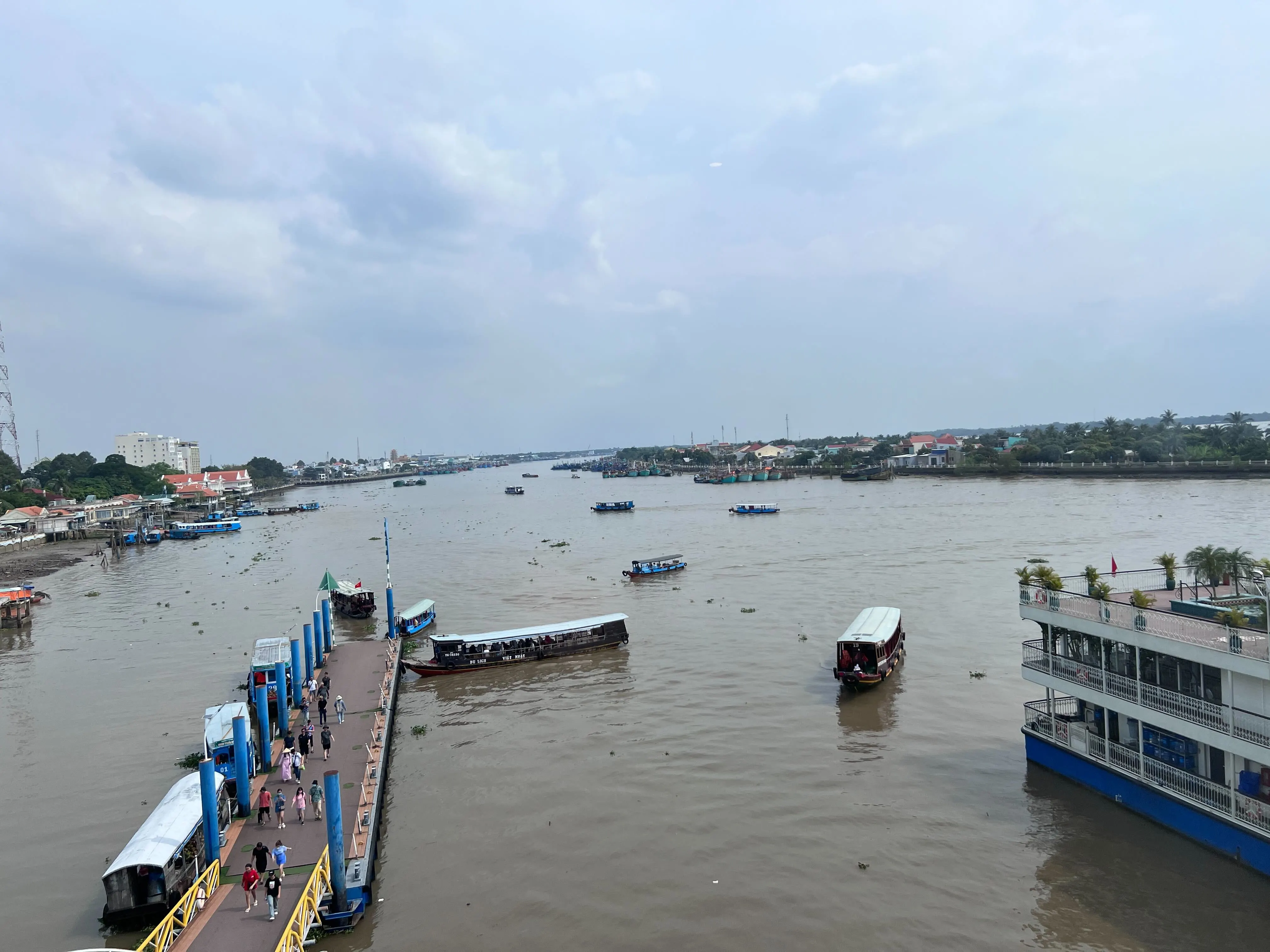
Mỹ Hòa craft village is a narrow strip of land squeezed between the Hậu River and the Cái Vồn branch, now close to the foot of the Cần Thơ Bridge. The village originated when brothers Châu Phạch and Châu Sầm settled here and started the trade. Neighbors saw the potential, learned the craft, and gradually it grew into a full-fledged village profession.
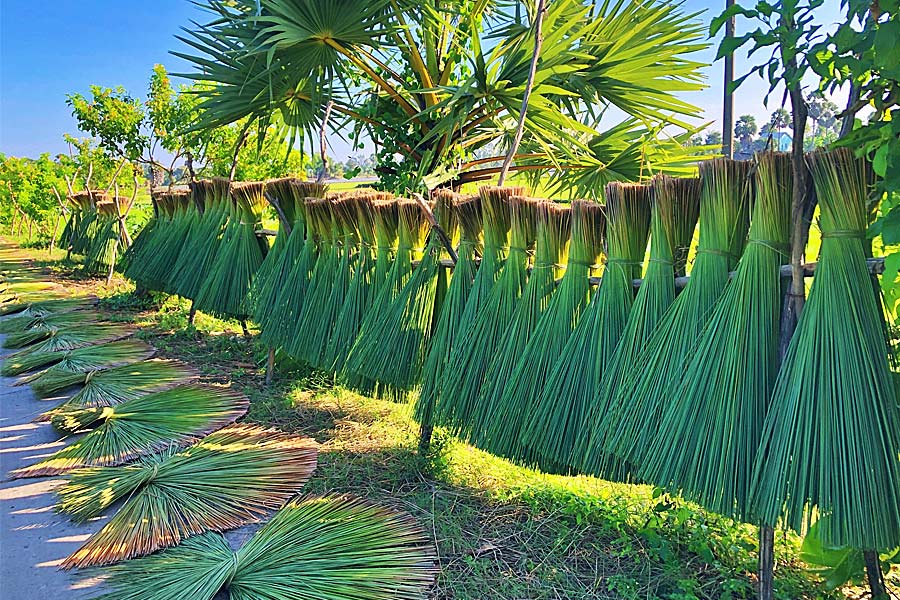
From then on, the locals became accustomed to the distinctive smoky aroma of golden tofu skins and the sight of long strands of tàu hủ ky hanging to dry along the riverbank under the sun.
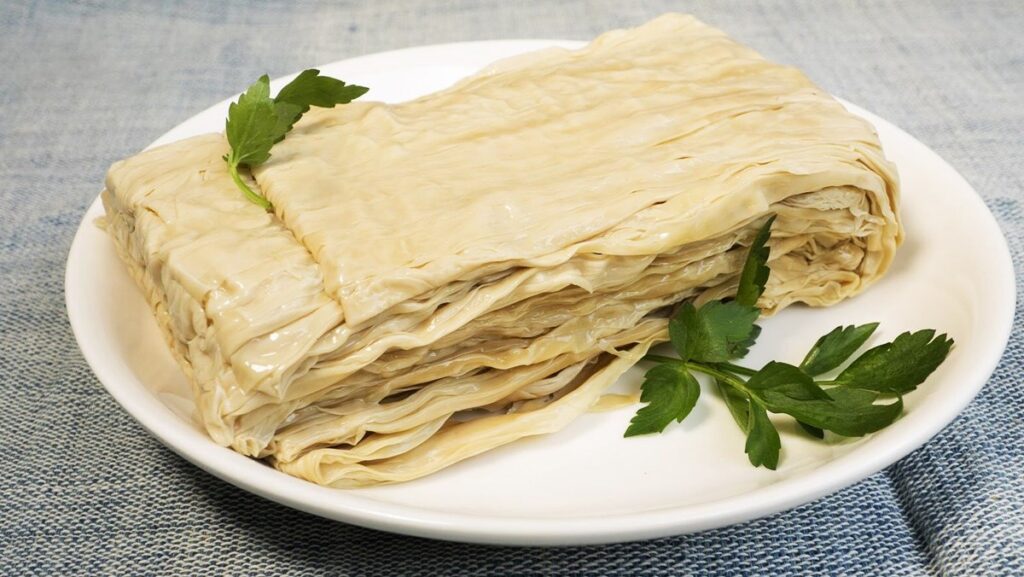
Though now widespread, few people know that this dish actually originated from poverty. Legend has it that long ago, a poor family sold soy milk at the market. One day, the husband and wife argued so fiercely that they forgot the pot of milk simmering on the stove, allowing a thick skin to form. The wife, reluctant to waste it, skimmed the skin, hung it to dry on a bamboo pole, and forgot about it. When the family had nothing left to eat, she took the dried skin down and prepared it in hopes of staving off hunger. Unexpectedly, the dried soy skin turned out to be far more delicious than imagined.
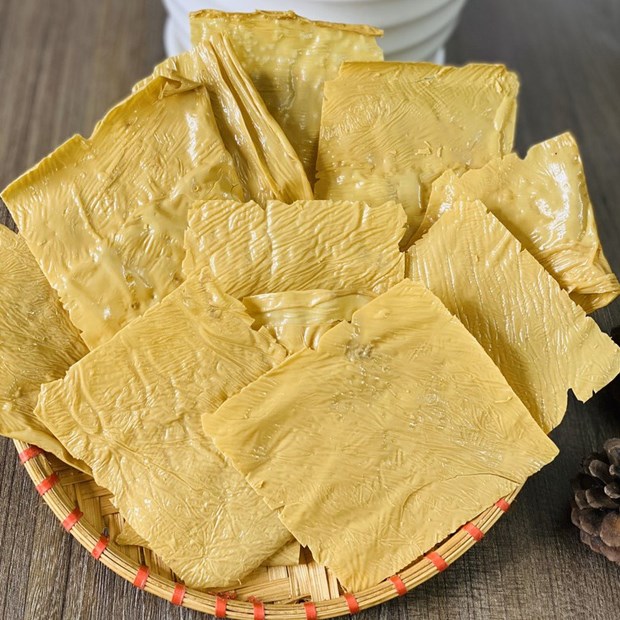
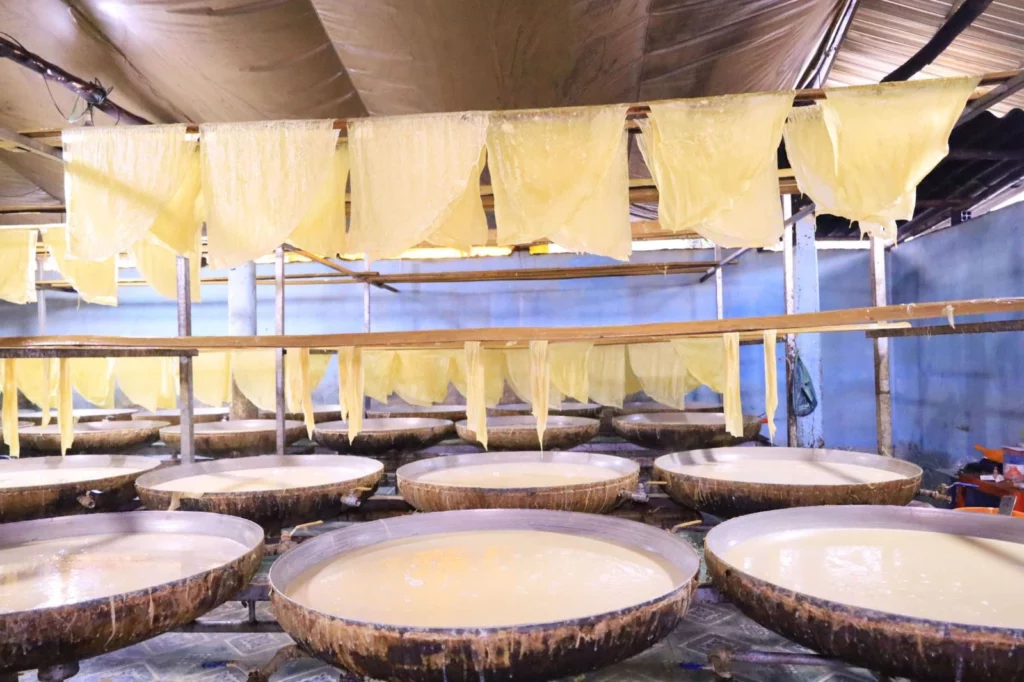
That is the folk story. Making professional-grade tàu hủ ky Mỹ Hòa requires much more effort. Soybeans are soaked for about 2 hours until soft, then ground into a fine paste and centrifuged to extract the soy milk. The pure soy milk is poured into pans and heated to form the skin. Typically, 18 pans are arranged in two rows (called a “dàn” or set), with the number of sets varying by household size.
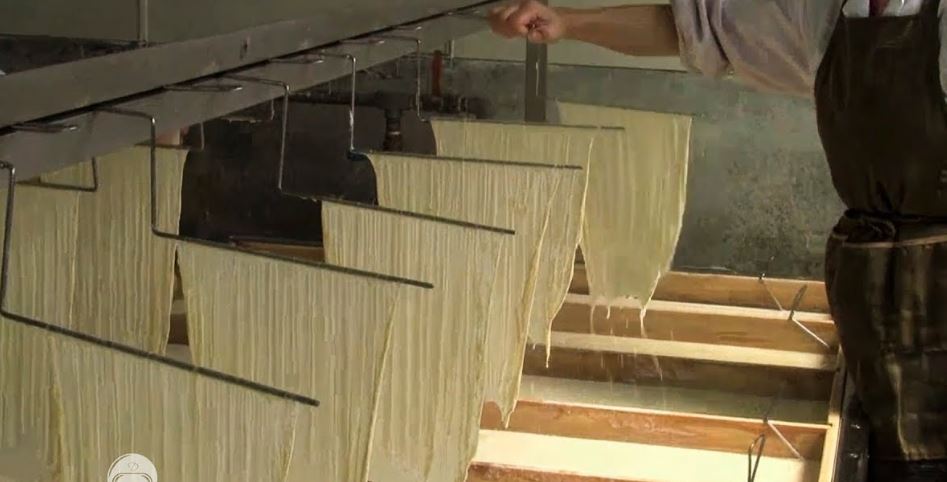
To form the skin, the soy milk in the pan is kept at around 70°C. For thicker sheets, the skin is left to form longer; for thinner ones, only about 5 minutes. Every 10 minutes, a new skin forms and is skimmed off with a knife, then hung on bamboo poles above the pan to drain. The workers continue until the milk is depleted—the final layer is called “vớt bẹ” (bottom skin). To produce 1 kg of finished tàu hủ ky (sold for about 95,000 VND), roughly 2.4 kg of fresh soybeans are needed.
The biggest challenge in making tàu hủ ky Mỹ Hòa is the strong wind season in July, when the water turns murky and the soybeans are poor quality, causing the skin to form slowly and the color to be dull. The best period is from mid-October to April each year, when conditions are ideal for producing high-quality tofu skin.