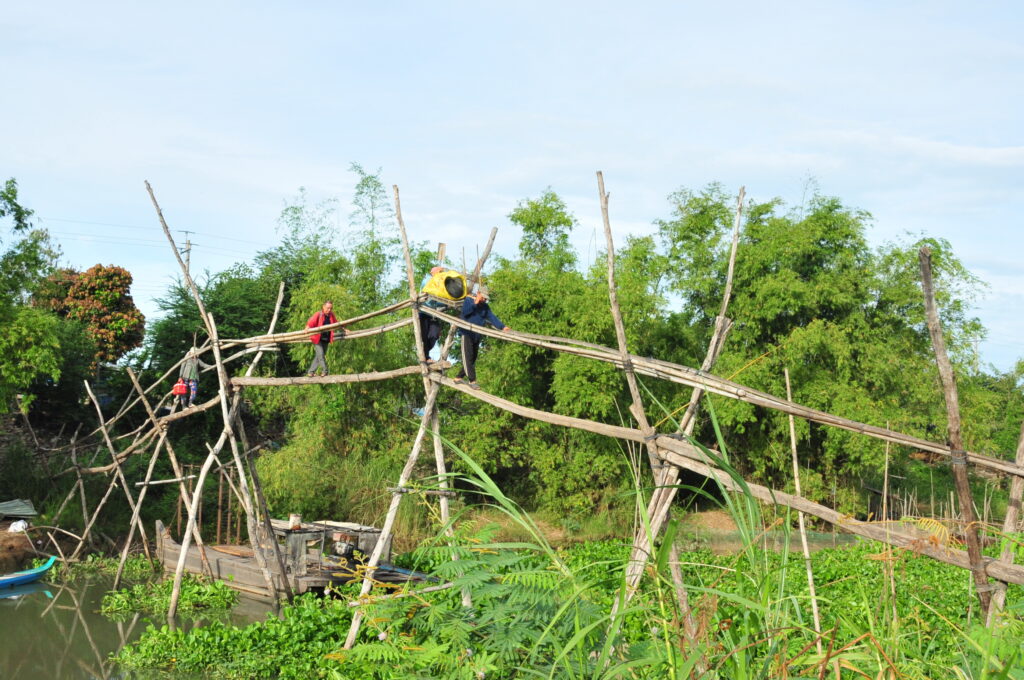
The rustic bamboo bridges of the orchard countryside have long been deeply engraved in the memories of people in the Southwestern region as a distinctive cultural symbol of the riverine landscape. Bamboo bridges, or “monkey bridges,” spanning rivers, canals, and intricate waterways, represent a uniquely charming aspect of both scenery and daily life in the Mekong Delta.
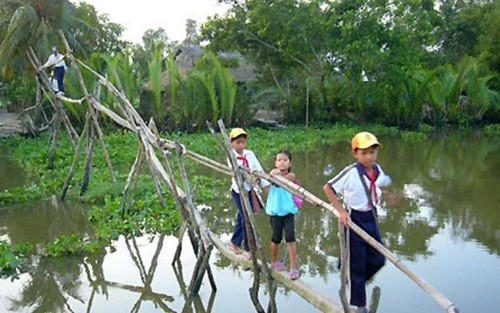
In the past, rivers and canals were the economic lifelines of rural communities. Back then, when the countryside was still poor, bamboo bridges faithfully accompanied the homeland and became a familiar sight for rural people. From adults to children, everyone seemed accustomed to the gentle swaying and unevenness each time they crossed the bridge on the way to school or back home.
“Even if the wooden bridge is nailed firm,The bamboo bridge still sways, uneven and hard to cross.Hard though it is, the mother leads her child across,The child goes to school, the mother to the school of life.”
Perhaps that bond began the moment a child was born. The image of the bridge grew along with the mother’s lullabies through the years. And even when we grow up and travel far away, childhood images still follow each of us like precious baggage, binding emotions together and evoking gentle affection.
When people think of the Southwestern countryside, they immediately imagine vast and fertile riverlands. Alongside monkey bridges, the three-plank boat also holds an important cultural place in daily life. While bamboo bridges are familiar to orchard folk, they often evoke fear in city dwellers—trembling steps taken lightly upon the “bare back” of the bridge, resembling the fragile legs of an elderly person.
During the rainy season, rising waters flood canals and streams. Bamboo bridges submerged for long periods become slippery with algae and mud. Each time students go to school, one hand grips the bridge railing while the other tightly holds a small schoolbag, fearing a slip that might send them into the water and soak their notebooks.
That is the way of rural bamboo bridges—always simple and humble. With a few bamboo poles, some wild trees such as gáo, bần, areca, coconut, sao, or sến, along with turtle-vine ropes, forest rattan, and ferns, a bridge emerges beside the quiet flow of village waterways. Neither elaborate nor grand, the bridge blends into canal life, linking two banks so people may pass and connect with one another, day after day bringing moments of joyful encounters across village streams.
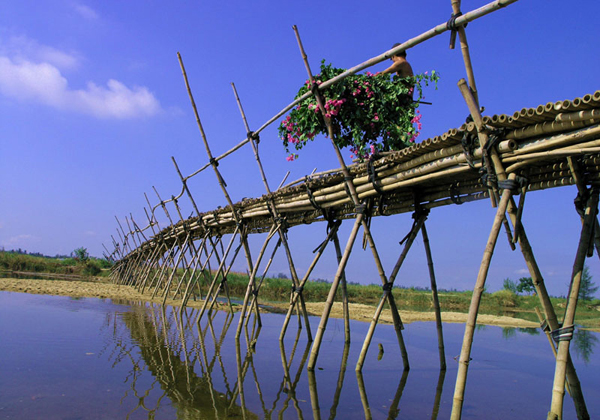
The wobbly bridge adds beauty to the countryside where roads are divided by rivers and canals. When the water is shallow and the canal narrow, the bridge is compact, connecting both sides with a simple log. Where waters run deep and rivers widen, the bridge stretches across with many spans, forming a swaying structure over the water through countless seasons. Long bridges may have three, five, or seven spans, crossing canals whose banks lie far apart.
Bamboo bridges often have an odd number of spans, as people leave the middle span above the deepest water so heavily loaded boats can pass easily beneath, dividing the river evenly into two parts. Situated within canals and streams, each bridge bears the unique character of gentle waterways, muddy channels, and rustic lands. Without mud on its surface, sun on its handrails, rain overhead, or water rocking its legs like those of an old man, it would no longer be the familiar wobbly bamboo bridge of the countryside. Each segment of the bridge is like a fragment of bygone years, leaving behind a dull brown hue imprinted with countless footsteps.
Graceful bamboo bridge, rich in hometown affection
Concrete bridges have gradually appeared along rivers and canals, and bamboo bridges have slowly disappeared from many waterways across the delta. Today, it is no longer easy to encounter the image of a child learning to cross a bridge by sitting down and inching forward before mastering the art of walking steadily on a hometown bamboo bridge.
How we miss those uneven bridges of the past through simple folk verses—rustic melodies filled with affection. We miss bright moonlit nights in the countryside, where rural youths perched on bridges, dangling their feet into the water, nudging drifting water hyacinths as gentle breezes carried a profound sense of peace across the homeland.
Today, my homeland changes day by day, with many new and sturdy bridges rising to replace the monkey bridges that once connected both banks. Yet deep within village alleys, one can still find a few bridges stretching across to serve the people. It can be said that bamboo bridges are a symbol of the land and people of the Mekong Delta—rustic, warm, and rich in heartfelt affection.
Every year on the 24th day of the 4th lunar month, pilgrims from all over flock to Sam Mountain to attend the Ba Chua Xu Festival, creating a bustling and festive atmosphere. Notably, in 2010, the 10th anniversary of the festival was marked by its elevation to a National Level Festival. Sam Mountain is located...
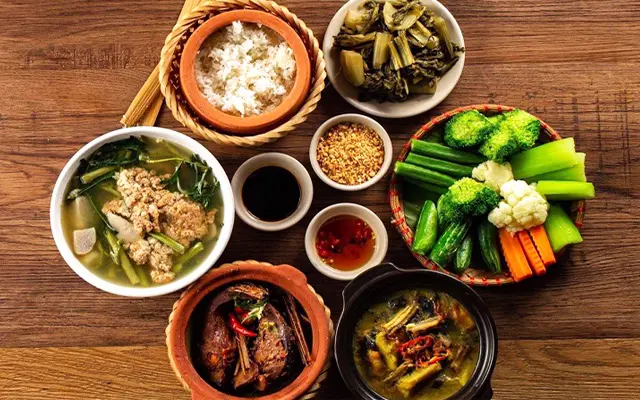
Due to its geographical features and economic activities, Western Vietnamese (Mekong Delta) cuisine has been shaped by a riverine civilization, where the main food sources are rice, fish, and vegetables. The West is a land of honest, rustic, and simple people. Perhaps it is the open and harmonious nature of the locals that has brought...
Through many eras, the áo bà ba remains widely worn by everyone, especially those of middle age and older. It is a thousand-year cultural beauty that leaves an unforgettable impression on the Vietnamese people—a nation with a tradition of creativity and innovation, adapting through time and space to endure… Going back in history, returning to...
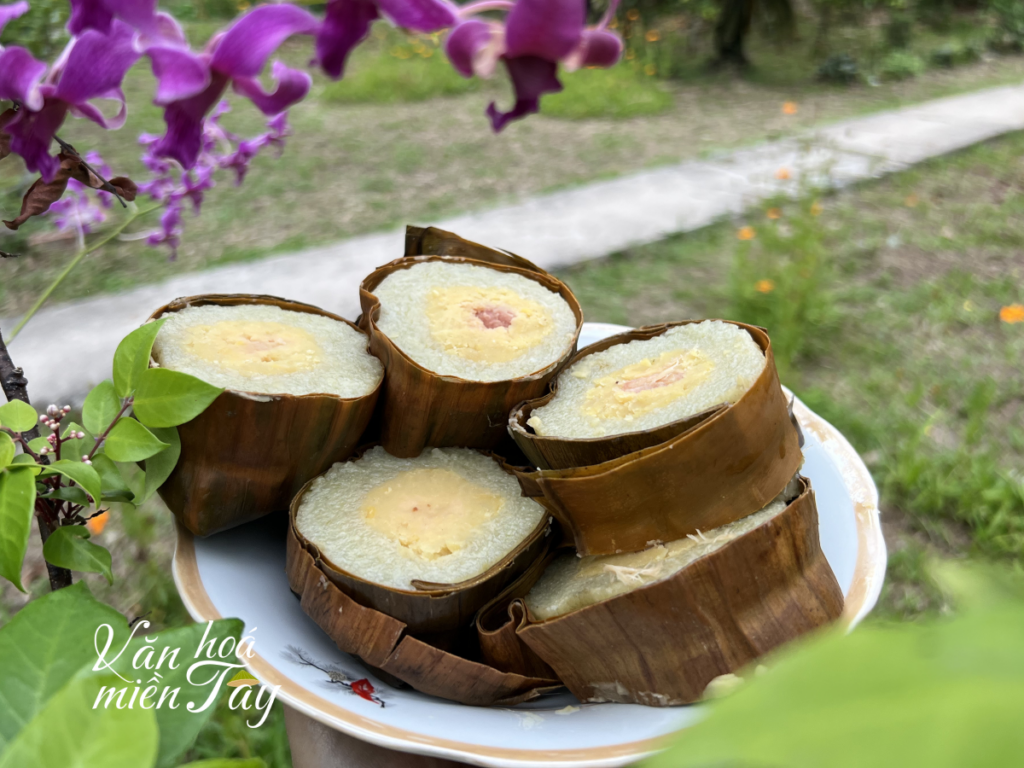
Western Vietnamese Bánh Tét is one of the traditional dishes that embodies the rich cultural identity of Southern Vietnam. It is not only enjoyed during the Lunar New Year (Tết) but is also closely associated with death anniversary ceremonies, ancestor worship, and family gatherings. For the people of the Mekong Delta, each bánh tét is...
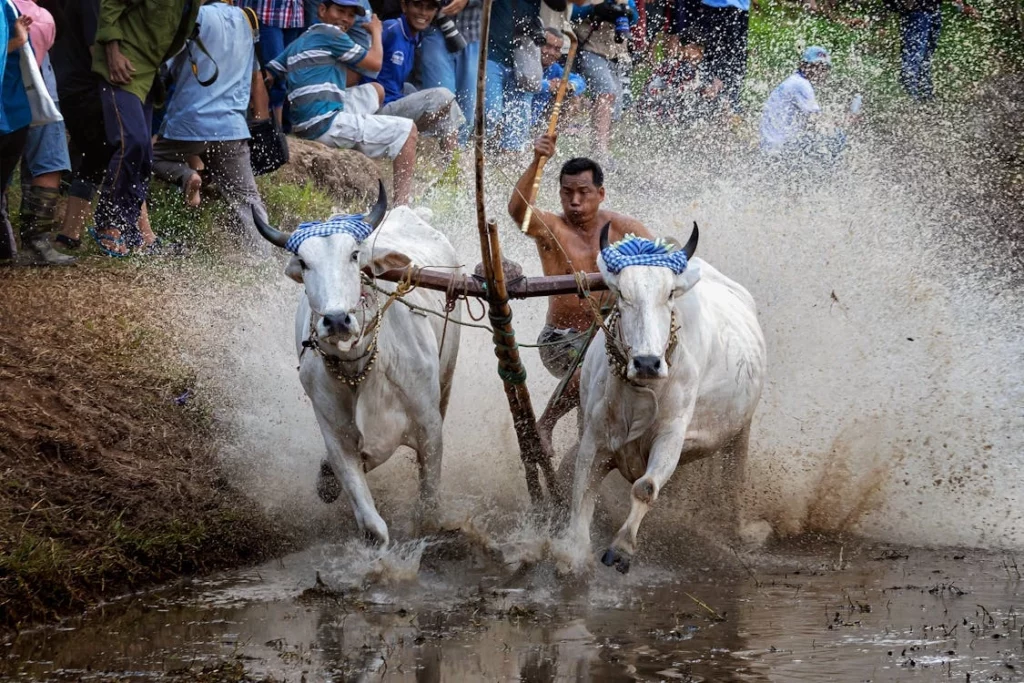
For a long time, the Seven Mountains area (That Son) in An Giang has attracted many visitors not only for its local specialties and beautiful landscapes, but also for a unique traditional festival—the Ox Racing Festival. This festival is held annually during the Dolta (Don-ta) Festival, a ceremony to worship grandparents and commemorate ancestors of...
For many generations, the primary means of transportation and livelihood for the people of the Mekong Delta has been boats, with the “xuồng ba lá” (three-plank canoe) standing out as a unique cultural icon. Living in this riverine region, even the poorest household owns at least one. This is considered a symbol of riverine civilization...
The Ok Om Bok Festival, also known as Phochia Praschanh som paes khee, is the Moon Worship Festival. This celebration takes place in almost every province where Khmer communities live in the Mekong Delta, but it is grandest and most well-known in Sóc Trăng City (Sóc Trăng Province). In recent years, the festival has also...
The worship of Thông Thiên (Heaven-Communicating) is a widespread folk belief in venerating Heaven in the South of our country. According to folk beliefs, Heaven ranks above Buddha among the objects of worship, in the order “Heaven – Buddha – Saints – Gods.” Therefore, worshipping Heaven is the very first act of devotion for every...
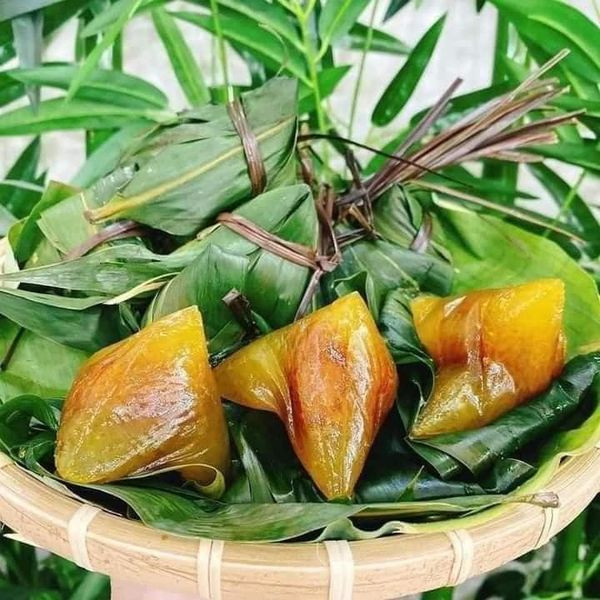
Ash lye rice dumplings are a traditional dish for the Dragon Boat Festival in Southern Vietnam. Nowadays, ash lye rice dumplings also appear at festivals, holidays, and ancestral commemoration ceremonies.
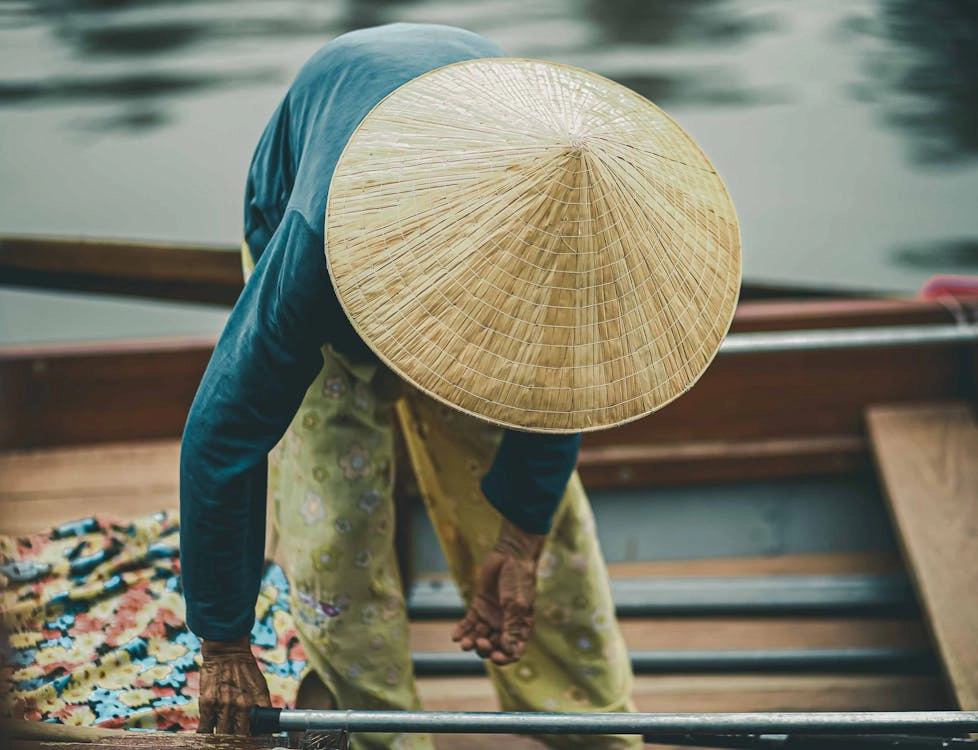
The conical hat is a symbol of gentleness and simplicity, representing Vietnamese women and the land and people of Vietnam. Across the S-shaped land of Vietnam, the image of the conical hat can be found everywhere. Depending on each region, there are different methods of making conical hats to suit local conditions, yet all creativity...
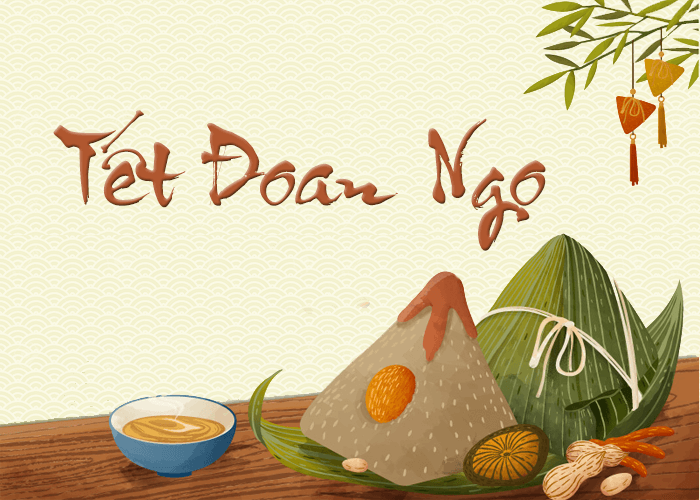
“Tháng tư đong đậu nấu chè Ăn Tết Đoan ngọ trở về tháng năm” (ca dao). Though not as boisterous and bustling as the traditional Lunar New Year, the Đoan Ngọ Festival is still preserved and holds a certain place in the hearts of the Vietnamese people. Đoan Ngọ Festival – The Pest-Killing Festival This...
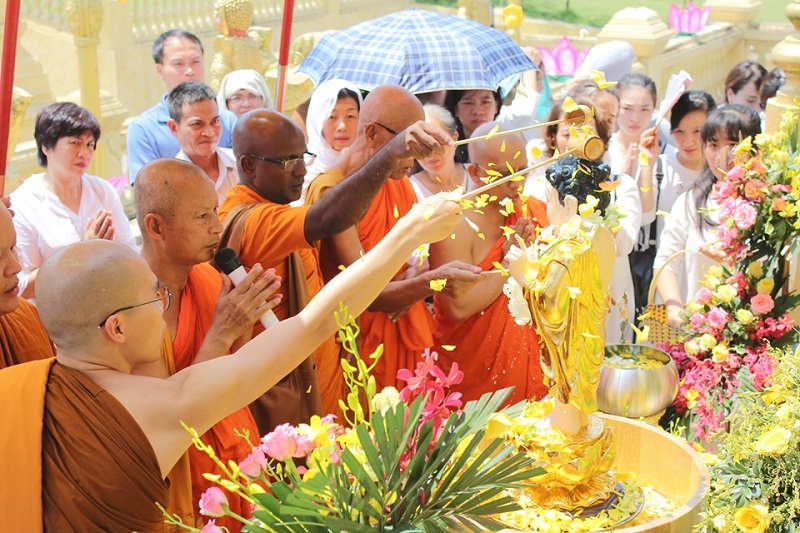
The custom of entering monkhood in order to become a proper person is still common among the Khmer people in the Southwestern region of Vietnam. According to their belief, becoming a monk is not to become a Buddha but to become a better human being, preparing for a good life in the future. It is...