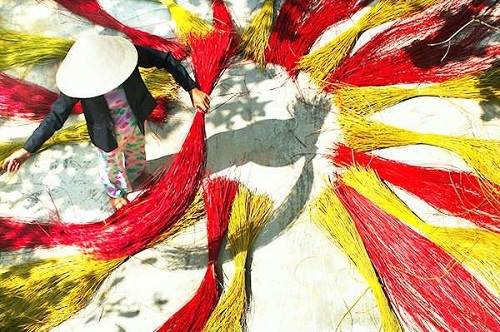
While many traditional craft villages are gradually fading away due to the replacement brought by technological advancements, the clay pot–shaping village in Hon Dat District, Kien Giang stands out as a particularly interesting exception.
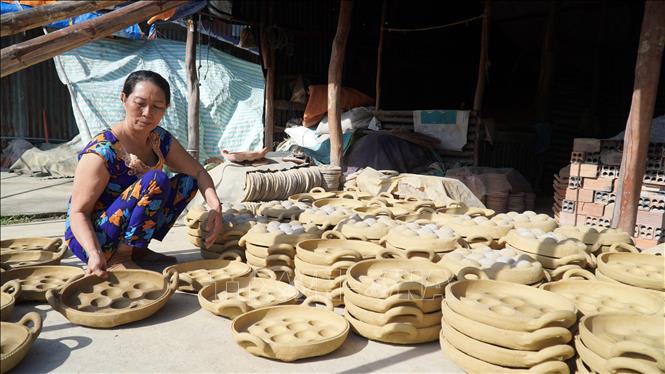
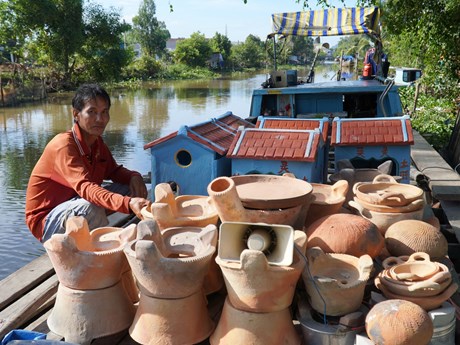
Located in the center of Hon Dat District, this traditional clay pot–shaping village has played an important role in preserving traditional values marked by regional cultural identity, specializing in producing earthenware products such as *ca rang* stoves, pots, jars, kettles, and clay containers.
The Clay Pot–Shaping Craft Village Emerged in the Late 1920s
Emerging in the late 1920s, the founding master of the craft village was Khmer. Later, Vietnamese people learned and developed it into a traditional craft of their own. Clay pot shaping is a term that broadly refers to the process of creating products made from fired clay.
In the past, clay pot shaping was merely a secondary occupation for local residents, thriving mainly during the agricultural off-season, after rice sowing was completed. Before 1980, this area practiced only one rice crop per year, leaving people with a long idle period after sowing, during which they returned to the craft.
Hon Dat is a district of Kien Giang Province, whose population mainly consists of three ethnic groups: Kinh (Vietnamese), Khmer, and Hoa (Chinese). From Rach Gia City, visitors travel about 30 km northwest along National Highway 80 to reach the center of Hon Dat District. Spreading across a vast landscape, visitors will encounter endless green rice fields interwoven with clouds, sky, mountains, and even glimpses of the expansive sea appearing on the horizon.
As in many other places, the raw material used for clay pot shaping is clay, which must meet certain standards such as ease of polishing, high heat resistance, and strong bonding properties—qualities found in abundance within the district.
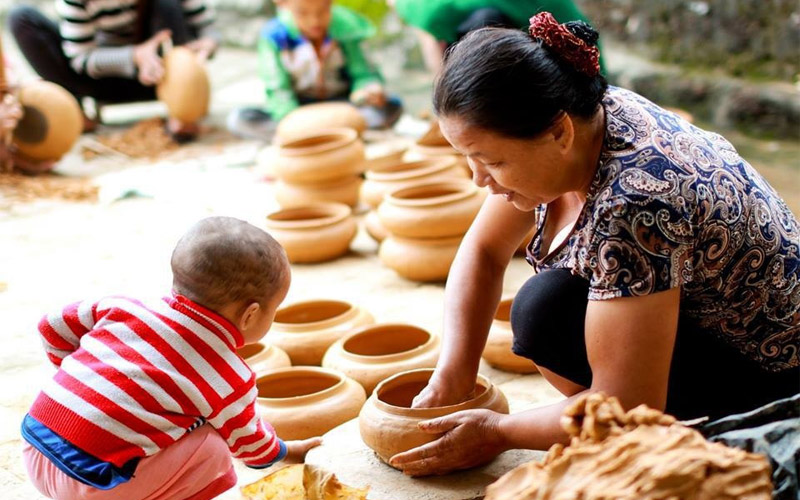
To complete a clay product, many stages are required. The first stage is shaping, as all products use molds (frames) made of wood or fired clay. Next comes the paddling stage: since wet clay contains a lot of moisture, newly shaped products are prone to deformation, requiring skilled artisans to paddle them with bamboo sticks. This is followed by polishing and decorating to create smooth, refined surfaces.
Only by witnessing these stages firsthand can one truly appreciate that producing a satisfactory product demands high technical skill, dexterous and flexible hands, and creativity from the craftspeople.
After about a week, the products are dried and ready for firing—known in the trade as “pot burning.” This stage is relatively simple but requires experienced artisans. In the past, there were professional pot burners who worked on a hired basis, but today most artisans can carry out the process themselves.
Before firing, artisans arrange the products on the ground, stuffing straw or dried grass inside them, with a layer of melaleuca firewood placed on top of the straw.
Firing usually takes place at night to make it easier to monitor the flames evenly. Typically, products requiring higher heat are placed at the center, while those needing lower heat are arranged around the edges to prevent underfiring or overfiring.
This reveals that the vitality of a traditional clay pot–shaping village must not only align with daily needs, but also embody a story of time—of the past and cherished memories bearing the imprint of rural countryside life, not easily forgotten.
With the Development of Metal, Many Clay Utensils Have Been Replaced
With the development of metal products, many utensils made by clay pot–shaping villages have been replaced. However, the clay pot craft in Hon Dat has continued to survive and remains well known to many people.
Images of clay pots have not faded from daily life; instead, they are increasingly revived in vivid and authentic forms through the skillful hands of pot-shaping artisans. Today, when clay pots are mentioned, people recall the clay pot–shaping village of Hon Dat—a famous traditional handicraft village of Kien Giang.