Grilled mudskipper fish in reed tubes is highly favored in Vietnam for its distinctive flavor, firm white flesh, and high nutritional value—especially the bile, which leaves an unforgettable taste.
Mudskipper fish, also known as goby mudskippers, live in brackish, alluvial environments. They are commonly found in the Mekong Delta, particularly in ponds, lakes, and brackish waters in provinces such as Sóc Trăng, Bạc Liêu, Cà Mau, and Kiên Giang.
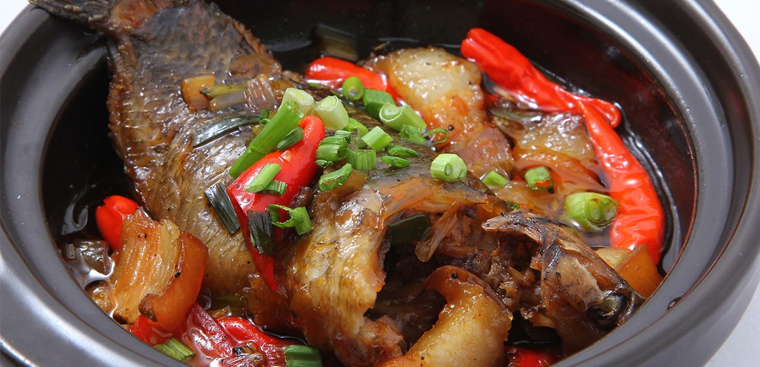
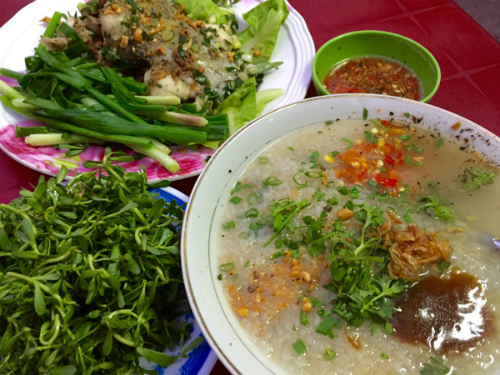
Mudskipper fish can be prepared into a variety of dishes, including braised with pepper, deep-fried, braised with Vietnamese coriander, grilled with chili salt, grilled with butter and garlic, mudskipper hotpot with fermented fish sauce, and mudskipper porridge. Among these is a dish that is both elaborate and rustic: mudskipper grilled in reed tubes.
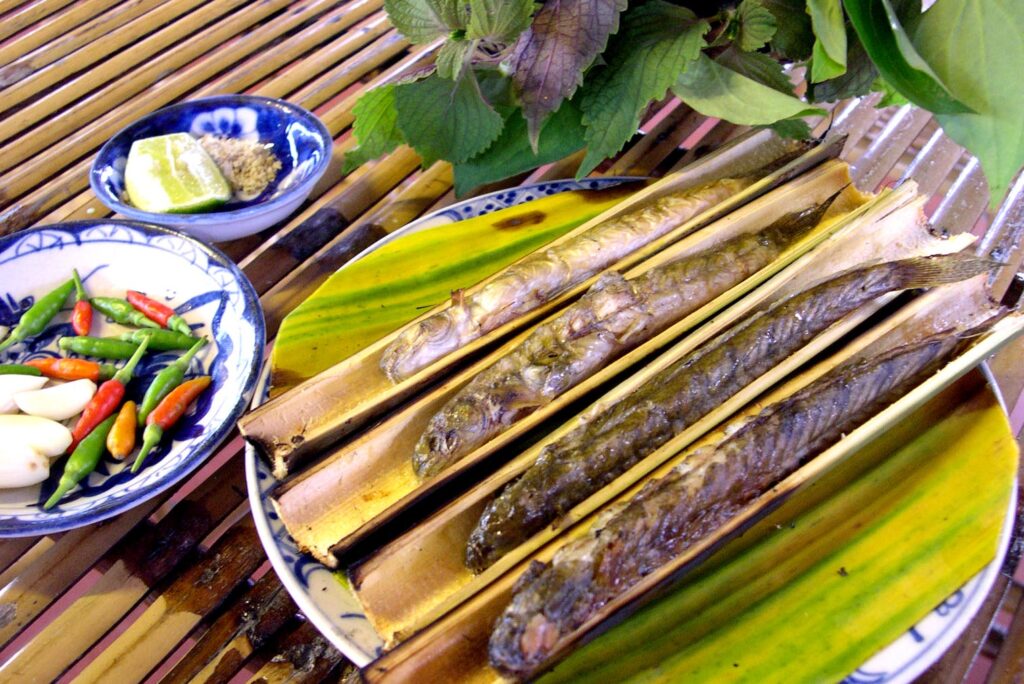
To grill mudskipper fish, young reeds that are plump and full of water should be selected. They are cut into sections with hollow ends to insert the fish. Live mudskipper fish are cleaned and marinated with spices. When placing the fish into the reed tube, part of the tail is left sticking out. The tubes are then grilled over gentle glowing charcoal. This direct grilling method makes the fish softer and sweeter; in particular, the moisture from the reed tube seeps out, infusing the fish with the reed’s natural sweetness and distinctive aroma. When the reed tube turns lightly golden and quickly collapses, the fish inside is perfectly cooked by the heat released from the reed’s water content.
Fresh herbs and unripe banana slices are commonly served as accompaniments. Grilled mudskipper in reed tubes pairs well with many dipping sauces—simple chili salt with lime juice is more than enough.
Splitting open the reed tube, the steam from the fish rises. Taking a bite, one can taste the sweetness of the fish blending with the subtle sweetness of the reed. The spicy, salty, and sour notes of chili salt with lime create a unique and irresistible flavor. The essence of mudskipper fish lies in its liver and bile, which are rich and slightly bitter, yet leave a pleasantly sweet aftertaste.
Let us invite you to savor this dish, rich in the distinctive culinary identity of Southern Vietnam.