In An Giang, the Khmer people are a familiar presence in daily life. Khmer culture manifests in everything from the vibrant pagoda roofs within the phum soc (hamlets) and the rhythmic festival drums to daily habits like dining, living, and rituals. Amidst a rapidly urbanizing Mekong Delta, that identity is consistently preserved. It is this very essence that makes Khmer culture in An Giang a living heritage in the modern era.
Khmer Pagodas – The Soul of the Community
If you have the chance to pass through the Khmer hamlets in Tinh Bien, Tri Ton, or Chau Thanh, you will easily spot a pagoda rising amidst the sugar palm trees with its curved roof, golden walls, and winding dragons on the gables. For the Khmer, a pagoda is not just a place of worship but also the spiritual heart of the entire community.
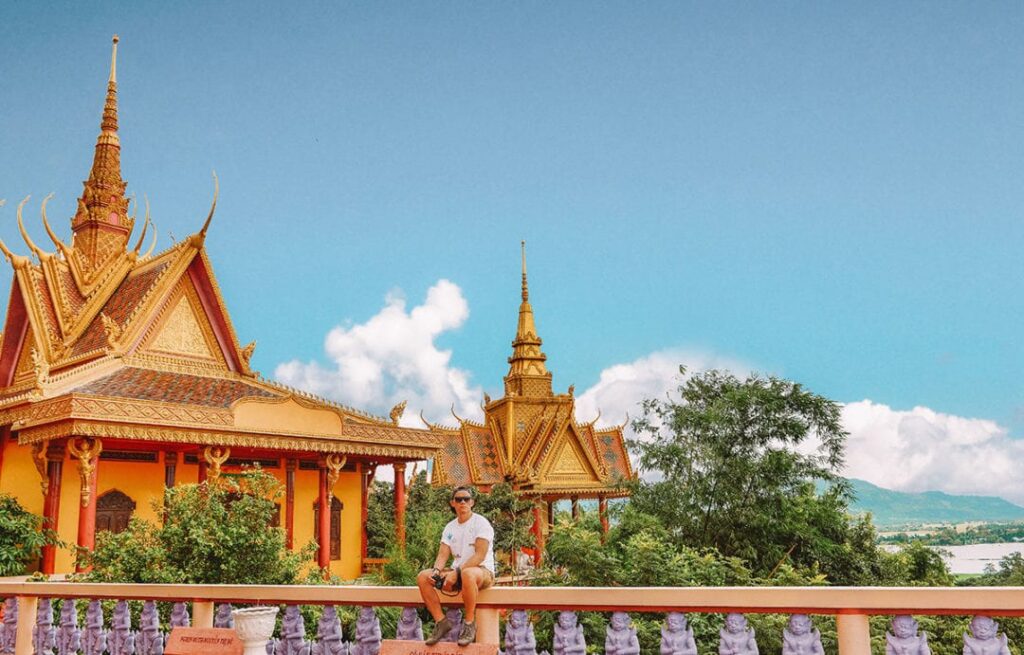
The brilliantly beautiful golden roofs of Khmer pagodas
Every milestone in a person’s life—from birth and adulthood to death—is connected to the pagoda. Children are sent here to learn the Khmer script and moral virtues. Adults visit during the full moon or the first day of the lunar month, or simply to visit a monk when they have unspoken thoughts in their hearts.
Khmer pagodas are not as quiet as many might think. During major festivals like Chol Chnam Thmay (New Year), Ok Om Bok (Moon Worship), or Sen Dolta (Ancestor Worship), the temple courtyard bustles with the sound of drums, folk songs, colorful traditional costumes, and the laughter of children running around.
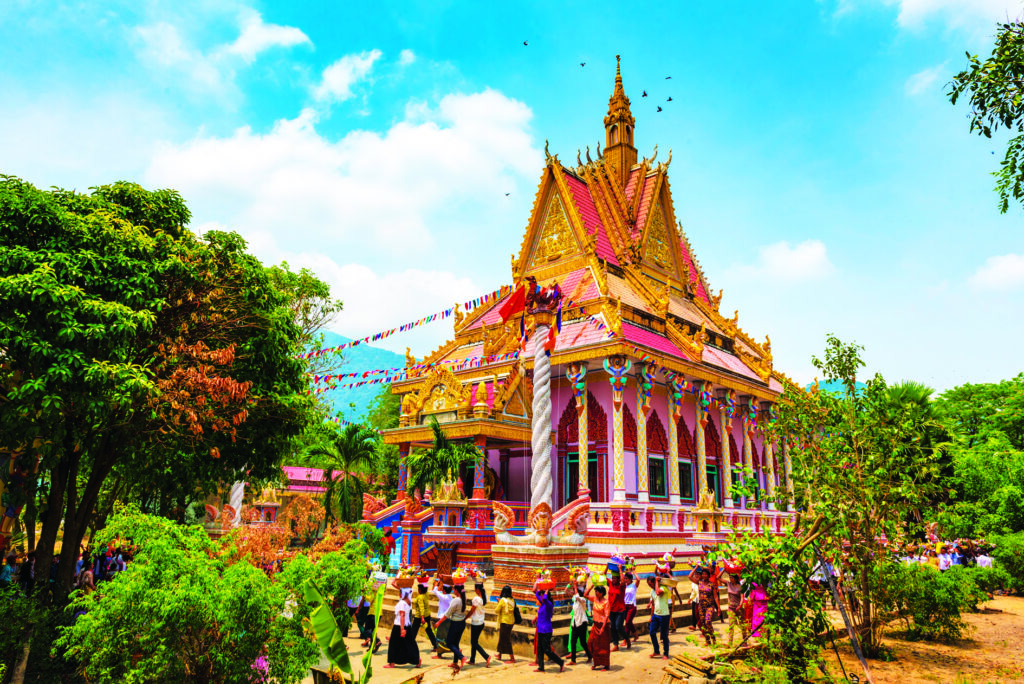
Chol Chnam Thmay (Traditional New Year)
The pagoda space also serves as a meeting place for elders to discuss community affairs, for the youth to practice the Romvong dance, and for artisans to teach woodcarving, relief sculpting, or writing Khmer script on prayer leaves. Things that might seem ancient are passed down daily through familiar living habits.
To outsiders, the pagoda is a tourist destination. But to the Khmer in An Giang, it is the keeper of their soul. Not because it is ancient or grand, but because it lives and breathes alongside the people.
Language, Beliefs, and the Daily Life of the Khmer
Traveling to An Giang, it is not uncommon to hear the Khmer language in a conversation between two vendors at the market, in a kindergarten classroom, or during early morning chanting at a pagoda. Language is not just a means of communication—to the Khmer, it is a way to preserve their roots, a source of pride, and a thread connecting past and present generations.
The majority of Khmer in An Giang follow Theravada Buddhism, so their spiritual life is deeply intertwined with the temple. The pagoda serves as more than just a place of worship; it is a center for culture, education, and community life. Children learn the Khmer alphabet from monks, while adults place their faith in festivals such as Pchum Ben, Chol Chnam Thmay, or Ok Om Bok. Each festival is an occasion for the community to gather, prepare traditional cakes, decorate their hamlets, pray for peace, honor ancestors, and remind each other of goodness.
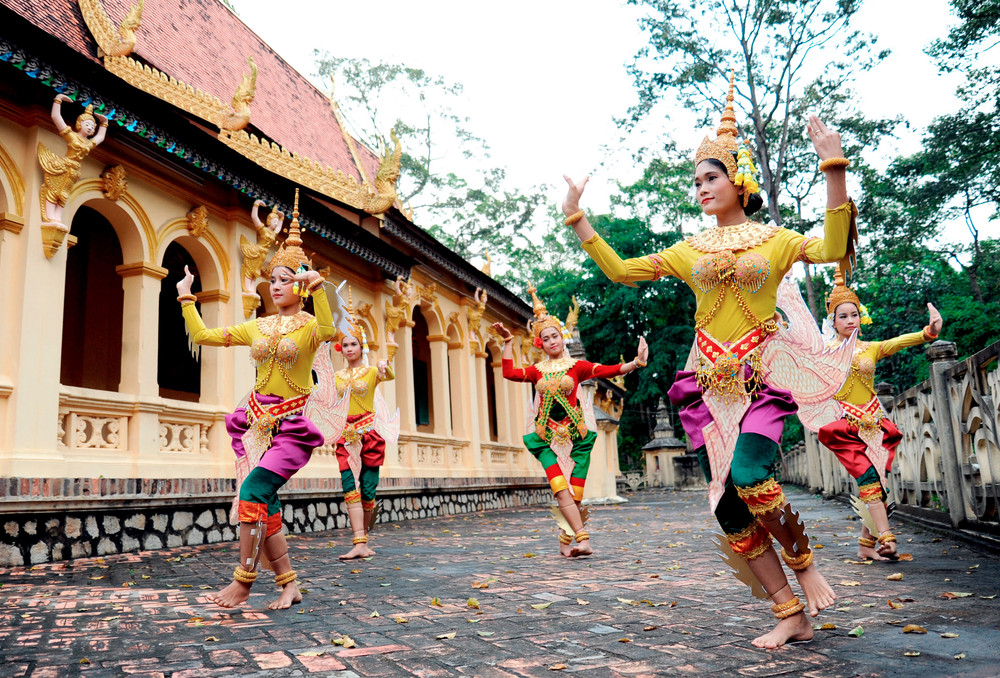
The unique and vibrant traditional costumes of the Khmer
Beliefs and language seem to blend into every aspect of life. Even on ordinary days, you can see Khmer people greeting each other with respectful folded hands or whispering prayers when entering a temple. Every small action carries the shadow of a culture preserved through many generations. Amidst the modern flow, the Khmer in An Giang still maintain a unique and fascinating rhythm of life.
Khmer Festivals – Occasions for Joy, Remembrance, and Connection
Festivals are always an indispensable part of Khmer cultural life in An Giang. Each occasion carries not only religious significance but also acts as a time for the community to gather, share joy, and maintain ties with ancestors, their homeland, and each other.
Chol Chnam Thmay—the Khmer Traditional New Year, usually falling in April—is the biggest festival of the year. During these days, the hamlets bustle from early morning as families clean their homes, pagodas are decorated, and people eagerly head to temples for rituals. The sound of drums and chanting echoes steadily, mingled with the laughter of children playing with water and building sand mountains—both playing and preserving ancient customs.
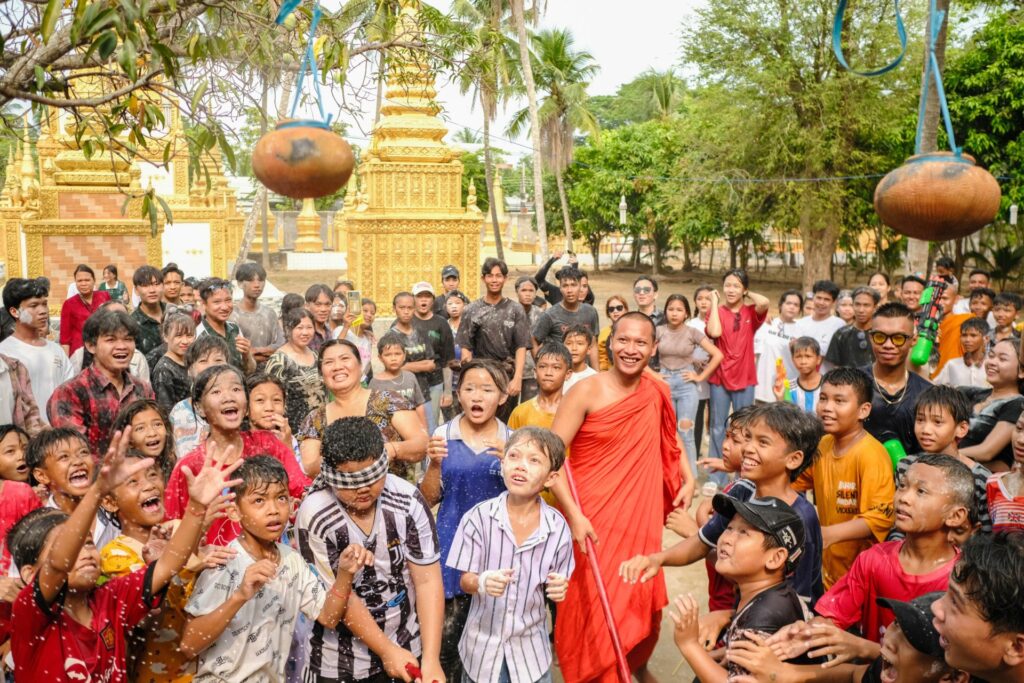
Chol Chnam Thmay Festival in An Giang
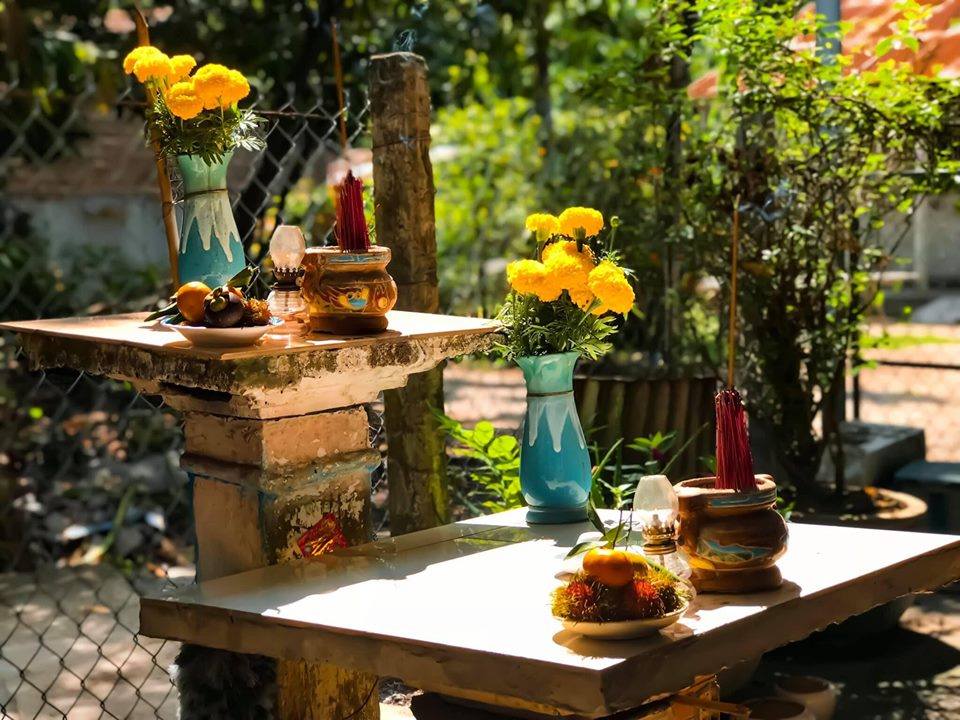
Sen Dolta, occurring around the 9th lunar month, is a festival to worship ancestors. On this day, Khmer families reunite, prepare offerings, and go to the pagoda together. It is a time for those far away to return and for the living to remember the deceased, serving as a way to preserve traditional morality across generations.
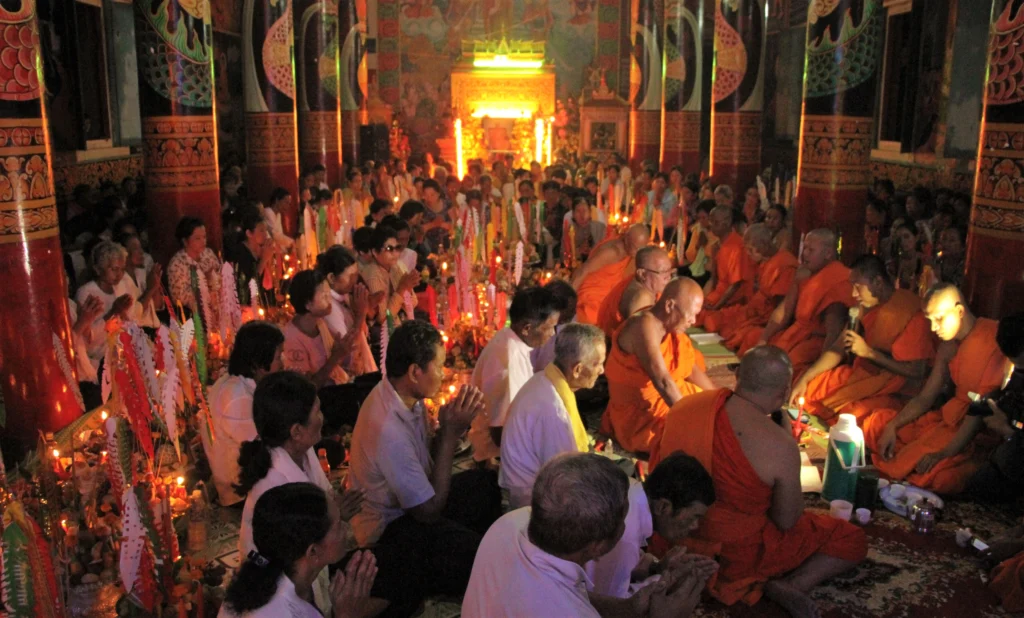
Sen Dolta Festival of the Khmer people
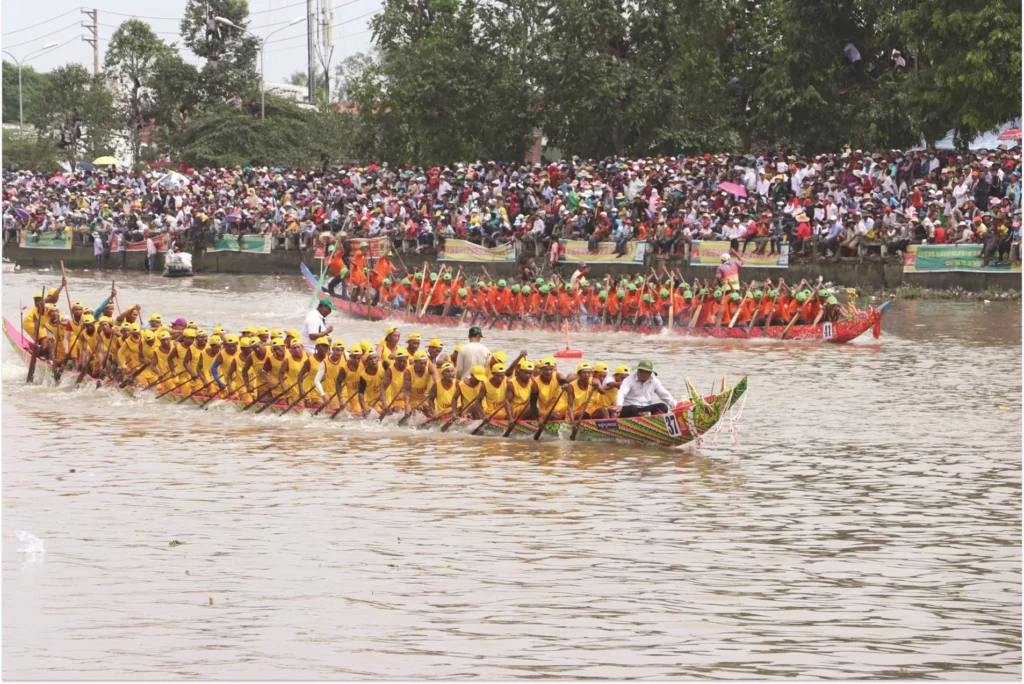
Ok Om Bok—the year-end moon-worshipping festival in the 10th lunar month—is an occasion to thank heaven and earth after the harvest. Many places organize “Ngo” boat races, attracting the whole community to participate and cheer. This is when the festive atmosphere reaches its peak, lively yet deeply communal.
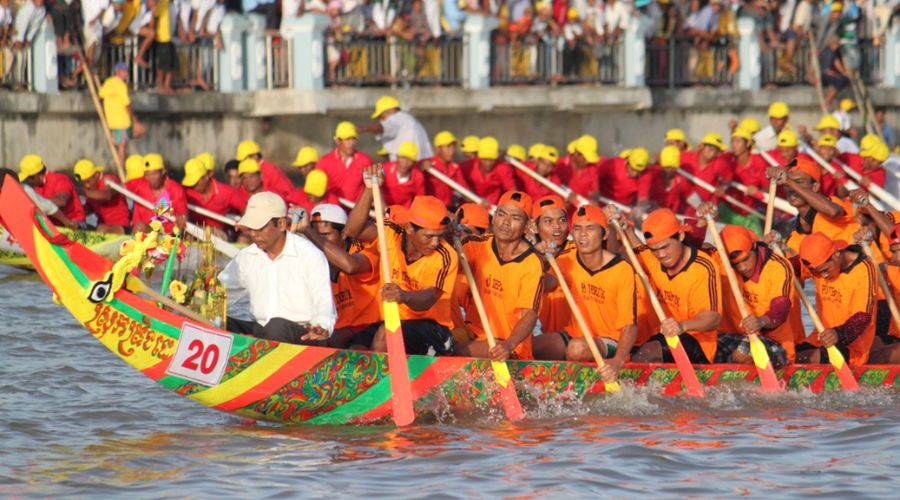
Ok Om Bok Festival
Whether living in rural or urban areas, the Khmer in An Giang still cherish festivals as a vital part of their identity. Festivals are a time for joy but also for remembrance and strengthening community bonds. As each year passes and each festival returns, it serves as a gentle reminder: culture does not reside in textbooks, but lives within daily life.
Keeping the Craft Alive, Preserving Identity
In many Khmer hamlets in An Giang, there are still those who persist with traditional crafts—not primarily for a livelihood, but to preserve a piece of memory. Brocade weaving, traditional cake making, wood carving, and musical instrument crafting… though no longer as common as before, they still exist, silent and resilient.
In Chau Phong Commune (Tan Chau Town), the traditional brocade weaving of the Cham people (within the broader Khmer cultural landscape) has quietly survived for generations. This craft has become a living memory, where the youth learn from the elderly how to preserve every pattern and color tied to their homeland’s culture.
Traditional patterns become cultural symbols, passed down through many generations. With nimble hands and steady shuttle beats, each completed fabric is a story of perseverance, care, and pride.
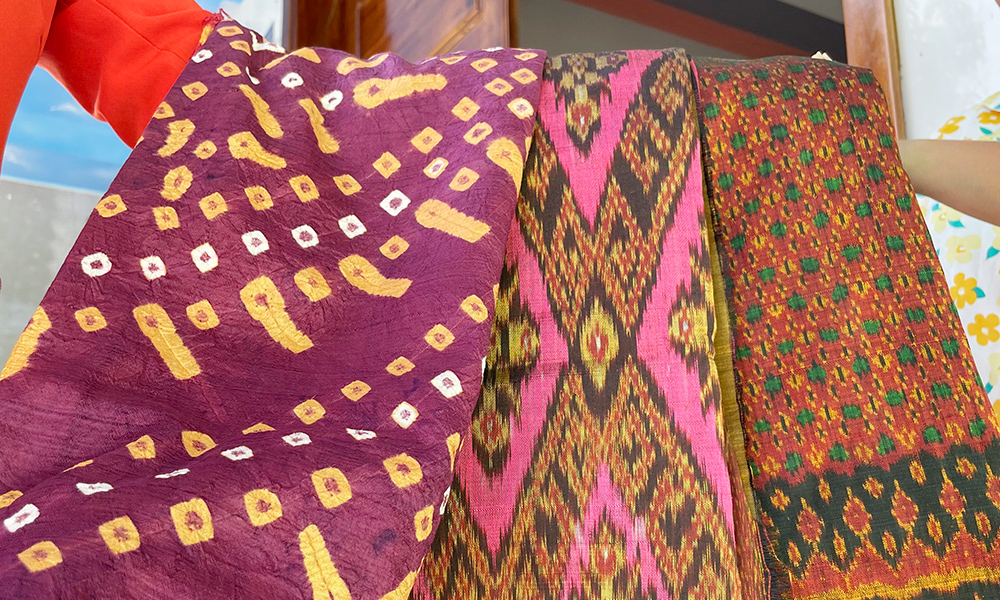
The quintessence of Khmer brocade
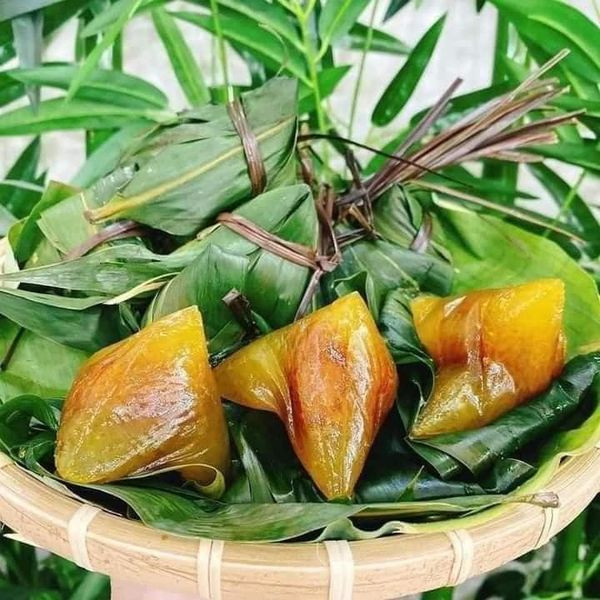
Besides weaving, the making of traditional cakes such as purple sticky rice cake (bánh tét lá cẩm), bánh ít, and ginger-shaped cakes (bánh gừng) is still passed down within families. Elders teach the younger generation not only how to make them but also how to wrap them perfectly and cook them evenly—a way of passing down patience and ancestral beauty.
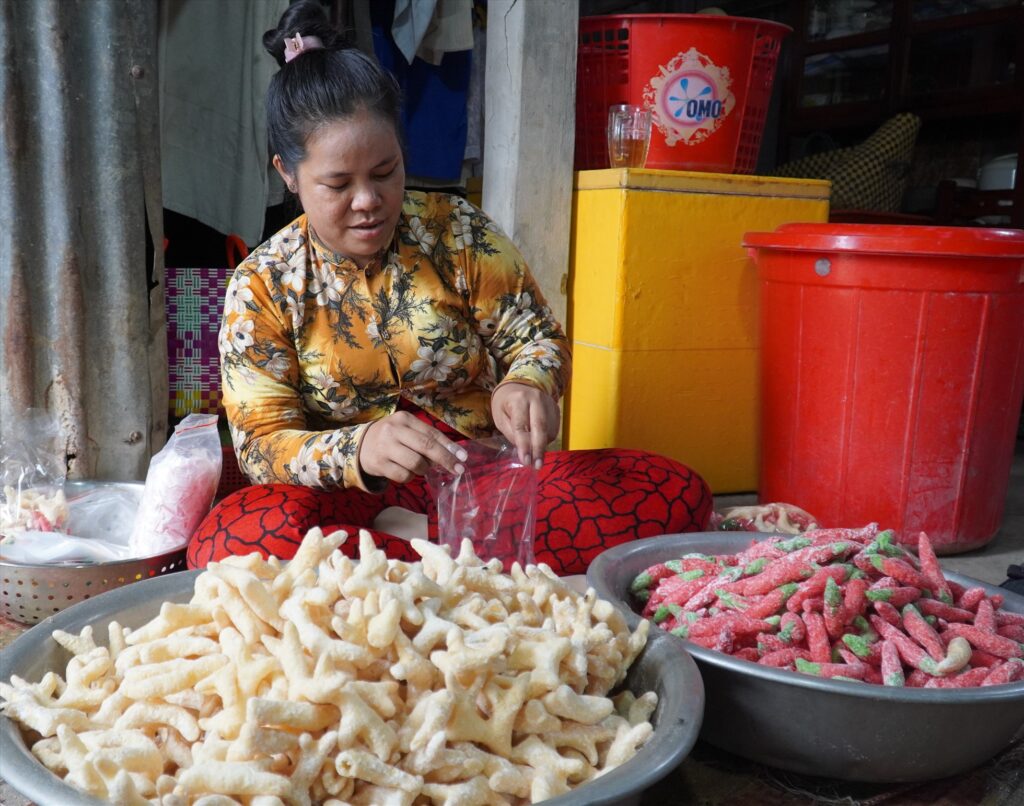
The craft of making ginger-shaped cakes
Some artisans also maintain the craft of making traditional instruments like drums, gongs, and flutes to serve major festivals like Chol Chnam Thmay or Sen Dolta. These sounds are not only used for dancing and singing but also evoke roots and connect the community.
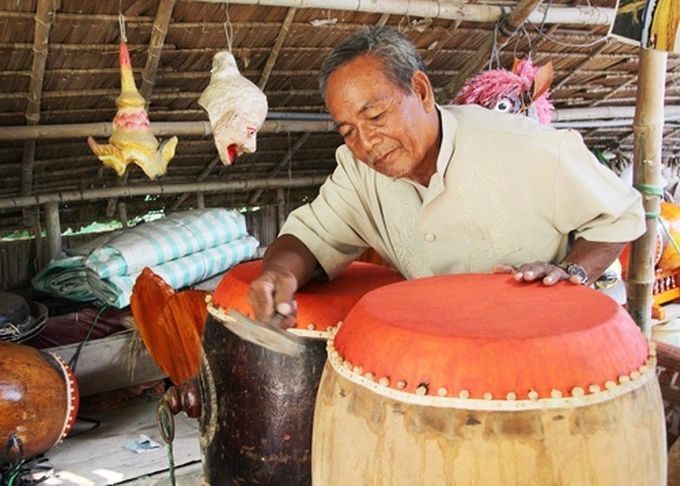
A maker of traditional Khmer musical instruments
In an era where machines are gradually replacing manual labor, the Khmer in An Giang still choose to keep their crafts as they would keep a part of their identity. They do not just create products; they preserve a cultural life so that future generations can see where they came from.
A Cultural Intersection of Lifestyles
In An Giang, the Khmer do not live in isolation but harmonize with the general pulse of the region. Khmer hamlets lie next to Kinh villages, Cham people weave fabric across the canal, and Hoa (Chinese) people open pharmacies or eateries right next to the market… Everyone shares the space, lives together, goes to the market together, and participates in festivals large and small.
Traveling along the border roads, it is not hard to see overlapping cultural symbols: a golden Khmer pagoda roof in the middle of a field, and right across from it, a Lady of the Realm (Ba Chua Xu) shrine. Children go to school together and return home to play folk games without anyone noticing who belongs to which ethnic group. Each community keeps its own customs but remains open to living well together.
Khmer culture in An Giang is not just a set of values to be displayed or remembered; it is a lifestyle happening every day. From the sound of the temple drum and the weaver’s needle to the bustling festivals in the hamlets, everything is still present, vivid, preserved, and naturally continued. It is this simple way of living and mutual respect in every small detail that has helped An Giang maintain its cultural diversity.
A Living Identity, Not Just a Memory
Amidst the rapid changes of urbanization and modern life, the Khmer people here still maintain their own cultural flow. At the same time, they contribute to enriching the overall cultural face of An Giang. This is not a solitary effort but a resonance between the community and the land that has embraced them for generations.
If you have the chance to visit An Giang, don’t just pass through the famous landmarks. Spend some time stopping at a Khmer hamlet, step into a pagoda, watch the locals weave, and listen to children speaking their mother tongue. You will see that heritage sometimes does not lie in museums but in daily life, in the eyes, and in the smiles of the people who are preserving that identity every day.