Those plump field rats, fattened on ripe golden rice, have deliciously aromatic meat, but not everyone dares to try it at first glance. However, once you taste it, you’ll surely change your mind right away.
Throughout the Southern region during the flood season, field rat dishes are everywhere inviting diners. Besides the familiar smoked field rat, clay pot-roasted field rat is not just a dish but a distinctive cultural feature of Southern Vietnamese people. Field rat is both a food and a seasonal specialty available only during harvest time. Once you try it, you’ll be enchanted and remember it forever.
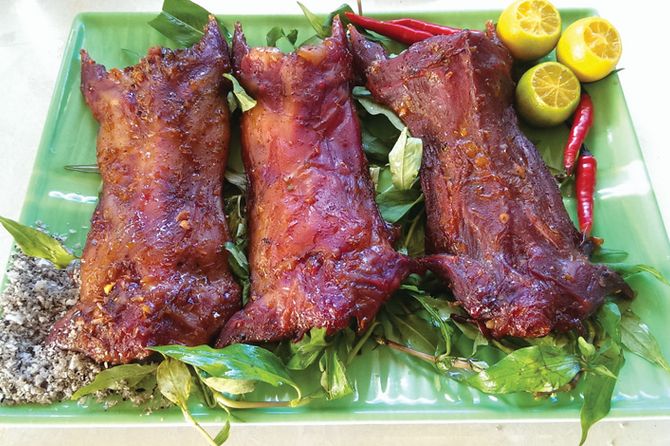
The golden-roasted field rat looks incredibly appetizing with perfectly balanced seasonings that make everyone exclaim in delight. You’ll be overwhelmed with emotion when tasting the wonderful flavor of this dish. If you’ve tried field rat a couple of times, you’ll surely never forget it and will want to return to the Mekong Delta to enjoy it again.
The clay pot-roasted field rat stalls in Đồng Tháp are always crowded during rice season, as field rat is a true specialty. At 8 a.m., the stalls start firing up the ovens. While waiting, you can sip tea and listen to locals’ stories about catching field rats.
There are many types of rats, but only field rats living in the rice paddies, fed on rice, are used for roasting or frying because their meat is fragrant and free of any off odors. The best ones for clay pot roasting are those plump and well-fed on ripe rice after the harvest—those are the tastiest.
After the harvest, locals chase and trap rats on the mounds, set up nets, and sometimes burn straw to smoke them out. Some are slaughtered right in the fields and roasted over straw for casual snacking. Straw-smoked rat meat carries the scent of sunshine and milk—utterly delicious.
Rats are caught at about 5–7 per kg, cleaned of guts, trimmed claws, then marinated with seasonings for about 15 minutes. Each rat is then hooked and placed inside the clay pot (also called “mái đầm”). Depending on the pot size, one batch can hold 8–30 rats. While roasting, turn them occasionally, add lard and seasoned water; after about an hour, the rats turn golden and fully cooked.
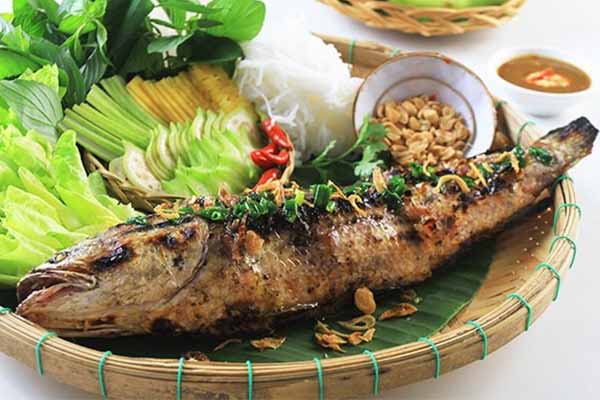
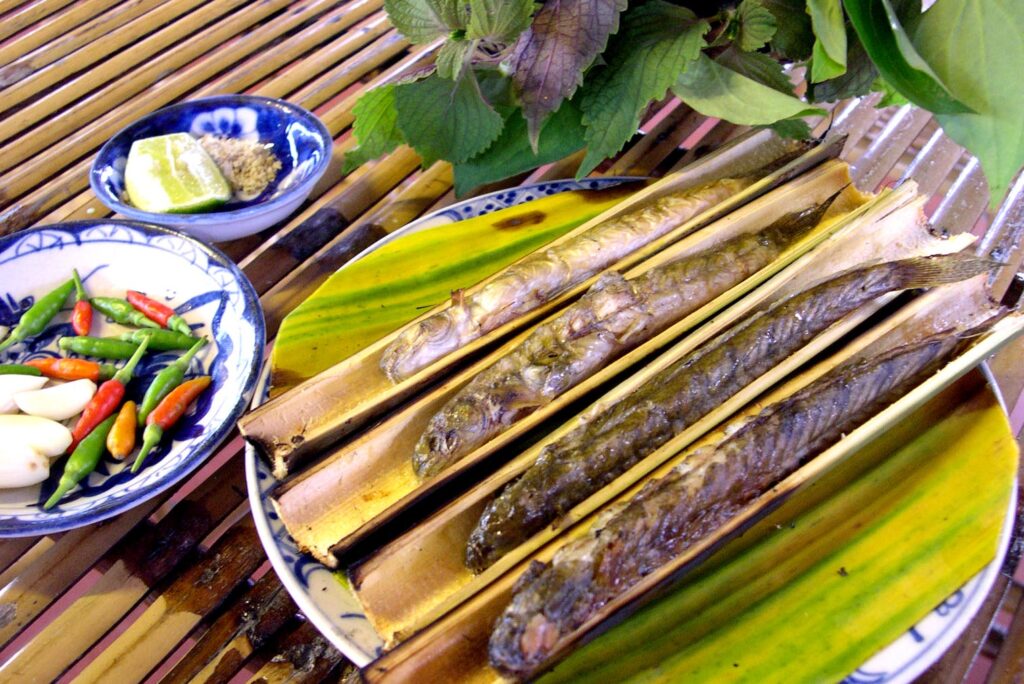
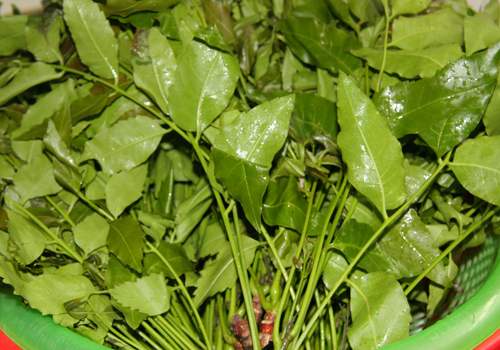
When plated, if not told it’s rat, it could easily be mistaken for a roasted suckling pig. The aroma is irresistible. Serve with salt-pepper-lime dip, Vietnamese coriander (rau răm), unripe banana, tomato, and cucumber. Pick up a piece, bite in—the skin is ultra-crispy, the meat fragrant and tender. The initial squeamishness about eating rat disappears, replaced by pure enjoyment. That’s why Mekong Delta people call field rat meat “countryside venison.”
Besides clay pot roasting, field rat can be grilled or steamed, but clay pot roasting is probably the most delicious, and it must use rats from the September–October rice harvest season.
Compiled by Băng Tâm. Photos: ST