There are many foods that serve not only as simple nourishment but also bring specific health benefits. Here are the top 10 foods to help you stay healthy during winter.
You may know that eggs, fish, and meat provide protein, while green vegetables and tubers offer fiber and rich vitamin sources, but you might not be aware of the other effects of these foods. The following top 10 foods are what you should eat; they help prevent the flu and strengthen your immune system for good health during the cold winter.
- Carrots
Carrots contain a high amount of beta-carotene, which the body converts into vitamin A. Vitamin A is a nutrient that plays a crucial role in immune function, helping to protect against infection and reducing the risk of respiratory diseases by keeping the lungs healthy. Since beta-carotene is fat-soluble, fat is necessary for its absorption. You can use olive oil or organic butter with carrots to increase absorption.
- Wheat Germ
Wheat germ is rich in B vitamins, iron, zinc, and vitamin E—an important antioxidant that supports the body’s immune response. Fresh wheat germ has an appealing flavor and can be used in baking bread, muffins, casseroles, or sprinkled on salads. Adding 2 tablespoons of wheat germ to porridge provides about 7.5 mg of vitamin E, or using 1 tablespoon of wheat germ oil provides 20.3 mg of vitamin E.
- Garlic
Garlic has long been used in medical treatments. Experts recommend consuming 2 to 4 cloves of garlic daily to naturally boost health. Using 1 to 2 cloves daily can help prevent the common cold.
- Yogurt
Yogurt contains probiotics, friendly bacteria essential for gut health. Probiotics enhance immunity by protecting against viruses that enter through the digestive tract. You can eat yogurt every day or mix it up by adding berries for dessert.
- Fennel
Fennel and celery both belong to the parsley family. However, fennel contains a much higher level of vitamin C. The phytonutrient anethole in fennel helps strengthen the immune response. You can use fennel in soups, stir-fries, or vegetable salads.
- Tangelo
This is a crossbreed between grapefruit and tangerine. It lacks the bitterness of grapefruit and tastes more like tangerine. It is one of the best fruits for winter. Tangelo contains high levels of vitamin C, which is vital for several immune system cells. Therefore, a vitamin C deficiency can lead to decreased resistance to certain diseases.
- Salmon
Salmon contains vitamin D, often called the “sunshine vitamin,” which plays an important role in the body, including the immune system. You can supplement your vitamin D by eating 120 grams of salmon or by being exposed to sunlight for 10–15 minutes daily between 6 AM and 8 AM.
- Beets
The phytochemicals in beets are beneficial antioxidants that help protect the immune system by fighting destructive free radicals—molecules that damage healthy cells and DNA. When using beets in daily meals, do not discard the green leaves as they provide vitamin C, beta-carotene, calcium, and iron.
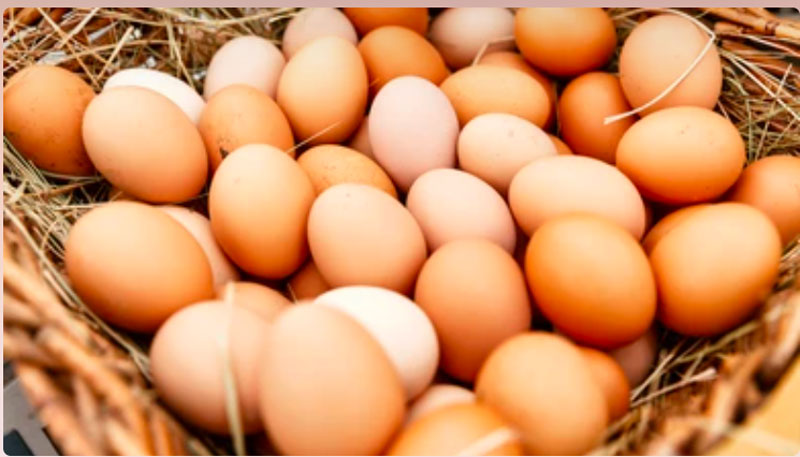
- Eggs
Eggs provide a high amount of protein, along with vitamins A, B, D, and zinc. Among these, protein is essential in supporting a healthy immune system, preventing external invasion, and fighting infection.
Dark Chocolate
This is one of the best natural sources of antioxidants, iron, magnesium, and zinc. Zinc is a vital trace mineral and is particularly important for immune function. An adult needs between 8–14 mg of zinc per day. 100g of dark chocolate contains 9.6 mg of zinc, while milk chocolate contains 2.3 mg.
According to Suckhoedoisong